
Why Budget Bedding Is Better Now Than It Was
Affordable bedding has genuinely improved. A decade ago, cheap sheets meant polyester blends that trapped heat and pilled within months. Today's budget options use better cotton blends, bamboo viscose, and microfiber that actually breathe, wash well, and last. Retailers now stock sheets starting at $30–$50 that sleep as well as options costing twice as much, because natural-fiber technology and manufacturing have both become more efficient. The real shift is this: you no longer have to choose between budget and comfort. What has changed is what separates a bargain from a mistake. Marketing hype around thread count still confuses shoppers, and low-quality synthetics still exist, but the standard bedding available at mainstream prices is now genuinely usable. This matters because most people replace bedding when it fails, not when it wears out—so getting the material choice right the first time saves money overall.
What to Look For: Materials That Actually Work
Start with material, not price or thread count. Cotton is the reliable choice: it breathes, softens with washing, and lasts. Look for cotton percale (crisp, cool, durable) or sateen (smoother, warmer). Long-staple cotton, including varieties like Pima or Egyptian cotton, resists pilling because the fibers are stronger. Bamboo viscose (often labeled 'bamboo rayon') is silky, cools well, and is affordable—but buy from sellers who use quality fiber, not leftover short-staple scraps. Linen is durable and gets softer over time, though it's rougher initially and costs more. Microfiber and polyester are budget-friendly and quick-drying, but they trap heat and have a shorter lifespan (1–2 years versus 3–4 for cotton). Look for thread counts between 200 and 600 in cotton; past 400, the benefit is mostly marketing. Weave matters more than the count: a 300-thread-count percale outperforms a 1,000-thread-count microfiber that uses multi-ply yarn to inflate the number. Check for certifications like GOTS (Global Organic Textile Standard) and OEKO-TEX if those matter to you, but they add cost and are not essential for affordable bedding.
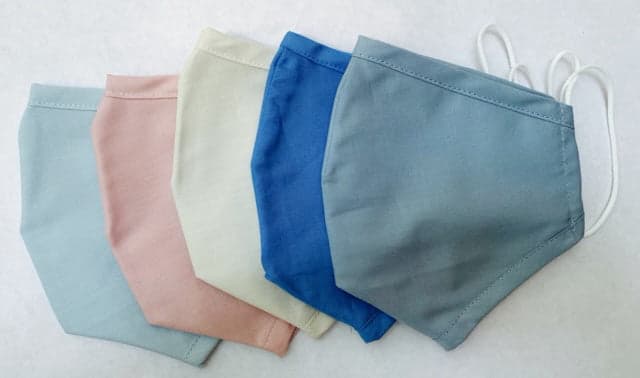 CLOSEOUT: Organic Cotton Face Masks- 4 pack- All Sales Final!Delilah Home · $9.99
 Order ProtectionPuredown · $0.98
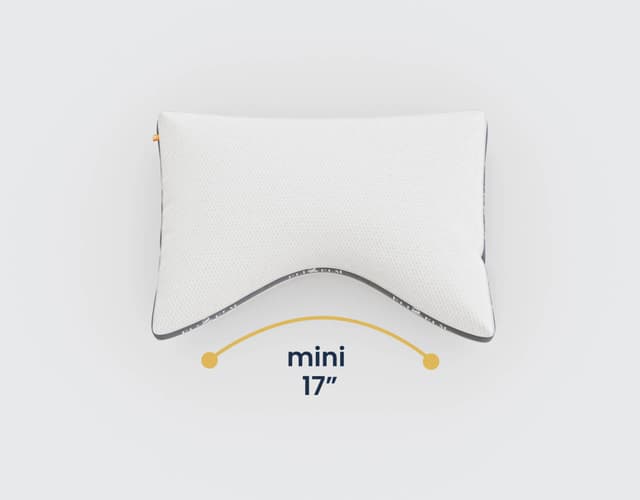 Side Sleeper MiniEli and Elm · $39.99
Where Corners Can Safely Be Cut
You can save by not buying complete bedding sets. Sheets and pillowcases touch your skin directly, so invest there first. A duvet cover or top blanket can be cheaper; it adds warmth but doesn't affect sleep quality the same way. Comforters filled with synthetic materials (polyester) work fine and wash easily, though they compress over time and need replacing more often than down. White or neutral colors are less expensive than dyed shades and fade less visibly, so a plain white set will outlook a patterned one. You can skip decorative shams and throw pillows if your budget is tight. Basic elastic-corner fitted sheets are fine; deep-pocket options cost extra but don't always fit better. Save on pillows if you don't need specialty shapes; a standard pillow in cotton or microfiber covers serves the purpose at half the price of ergonomic designs. Skipping brand names for house brands at major retailers (Target, Walmart, Costco) cuts costs significantly without sacrificing the basics. What you should not cut: seam quality, fiber length, and weave type. Fraying seams, short-fiber cotton that pills immediately, and thin synthetic blends fail quickly and end up costing more per year of use.
Which Brands Work Best for Different Buyers
Delilah Home focuses on organic cotton and hemp sheets at mid-range prices, suiting buyers who prioritize eco-friendly materials and durability over the lowest price. Puredown specializes in down and feather comforters, pillows, and natural-fiber duvet covers, making it a good fit if you want premium insulation without a luxury-brand price tag. Eli and Elm emphasizes pillows and weighted comforters, appealing to shoppers who want specialty sleep solutions rather than complete sheet sets. Sweetcrispy offers budget bed frames, mattresses, and basic bedding, targeting buyers who need a full bedroom setup on a tight budget. For the absolute lowest prices on basic sheets and comforters, mainstream retailers like Target and Walmart house brands undercut all of these; look there if your main goal is to save the most. If you want natural materials and can spend $40–$80 per sheet set, Delilah Home and Puredown justify the cost through fiber quality. If you prioritize pillows or specialty items, Eli and Elm and Sweetcrispy offer alternatives to spending premium prices.
 CLOSEOUT: 100% Hemp Face Masks- 4 pack- All Sales Final!Delilah Home · $12.99
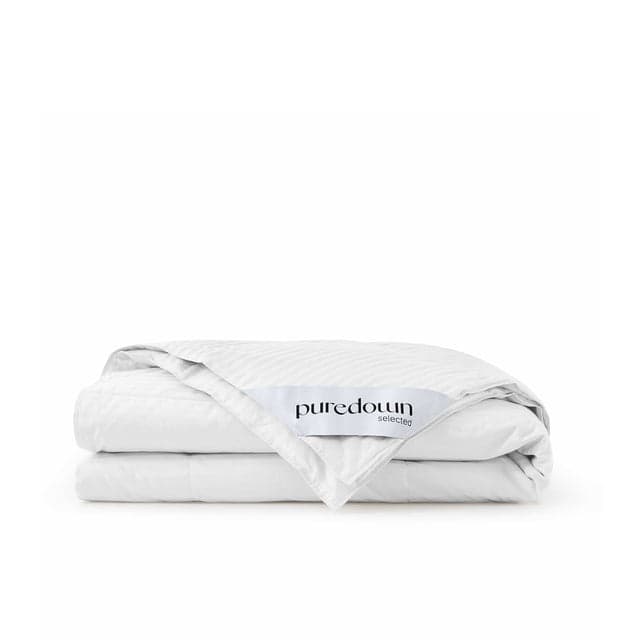 Cotton Oversized Down BlanketPuredown · $179.99
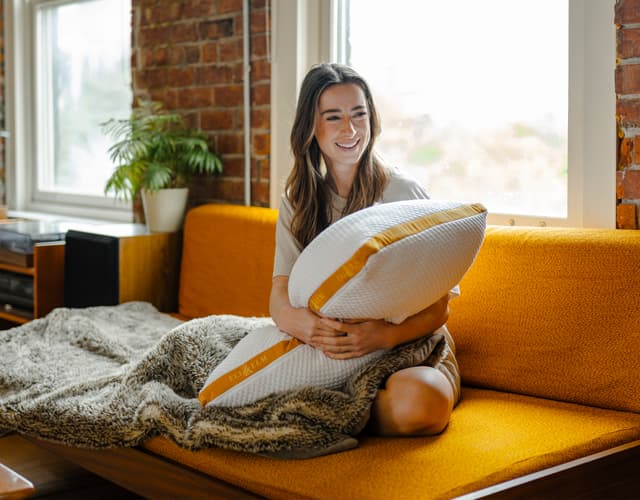 Everyday PillowEli and Elm · $97.49
Quality Markers That Separate Good Buys From Waste
A good-value sheet set shows these signs. First, the fiber: long-staple cotton fibers don't pill because they're strong; short fibers break under friction and tangle into bobbles on the surface—a sign of a cheap sheet that will look worn within months. Second, the seams: run your fingers along stitching. Loose seams, puckering, or obvious gaps mean the set will fray and fail. Third, the hem: a simple rolled hem is fine; extra stitching or binding indicates better construction. Fourth, the weight: hold it up. A sheet should have some body, not feel tissue-thin. Puredown products, for instance, use European fill materials that don't compress quickly; Delilah Home's organic cotton sheets are made from longer fibers that resist pilling. Fifth, the brand's return policy: if they let you return within 30 days, they're confident in quality. A 30-return window is standard at good brands; no return policy is a red flag. Sixth, customer reviews that mention durability after six months or a year, not just how soft it feels new. Fading, pilling, and shrinkage are the top complaints about cheap bedding—look for reviews that either confirm or avoid these issues. Avoid any sheet set advertising 1,000 thread count for under $50; it is almost certainly multi-ply marketing and won't last.
Sizing and Fit: Getting It Right the First Time
Mattress depth varies, and fitted sheets must fit without bunching or slipping. Standard mattresses are 9–12 inches deep; most 'standard' fitted sheets fit this range. If you have a pillow-top or memory-foam mattress, you need 'deep-pocket' sheets (14–17 inches). Measure your mattress corner to corner and add 2 inches for safety. Sheet sets usually list pocket depth; if not, look at customer reviews saying whether they fit your mattress type. Oversizing slightly (buying a king sheet set for a queen mattress) ensures a better fit but wastes fabric. Most brands sell sheets by bed size, not universal fit, so choose your exact mattress size: twin, full, queen, king, or California king. Pillowcases come in standard (20×26 inches) or king (20×36 inches); buy to match your pillows, not your bed. Comforters are sized to bed size as well. A queen comforter over a queen bed hangs evenly; a king over a queen looks too wide and bunches. Check dimensions before buying, especially if ordering online. Many brands list depth and dimensions in product descriptions; if they don't, email customer service or check a video review showing the fit. Returning bedding that doesn't fit is frustrating and costs you shipping.
 Drytek Dog Towel Bundles (4 Pack)Delilah Home · $99.99
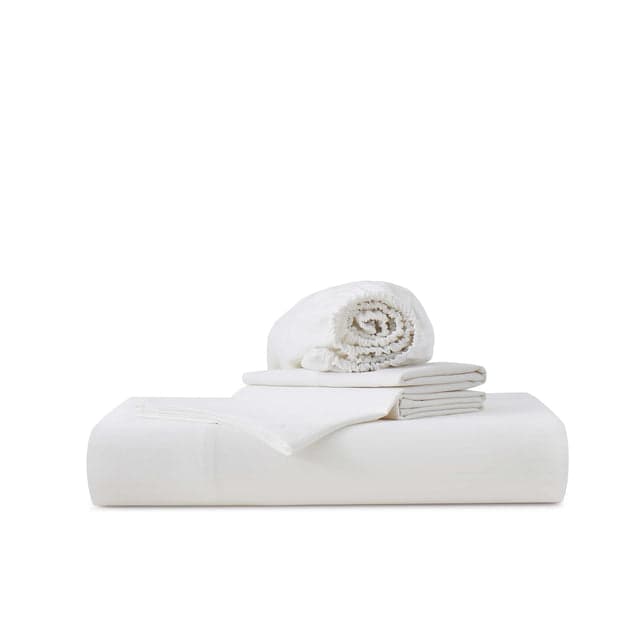 Organic Bamboo Sheet SetPuredown · $119.99
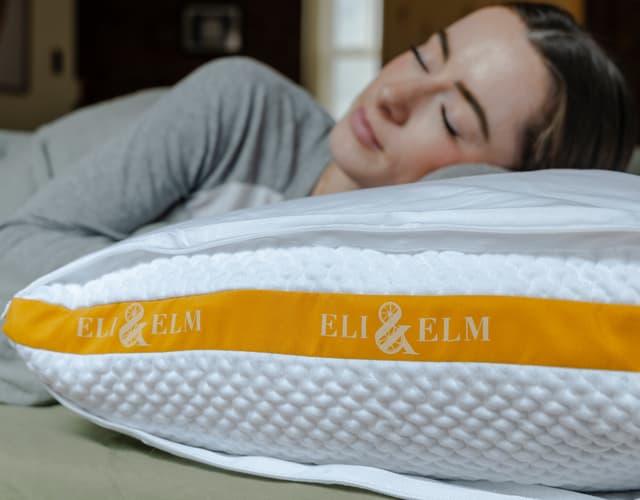 Cooling Pillowcase – Everyday PillowEli and Elm · $25.99
When to Buy and What Discounts Really Save
Bedding sales follow predictable patterns. Labor Day (September) and seasonal sales in January and April typically offer 20–40% off. December clearance can reach up to 70%, but selection is limited because stock is running out. Holiday weekends (Thanksgiving, Black Friday) also trigger sales, though margins are narrower on bedding than on other home goods. Discount codes and newsletter signups often give 10–20% off, and many brands stack codes during sales. Real savings, realistically, are 20–40% off regular price during major sales; anything more means the original price was inflated. Warehouse clubs like Costco often stock bedding at lower base prices than department stores, with no wait for sales. If you find Delilah Home or Puredown bedding on sale, the discount applies to an already mid-range price, so the final cost is competitive. Outlet stores sometimes stock overstock or slightly flawed items at 30–50% off. Buy-one-get-one half-off deals are common with pillows and comforters; they actually save money if you need multiples. The biggest mistake is waiting for a perfect sale and missing out on a product you want; a 25% discount now beats hoping for 40% off and buying an inferior alternative in the meantime.
Common Shopping Mistakes and How to Avoid Them
Mistake one: choosing by thread count alone. A 1,000-thread-count polyester sheet is not better than a 300-thread-count cotton percale, but marketing makes it seem so. Check the material, not the number. Mistake two: ignoring weave. Sateen feels soft and warm; percale feels crisp and cool. They sleep differently. Know which you prefer before buying. Mistake three: buying a complete set when individual pieces are cheaper. A sheet set plus a comforter plus decorative pillows in a 'bundle' often costs more than buying sheets and a comforter separately. Mix and match. Mistake four: buying the cheapest comforter and expecting it to last. A $25 synthetic-fill comforter compresses after 20 washes and needs replacing within a year; a $60 option lasts 3–4 years. Cost-per-year matters. Mistake five: not checking pocket depth before buying fitted sheets. A standard fitted sheet on a 16-inch mattress will slip and bunch. Read the spec. Mistake six: assuming 'organic' or 'eco-friendly' means affordable. Organic cotton sheets cost more, not less, but they justify the cost through durability and fiber quality, not price. Budget for it if that matters to you. Mistake seven: comparing prices across retailers without checking what's included. A sheet set might be $40 at one place and $50 at another, but one includes pillowcases and the other doesn't. Read the product description. Mistake eight: buying bedding in a color or pattern you're unsure about online without a return window. Neutral shades always work; trendy colors look dated quickly and don't hide dirt as well.
Final Checklist Before You Buy
Before clicking checkout, confirm five things. First, material: cotton, bamboo, or linen, not cheap polyester if durability matters to you. Second, pocket depth: does it fit your mattress? Read reviews mentioning your mattress type. Third, return policy: 30-day returns are standard; longer is better. Fourth, seam and hem quality: look at close-up photos if buying online; read reviews mentioning durability. Fifth, price-per-year: divide the total cost by the expected lifespan (3–4 years for good cotton, 1–2 for synthetics). A $100 sheet set lasting four years costs $25 per year; a $30 set lasting one year costs $30 per year. The cheaper upfront cost doesn't win. Brands like Delilah Home and Puredown publish expected lifespans or stand behind their materials; that transparency is a quality signal. For budget-focused buyers, Target Performance sheets or Walmart Great Value are genuinely competitive; for comfort-first buyers willing to spend more, Delilah Home's organic cotton or Puredown's down-filled comforters deliver. The right choice depends on what you prioritize: lowest price, longevity, specific materials, or premium feel. Pick one, check the five points above, and buy with confidence.
Our top picks

Delilah Home40% off
Organic cotton and hemp sheets at $40–$100 per set, with long-fiber construction that resists pilling and durability that justifies the mid-range cost.
Shop Delilah Home →15 Delilah Home coupons →
Puredown43% off
Down-filled comforters and pillows with natural European materials, offering insulation and softness without luxury-brand pricing; sheets and duvet covers also available.
Shop Puredown →15 Puredown coupons →
Eli and Elm40% off
Specialty pillows and weighted comforters for buyers seeking ergonomic support or specific sleep solutions beyond basic bedding at competitive prices.
Shop Eli and Elm →15 Eli and Elm coupons →Frequently asked questions
Is high thread count worth the extra cost?
No. Material and weave matter far more. A 300-thread-count percale cotton sheet sleeps better and lasts longer than a 1,000-thread-count microfiber. Anything over 400 is marketing; focus on fiber type instead.
How long should bedding actually last?
Cotton and linen sheets last 3–4 years with regular washing; microfiber and polyester last 1–2 years before pilling or compression. Down comforters last 5+ years; synthetic-fill comforters last 2–3 years.
Should I buy organic cotton bedding?
Not essential for budget buyers. Organic means no synthetic pesticides, not better durability or comfort. Organic costs more upfront but lasts as long as regular cotton if the fiber is high-quality. Choose based on your values and budget, not performance.
- https://www.sleepfoundation.org/best-sheets/best-affordable-sheets
- https://www.thecompanystore.com/how-to-buy-high-quality-budget-bedding.html
- https://www.consumerreports.org/home-garden/sheets/best-and-worst-sheets-a6171469628/
- https://www.kingofcotton.com/blogs/blog/avoiding-the-regret-of-cheap-sheets-a-guide-to-bedding-longevity-and-luxury
- https://scooms.com/blogs/sleep/the-top-10-bedding-buying-mistakes-to-avoid