
Why most first-time lip balm buys go wrong
Most first-time buyers pick a lip balm by scent, colour or packaging, then find that their lips still chap. The usual gap is the base. A balm that feels pleasant on the lips may offer little protection, so it may do little to stop water loss. Many buyers also expect one product to do every job: sun cover by day, overnight repair and a little tint. Those jobs need different textures and ingredients. A second common error is applying too little and too seldom, then deciding the product is weak. Sensitivity is a third problem. A stinging balm is often blamed on dryness when the real cause is a fragrance, a flavouring or alcohol in the formula. The steps that follow start with the question that narrows the field, then move to the label, the trade-offs and the savings, so the choice fits your lips and routine rather than the packaging alone.




Do you need daytime protection or night repair?
Answer this first: is the balm for outdoor days, overnight repair, or everyday softness? That answer decides which features to check. For time outdoors, look for a broad-spectrum SPF, because the guides reviewed say the label should cover both UVA and UVB rays. For sensitive lips, put a short, plain ingredient list above everything else. For very dry or cracked lips, a thicker, waxy balm is the usual fit, and one skin researcher quoted in a BYU article suggests pairing a daytime balm with a richer product at night. Pure Love Essences lists a lip balm among its products, which makes it one place to start for a simple daily balm. Luonkos lists a balm too, which may suit a buyer who already uses its body products. Write your answer in one line, such as a balm for cold walks, and use it to filter every product you read about. Once the purpose is clear, brand and price matter less than they seem.
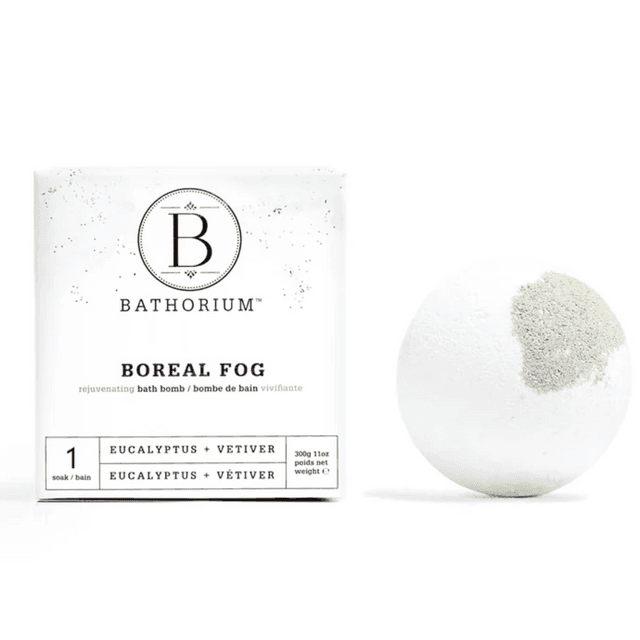 Boreal Fog Bath Bomb | BathoriumLive Love Spa · $11.00
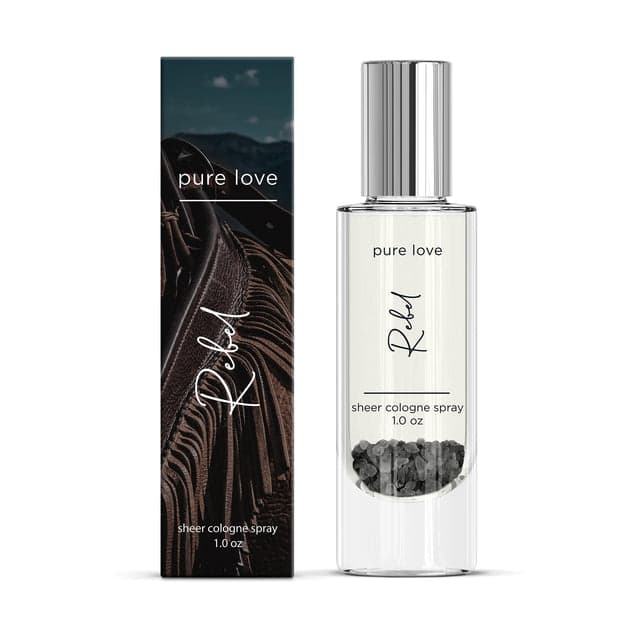 Rebel Sheer Cologne Spray TesterPure Love Essences · $60.00
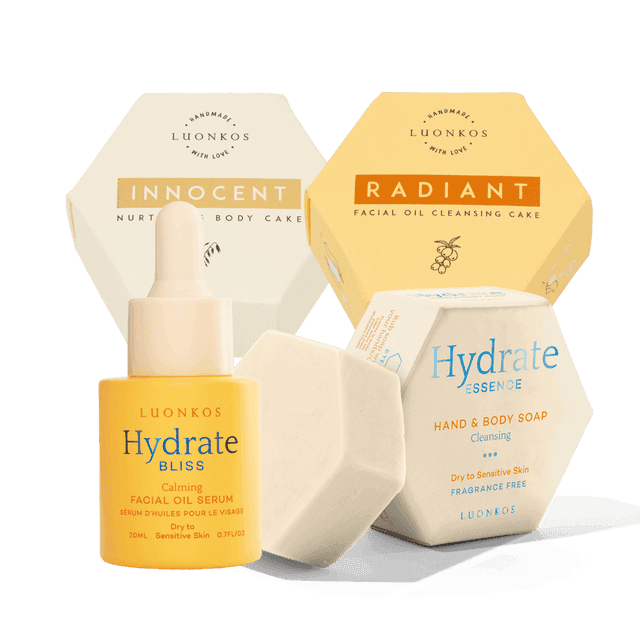 Hydrate Gift Set for Sensitive Skin – Face & Body Care RoutineLuonkos · $89.00
Which ingredients and SPF label details matter?
Start with the ingredient list. The sources reviewed point to occlusive and moisturizing ingredients as the main workers, and they flag a short list of irritants to avoid. For sun cover, check the label for broad spectrum and read the active filters. Mineral filters such as zinc oxide and titanium dioxide physically block UV rays, and one guide notes that micronized or nanoparticle versions are less likely to leave a white tint. Chemical filters absorb UV rays and appear under names such as avobenzone, octisalate and homosalate. On the SPF number, the guides differ: one NBC News guide's picks run from SPF 30 to 50, while a Life Pharmacy article recommends an SPF of at least 15 to 30. Higher numbers add more UVB coverage, which mainly guards against sunburn, so choose by how long you will be outside rather than by the highest figure on the tube.
- Occlusive base: petrolatum, white petroleum jelly or beeswax
- Humectants: hyaluronic acid, glycerin, aloe vera or honey
- Emollients: shea butter, coconut oil or dimethicone
- Mineral SPF filter: zinc oxide or titanium dioxide
- Chemical SPF filters: avobenzone, octisalate or homosalate
What to skip, and where the trade-offs sit
The main trade-off is feel against protection. Waxy, occlusive balms form a barrier that suits cold or dry weather, but they can feel heavy on the lips. Lighter, glossy balms feel nicer for everyday wear, but they may offer less barrier. The ingredients worth skipping are mostly the ones that add scent or sting. A BYU article citing American Academy of Dermatology Association lists flags camphor, eucalyptus, fragrance, strong flavourings, lanolin, menthol, phenol and salicylic acid as ones to avoid. Cooling ingredients such as menthol, camphor and phenol can be drying, according to NBC News. Alcohol can dry lips too. Cinnamon or peppermint oil may plump lips but irritate some people. Propolis can irritate sensitive skin. If a balm tingles and you did not want that, it is safe to skip it and pick a plain one.
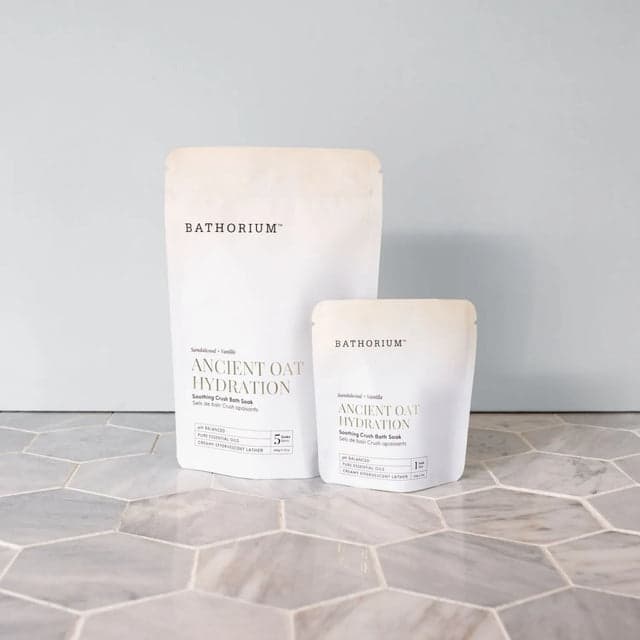 Ancient Oat Hydration Crush 120g/4oz| BathoriumLive Love Spa · $9.00
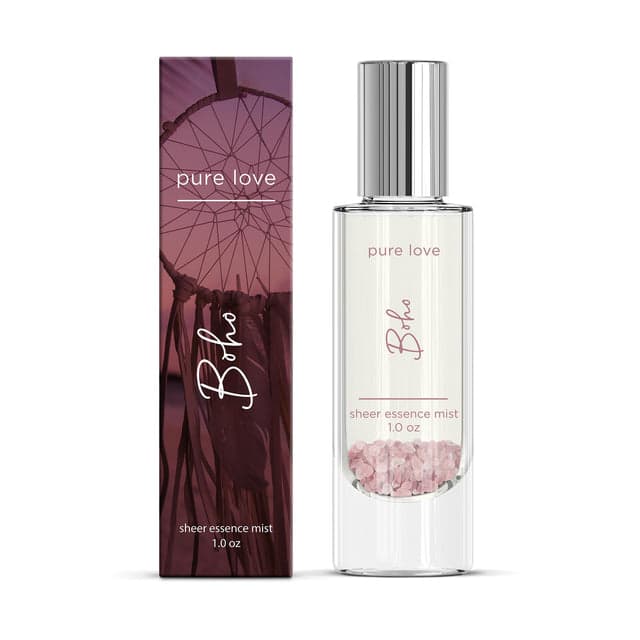 Boho Sheer Essence Mist TesterPure Love Essences · $60.00
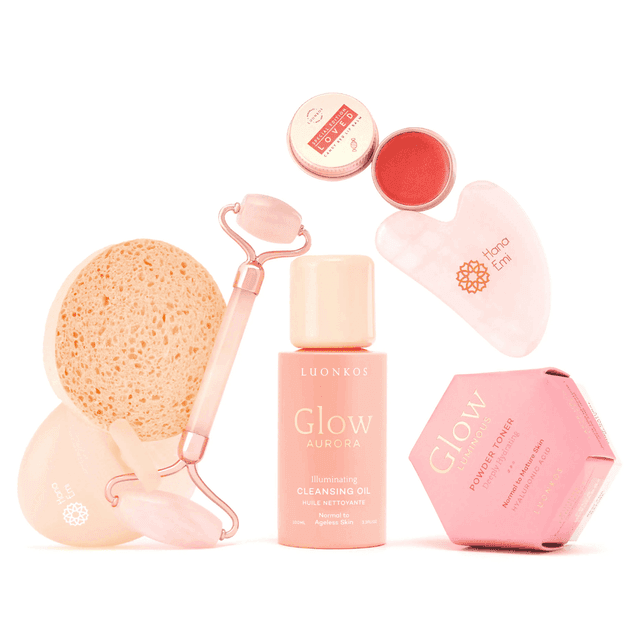 Glow – Gift Set for the Face, Radiance and Brightness for Mature SkinLuonkos · $84.90
How do you pick the right size and format?
For lip balm, sizing mostly means format and how much you will use. Sticks in a tube fit a pocket or bag, while pots suit a desk or bedside, where a fingertip can take a small amount. Think about use: a balm reapplied every hour outdoors will run out faster than one used only at night. The sources reviewed do not give fixed sizes or ounce counts, so compare the stated net weight with your own habits rather than a rule of thumb. Luonkos lists one balm in its range, so check its product page for the weight and format. Pure Love Essences lists four lip balms, and Live Love Spa lists four lip balms and treatments, so comparing the format of those lines is a simple way to narrow choices. Carry a small stick for outings and keep a larger product at home. Keep every balm out of hot cars and sunny windowsills, since heat can melt the product.
Matching the brand to the kind of buyer
Formula matters more than the name, but each shortlist brand suits a different buyer. Live Love Spa suits someone who wants lip care inside a wider skincare routine, since its range also lists masks, serums, moisturizers and oils beside lip balms and treatments. Pure Love Essences suits a buyer who wants a simple lip balm from a line that also includes perfume and hair serum oil. Luonkos suits someone who already likes its oil cleansing cakes and body oil cakes and wants a balm from the same range. A sensitive-lip buyer should look for fragrance-free labels first, while a buyer who spends long days outside should look for broad-spectrum wording. Whichever name you see on the shelf, apply the ingredient and SPF checks from earlier before you buy, and treat the brand as a starting list rather than a verdict.
 Limited Edition Y2K Theragun Mini (3rd Generation) | TherabodyLive Love Spa · $229.99
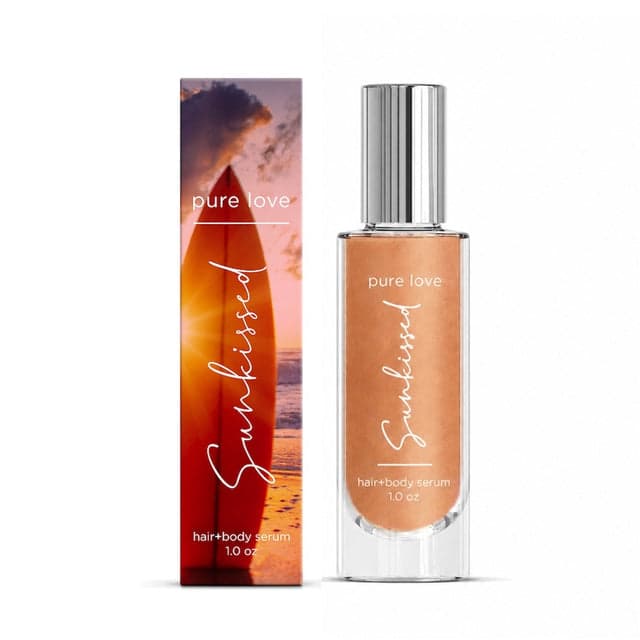 Sunkissed Glow Hair+Body Serum TESTER - LIMITED EDITIONPure Love Essences · $16.00
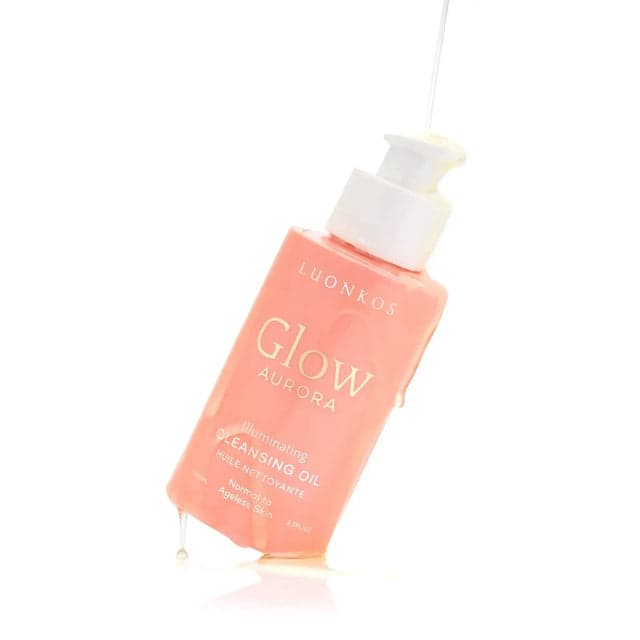 Glow Aurora Cleansing Oil – Rich & Radiant Care for Adult SkinLuonkos · $34.95
Quality and value: good buy versus cheap buy
A good lip balm is judged by its base, its SPF label and how it wears, not by the price alone. The BYU article quotes a skin researcher who looks for a waxy, occlusive texture and a sunscreen, and who says the brand matters less than the formulation. A cheap balm can be a good buy if it has a short, plain ingredient list and a real occlusive base. A pricier one may add cost through scent or packaging without helping dry lips. Across their full catalogues, Live Love Spa runs from USD 11 to 168, Pure Love Essences from USD 2 to 133, and Luonkos from EUR 10 to 85, so a price band alone shows little about quality. Read the full ingredient list of the exact product, check the SPF wording, and buy the one that matches your use, not the one with the most claims on the front.
When do prices drop, and what do codes cover?
The sources reviewed did not give reliable data on when lip balm prices fall, so be cautious about any claim of a best month. What you can control is the comparison. Check the current price, and the unit price where the product page shows one, before you buy. If you use a discount code, read its terms on the retailer's own page. A code may apply only to certain products, may exclude some lines and may have an end date. Live Love Spa, Pure Love Essences and Luonkos each sell products beyond lip balm, so a code may cover a serum or a perfume but not a balm. A code does not change the ingredient check. Buying a larger size can lower the price per use, but only if you will finish it. Set a price you are willing to pay, and wait for it rather than buying on impulse.
Mistakes shoppers make, and how to avoid them
The most common mistake is buying on scent, colour or brand name and skipping the label. A second is treating one SPF balm as all-day cover. The guides reviewed recommend reapplying every two to three hours, and more often if you eat, drink, sweat or swim. A Life Pharmacy article says to apply at least 15 minutes before going into the sun. A third is expecting one balm to do daytime sun care and night repair. Pure Love Essences, Live Love Spa and Luonkos each list lip balms or balms within wider ranges, so use the brand as a starting point and let the label decide. Keep the routine simple: a daytime SPF balm, a richer product at night, and a label check at every reorder. A quick patch test on a small area of skin first is a sensible habit for sensitive people.
- Licking lips after applying a sunscreen balm
- Leaving balm in a hot car, bag or sunny window
- Ignoring alcohol, menthol or strong flavouring when lips sting
- Buying a large tube before testing a small one
- Skipping the label check when reordering the same product
Our top picks

Live Love Spa40% off
Suits buyers who want lip care inside a wider skincare routine, with lip balms and treatments listed beside serums, masks and oils.
Shop Live Love Spa →15 Live Love Spa coupons →
Pure Love Essences40% off
Suits buyers who want a simple lip balm from a line that also includes perfume and hair serum oil, not a full skincare routine.
Shop Pure Love Essences →15 Pure Love Essences coupons →
Luonkos40% off
Suits buyers who already like oil cleansing cakes and body oil cakes and want a balm from the same range, priced EUR 10 to 85.
Shop Luonkos →15 Luonkos coupons →Frequently asked questions
Is petrolatum or beeswax better in a lip balm?
Both appear in the guides reviewed as moisturizing ingredients. Petrolatum is on American Academy of Dermatology lists cited by a BYU article; a Life Pharmacy article names beeswax as a moisturizer. Pick by texture.
Do I need SPF in a lip balm if I stay indoors?
SPF matters most outdoors, where UV exposure is higher. Indoors, a plain moisturizing balm is often enough. Outside, choose broad-spectrum protection and reapply every two to three hours.
How often should I reapply lip balm with SPF?
Sources differ slightly. One says every two to three hours, another every two hours. Both advise more often when swimming, sweating, eating or drinking. Apply at least 15 minutes before going into the sun.