
What's Changed This Season: Why This Matters Now
Urban stroller design has shifted toward carbon fiber and convertible wagon features that handle more terrain than before, while all-terrain models are becoming lighter without sacrificing durability. Parents now expect strollers to work across multiple surfaces rather than excelling at just one. This trend means the old rule—buy a dedicated jogger for trails and a compact model for city—is becoming outdated. Manufacturers are blurring the lines, creating hybrid options that prompt a real reckoning: do you actually need separate strollers, or will one well-chosen model serve your real routes? This season's pricing also reflects that shift, with mid-range options offering features that used to cost significantly more. The investment you make now will likely last through multiple children, so understanding what terrain you actually use most matters more than ever.
How to Choose: The Specs That Actually Matter
Start with wheels, the single most important decision. All-terrain strollers have wheels measuring 12 to 16 inches, typically air-filled pneumatic tires similar to bicycle tires. Urban strollers use smaller wheels, usually 6 to 8 inches, designed for paved surfaces. Larger wheels absorb bumps and roll over grass, gravel, and broken pavement; smaller wheels are lighter and more nimble in tight spaces. Next, examine suspension. All-terrain models feature independent suspension at each wheel, with adjustable dampening for different terrain. Urban strollers have minimal or no suspension because city sidewalks are mostly smooth. Check the front wheel: all-terrain strollers have a swivel front wheel that locks into multiple positions, giving stability at speed or during rough ground. Urban strollers keep the front wheel swiveling for tight turning in crowds. Weight capacity also differs—quality all-terrain strollers support 65 to 75 pounds, accommodating children to age 7 or 8; urban models often max out at 50 pounds. Finally, look at the frame material: premium all-terrain strollers use aluminum for durability without excessive weight, while budget models may use steel, which weighs more and wears less evenly over time.
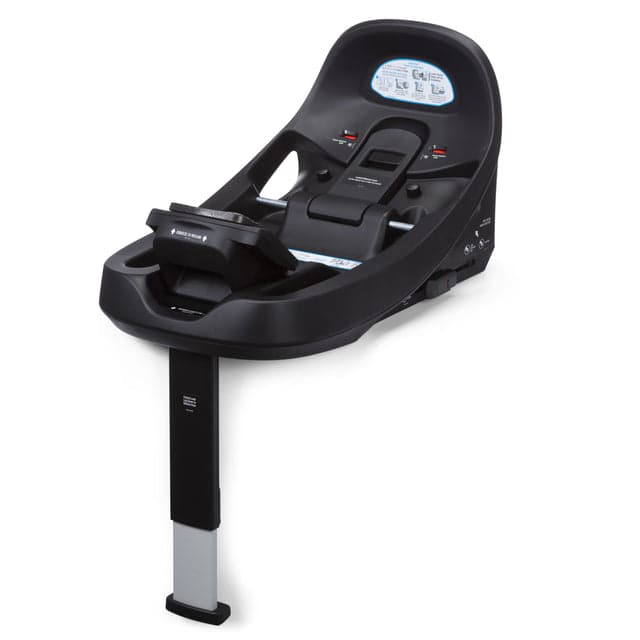 Ambra Infant Car Seat BaseMaxi-Cosi · $179.99
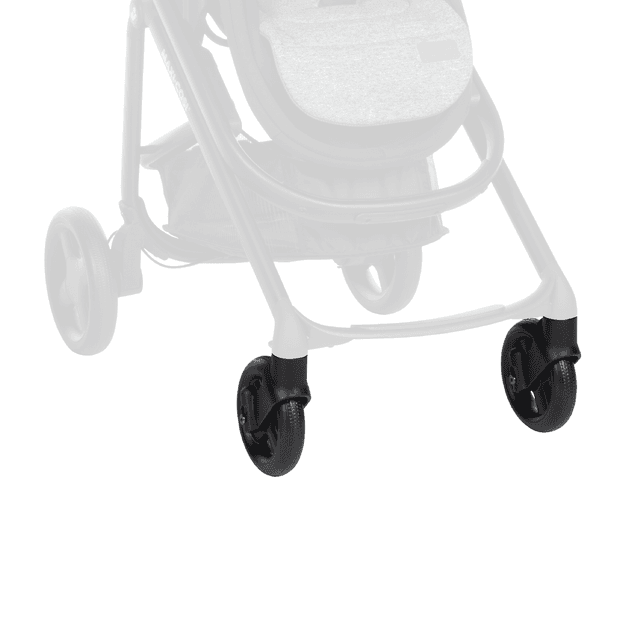 Tayla™ Max Stroller Replacement Front Wheel KitMaxi-Cosi · $29.99
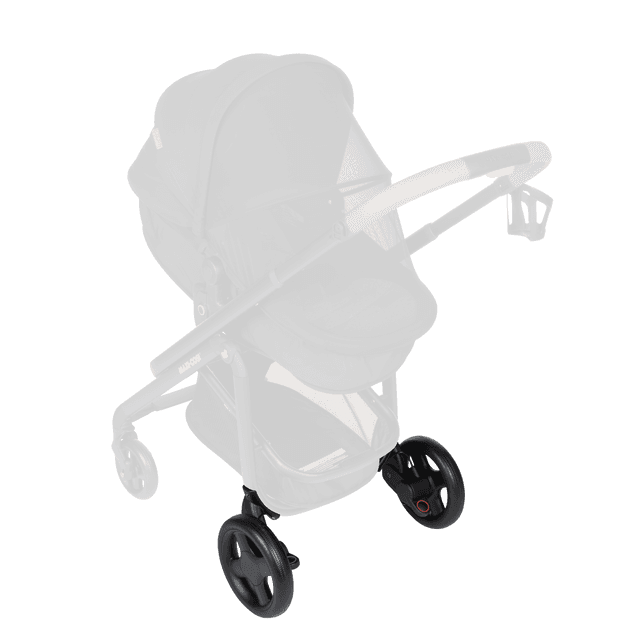 Tayla™ Max Stroller Replacement Rear Wheel KitMaxi-Cosi · $29.99
The Trade-Offs: What You Gain and What You Give Up
All-terrain strollers are heavier, bulkier when folded, and more expensive upfront—typically $600 and up for quality models. They don't fit in standard car trunks as easily, and air-filled tires require monthly pressure checks and occasional repairs from punctures. Urban strollers fold down compact enough for closets and car trunks, weigh under 22 pounds, cost $200 to $500, and demand minimal maintenance. The trade-off: an urban stroller will rattle over broken sidewalks and struggle on trails. An all-terrain stroller gives you a rougher ride on smooth pavement than a specialty urban model would. If your life is 90 percent city sidewalks and 10 percent hiking, buying a full all-terrain stroller wastes money and storage space. If you live near hiking trails and use them monthly, an urban stroller won't protect your child from jolts and will age faster. Suspension systems vary too—more suspension means more cushioning and longer durability, but also added weight and cost. Hand brakes on all-terrain models offer control on downhill slopes; foot brakes on urban strollers work fine on flat terrain. Think honestly about the surfaces you push on weekly, not the occasional adventure you might take.
Who Should Look at What: Brands for Your Lifestyle
Urban dwellers who rely on public transit, carry strollers up stairs, or fold frequently should prioritize a compact, lightweight model under 22 pounds with a standing fold that works one-handed. You'll need reversible seats for flexibility and direct infant car seat compatibility so you don't need extra adapters. Parents living near trails, rural areas, or homes with steep driveways and rough sidewalks should look for all-terrain strollers with 12-inch or larger wheels, lockable front suspension, and a weight capacity above 60 pounds. If your daily route mixes paved sidewalks with occasional rough terrain, a mid-range hybrid—which has larger wheels and some suspension but remains under 30 pounds—might work. Families with older children who need a stroller intermittently should consider all-terrain models, which handle extended weight capacity and last through multiple growth phases. Maxi-Cosi offers travel systems and stroller options that appeal to parents prioritizing compatibility with infant car seats and modular components, allowing you to adapt as your child grows. If you're uncertain whether you need all-terrain capability, start by noting where you actually walk: if it's only paved surfaces within a mile of home, urban design fits; if trails, parks with gravel, or unpaved areas feature regularly in your weekly routine, the larger investment in all-terrain engineering pays back.
Quality and Value: What Separates Good Buys from Cheap Ones
Premium all-terrain strollers employ suspension geometry designed to work under dynamic load—meaning the suspension responds correctly whether your child weighs 20 or 65 pounds and whether you're walking or jogging. Budget all-terrain strollers often have suspension that feels stiff on light loads and fails to absorb rough impacts at higher speeds. Quality aluminum frames flex slightly and distribute stress evenly; steel frames in budget models dent, develop stress cracks near joints, and don't age gracefully. Long-term durability math matters: premium all-terrain strollers cost $700 and last 5+ years through multiple children, averaging $140 per year. Budget all-terrain strollers cost $300 but demand $100-150 yearly in repairs and last 2-3 years with one child, totaling $500-750. Urban stroller quality separates on fold mechanism and seat recline smoothness. A genuine one-handed fold works reliably for years; budget versions seize after months. Fully flat recline from day one matters for newborns; partial recline limits use. Maxi-Cosi stroller components are built modular, letting you replace worn parts—a seat liner, a wheel assembly, a canopy—rather than replacing the entire stroller. That modularity extends value. Wheel material also divides budget from premium: foam-filled tires cost less and need no pressure checks but provide slightly less cushioning; pneumatic air tires perform better but need maintenance. Higher-priced models usually choose better materials for reasons that compound over time.
Getting Sizing and Capacity Right
Stroller sizing isn't about your child's age but about current weight and expected use duration. All-terrain strollers with 65-75 pound capacity serve children roughly through age 8; urban strollers maxing at 50 pounds typically work through age 6. If you plan to use the stroller for a second child or into early school years, buy for the higher capacity even if your first child is small now. Handlebar height matters for parents above 6 feet tall—models with adjustable handles prevent back strain during long walks. Check the folded dimensions against your actual storage: a compact stroller that unfolds to 30 inches wide may not fit down an apartment hallway. Seat recline ranges matter for newborns; some urban strollers don't go fully flat, limiting use for very young infants. Test the canopy coverage and ventilation—mesh panels and adjustable hoods prevent overheating and sun exposure. Storage basket capacity typically ranges from 10 to 30 pounds. If you shop with groceries or diaper bags regularly, measure what you actually carry and ensure the basket fits. Wheel locks and brakes vary: all-terrain strollers need hand brakes for downhill safety; urban strollers rely on foot brakes, which work differently and take practice. Some strollers have one brake type, others two. Try the brake with your shoe and foot shape to confirm it feels intuitive before buying.
How to Save Money: When Prices Drop and What Discounts Cover
Stroller prices drop 20 to 50 percent during seasonal clearance, primarily at the end of summer as retailers clear stock before back-to-school season, and during major sales events like Labor Day and Black Friday. Previous-year models see larger discounts than current ones. Stroller sales usually include matching accessories—rain shields, parent organizers, cup holders, snack trays, and diaper bags—bundled at no extra cost, which represent real value if you need them. Discount codes and coupons rarely exceed 15 to 20 percent for current models and don't typically apply to already-discounted or clearance stock. Buy the previous year's design if the feature set meets your needs; new-year releases rarely justify the price premium for stroller features. Maxi-Cosi strollers and travel systems sometimes appear in broader baby gear sales, bundled with car seats at combined discounts. Scratch-and-dent sales at authorized retailers offer full warranties on strollers with cosmetic flaws—dents or scuffs that don't affect function. Outlet stores sometimes carry overstock at 30-40 percent off. Subscribe to retailer emails if a store carries the model you want; they notify subscribers of flash sales before general advertising. Avoid buying during spring or early summer, when prices peak before the travel season. Baby expos and trade shows occasionally feature exclusive show-floor discounts, though selection is limited.
Where People Go Wrong Comparing Strollers
The most common error is comparing strollers by weight alone, ignoring how that weight is distributed and what it buys. A 28-pound all-terrain stroller with suspension and 75-pound capacity outperforms a 20-pound lightweight model for rough terrain, even though it weighs more. The lightweight model is better for stairs, not universally better. Second mistake: focusing on aesthetics and design over function. A stroller that looks premium but has a stiff fold, weak brakes, or poor canopy coverage creates friction every single day. Third: buying based on an occasional use case rather than weekly reality. If you hike once a year but use sidewalks daily, prioritizing all-terrain features wastes money and comfort. Fourth: assuming one stroller does everything. Families often try to buy a single stroller that works for jogging, hiking, city errands, and newborn transport—and end up with a compromised model that doesn't excel at any. A travel system stroller for daily urban use plus a lightweight jogger for occasional runs often costs less than one premium model and works better for both purposes. Fifth: ignoring suspension quality. Air-filled tires alone don't equal suspension; a stroller needs frame geometry, shock absorbers, and wheel articulation working together. Sixth: not testing the brake and fold in person. Brakes feel different to different feet, and what seems easy in a showroom might feel awkward daily. Seventh: overlooking seat recline and newborn compatibility. Many urban strollers don't recline flat, limiting first-year use. Finally, families sometimes assume weight capacity is theoretical—it isn't. Exceeding a stroller's maximum supported load causes frame stress and premature failure.
Mistakes Shoppers Make and How to Avoid Them
Mistake one: buying without measuring your actual storage. A stroller that folds to 25 inches wide won't fit if your closet is 24 inches. Measure first, then filter options. Mistake two: not testing the fold yourself. Watch video reviews showing the fold process, and if possible, practice it in a store with the actual model. A fold that seems intuitive to a salesperson might be fumbling for you on a crowded sidewalk while holding a baby. Mistake three: choosing without thinking about your next child or extended use. Buy one size up in weight capacity if you're not certain you're done having children—it costs slightly more now and saves money later. Mistake four: trusting only online reviews without checking the date and the reviewer's actual lifestyle. A five-star review from someone with a flat urban apartment is less relevant if you live on a rural road. Match reviewer circumstances to yours. Mistake five: forgetting to check infant car seat compatibility before buying. If you use rideshare or taxis often, incompatibility will frustrate you daily. Verify the adapter or direct fit works with your exact car seat model. Mistake six: assuming manual brake locks will be good enough for your terrain. If you live on hills, test hand brakes in person; foot brakes don't work on slopes and won't keep the stroller from rolling when you're not pushing. Mistake seven: overlooking the canopy. A stroller with poor sun coverage and no ventilation is miserable in summer and limits outdoor time. Mistake eight: ignoring weight in your own daily life. If you're short or have shoulder issues, a 28-pound stroller feels heavier than it sounds. Try carrying one before deciding. Finally, mistake nine: buying based on trends or brand prestige rather than your honest terrain. The right stroller is the one that suits your actual life, not your aspirational life.
Our top picks

Maxi-Cosi65% off
Offers modular stroller and travel systems with replaceable components, ideal for parents prioritizing compatibility with infant car seats and extended durability across multiple children.
Shop Maxi-Cosi →32 Maxi-Cosi coupons →Frequently asked questions
Do all-terrain strollers work on city sidewalks?
Yes, but they deliver a stiffer ride than urban strollers designed for smooth pavement. All-terrain strollers are heavier and bulkier to fold. Use one if trails are part of your weekly routine; otherwise, an urban stroller offers better maneuverability and storage efficiency.
How do I know if I need suspension?
If your daily routes include broken sidewalks, gravel, or grass regularly, suspension is essential and prevents long-term joint strain. If you walk mostly on paved urban streets, minimal suspension is adequate. Suspension adds weight and cost but smooths rough terrain noticeably.
Can I use one stroller for everything?
A hybrid stroller with mid-range wheels and some suspension works adequately for most surfaces but doesn't excel at any. If your life is 90% one type of surface (city or trails), a specialized model fits better. Many families benefit from a light urban stroller plus a separate jogger or all-terrain model.
- https://www.babybargains.com/best-all-terrain-stroller/
- https://www.bambibaby.com/blogs/learning-center/best-strollers-for-city-living
- https://stroller360.com/best-all-terrain-stroller-expert-guide/
- https://kidoneo.com/when-do-strollers-go-on-sale/
- https://www.lucieslist.com/guides/buying-stroller-ultimate-guide/best-city-strollers/
- https://www.thebump.com/a/best-travel-stroller