
Two approaches: portable folding versus permanent wooden
A portable play yard folds flat, carries in a bag, and sets up in minutes—ideal for travel to grandparents' homes or weekend trips. A stationary playpen, often wooden or metal-framed, sits in one location, takes up real floor space, and stays there between uses. Portable models weigh 12–16 pounds and typically measure 36×36 or 50×50 inches when set up. Stationary playpens run larger, often 47–60+ inches, and offer a permanent play zone in your living room or nursery. Portable versions feel thinner underfoot; stationary models have more substantial padding. Both serve the same safety purpose: a contained, supervised play space. The choice depends on your lifestyle. Families who travel frequently or live in small spaces prefer portable yards. Those with dedicated nurseries or playrooms often invest in a stationary setup they'll use every day for months.
The key difference: comfort and play space
Comfort is where these two diverge most. Stationary playpens come with a padded floor, taller mesh or fabric sides (typically 20–24 inches high), and room for a baby to crawl, roll, and later toddle around freely. Some stationary models include bassinet attachments for newborns or activity centers. The extra space means less boredom and fewer climbs toward the edge. Portable play yards have a thinner floor pad—usually a basic foam layer that can bunch up—and a less plush feel. They work fine for a one-hour window while you shower or prepare dinner, or an overnight at grandma's. But as an all-day, every-day setup, they feel cramped and less comfortable for extended play. Kids spend less time happily playing and more time asking to get out. If your baby will spend 4+ hours daily in the space, a stationary model makes a real difference in how much independent play happens.
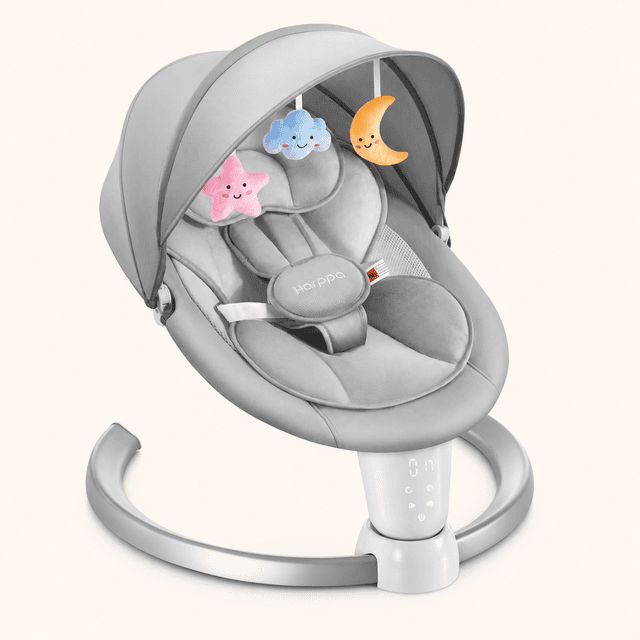 Weddell SwingHARPPA · $139.99
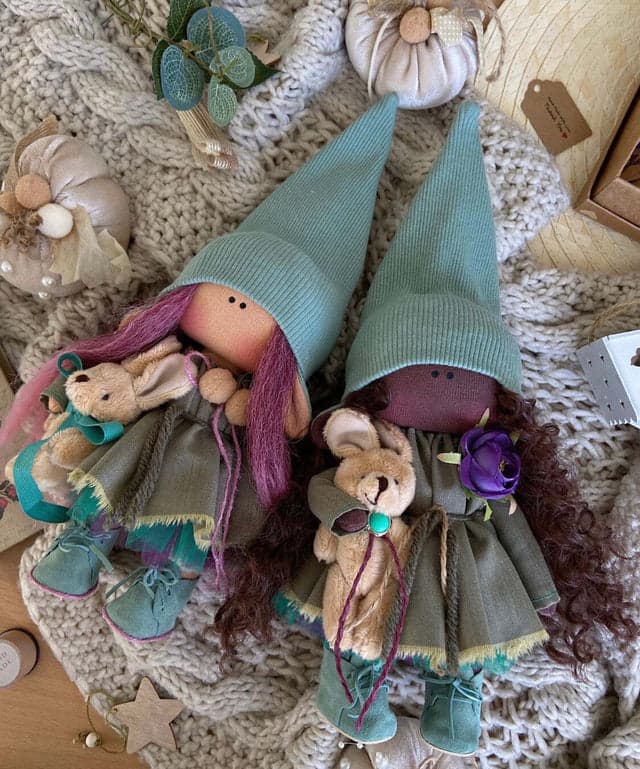 Woodland Fairy Doll ElviaPoppyBabyCo · $125.00
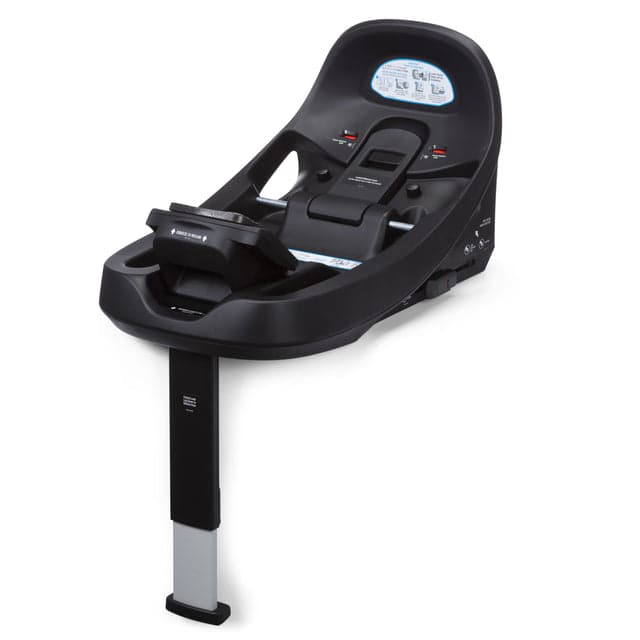 Ambra Infant Car Seat BaseMaxi-Cosi · $179.99
Running costs and maintenance differ significantly
Both types are low-cost once purchased, but maintenance expectations differ. Portable play yards cost less upfront—typically $50–150—but wear faster. The fabric and mesh can tear, the fold mechanism weakens, and the thin mattress flattens. Stationary wooden or metal-frame models cost more initially ($150–400+) but last longer and hold resale value better. HARPPA wooden playpens are GREENGUARD Gold certified and built from New Zealand pine, meaning they're non-toxic and age well. Cleaning is the main upkeep for both: wipe down with a damp cloth and mild soap. Wooden models need occasional checks for splinters or loose joints. Mesh models need regular inspection for small tears that widen over time. Neither type requires special chemicals or ongoing costs. However, a portable yard used heavily for two years may need replacement, while a stationary wooden pen can serve a second or third child. Over a decade of family use, stationary models often cost less per year.
Space and setup: instant versus committed
Setup time is a defining difference. Portable play yards unfold in 2–3 minutes; you lock four corners, maybe check one latch, and you're done. They fold away in a nursery closet, under a staircase, or in a car trunk. This flexibility means you can move it from kitchen to bedroom to living room as needed. Stationary playpens take 20–30 minutes to assemble, require a Phillips screwdriver, and permanent floor space. Once positioned, you're not moving it. For small apartments or homes without a dedicated playroom, a portable yard makes sense—you get a play space when needed, hide it when not. For a family with a spare corner in a living room or nursery that will be a play zone for 18–24 months, a stationary model works. HARPPA playpens come in multiple sizes, from 47×62 inches to 60×71 inches, so you can choose based on your floor space. The trade-off is clear: portability versus permanence. Neither is wrong; it depends on your home and lifestyle.
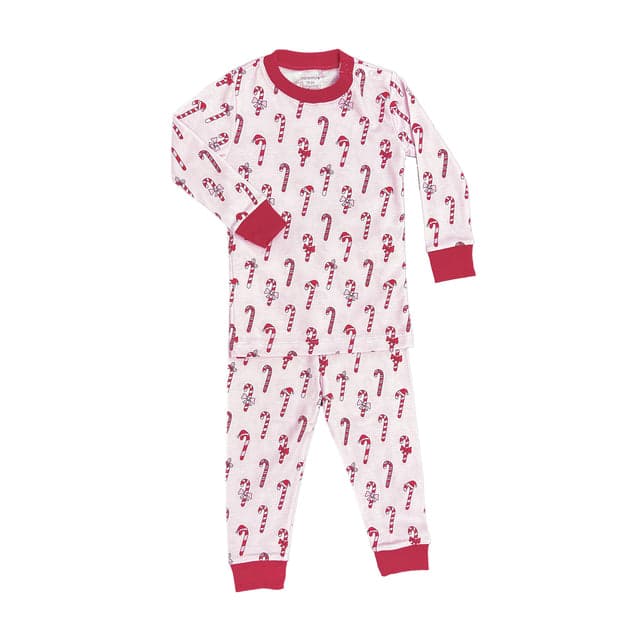 Candy Canes Long Sleeve Pajama Set in PinkNoomie · $36.55
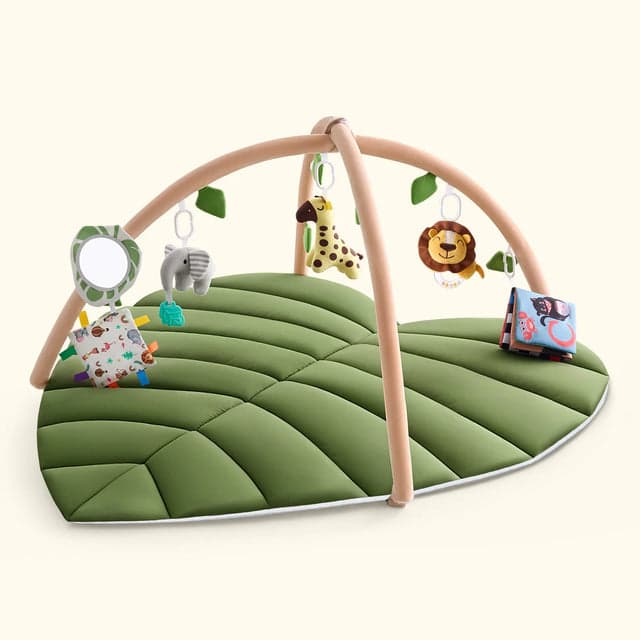 Folia Play GymHARPPA · $69.99
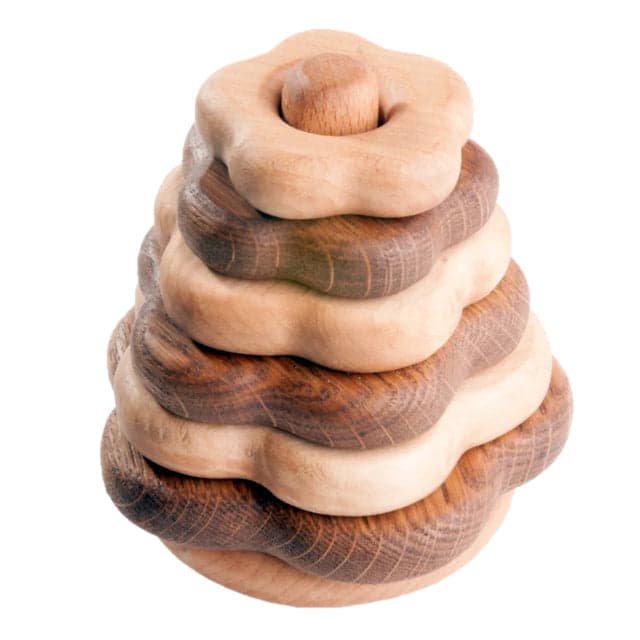 Wooden stacking toy in flower shape from 2 types of woodPoppyBabyCo · $42.00
Choose portable if: frequent travel or tiny spaces
Portable play yards suit families who move between locations weekly, travel for work, or live in apartments where every square foot matters. If you visit grandparents monthly, stay with family regularly, or take vacation trips, a portable model earns its place in your car. They also work for parents with very small homes or studios who can't dedicate a corner to a permanent enclosure. The lightweight design and carry bag mean one person can set it up alone. If your baby sleeps in a portable crib and you want matching furniture, portable play yards fit the mobile lifestyle. Families who use childcare two days a week and want something to leave at a sitter's house sometimes buy two portable yards—one at home, one at childcare—since they're affordable. The main drawback is comfort over long hours; if your playpen sits idle most days, a portable model makes perfect sense. This option is practical if you rarely use it for more than two-hour stretches at home.
Choose stationary if: daily use and space available
Stationary playpens suit families with a permanent room in their home dedicated to the play zone. If your baby will spend 3+ hours daily in a playpen—while you work from home, make meals, or focus on an older child—a stationary model pays dividends in durability and comfort. Wooden stationary options like those from HARPPA appeal to parents seeking non-toxic, attractive furniture that lives in a main living space. These don't look like plastic equipment; they blend into a room's décor and often resell well on secondhand markets. Choose stationary if you have a second child on the way and plan to use the same pen for both. The solid construction handles 18–24 months of heavy use better than portable models. Stationary playpens are also safer for babies who are climbers; the taller sides and solid frame resist tipping when a child leans or pulls. If you value aesthetics and want a pen that doesn't feel like temporary gear, stationary is the call.
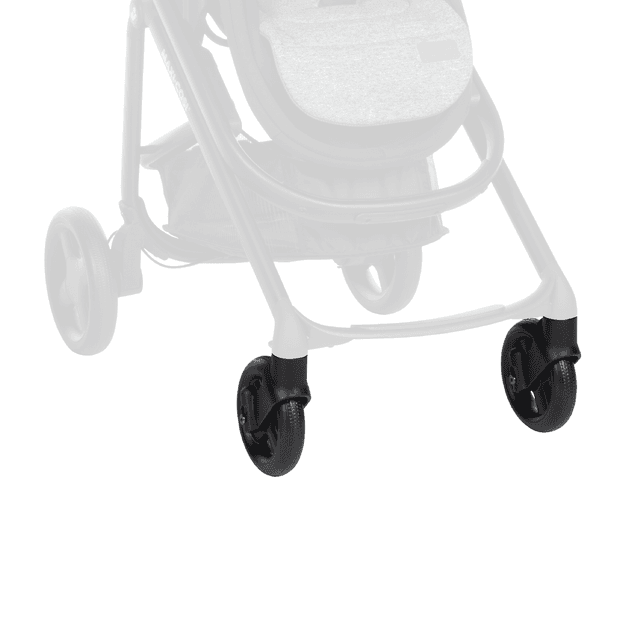 Tayla™ Max Stroller Replacement Front Wheel KitMaxi-Cosi · $29.99
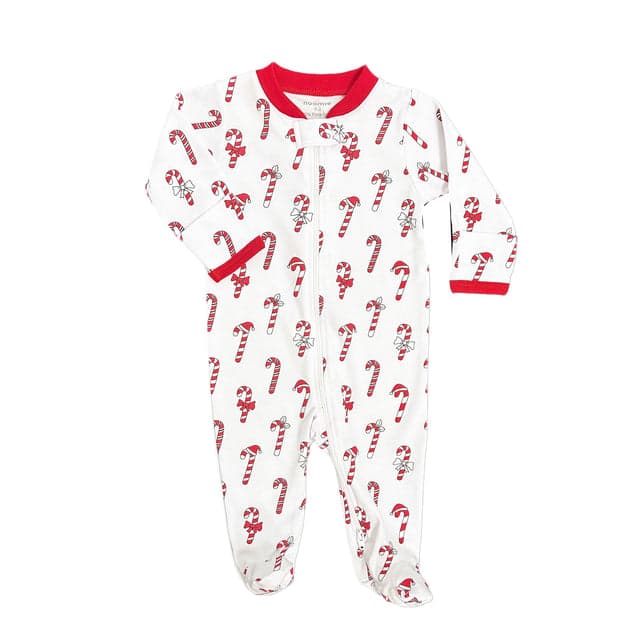 Candy Canes Zipper FootieNoomie · $36.55
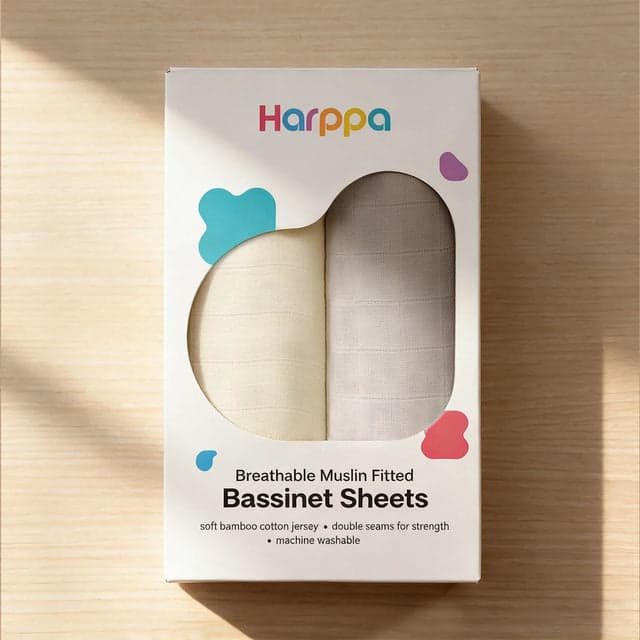 Bassinet Sheets 2 PackHARPPA · $39.99
The case for owning both, and when it's overkill
Owning both a stationary pen for home and a portable one for travel is practical for some families but not necessary for most. Buy both if: you travel monthly and your home pen gets constant daily use. Skip it if: you travel rarely, live in a small space, or use a portable crib for travel instead. The risk of buying both is that the portable yard sits unused and becomes a regret purchase. Stationary pens and portable yards serve different lives; one is not a backup for the other. Many families buy a portable yard thinking they'll use it daily at home, realize the thin floor and cramped feeling frustrate them, and end up buying a stationary pen anyway. Spending $50 to $150 twice over is wasteful. A smarter path: start with a stationary model if you have the space and expect daily use. Add a portable yard later only if you discover you genuinely travel enough to justify it. For single-child families or those with just occasional travel, one stationary pen covers nearly all needs.
Saving money: when and how to buy
Baby playpen prices drop most during Black Friday and Cyber Monday, typically 15–30% off. Amazon and Target run clearance sales on older playpen models in July and August. Email sign-ups at major retailers sometimes yield 10–15% codes. Second-hand markets (Facebook Marketplace, Craigslist, local Buy/Sell groups) sell stationary wooden pens at 40–60% of retail if they're in good condition. Before buying used, inspect for loose joints, stains, or damage to the frame. Many retailers offer free shipping on orders over $75, so bundling a playpen with other nursery items can save on delivery costs. Wooden stationary models like HARPPA hold value better than plastic or portable versions, so if you buy new and resell 18 months later, you'll recover 50–70% of your cost. Plastic or mesh portable models depreciate faster. Timing matters: buy in January after holiday sales end, or July during summer clearance. Avoid buying mid-season (March–May) when prices are full retail.
Common mistakes to avoid when choosing
The biggest mistake is buying based on price alone instead of your actual lifestyle. A parent in a one-bedroom apartment might spend $100 on a stationary pen they can't fit, then resell it at a loss. Conversely, a family with a playroom who buys a $50 portable yard quickly regrets the thin floor and cramped space. Second, choosing the wrong size: playpens that are too small bore toddlers and restrict movement; oversized ones don't fit your space. Check your available floor space before ordering. Third, overstuffing with toys. Parents add ten toys, thick blankets, and pillows thinking it'll entertain longer—but babies get overstimulated, play with none of it, and cry to get out. Keep it minimal: a few soft toys, no blankets, no large items they can climb. Fourth, ignoring assembly instructions or skipping safety checks. Foldable portable yards sometimes fail because one latch wasn't fully engaged. Fifth, using a playpen as a sleep substitute. They're supervised play spaces, not overnight beds; the thin mattresses lack crib-level safety testing. Parents sometimes leave babies in playpens for hours unsupervised, which defeats the purpose of contained safety. Use playpens for active parental supervision during play or while you're working in the next room, not as a locked-in substitute for childcare.
Our top picks

HARPPA80% off
Wooden stationary playpens GREENGUARD Gold certified, made from New Zealand pine, sized 47–71 inches, built for daily use and resale value.
Shop HARPPA →15 HARPPA coupons →
PoppyBabyCo40% off
Handmade wooden toys and safe organic baby play items from Europe, complementing stationary pens for minimal-clutter, non-toxic play spaces.
Shop PoppyBabyCo →15 PoppyBabyCo coupons →
Maxi-Cosi65% off
Travel systems and stroller brand offering portable, lightweight solutions for families who need flexible, multi-room baby containment.
Shop Maxi-Cosi →32 Maxi-Cosi coupons →
Noomie90% off
Baby sleepwear and accessories brand for parents creating cozy, safe nursery environments alongside their play and rest furniture.
Shop Noomie →19 Noomie coupons →Frequently asked questions
Is a playpen safe for overnight sleep?
No. Playpens are designed for supervised daytime play, not unsupervised sleep. Their thin mattresses lack the rigorous safety testing of cribs. For safe sleep, use a crib, bassinet, or pack-and-play designated for sleep.
At what age can a baby use a playpen?
Newborns (2+ months) can use stationary pens with bassinet attachments. From 5–6 months, most babies can safely play in mesh or wooden pens. Once they pull to stand (9–12 months), ensure sides are 20+ inches high to prevent climbing out.
Can you use a portable playpen daily at home?
Yes, but expect lower comfort and durability. Portable yards work for 1–2 hour sessions. Beyond that, a stationary model's thicker padding and taller sides provide better comfort and safety for extended play and reduce frustration.
- https://findingdulcinea.com/best-playpens
- https://www.scarymommy.com/parenting/play-yard-toddler
- https://kidstation.in/blogs/blog-posts/common-playpen-safety-mistakes-parents-should-avoid
- https://kianao.com/en-us/blogs/magazine/brutally-honest-playpen-guide
- https://monkeymum.com/blogs/poradce/how-to-choose-a-safe-playpen-for-your-baby-a-complete-guide