
Why floating vanities matter this season
Floating vanities are 2026's single biggest bathroom furniture trend, with industry growth outpacing traditional freestanding models. Wall-mounted design creates the illusion of more floor space by keeping the area beneath visible, which matters most in compact bathrooms where every inch counts. This shift isn't just aesthetic: buyers have learned that the psychological effect of visible floor area makes even a tiny bathroom feel more open and functional. Light wood finishes—especially white oak and natural oak—are replacing heavy dark tones, warming the space without visually crowding it. Curved edges and sculptural forms are replacing boxy designs. For small spaces, a slimmer 18-inch-deep vanity improves walking clearance and daily usability compared to standard 21-inch depths. Whether you're renovating a powder room or a master bath, floating design has become the safe, modern choice.
The specs that actually matter for narrow spaces
Width, depth and height are your starting point. A vanity measuring 24 to 30 inches wide fits a single sink in tight quarters. Standard depth runs 18 to 23 inches; narrow-depth options at 16 to 18 inches save space but reduce counter and storage area. Standard height sits at 30 to 36 inches, with 34 to 36 inches (comfort height) easier on taller users. For most compact bathrooms, a 24-inch-wide, 18-inch-deep, 32-inch-tall setup works well. Pedestal sinks offer no storage, while a wall-mounted vanity gives you drawers and cabinet space without the footprint of a freestanding model. The wall itself matters: floating vanities need solid attachment into wall studs (or blocking between studs if studs don't align with where you want to mount). Materials vary widely—solid hardwood, plywood, MDF and particleboard each behave differently in humid air. Elecwish and other brands offer mid-range options combining decent durability with accessible pricing, usually in the $150 to $300 range for compact single-sink units.
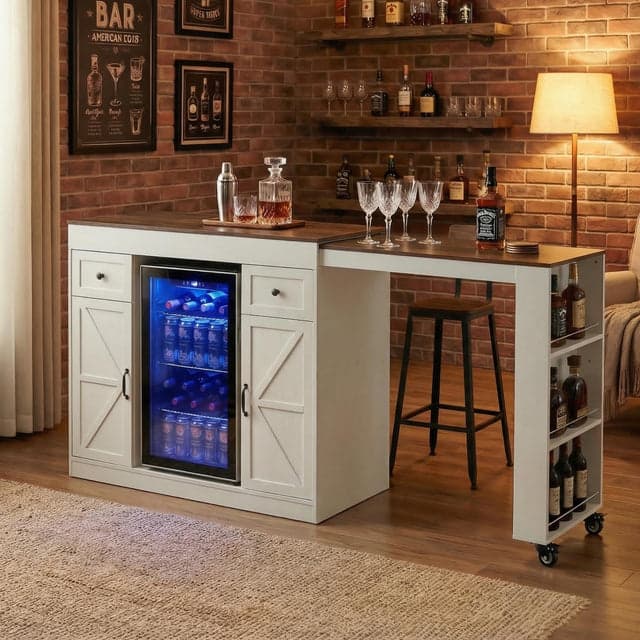 Coffee Bar Cabinet with Fridge Storage Space, Extendable &Black | Large Mini Fridge Cabinet with Pull-out Table, Sideboard Buffet with Drawers, Snack Bar CabineElecwish · $269.99
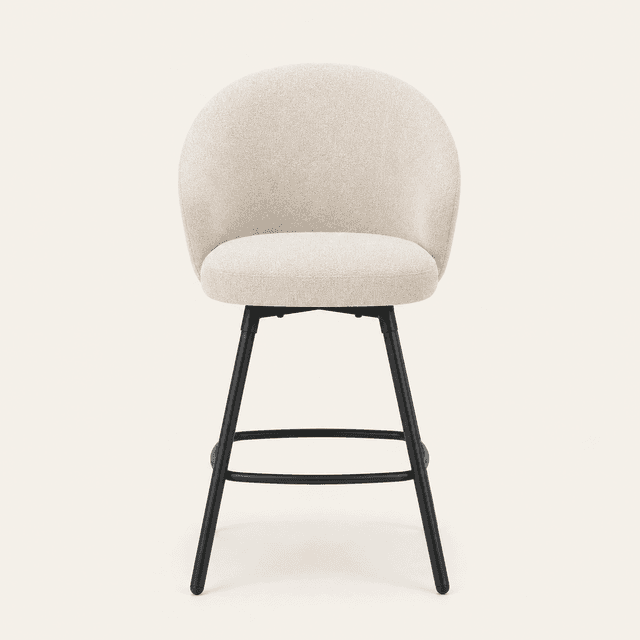 Sebastian Upholstered Swivel Counter Stool | Set of 2Archiology · $226.99
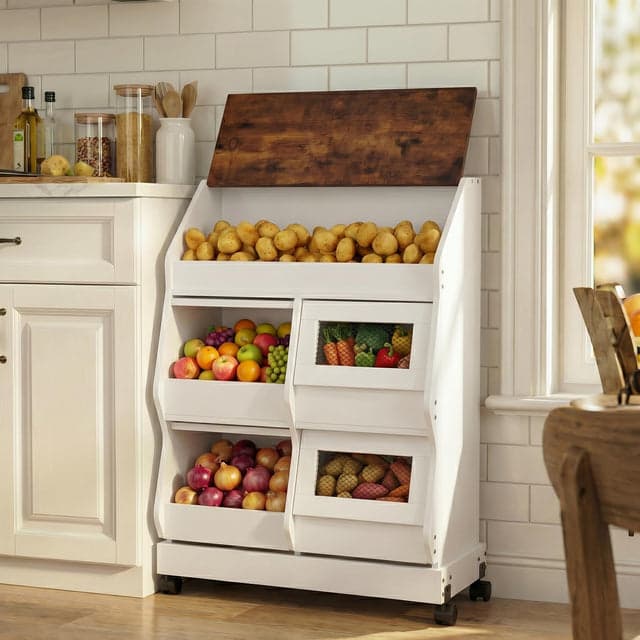 Potato and Onion Storage Bin Large Bread Box on Wheels for Pantry, 3 Tier Bread Container Holder with Lid & Grocery Section, Ventilation Mesh, Vegetable OrganizElecwish · $229.99
Trade-offs: what to keep, what to skip
Storage and open floor space pull in opposite directions. A pedestal sink keeps the room visually light but forces you to store towels, brushes and toiletries elsewhere. A vanity with drawers solves that but costs more and requires wall strength to float, or floor space if freestanding. Solid hardwood offers longevity but costs $300 and up; MDF and plywood swell and warp in humidity over time and cost less upfront. Matte and soft finishes hide water spots better than glossy ones but show dust more easily. Vessel sinks (bowls sitting on top of the vanity) look modern but splash water and require more counter wiping; traditional undermount sinks are easier to clean. Wide vanities feel open but leave less walking space. Narrow vanities limit counter real estate and storage. Lighting and mirrors are separate costs but essential; a vanity without proper overhead light feels cramped no matter the size. Skip ornate details and glass shelves in small bathrooms—they trap dust and visually busy a tight space. Elecwish offers basic, functional designs without unnecessary ornamentation, letting the space breathe instead. Budget $500 to $1,000 total for a compact vanity, sink, faucet and installation if you hire help; $150 to $400 if you source it yourself and install it.
Which brands fit which kinds of buyers
Budget-conscious shoppers aiming for $150 to $250 should look at Elecwish, which offers compact bathroom vanities in the lower price range without sacrificing cabinet structure. Buyers who prioritize lighting and matching fixtures with mirror-and-vanity combos should consider Archiology, which specializes in bathroom vanity lights ($77 to $220) that pair with vanity units. Elecwish sells vessel sinks alongside vanities, so if you want a coordinated modern look with a bowl sink and clean-line cabinet, they bundle options. Homeowners prioritizing wood finishes and natural tones will find oak and walnut options across multiple brands, though availability varies by supplier. Those installing floating vanities themselves need detailed product specs and mounting hardware—check product photos and manuals before ordering. Buyers in very tight quarters (under 24 inches wide) should verify depth, height and drawer pull dimensions carefully, as even one extra inch can matter. Archiology's vanity lights range from $77 to $220, making them accessible for adding proper mirror lighting alongside any vanity purchase. Elecwish units typically come with basic faucets and sink choices, simplifying decisions for first-time buyers.
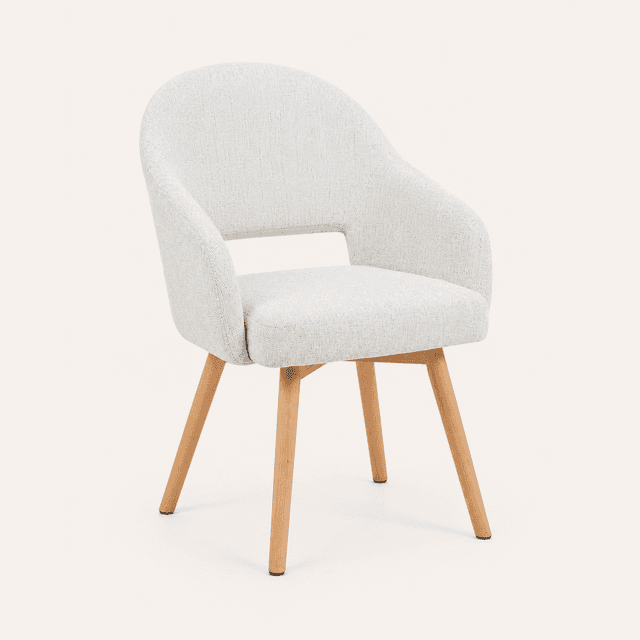 Lirwood Modern Upholstered Dining Chair|Set of 2Archiology · $216.90
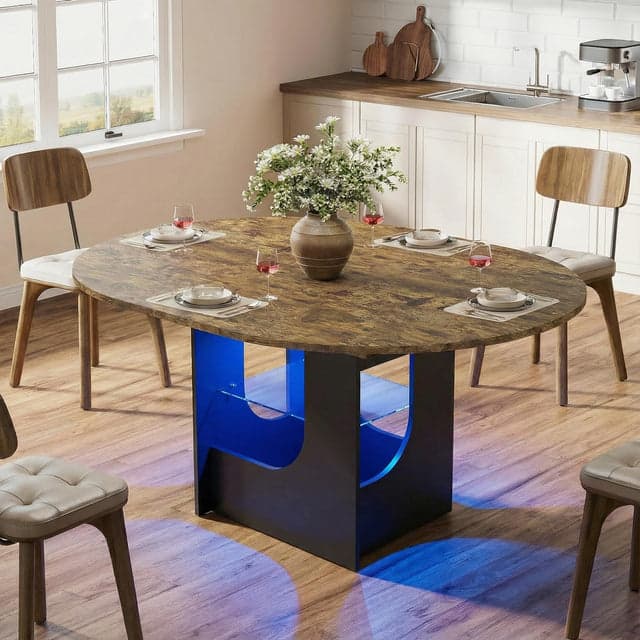 Extendable Dining Room Table for 4-8 with Lights | Oval & Round Variable, Modern Table with Hidden Leaf, Glass Storage Shelf for Kitchen Living Room, RusticElecwish · $219.99
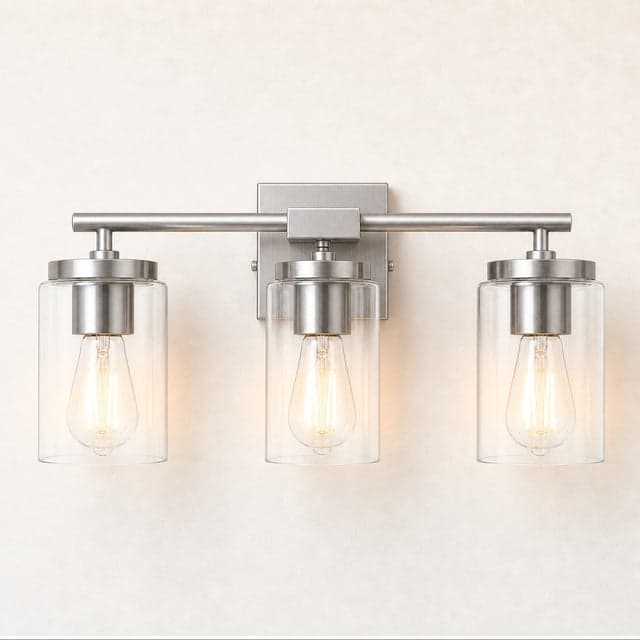 MERIDIAN Bathroom Vanity Light - 3-Light — Splash-Safe Bathroom Mirror LightingArchiology · $129.99
Quality versus price: where the gap shows
Particleboard and MDF swelling in humid air is not speculation—it's documented across reviews and product returns. Solid hardwood or high-grade plywood holds up better and justifies a higher price. Cheap hinges fail within months; mid-range soft-close mechanisms cost more but last years longer. The difference between a $150 vanity and a $400 one often lies in cabinet material, hinge quality and finish durability. Thin particle board with flimsy hinges shows wear fast. A good compact vanity uses real wood veneer, solid wood frame and quality hardware. Elecwish vanities sit in the mid-range—you're not paying for designer branding, just functional construction. Sinks that crack or stain within months are signs of cheap glazing or weak ceramic. Faucets from unknown brands drip and corrode. You don't need to spend $800 to get a reliable small vanity; expect to spend $250 to $400 for one that won't deteriorate in three years. Read reviews specifically mentioning durability and moisture resistance, not just appearance. Brands that show construction close-ups and material specs in listings tend to back their claims more reliably. Archiology focuses on lighting, so if you're buying a vanity plus lights, look at their fixtures ($100 to $200) for reliable mirror illumination rather than cheap stick-on LEDs.
Measuring and fitting it into your actual bathroom
Measure twice, measure again. Width is the obvious one—count how many inches you actually have between the wall and the opposite edge of any fixtures. Depth matters more than buyers expect: an 18-inch-deep vanity leaves just 14 inches of walking space if your bathroom is 32 inches wide. For single-sink vanities, minimum 18 inches of clear space is required. Height is personal—if you're tall, a 36-inch comfort height beats a cramped 30-inch standard. Mark the wall at eye level for mirror height while standing; your vanity's height should land about 5 inches below that. For floating vanities, find the wall studs or plan blocking before ordering. A 24-inch-wide, 18-inch-deep vanity fits a bathroom as tight as 30 to 36 inches wide with some room to spare. Draw a scale diagram or take smartphone measurements of width, depth and wall-stud locations before shopping. Take photos from multiple angles showing obstructions like water lines, vents and electrical outlets. Vanities ship in two to four weeks; installation issues discovered after delivery are expensive to fix. Elecwish products include dimension specs in listings, so verify those against your measurements. If walls are uneven or plaster is crumbling, plan a small repair budget. Test-fit cardboard mock-ups the size of your vanity if possible—it sounds extreme but catches surprises early.
Timing promotions and understanding what discounts cover
Bathroom vanity prices drop during Cyber Monday and Black Friday, typically offering 15 to 20 percent off full-price stock. Retailers release new coupons every 30 to 40 days; clearance sections often offer deeper savings than percentage-off codes applied to full price. Discount codes rarely cover faucets, sink bowls or mirrors—they apply to the cabinet base only. A $300 vanity at 15 percent off saves $45; that's real but doesn't cover install labor if you hire help. Shipping costs are separate, often $50 to $100 for a large piece. Assembly is sometimes free if you order over a certain amount; sometimes it's extra. Tax and shipping are rarely included in promotional prices, so factor those in. Watch for flash sales during Spring (March–April) and Summer (June–July) when bathroom renovations spike. End-of-season clearance (August–September) clears 2025 styles to make room for 2026 designs. Elecwish and similar mid-market brands participate in seasonal sales but less aggressively than big-box retailers. Subscribe to brand newsletters for code-only offers. Read the fine print: some coupons exclude lighting, vessel sinks or custom colors—exactly what you might need. A 15 percent discount is solid; 25 percent or more usually signals aging stock or a brand clearing inventory.
Common comparison mistakes to avoid
Choosing by appearance first, then discovering the size doesn't fit, is the number-one regret. Photos online don't show scale and proportion in your specific bathroom lighting. A vanity that looks sleek in a showroom might feel cramped once installed. Ignoring storage needs comes second—floating vanities look beautiful but may not offer drawer depth or shelf count your household actually needs. Comparing only on price per vanity units sold misses material quality entirely. A $150 MDF vanity and a $250 hardwood vanity aren't the same purchase, even if both are 'compact.' Overlooking wall preparation is costly: floating vanities mounted to weak walls or drywall without blocking will sag, leak and require professional remounting. Mismatching sink type and vanity style creates functional problems: a vessel bowl (which splashes and perches high) on a tiny vanity leaves barely any usable counter. Standard undermount sinks paired with compact vanities make more sense. Forgetting that countertop material (granite, quartz, laminate) affects your total budget and delivery time. Assuming all 24-inch vanities are the same—depth, height and drawer count vary wildly. One brand's 24-inch model might be 16 inches deep with two drawers; another's might be 21 inches deep with four. Write down the exact dimensions and configuration before comparing prices. Elecwish lists these specs clearly, so use their detail pages as your reference.
Mistakes that cost money and frustration later
Selecting low-quality materials for a humid bathroom is the biggest long-term mistake. MDF and particleboard cabinet bodies warp and sag as moisture seeps in daily. Within two to three years, drawers stick, doors misalign and the finish looks worn. Solid wood or quality plywood costs more but avoids this problem. Not securing a floating vanity into actual studs will cause sagging and leaks that destroy the wall below. Cheap hinges fail; buy soft-close if you can afford $30 to $50 extra—they last. Choosing a vanity too large or too small by guessing rather than measuring forces a return or leaves you with an unsuitable piece. Wrong sink height makes daily use painful for tall or short users. A vessel sink on a narrow vanity is visually awkward and functionally messy—water drips outside the bowl. Forgetting that lighting and mirrors are separate expenses and essential to making a small space feel functional and open. A beautiful vanity in poor lighting looks dark and cramped. Not accounting for faucet reach: a tall faucet on a small vanity blocks the mirror or splashes the wall. Poor ventilation during and after installation traps moisture, encouraging mold inside the cabinet. Skipping the caulk joint where the cabinet meets the wall lets water seep behind and cause rot. Buying the cheapest option available almost always means returning it within a year or two. Elecwish mid-range pricing hits a better durability-to-cost ratio than bottom-tier alternatives. Plan a realistic budget—$400 to $600 total is reasonable for a small vanity plus installation time or professional help, less for DIY setup.
Our top picks

Elecwish20% off
Offers compact bathroom vanities ($150–$300) in 24–30 inch widths with solid construction. Clean designs suit small spaces without ornate details.
Shop Elecwish →16 Elecwish coupons →
Archiology30% off
Specializes in bathroom vanity lights and mirrors ($77–$220). Essential for pairing with any small-space vanity to add proper lighting.
Shop Archiology →15 Archiology coupons →Frequently asked questions
What is the best vanity width for a bathroom under 36 inches?
A 24-inch vanity works best for tight spaces, leaving room on both sides. Verify depth and measure the actual wall space before ordering. Wall studs matter for floating models.
Should I choose floating or freestanding for a small bathroom?
Floating vanities create the illusion of more floor space and are 2026's dominant trend. Freestanding units offer simpler installation but occupy more visual space. Both work if properly sized.
How much should I expect to spend on a compact vanity?
A quality small vanity ranges $200–$400 for the cabinet. Add $100–$200 for sink, faucet and lighting. Budget $50–$150 for professional installation if needed.
- https://www.homesandgardens.com/bathrooms/floating-bathroom-vanities
- https://www.mod-land.com/blogs/bathroom-vanity-blogs/avoid-common-bathroom-vanity-mistakes
- https://kitchencabinetkings.com/guides/bathroom-vanity-sizes
- https://www.wayfair.com/sca/ideas-and-advice/renovation/vanity-dimensions-how-to-find-the-size-for-your-bathroom-T1736
- https://willowbathandvanity.com/blogs/latest-news/great-bathroom-vanity-sets-that-wont-break-your-whole-bathroom-budget
- https://www.signaturehardware.com/ideas-how-to-install-floating-vanity.html