
What's new in coffee makers right now
The coffee maker market has shifted notably in 2026. Budget options have become unexpectedly capable, with machines under $70 now delivering reliable water temperature and consistent brewing. Meanwhile, mid-range drip makers ($100–$150) have matured into genuinely reliable daily drivers with better heat retention and easier cleaning cycles than previous generations. Espresso and specialized brewing methods have also democratized: portable espresso machines are gaining traction for people who want café-quality shots without a countertop footprint, and single-serve pod systems have expanded to offer more customization than ever. For shoppers, this means you no longer have to choose between affordability and quality—good brewing at any budget level is genuinely achievable in 2026.
Understanding the specs that actually matter
Water temperature is the most important specification in any coffee maker. The ideal brewing temperature is around 200°F; if water is too cool, coffee tastes sour, and if it's too hot, it tastes scorched. Look for machines with stainless steel boilers rather than plastic heating elements, as they maintain temperature more consistently. The SCA (Specialty Coffee Association) Certified Home Brewer seal indicates a machine meets rigorous brewing standards, though it's rare on budget models. Capacity matters for your daily workflow: a single-serve machine makes sense if you drink one or two cups, while a 10–12 cup drip maker suits households brewing multiple cups. Heat retention is crucial—thermal carafes keep coffee fresh-tasting for hours, whereas glass carafes on hotplates gradually scorch the brew. For espresso enthusiasts, look for machines with 9–15 bar pressure and PID (proportional-integral-derivative) temperature control, which ensures consistent extraction. Programmability is useful if you want coffee ready when you wake up, but it's not essential; many reliable machines are purely manual.
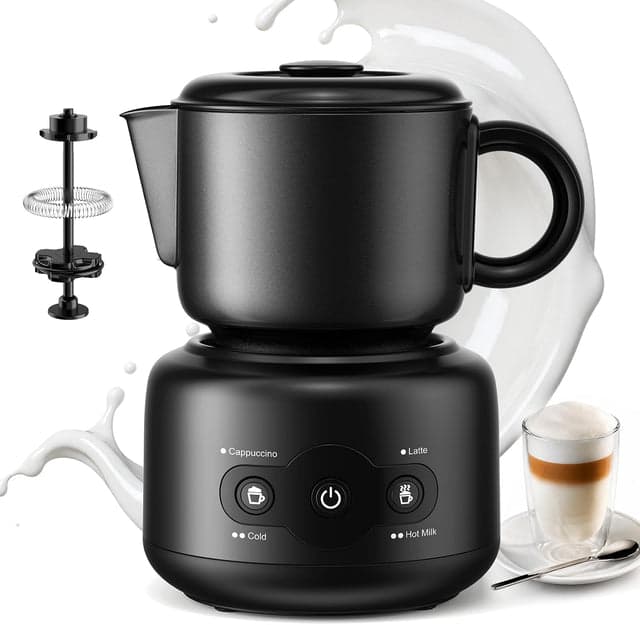 Kismile Milk Frother, 4-in-1 Electric Milk Frother and Steamer MI17012H2Kismile · $69.99
 Gift Tyvek Tote For Portable Espresso MachineOutIn · $29.99
 🆕 Philips LatteGo Coffee Machines Milk Cup with Redesigned Lid⎮Saeco Replacement Part and AccessoriesEspresso Canada · $99.99
What features are worth the extra cost, and what to skip
Built-in grinders and bean-to-cup automation sound convenient but often underperform. A separate burr grinder (even a $30 model) makes better coffee than almost any integrated grinder, because grinding heats the beans and integrated grinders tend to be underpowered. Programmability is genuinely useful if your routine demands it, but a manual on/off switch works fine for most people. Brew-strength control and cup-size adjusters are nice features that rarely add more than $20–$30 to the price, so they're worth it if your household has varied tastes. Auto-shutoff and thermal carafes are worth the cost; a basic hotplate wastes energy and degrades flavor over time. Skip fancy displays and Wi-Fi connectivity unless you specifically value remote brewing—these add cost and complexity without improving the cup. Self-cleaning cycles are increasingly common even on budget machines and do save time. The most important trade-off is between convenience and flavor: a cheaper, simpler drip maker will often taste better than an expensive all-in-one machine with mediocre fundamentals, so prioritize water temperature and heat retention over feature count.
Choosing the right type for your household
If you brew four or more cups most mornings without thinking about it, a programmable drip machine is the most practical choice. Machines like those sold by Kismile in the mid-range ($200–$400) deliver reliable performance for households that prioritize convenience and consistency. For people who want a fresh single cup quickly—without measuring grounds or cleaning a full pot—single-serve pod machines suit your workflow best. Coffee drinkers who want espresso-based drinks (lattes, cappuccinos, Americanos) or who enjoy the ritual of manual brewing should explore espresso machines or pour-over kits. OutIn specializes in portable espresso machines, which appeal to travelers and office workers who want café-quality espresso without a stationary setup. For enthusiasts who want comprehensive espresso capability with parts and maintenance support, Espresso Canada offers a full range of machines, accessories, and consumables (beans, grinders) at various price points. Pour-over and manual methods suit people who have time for the process and enjoy ritualistic brewing—these produce clean, nuanced flavor but require deliberate attention every morning. Cold-brew enthusiasts should buy dedicated cold-brew makers rather than relying on quick "brew over ice" functions, which tend to produce lukewarm results.
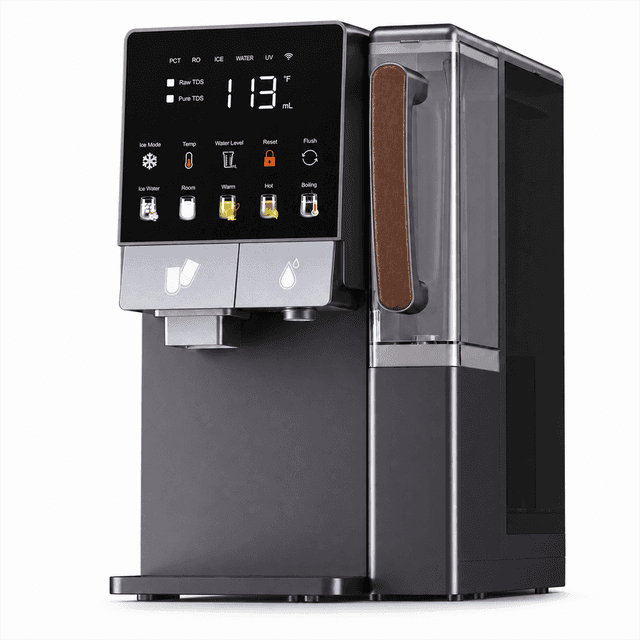 Countertop Water Dispenser with Ice Maker, All-in-1 Instant Hot & Cold Water Purifier Combo with Sr-Enriched Mineral Filtration, 8-Min Fast Bullet Ice Maker, FuKismile · $519.99
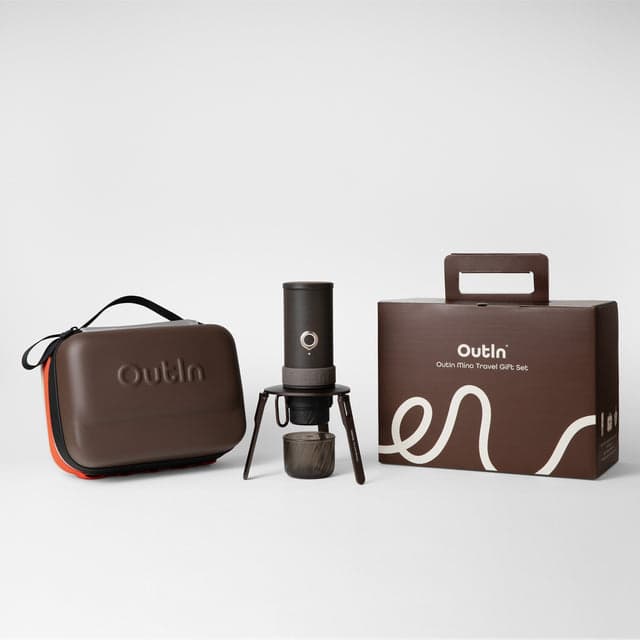 OutIn Mino Traveler Gift SetOutIn · $249.99
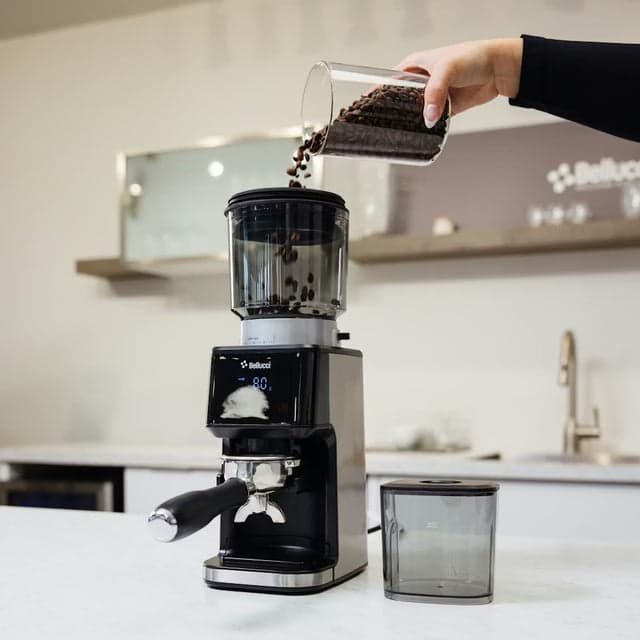 Bellucci Casa GrinderEspresso Canada · $185.00
Quality markers that separate a reliable maker from a disposable one
A good coffee maker typically costs at least $70 and usually runs $100–$150 for reliable daily use. Entry-level machines under $50 exist and can work, but they often fail on water temperature consistency, which ruins the final cup. At $100–$150, you enter the range where most well-reviewed drip and single-serve machines sit. Stainless steel components indicate durability; plastic-heavy machines corrode and fail faster. Look for machines with thermal carafes (insulated metal containers) rather than glass carafes sitting on hotplates. A machine's predicted lifespan matters: independent reviews and consumer reports often publish longevity data. Brands that have been reviewed extensively tend to have better track records because their flaws are well-documented. The price of a coffee machine actually matters less than having a quality grinder and using fresh beans; investing $60 in a good burr grinder will improve your coffee far more than spending $400 on a fancy machine with a bad grinder. Machines in the $150+ range start showing higher-quality finishes, better materials, and more thoughtful design, but they do not automatically taste better. A $120 drip maker can outbrew a $500 all-in-one if the cheaper machine has better temperature control.
Getting capacity and size right the first time
Capacity should match your daily consumption, not your occasional entertaining needs. If you typically drink one or two cups, a 2–4 cup drip maker or a single-serve machine is right; oversized machines waste counter space and energy. Most households settle on 10–12 cup drip makers because they cover typical morning brewing without excess. For espresso machines, "capacity" means water tank size and portafilter basket size; smaller machines (1–2 cup) suit single users, while 6–9 cup machines work for couples or small households. Measure your counter space and the machine's footprint before buying—especially important for espresso machines and bean-to-cup models, which are often bulkier than they appear in photos. Height matters if you have low cabinets; some drip makers and all single-serve machines fit under standard kitchen soffits, but large espresso machines often do not. If counter space is extremely limited, portable espresso machines (like those offered by OutIn) take up minimal space and store easily. Carafe and cup size also matter: some machines have carafes that don't fit standard cabinet shelves or fit awkwardly into dishwashers. Read reviews about practical fit in real kitchens, not just the product dimensions.
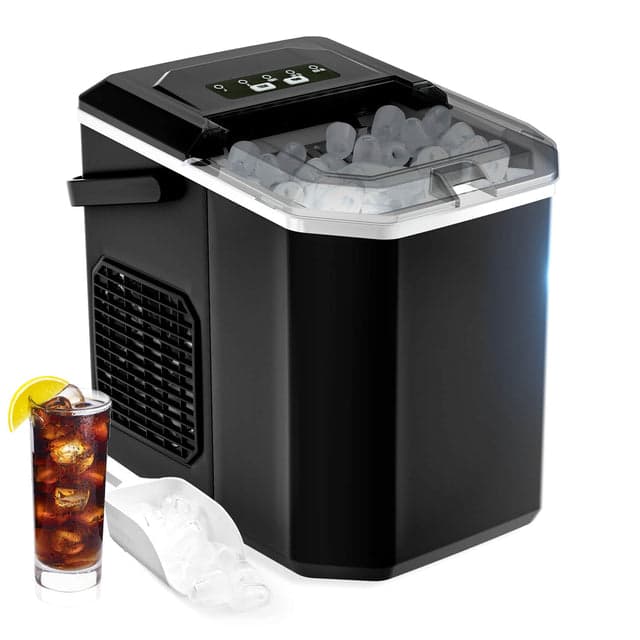 Countertop Ice Maker Z5822GKismile · $79.99
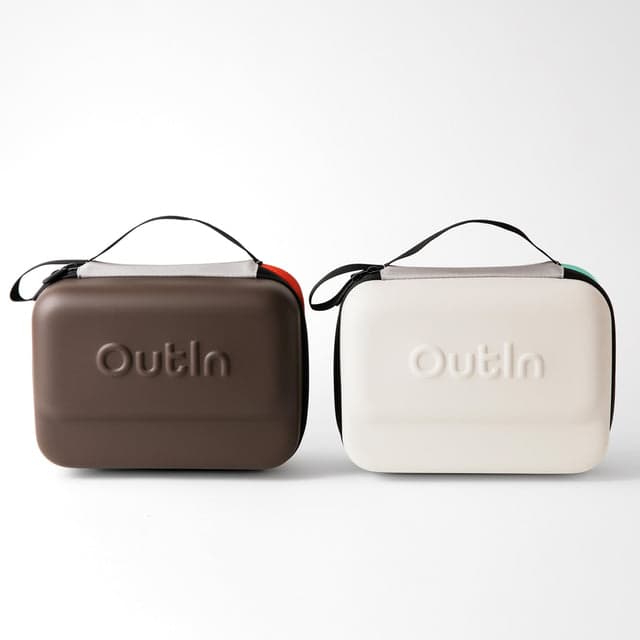 EVA Protective Case PlusOutIn · $64.99
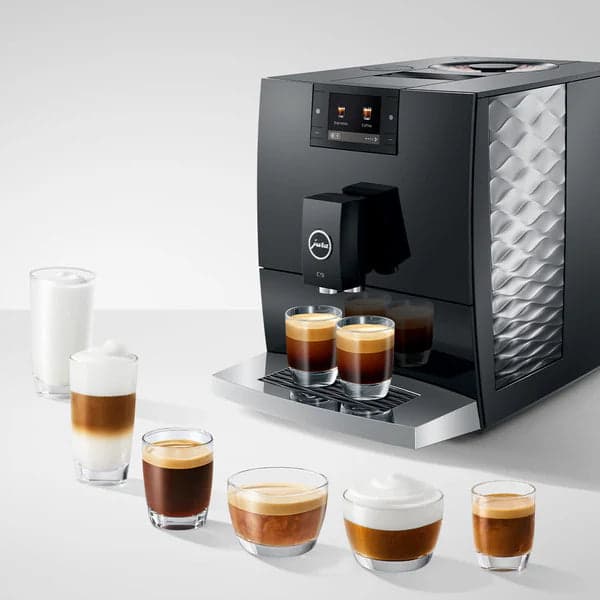 Jura C9Espresso Canada · $2095.00
When prices drop and what discounts actually cover
Coffee maker prices are most competitive during major retail events (Black Friday, January post-holiday sales, and summer appliance promotions). Discounts typically range from 15–35% off retail prices on standard models. Budget machines ($40–$80) rarely drop in price much because their margins are already thin; look instead for free bundles (extra filters, descaling solutions, or carafe replacements). Mid-range machines ($100–$200) see more aggressive discounting and may drop to $70–$150 during sales events. Premium machines ($250+) sometimes drop 25–40%, making the best deals on high-end models actually appear during sales. Discount codes rarely apply to coffee makers because appliance retailers typically run direct price cuts instead of coupon codes. Warehouse clubs sometimes offer exclusive lower pricing on popular models year-round. Certified refurbished machines (returned or display models refurbished by the manufacturer) can save 20–40%, though they come with shortened warranties. The real savings come from waiting for seasonal sales if you're flexible on timing; buying during slow seasons (summer, late fall) rarely yields discounts. Bundles that include grinders or descaling kits add practical value but don't reduce the machine's base price. Loyalty programs at major retailers sometimes offer 5–10% back on appliances.
Common mistakes people make when comparing models
The biggest mistake is confusing capacity with quality. A 12-cup machine that brews at 150°F is worse than a 4-cup machine that brews at 200°F, but shoppers often assume "bigger" means "better." Another common error is believing that more features equal better coffee. Machines with Wi-Fi, fancy displays, and integrated grinders sound impressive but often disappoint on flavor because their core brewing temperature and heat retention are mediocre. Shoppers also underestimate the importance of grind size and bean freshness; they blame their coffee maker when the real issue is week-old pre-ground coffee. Comparing prices without checking what's included is another trap—some bundles include filters, descaling products, or carafes while others don't, so the lowest price isn't always the best value. Reading only five-star reviews is misleading; long-term reliability issues often appear in middle-tier reviews (three to four stars) where people report real ownership experience. Assuming all single-serve pod machines are equivalent is inaccurate; some allow refillable pods and customizable brew strengths while others lock you into proprietary capsules. Not measuring your actual cup volume before buying is surprisingly common; some "12-cup" makers brew 12 cups of 5 oz each (60 oz total), while others deliver 12 cups of 8 oz (96 oz). Specialty espresso machines require a learning curve that budget shoppers often underestimate; assuming you'll become a home barista overnight leads to buyer's remorse.
How to avoid the most common purchase regrets
First, identify your actual consumption pattern, not your ideal one. If you realistically drink one cup most mornings, forcing yourself to justify a 12-cup drip maker is false economy. Research reliability data before buying, not after; read multiple independent reviews from sources like Consumer Reports, which publishes longevity predictions based on repair frequency. Don't assume expensive equals reliable—many $200+ machines have higher failure rates than $100 models because they're overengineered. Buy from retailers with good return policies (30–60 days) because you need to test how the machine fits your routine and counter. Test the machine's temperature during the trial period if possible; if your first pot tastes sour, the water isn't reaching ideal temperature. Consider total cost of ownership, not just the machine price: some machines require proprietary filters or descaling solutions that add $100+ annually, while others use standard supplies. If you're torn between two models in the same price range, choose the simpler one; fewer moving parts means fewer things that can break. For espresso machines specifically, factor in the learning curve and decide whether you're willing to invest time in skill-building; many espresso purchases collect dust because the owner underestimated the difficulty. Buy supplies separately (grinder, filters, cleaning solutions) rather than expensive all-in-one bundles that lock you into proprietary accessories. Finally, understand that the machine matters less than your beans and grinder; a $80 drip maker with fresh, well-ground coffee will outperform a $500 espresso machine with stale pre-ground beans.
Our top picks

Kismile40% off
Offers coffee makers across a wide price range ($52–$950), making them accessible for budget shoppers and those willing to invest in premium equipment.
Shop Kismile →20 Kismile coupons →
OutIn20% off
Specializes in portable espresso machines built for travel and offices, ideal for people who want café-quality shots without a stationary countertop setup.
Shop OutIn →15 OutIn coupons →
Espresso Canada30% off
Comprehensive espresso supplier offering machines, parts, accessories, beans, and grinders (CAD 12–3000 range), suited for enthusiasts building a complete home setup.
Shop Espresso Canada →15 Espresso Canada coupons →Frequently asked questions
How much should I spend on a coffee maker?
Quality coffee is achievable at any budget. Under $50 works for basic drip brewing but may have temperature inconsistency. $70–$150 is where most reliable machines sit, offering good value. Above $150, you're paying for premium finishes and extra features, not necessarily better coffee.
Does a more expensive machine make better coffee?
Not automatically. A $100 drip maker with correct water temperature can outbrew a $500 all-in-one with mediocre heating. Your grinder quality and bean freshness matter far more than machine price. A $30–$50 burr grinder improves coffee more than upgrading from a $100 to a $300 machine.
What's the difference between drip, espresso, and single-serve machines?
Drip makers brew 4–12 cups in a batch, ideal for households brewing multiple cups at once. Single-serve machines make one cup at a time, useful if household members drink coffee at different times. Espresso machines use pressure to extract concentrated shots for lattes and cappuccinos, requiring more skill and maintenance.
- https://www.consumerreports.org/appliances/coffee-makers/best-coffee-makers-of-the-year-a9612622702/
- https://www.tasteofhome.com/collection/best-coffee-maker/
- https://www.tomsguide.com/home/coffee-makers/best-coffee-makers
- https://www.consumerreports.org/appliances/coffee-makers/buying-guide/
- https://www.cnn.com/cnn-underscored/reviews/best-coffee-makers