
What's changed this season and why it matters
The outdoor furniture market has shifted in 2026 from simple rain-resistant designs to genuine all-weather lounges that combine comfort with durability. Manufacturers are now using advanced materials like powder-coated aluminum, solution-dyed acrylic fabrics with UV protection, and recycled composite plastics that rival teak in longevity but demand less maintenance. Climate volatility—unpredictable storms, intense heat, and extreme cold swings—means furniture built for average conditions no longer cuts it. Buyers are increasingly prioritizing tested durability over marketing claims, with retailers now documenting material performance rather than just listing specs. Performance fabrics have advanced to mirror the softness of indoor upholstery while resisting mold, stains, and color fade. This shift means higher upfront costs for quality pieces, but significantly longer lifespans. For anyone investing in outdoor living this year, the priority is matching your specific climate zone to proven materials, not settling for mid-grade sets that fail after two harsh seasons.
The specs and materials that actually matter
Start with frame material. Powder-coated aluminum is lightweight, rust-resistant, and ideal for wet or humid climates, though it can feel flimsy in lightweight models. Teak wood offers unmatched natural weather resistance with high oil content and a tight grain, perfect for visible statement pieces but requires periodic oiling in very sunny areas. High-density polyethylene (HDPE) wicker—not cheap vinyl—is UV-stable, won't crack or peel, and suits fully exposed patios. For cushion fabric, solution-dyed acrylic like Sunbrella performs best in sun, fade-resistant for 5+ years, while polyester typically starts fading within 2–3 seasons. Check for welded frames, not bolt-together assembly, which wobbles and loosens over time. Brands like Homrest offer modular configurations that let you adapt sets to your space, while Ovios focuses on larger lounge collections in mixed materials. Textilene mesh (polyester weave) is highly weather-resistant and dries fast after rain, making it ideal for coastal or rainy regions. Avoid mixing materials carelessly—aluminum paired with untreated steel rusts quickly; always verify fasteners are stainless or coated. The frame-to-fabric ratio matters: a cheap aluminum frame with premium Sunbrella fabric will outlast a solid teak frame with budget polyester cushions.
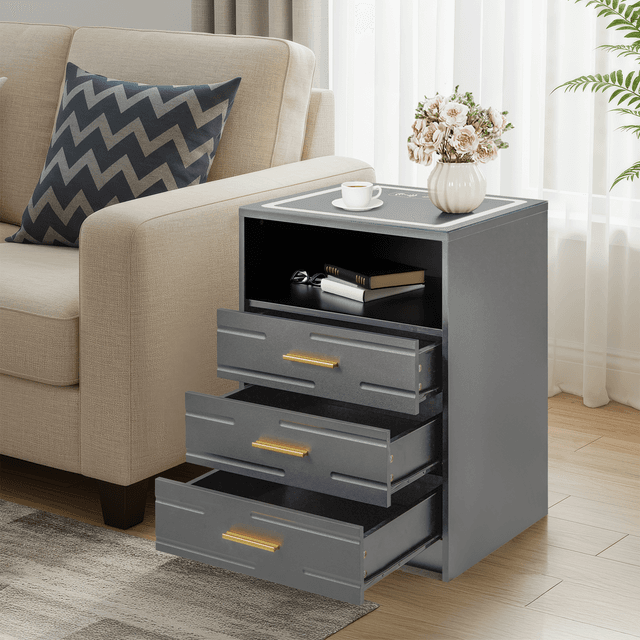 HOMREST 2PCS LED Nightstand with Wireless Charging, Smart Bedside Table with Drawers & Adjustable LED Lights, GrayHomrest · $129.99
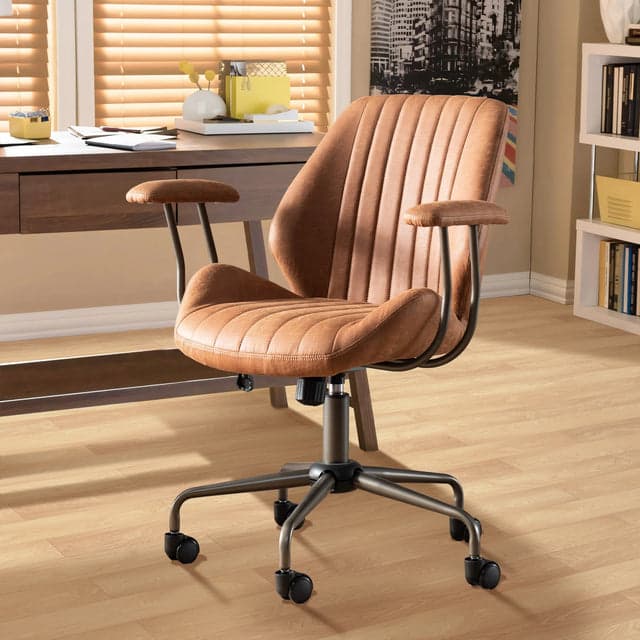 OVIOS OPEN BOX Office ChairOvios · $119.00
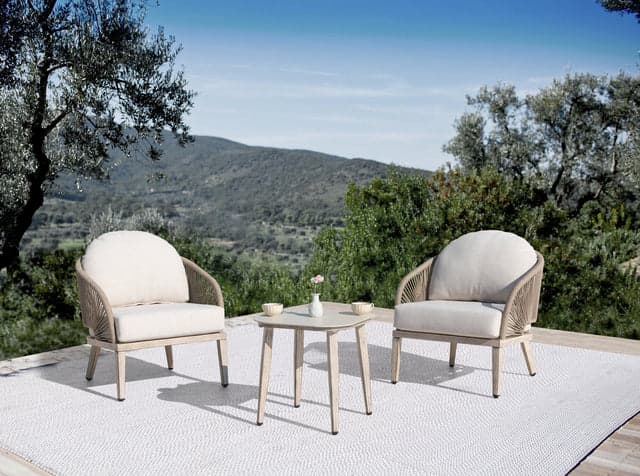 Aleutian 3-Piece Living Room SetOutdoor-USA® · $2249.99
What to prioritize and what you can safely skip
Prioritize cushion quality over cushion count. Most buyers buy more cushions than they use; instead, invest in one good set with mildew resistance and UV ratings. Skip theme-matching decorative pillows—they fade fastest and add little function. Prioritize frame construction over visual polish; a plain aluminum frame built with welding outlasts a pretty bolt-together set by years. You can safely skip premium end tables and accent pieces if budget is tight; focus your spend on seating and dining, where you'll actually spend time. Don't pay extra for pre-assembled delivery unless you genuinely lack time or tools; assembly is straightforward for most quality sets and saves 20–30%. Outdoor-USA® offers complete set bundles that reduce decision fatigue, though building your own often yields better value. Skip cushions with generic polyester fill; instead, accept higher prices for high-density foam cores and weather-resistant covers. Weather covers are non-negotiable, but custom covers cost less than cheap replacement frames, so never skip this. You can safely defer styling accessories (rugs, lanterns) to later; furniture comes first. Brand prestige rarely correlates with durability in this category—a mid-range set from a focused outdoor specialist often outlasts premium-named sofas adapted from indoor lines. Storage benches marketed as outdoor are often not, so verify materials before buying; many are veneered plywood that swells and delaminates in humidity.
Which brands suit which kind of buyer
For buyers who prioritize modular flexibility and value, Homrest offers a broad range of outdoor chairs, sectional sets, and sunloungers starting around $105, ideal if you want to mix and match pieces or adapt your layout seasonally without replacing the full set. If you're furnishing a large patio and want coordinated collections with substantial lounge-style seating, Ovios specializes in outdoor furniture with 179 product options across sofas, daybeds, and conversation sets, covering everything from compact balcony setups to full resort-style layouts. For buyers seeking all-in-one solutions with hammocks, firepits, and coordinated patio furniture, Outdoor-USA® bundles complete outdoor living ecosystems, starting at $24 for basics and scaling to $4,975 for full lounge suites, making it easier to coordinate style without shopping across multiple retailers. Budget-conscious buyers who need entry-level outdoor seating should note that all three prioritize durable materials over disposable fashion—their price floors ($60–105) reflect real construction, not cheap plastic that breaks in one season. Luxury buyers will find these ranges satisfy mid-market needs; if you're seeking designer outdoor lines or custom teak installations, these brands occupy the practical, functional tier rather than the bespoke end. Climate matters here too: if you live in a coastal region with salt air, Homrest and Ovios both carry marine-grade HDPE wicker; if you're in a dry climate with intense sun, Outdoor-USA® has extensive powder-coated aluminum options with UV-tested fabrics.
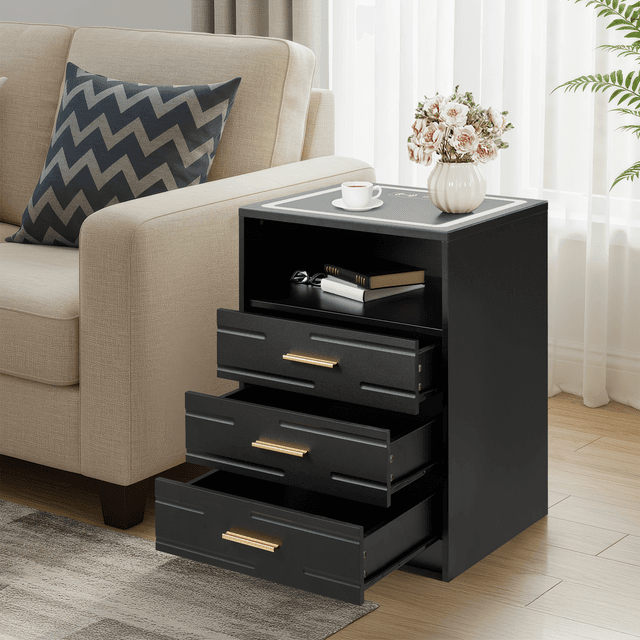 HOMREST 2 PCS LED Nightstand with Wireless Charging, Smart Bedside Table with Drawers & Adjustable LED Lights, BlackHomrest · $129.99
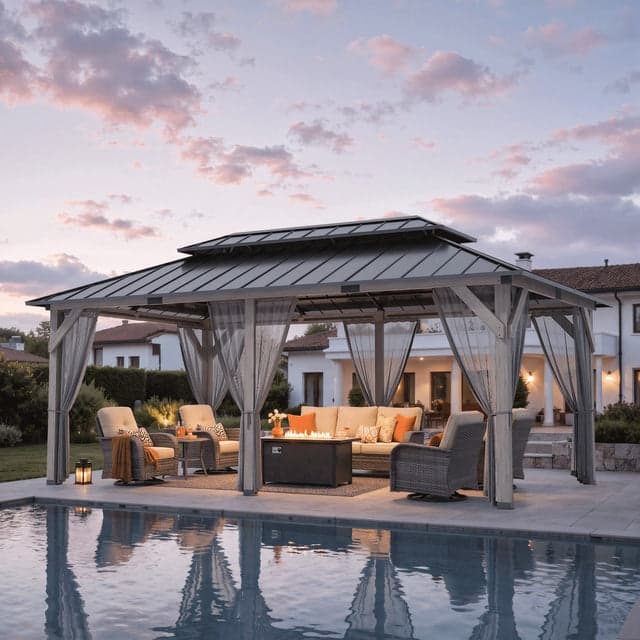 OVIOS Hardtop Gazebo for Backyard Wood Look Outdoor Patio Gazebo with Bug NettingOvios · $1399.00
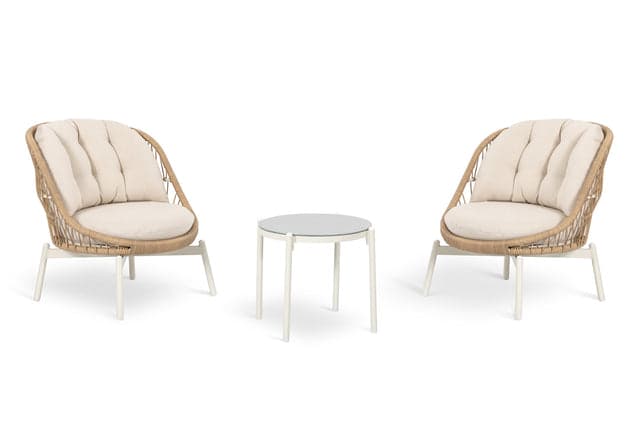 Nectar 2-Swivel Chair Living Room SetOutdoor-USA® · $2062.99
Quality markers that separate good buys from cheap ones
High-quality outdoor furniture uses materials engineered for outdoor exposure, not adapted indoor materials. Budget sets often use uncoated steel, MDF veneers, and polyester fabric that looks fine in photos but degrades in one–two seasons. Quality sets feature fully welded aluminum or stainless-steel frames instead of bolt-together designs, HDPE wicker that won't crack or separate, and solution-dyed acrylic cushions rated for 1,000+ hours of UV exposure. Check warranty length: quality brands offer 3–5 year coverage on frames and 2–3 years on fabrics; budget lines offer 12 months or less. A quality set should feel solid when you sit—no wobble, no flex in the seat—while cheap frames often yield immediately under weight. Homrest and Ovios both publish material specifications, helping buyers verify cushion fill density and frame gauge thickness; if a brand won't publish these, it's masking poor construction. Grade-A teak is expensive but discernibly denser and more oil-rich than plantation teak; you'll see the difference in weight and smell. Solution-dyed acrylic (Sunbrella is the common brand) costs 30–50% more than polyester but lasts 3–5 times longer; hold it up to light—solution-dyed appears translucent, while surface-dyed blocks light and cracks easily. High-end sets use marine-grade fasteners visible on inspection, while budget sets hide poor hardware under plastic caps. Real reviews mentioning specific durability timelines ("still solid after five winters") beat vague praise like "beautiful quality." Professional outdoor designers consistently choose sets priced $800–2,000 minimum for real longevity; anything below $400 for a multi-piece set is inherently cutting corners somewhere.
Getting sizing and fit right the first time
The number-one regret among outdoor furniture buyers is size mismatch, not design—over 60% of small-patio buyers regret their first purchase due to oversized pieces. Measure your usable space first. Professional designers follow a rule: furniture should occupy no more than 50–60% of your patio area, leaving circulation room and sight lines intact. Measure the full width and depth of your patio, then subtract 36 inches of clearance from walls and fences on all sides (this is minimum; 48 inches is better for high-traffic areas). Use painter's tape on your patio to outline the footprint of furniture you're considering; this visual immediately shows if pieces will dominate or fit naturally. Homrest's product pages include dimensions for each piece; take time to verify armrest width (they add 6–12 inches to total depth), leg footprints (some swivel chairs need 48-inch clearance to pull back), and cushion depth (this reduces usable seating depth). For dining, allow 36–48 inches from the table edge to any wall or railing so chairs can pull back. For lounge setups, verify chaise lengths: a standard lounge is 78–80 inches long, and most patios tighter than 8 feet wide will feel cramped. Outdoor-USA® and Ovios both offer modular pieces that let you test fit in smaller increments. Take photos of your space from multiple angles and compare them to product photos; online photos are often taken at wide angles that hide actual scale. If ordering online, request dimensions in writing before purchase, and confirm return policies if the pieces don't fit your space once delivered. Weather-resistant slipcovers and sectional configurations from Ovios allow you to adapt your layout if you underestimated flow, but this is a workaround, not a solution—measure first.
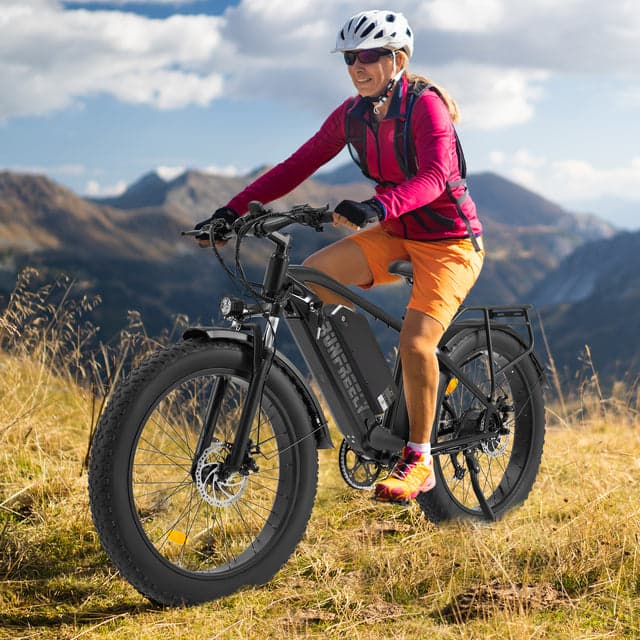 HOMREST Electric Bike for Adults,1500/3000W Peak Motor, 26" Fat Tire E-Bike with 48V 13AH Battery, 25-36 MPH Max 62 Miles Electric Motorcycle, BlackHomrest · $1760.99
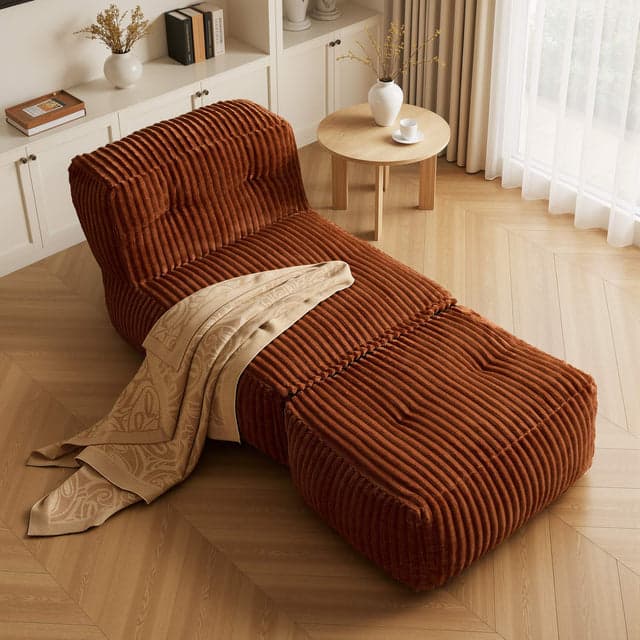 OVIOS Oversized Boneless Sofa Bean Bag Chair with Memory Foam for Living RoomOvios · $149.00
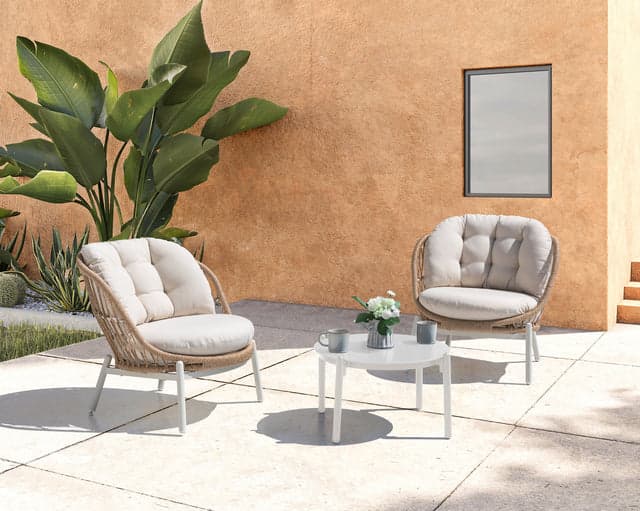 Nectar 4-Piece Living Room SetOutdoor-USA® · $1937.99
How to save money when prices drop
Outdoor furniture prices are most competitive from August through early October, with Labor Day weekend typically offering the deepest seasonal discounts—these are often the lowest prices of the year. Late February and early March bring Presidents Day sales with 10–30% discounts and fresh inventory, a sweet spot if you're budget-conscious but don't want picked-over selection. Memorial Day in May balances good pricing (10–25% off) with full inventory, ideal if you want variety without waiting until summer clearance. Spring sales (March–May) offer better selection and reasonable deals than winter; summer (June–July) is peak pricing with minimal promotions. Discount codes typically cover 10–20% of furniture and rarely apply to high-ticket items or floor models. Bundle deals—buying a full set rather than individual pieces—often net an extra 5–10% discount, which is why Outdoor-USA® and similar retailers push complete package deals. Free shipping thresholds often reset during holiday sales, so timing a large order to hit that threshold can save $100–300. Clear-out sales (late August–September) on previous seasons' colors happen annually; if you don't care that your cushions are 2025 colorways, this saves 20–35%. Extended payment plans (0% for 12–24 months) from major retailers don't lower prices but reduce immediate cash outlay; read terms carefully to avoid interest. Scratch-and-dent sections on retailer websites occasionally offer 30–40% off for cosmetic damage that doesn't affect function. Don't wait for Black Friday or Cyber Monday; outdoor furniture discounts peak in late summer when retailers clear summer stock, not during year-end sales. A single premium piece (like a quality lounger from Homrest) bought during Labor Day sales often costs less than a full budget set bought at full price any other time.
Where people go wrong when comparing options
The most common comparison mistake is judging quality from photos alone. Online images use professional lighting and wide angles that hide construction flaws and material texture; a chair that looks substantial in a lifestyle photo may feel flimsy in person. Never rely on product renderings—always request actual materials lists, frame gauges, and cushion fill density before comparing. Another mistake: assuming all outdoor fabrics perform identically. A cushion labeled "weather-resistant" might be cheap polyester that fades in two seasons, while another labeled identically is solution-dyed acrylic lasting five. Compare specific fabric brands and UV-hour ratings, not marketing language. Price comparison alone is misleading. A $600 set from Ovios and a $600 set from an unknown brand may have identical pricing but vastly different durability; the difference often lies in frame welding, fastener quality, and cushion fill density—invisible in photos. Don't compare frame material by name alone; "aluminum frame" from one brand might be 1/8-inch-thick tube, while another uses 3/16-inch solid. Request specifications. Warranty length is a reliable proxy for confidence, but read the fine print—some warranties exclude fading (normal wear) and only cover frame defects, while others cover cushions fully. A 5-year frame warranty usually signals better construction than a 1-year catch-all warranty. Buyers often ignore matching the furniture to their climate zone. What works in Phoenix (dry, intense sun) will fail in Seattle (wet, mold-prone); teak that thrives in humid Florida will crack in an arid mountain climate if you don't oil it seasonally. Never compare a teak set and an HDPE wicker set by price alone without factoring maintenance demand. Finally, many shoppers overlook frame-to-fabric quality balance. A cheap aluminum frame with luxury Sunbrella cushions will disappoint because the frame will age poorly, while premium teak with budget polyester cushions fails for the opposite reason. The best value typically pairs mid-tier frames (powder-coated aluminum, quality HDPE) with premium fabrics—this combination lasts 10+ years at a reasonable price.
Mistakes shoppers make and how to avoid them
Mistake one: Buying furniture that isn't rated for outdoor use. Many shoppers bring discounted indoor sectionals outside, thinking "they'll be fine." Indoor upholstery fades in weeks, metal frames rust, and plywood swells in moisture. Always verify outdoor ratings in product descriptions; if a listing doesn't explicitly state outdoor materials, it's indoor furniture. Mistake two: Skipping detailed measurements of both your space and the furniture. Measure twice, use painter's tape to map the layout, and confirm that chair pull-back zones won't block traffic paths. Mistake three: Prioritizing style over function. A beautiful lounge chair that's uncomfortable to recline in wastes money. Sit in pieces if possible; if shopping online, read reviews specifically mentioning comfort and seating ergonomics over visual appeal. Mistake four: Ignoring maintenance demands. Some materials (like bare teak) require annual oiling; others (like HDPE wicker) need only occasional cleaning. If you won't commit to seasonal maintenance, avoid finicky materials and choose low-maintenance options instead. Mistake five: Buying too many pieces without a plan. Purchasing a lounge, dining set, and bar table at once without knowing your layout leads to overcrowding. Prioritize one seating area first, then expand. Mistake six: Assuming all outdoor cushions resist mold equally. In humid climates, generic cushions grow mold within one season. Buy mildew-resistant fill and ensure covers are solution-dyed, not surface-treated. Mistake seven: Not investing in protective covers. Even the best furniture degrades faster without cover protection; custom-fitted covers cost $50–150 per piece and extend lifespan by years. This is not a luxury—it's maintenance. Mistake eight: Selecting based on one online review. Read multiple reviews across different sites, focusing on long-term durability reports ("used for five years") rather than first-impression reactions. Mistake nine: Forgetting to factor in off-season storage or covers. If your climate has harsh winters, either plan storage space or commit to quality covers; furniture left exposed deteriorates twice as fast. Before purchasing, ask yourself: Do I have a maintenance commitment? Can I fit this size? Is the material rated for my climate? A few minutes of honest answers prevent months of regret.
Our top picks

Homrest50% off
Offers modular outdoor chairs and sets starting at $105, ideal for buyers who want to customize layouts and add pieces seasonally without replacing everything.
Shop Homrest →16 Homrest coupons →
Ovios80% off
Specializes in large outdoor furniture collections with 179 options across sofas and loungers, suited for buyers furnishing spacious patios or wanting coordinated resort-style seating.
Shop Ovios →15 Ovios coupons →
Outdoor-USA®70% off
Provides complete all-in-one patio ecosystems combining furniture, hammocks, and firepits, best for buyers seeking coordinated outdoor living solutions from one retailer.
Shop Outdoor-USA® →15 Outdoor-USA® coupons →Frequently asked questions
What outdoor material lasts longest with minimal maintenance?
HDPE wicker and powder-coated aluminum require only occasional cleaning and resist UV fading for 7–10 years. Teak lasts longer (15–20 years) but demands annual oiling. Solution-dyed acrylic cushions outlast polyester by 3–5 times but cost 30–50% more upfront.
How much should I budget for a quality outdoor furniture set?
Mid-range quality sets (expected 8–12 year lifespan) typically run $1,000–2,500 for a seating group. Budget-tier sets ($300–700) last 2–4 seasons; premium sets start at $5,000+. Material and frame construction matter more than brand prestige.
Can I leave outdoor furniture outside year-round?
In mild climates, yes. In harsh winters or coastal salt-air regions, protective covers are essential—they cost $50–150 per piece and extend furniture life by 50%. Storage during winter is ideal but not always practical; covers are the realistic alternative.
- https://www.livingspaces.com/inspiration/ideas-advice/styles/backyard-must-haves
- https://www.wayfair.com/sca/ideas-and-advice/outdoor/how-to-pick-the-best-patio-furniture-based-on-your-climate-T23593
- https://www.goodlifeconstruction.com/blog/what-kind-of-patio-furniture-lasts-the-longest/
- https://liveouter.com/blogs/outdoor-living-tips/best-months-to-buy-outdoor-furniture
- https://peakhomefurnishings.com/blogs/outdoor-furniture/7-outdoor-furniture-buying-mistakes