
What Changed This Season in Beginner Running
The running shoe market in 2026 reflects a clear shift toward accessible, forgiving designs. Brands are moving away from overly rigid or minimalist shoes that punish poor form, instead focusing on moderate cushioning that suits most foot types. Beginner runners benefit from this trend: shoes are now softer, more durable, and cheaper than five years ago. Foam technology has become standard even in budget ranges, so you no longer need to choose between comfort and price. Most retailers now stock dedicated beginner lines, and online fitting guides have improved. The result is that a new runner can find a solid, supportive shoe for under AUD 150 or USD 80, and brands like Tarkine and IRUNSVAN have responded by offering entry-level options that don't compromise on the basics. This matters because many beginners still buy shoes that are either too rigid or too minimal—outdated advice lingers—so knowing what's actually current helps you avoid painful mistakes on your first serious runs.
How to Choose: The Specs That Actually Matter
Running shoes have three core specs worth understanding. Stack height is the thickness of foam between your foot and the ground—higher stacks (10mm or more) cushion better and suit heavier runners or those coming back from injury, while lower stacks feel closer to the ground and appeal to runners who prefer a responsive feel. Heel-toe drop, the height difference from heel to toe, typically ranges from 4mm to 12mm; most beginners do well with 8–10mm because it feels natural and doesn't force your stride. Pronation support describes whether the shoe is neutral (no special support) or stability-oriented (firmer on the inside to control inward roll). Most beginner runners, especially those without known foot problems, start neutral. When shopping for beginner shoes like those from IRUNSVAN, look for moderate stack height (8–10mm), a neutral fit unless a shop tells you otherwise, and a wider toe box because your foot naturally spreads under impact. Avoid shoes with marketing hype around 'revolutionary' midsoles—simple, proven foam works fine. Weight matters too: beginners benefit from shoes under 280g because lighter shoes feel less taxing on long runs, though not so light that they sacrifice cushioning. You'll also want durable rubber outsoles; cheaper shoes sometimes skimp here and wear out in 200 miles instead of 400+.
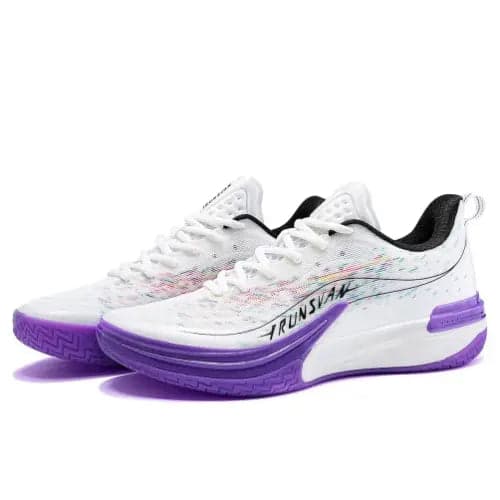 Ray 1.0 Pro Carbon Plated Performance Basketball Shoes - Shock Absorption, Rebound SupportIRUNSVAN · $88.99
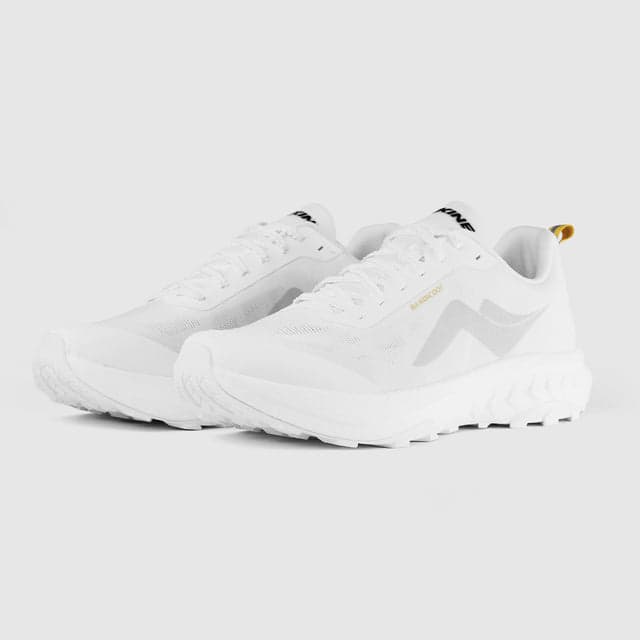 RE-RUN: Men's Tarkine Bandicoot: Light. Fast. Everywhere.Tarkine · $123.00
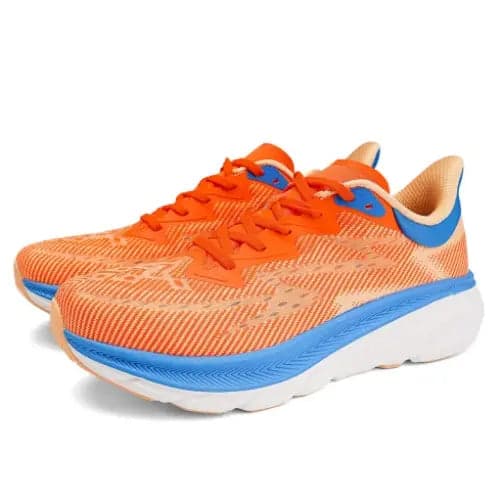 YUNDONG 1.0 Cushioned Rebound Trail Running ShoesIRUNSVAN · $42.99
What's Safe to Skip and What Isn't
Beginners often buy unnecessary features. You do not need motion-control technology, super-responsive bouncy foam, carbon-plated racing uppers, or limited-edition colourways—all add cost without benefit for someone learning to run. You also don't need a shoe that matches your exact gait cycle from day one; your form improves naturally as you build strength, so a simple, forgiving shoe works better than an over-specialized one. You can skip waterproof membranes unless you run in heavy rain regularly, and you can skip extra ankle collars or calf cuffs—they add weight and bulk. However, you must not skip proper fit. An uncomfortable shoe causes blisters, black toenails, and knee pain that derails your training for weeks. You must not skip cushioning appropriate to your weight and the ground you run on; a 90kg runner on concrete needs more padding than a 60kg runner on trails, and ignoring this invites joint injuries. Brands like IRUNSVAN and Tarkine focus on core comfort rather than gimmicks, which is exactly what beginners need. You should also not skip trying shoes on in the afternoon or evening when your feet are swollen and testing them with a walk or light jog in-store—online reviews from reputable testers are useful, but your own feet are the final judge.
Which Shoes Suit Different Types of Beginners
Beginner runners are not a single group. A heavier runner (over 90kg) benefits from shoes with high stack and responsive foam that won't collapse under repeated impact; IRUNSVAN's marathon and road running shoes sit in the USD 44–81 range and often prioritize cushioning, making them suitable for this profile. A lighter, speedier beginner (under 70kg) can get away with thinner, more responsive shoes and will feel faster in them. Someone returning from an injury needs maximum cushioning and a wider base; look for shoes labelled 'comfort' or 'max cushion'. A runner who will stick to trails rather than roads benefits from tread, lateral support, and a stiffer midsole—different geometry than road shoes. If you run in wet climates, grip and breathability matter more than in dry ones. A budget-conscious beginner should compare per-mile cost: a shoe that costs AUD 120 and lasts 500 miles is cheaper than a AUD 100 shoe that fails at 300 miles. Tarkine's range, spanning AUD 40–240, means you can find something at your budget level, though the cheapest options may wear faster. A beginner who plans to run three times weekly for 5km can start with almost any mid-range cushioned shoe, but someone aiming for a marathon in a year should invest in a proven brand with good reviews and proven durability, not the least-expensive option.
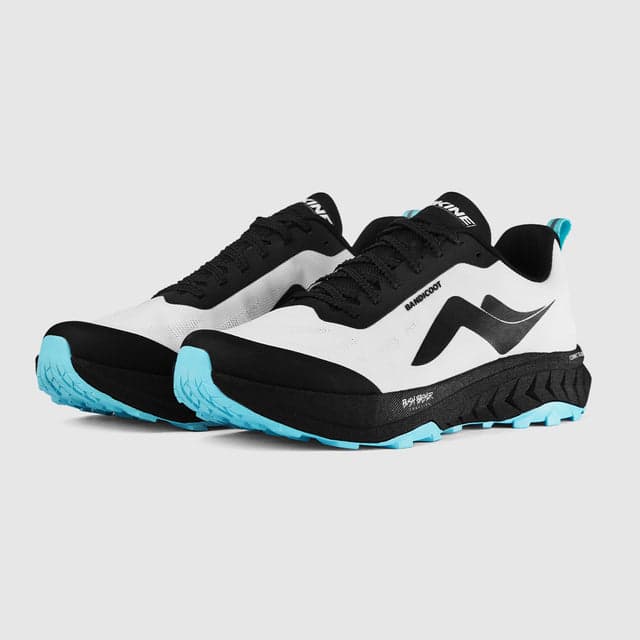 RE-RUN: Women's Tarkine Bandicoot: Light. Fast. Everywhere.Tarkine · $123.00
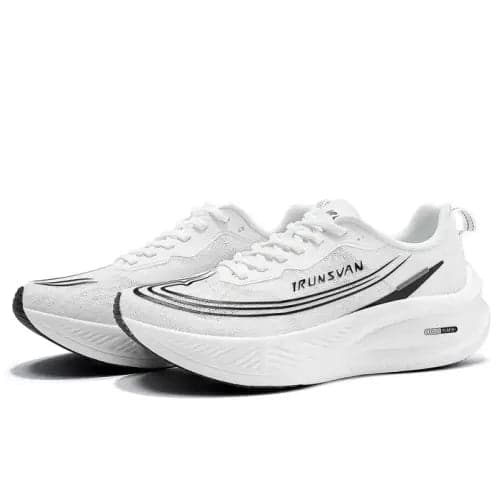 Heat 3.0 Plate-Free Arch Support Cushioned Training ShoesIRUNSVAN · $52.69
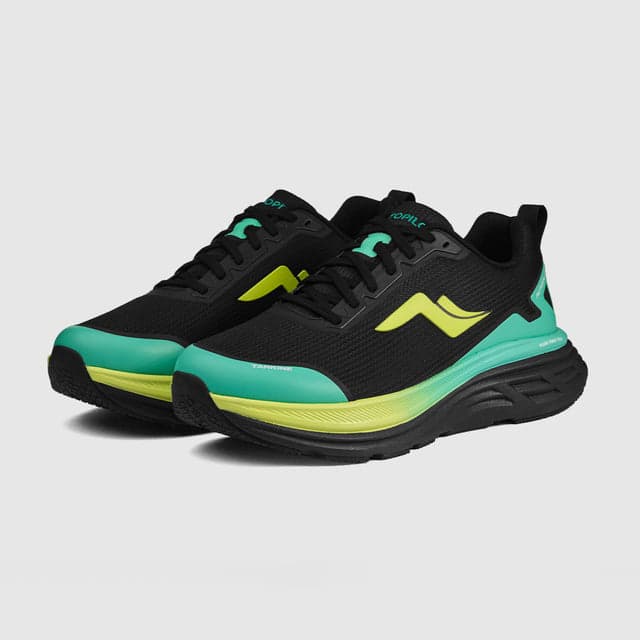 Pre-Order: World Police and Fire Games – Perth 2027 – Limited-Edition Autopilot (Unisex)Tarkine · $159.00
Quality and Value: What Separates Good From Cheap
A good beginner shoe costs AUD 100–160 or USD 60–110. In that range, you get durable rubber outsoles, proven foam that doesn't degrade fast, stitching and gluing that hold after 400+ miles, and uppers (the fabric part) that don't tear. Below AUD 100, quality dips: seams fail, foam compresses, and the shoe feels plasticky. Above AUD 180, you're paying for brand prestige, limited editions, or racing features you don't need yet. IRUNSVAN's prices (USD 44–81) sit at the lower end but many models focus on beginner and marathon road shoes, suggesting they target this exact market. Tarkine's range includes shoes from AUD 40 up, so entry-level models exist but sizing up to mid-range (AUD 100–140) likely gives better longevity. To check quality before buying, inspect the sole for raised edges (cheap shoes have flat, thin outsoles), flex the shoe to feel how it bends—a good shoe flexes naturally at the ball of the foot, not in the middle—and read reviews from people with the shoe for 300+ miles, not just first-week impressions. Avoid shoes with glued seams only; stitching underneath adds durability. Beginner shoes don't need fancy technologies, but they do need honest construction. Compare cost per mile: if a shoe lasts 400 miles and costs USD 70, that's USD 0.175 per mile; if a cheap shoe lasts 250 miles at USD 50, that's USD 0.20 per mile. The better shoe is cheaper to run in.
How to Get Sizing and Fit Right the First Time
Sizing is where most beginners fail. Your running shoe should be a half to a full size larger than your everyday dress shoe; your feet swell during a run, and the extra room prevents blisters and crushing your toenails. The golden rule is roughly one thumbnail's width (about 1.3cm) between your longest toe and the shoe's end. Measure your feet in the afternoon or evening when they're slightly swollen—morning measurements are smaller and misleading. Have a shop associate measure you with a Brannock device rather than measuring yourself; many runners misjudge their own foot length. The shoe should wrap snugly around your heel and midfoot—no slipping when you walk—but your toes need freedom to splay and extend naturally. Lace the shoe firmly but not tight; you should fit one finger under the laces at the top of your foot. Try on shoes and walk briskly around the shop, or jog if allowed, because shoes feel different in motion than standing still. Many retailers let you return shoes within 30 days if they don't perform, so try them on at least one short run before committing fully. If buying online, check the return policy; most reputable retailers including those selling IRUNSVAN and Tarkine shoes offer free returns. Width matters too: if the shoe pinches across the widest part of your foot, it's too narrow, no matter how good the reviews. Wide-footed runners often need a dedicated wide fit. Heel slip of more than 1cm means the shoe is too loose. Pronation (inward roll of your foot) is worth a quick gait analysis, but this doesn't require expensive lab tests—ask a shop associate to watch you walk and run, or film yourself from behind and look for the angle of your ankle and knee.
How to Save Money on Running Shoes
Running shoes drop in price seasonally. Major sales occur at the end of winter (February–March in the southern hemisphere), end of summer (August–September), Black Friday (November), and Boxing Day. During these windows, last season's models from major brands drop 20–45 percent, so a USD 100 shoe becomes USD 55–80. Discount retailers like Running Warehouse, REI, and specialist running shops often apply an extra 10–20 percent off sale prices, and some allow you to stack a first-purchase code with a sale. However, clearance codes rarely cover the newest shoes—they work on older colourways or last year's version, so don't wait for a new release to drop in price. A discount code realistically covers 15–30 percent off full price; anything beyond that is a genuine seasonal sale, not a code. IRUNSVAN's price range (USD 44–81) already suggests competitive entry-level pricing without waiting for sales. Tarkine shoes (AUD 40–240) may also have stable low prices; check their historical pricing on shopping aggregators before assuming a discount is real. Avoid chasing novelty colourways; classic black or grey shoes from last season are cheaper and indistinguishable on a run. Consider buying two pairs if you find a great deal: alternating shoes extends the life of both because foam recovers between runs. Sign up for a shop's newsletter for early sale notifications, but be skeptical of 'limited-time' offers that reappear monthly—genuine seasonal sales are true events. Buy the shoe model you need, not the discount—a steep sale on the wrong shoe is not a bargain.
Common Comparison Mistakes Beginners Make
Beginners often compare running shoes on criteria that don't matter or misunderstand what matters. Comparing brand prestige instead of fit is a classic error; a lesser-known brand's shoe that fits perfectly is infinitely better than a famous brand's shoe that pinches. Comparing online reviews without checking the reviewer's body weight, running experience, and mileage is misleading because a heavy runner's experience with durability differs from a light runner's. Confusing water resistance with waterproofing leads to disappointment; water-resistant shoes shed drizzle but soak through in heavy rain, so don't buy for bad weather if that's not really your concern. Comparing prices across regions without adjusting for currency and tax distorts the real cost; a shoe that costs USD 90 in the US and AUD 150 in Australia might be equivalent when exchange rates and GST are factored in. Beginner runners also fail to compare based on longevity; a cheap shoe with three-star durability reviews is not the same value as a more expensive shoe with five-star reviews if the cheaper one wears out in 300 miles. Don't assume heavier cushioning is always better; very soft, squishy shoes can feel unstable and cause ankle strain, and some beginners do better with moderate, responsive cushioning. Many also make the mistake of assuming one person's perfect shoe is perfect for them, especially if that person has different body type, gait, or running goals. Read reviews from people similar to you in weight, experience level, and intended use. Checking independent tester reviews from publications rather than only reading brand marketing helps avoid oversold claims about technology. Price alone tells you nothing; mid-range shoes from established brands often outlast budget shoes two-to-one.
Mistakes to Avoid When You Buy
The biggest mistake is buying shoes that are too small. Beginners often default to their street shoe size or assume tight equals supportive, leading to blisters, black toenails, and stress injuries that stop training for weeks. Always size up at least a half size; the shoe should feel roomy in the toe box. Buying without trying on is the second major error. Online shopping is convenient, but shoes vary in fit between brands and even between models within a brand; an IRUNSVAN shoe might fit differently from a Tarkine shoe, so don't assume you know your size in a new brand without testing. Many beginners buy a shoe because it's cheap or trendy rather than suited to their actual needs, ending up with shoes they hate or that cause injury. Ignoring return windows is costly; if you buy online, test the shoes on a short run within the return period. If they feel wrong after 5km, send them back rather than convincing yourself they'll break in. Running shoes do stretch slightly and break in, but they don't change shape dramatically; a shoe that feels bad on day one will never feel perfect. Another mistake is buying only one pair. Running in the same shoes every day compresses the foam faster; alternating two pairs lets foam recover and extends both shoes' lives to 500+ miles, cutting per-pair cost. Beginners also fail to replace worn shoes. Shoes last 300–500 miles; running in a shoe past this point increases injury risk because the midsole no longer cushions properly. Track your mileage by noting your weekly distance and replacing shoes when cumulative mileage reaches 400–450 miles or when you notice worn tread and compressed foam. Finally, don't ignore pain or blisters as normal. A good shoe feels comfortable immediately on easy runs; discomfort in the first few runs is a warning sign, not something you push through. Bad fit causes injury; good fit feels right from day one.
Our top picks
IRUNSVAN40% off
Offers beginner-specific and marathon road shoes in the USD 44–81 range, combining accessible pricing with cushioned comfort for runners starting out.
Shop IRUNSVAN →15 IRUNSVAN coupons →
Tarkine65% off
Provides a wide range of running shoes and training gear at AUD 40–240, allowing beginner runners to find options across different budgets and performance levels.
Shop Tarkine →25 Tarkine coupons →Frequently asked questions
How much should I spend on beginner running shoes?
Aim for AUD 100–160 or USD 60–110 for a quality beginner shoe that balances comfort and durability. Below AUD 100, durability suffers; above AUD 180, you're paying for features you don't need yet. Per-mile cost matters more than upfront price.
Should running shoes feel tight or loose?
Running shoes should feel snug around the heel and midfoot with no slipping, but your toes need space to move. Leave roughly one thumbnail's width between your longest toe and the shoe's end. A thumb should fit under the laces at the top of your foot.
When should I replace my running shoes?
Replace shoes after 300–500 miles of running. Signs include visible wear on the outsole tread, compressed midsole that feels hard, or pain during runs. Track mileage by recording weekly distance and retire shoes at around 400–450 miles to prevent injury.
- https://www.outsideonline.com/outdoor-gear/run/best-new-running-shoes-2026/
- https://www.doctorsofrunning.com/best-running-shoes-for-beginners/
- https://theruntesters.com/the-best-running-shoes-for-beginners/
- https://www.runningwarehouse.com/learningcenter/gear_guides/footwear/how_to_pick_running_shoes.html
- https://marathonhandbook.com/should-you-buy-running-shoes-a-half-size-bigger/