
What's changing in kids' snacks right now
Parents are increasingly scrutinizing added sugar in packaged snacks, with growing awareness that many store-bought options contain as much sugar as candy bars. In response, brands now emphasise naturally sweetened snack bars made with whole fruits and dates instead of refined sugars. The shift reflects recommendations from major health bodies: children aged 4 to 6 should consume no more than 19 grams of added sugar daily, while the American Heart Association suggests a maximum of six teaspoons. Snacks like WICKED Protein Bars focus on delivering protein and reduced sugar to meet this demand. Additionally, parents seek snacks that provide sustained energy through protein and fibre rather than empty calories. This season's focus is on transparency—seeing recognisable ingredients on the label rather than artificial sweeteners or additives, and brands are responding by highlighting whole-food bases and clear nutritional specs.
How to choose: the nutrition specs that matter
When evaluating healthy snacks for kids, focus on three core metrics. First, aim for no more than 5–8 grams of added sugar per serving, as this aligns with daily limits and prevents blood sugar spikes. Second, seek at least 3–4 grams of protein per bar or serving, which helps keep children satisfied between meals and supports muscle and bone growth. Third, look for 3–5 grams of fibre, which aids digestion and contributes to fullness. Read ingredient lists carefully and watch for hidden sugars listed under names like corn syrup, dextrose, fructose, or sucrose. Protein sources matter too: whole nuts, nut butter (such as those from Peppertux), seeds, and dairy are preferable to synthetic protein. Saturated fat should stay below 3 grams per serving. Snacks combining whole grains, fruit, and protein deliver better nutrition than single-ingredient options. Products made from minimally processed ingredients—dates, oats, real fruit—tend to provide more stable energy than heavily refined versions.
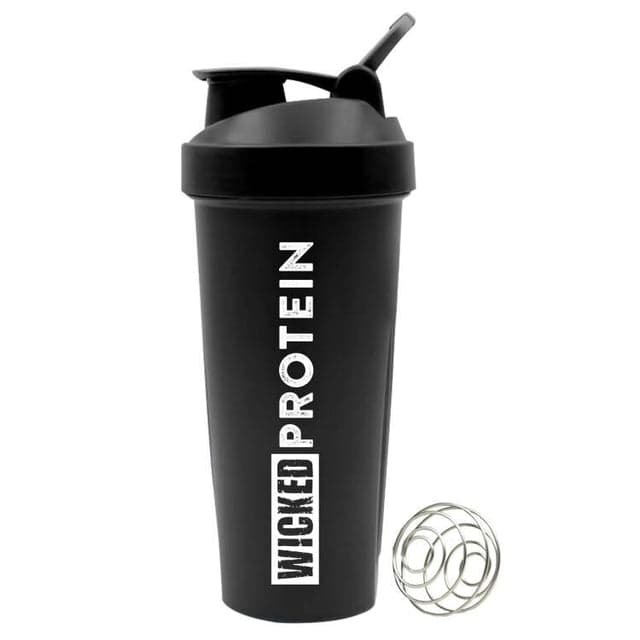 WICKED Protein Shaker Bottle (IN STOCK)WICKED Protein Bars · $7.99
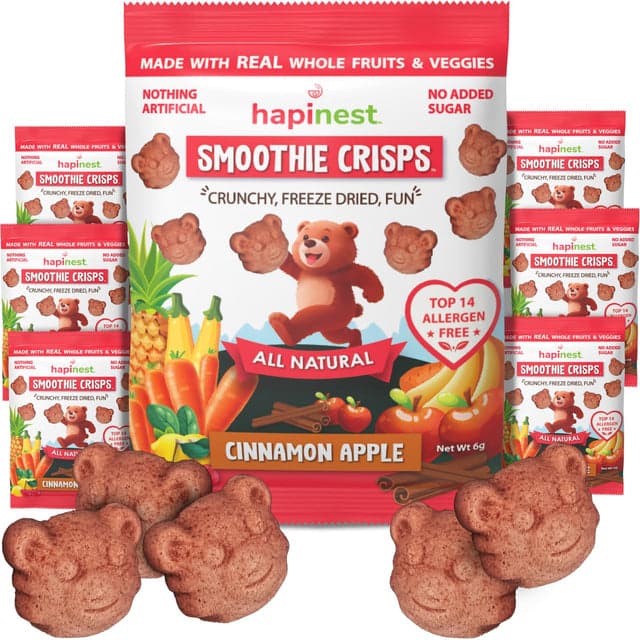 Cinnamon AppleHapinest · $39.00
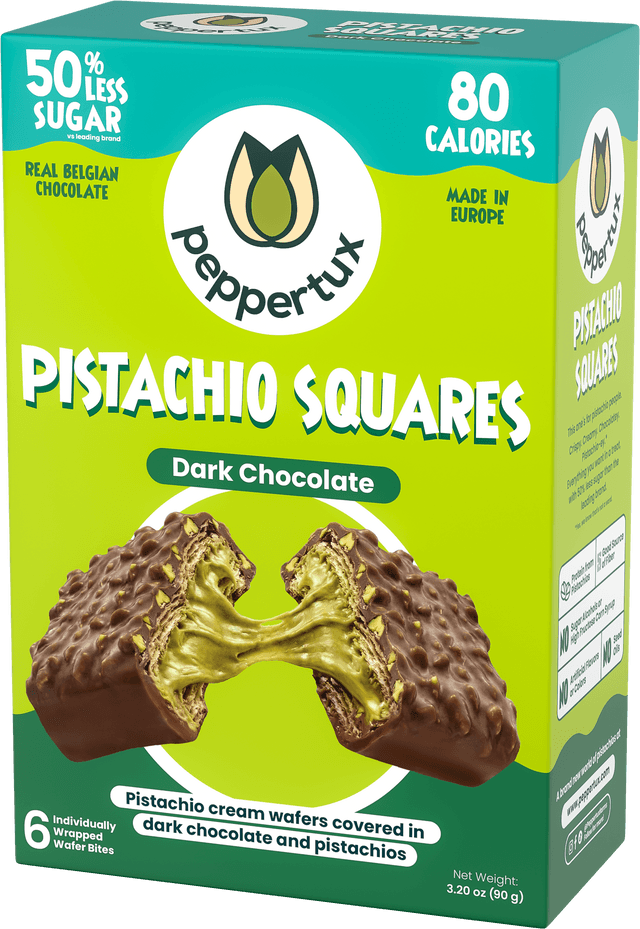 Pistachio Squares - Dreamy Pistachio Cream Wafer Covered in Dark ChocolatePeppertux · $7.99
How to choose: trade-offs and what you can skip
Not every snack needs to be a vitamin powerhouse. Most packaged snack bars won't provide complete daily nutrition—that's acceptable because they're between-meal boosts, not meal replacements. You can skip premium pricing for brands that charge extra for minimal added benefits. Many pricey options deliver similar nutrition to mid-range alternatives; the difference lies in branding rather than substance. Whole fruit or vegetables paired with a protein source often outperform expensive granola bars, so consider whether convenience justifies the cost. Some brands highlight allergen-free claims: if your child has no allergies, these certifications add unnecessary cost. However, if allergy concerns apply to your family, they're essential. Organic certification typically increases price by 20–30% without significantly changing nutrition, so skip it unless you have specific preferences. Conversely, don't skip reading the label to avoid artificial colours, flavours, or preservatives if those matter to your family. Some lower-sugar options use sugar alcohols or artificial sweeteners; decide whether these align with your values. Taste is negotiable: children's preferences vary, and a snack they refuse is wasted money regardless of nutrition specs.
Who should look at which brands
Parents seeking convenient, protein-forward bars should consider WICKED Protein Bars, which emphasise more protein and less sugar than traditional options. Families wanting whole-food, minimally processed snacks aligned with organic standards might explore Hapinest, which sells Smoothie Crisps made with real fruit and natural sweeteners. Those focused on European-sourced protein bars can look at Weena, which offers protein-focused options in the 17–80 EUR range for families willing to invest in premium positioning. Parents seeking ingredients they already use at home—such as quality nut butter—find Peppertux appealing for its Nut Butter range (8–25 USD) as a base for homemade snack combinations like nut butter on whole-grain crackers. Raddish Kids takes a different approach, offering subscription kits that teach children to cook and understand nutrition through hands-on learning rather than buying pre-made snacks. This suits families wanting to shift toward homemade options. Budget-conscious parents should prioritise bars with the best price-per-serving ratio and reasonable nutrition rather than premium brands. School snack requirements and nut-allergy policies in your child's environment will also guide choices.
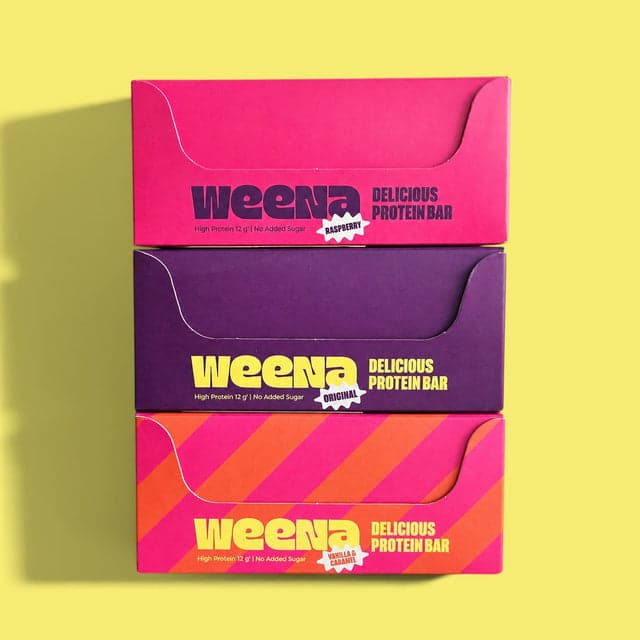 Weena 3-Box Bundle, 36 Bars - Save 11%Weena · $79.90
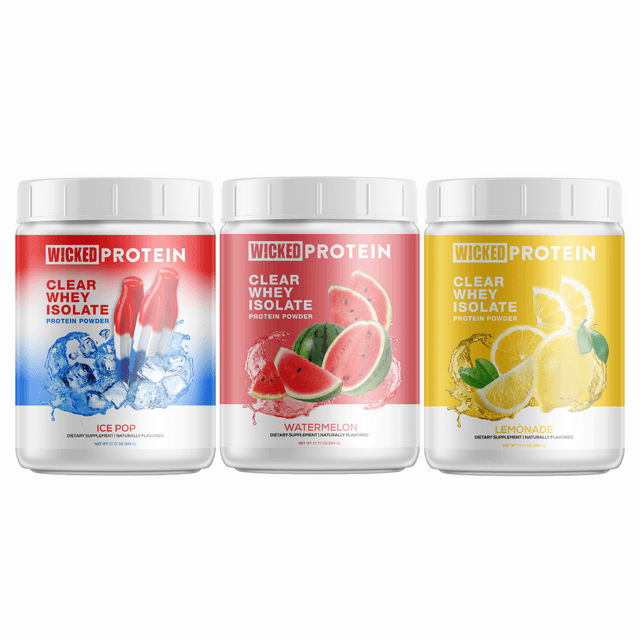 WICKED Protein Powder IPWL BUNDLE DEAL (OUT OF STOCK)WICKED Protein Bars · $104.99
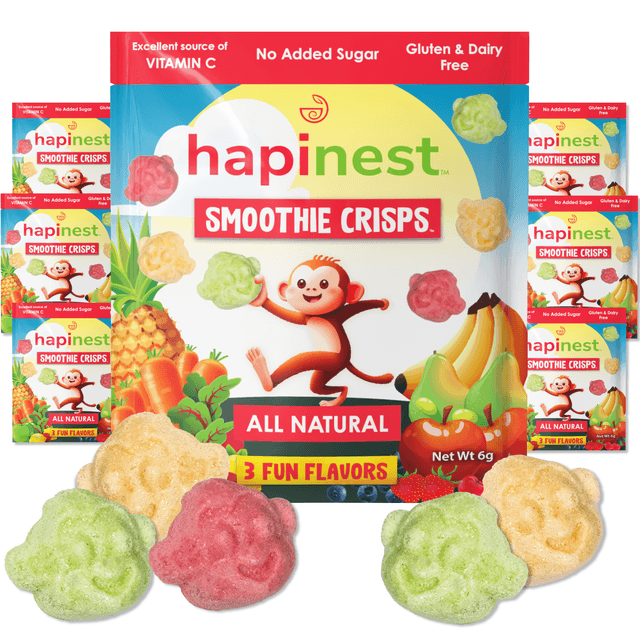 Smoothie Crisps 4 Flavor Sample BoxHapinest · $29.00
Quality and value: what separates good buys from cheap ones
A genuinely good snack delivers both nutrition and taste without inflated pricing. Premium brands often charge 30–50% more than mid-range options while offering comparable nutrition; the extra cost typically reflects marketing rather than ingredient quality. Look for bars using whole fruits, nuts, and seeds as primary ingredients rather than grain and sugar with fruit flavouring added. Good-quality options typically list recognisable ingredients in the first five items. WICKED Protein Bars position themselves as delivering more protein and less sugar than competitors at comparable price points, making them a value-focused choice if nutrition specs match your needs. Cheaper options under USD 5 per bar often contain more added sugar and fillers, so price alone isn't a reliable indicator. Conversely, luxury chocolate snacks—while delicious—don't necessarily provide better nutrition than mid-range alternatives. Bars made with dates as a sweetener cost more than those using syrups but offer more fibre and whole-food appeal. Homemade snacks using Peppertux Nut Butter or similar quality bases cost less per serving than comparable packaged bars and let you control sugar and ingredients. Store brands often match private-label nutrition specs at lower prices, so comparing nutrition panels rather than brand names saves money. Bulk purchasing for consistent favourites reduces per-unit cost significantly.
Portion size and serving amounts
Understanding serving size prevents accidentally over-feeding sugar and calories. Most snack bars are designed for one serving; a child eating two bars doubles sugar and calorie intake. A standard snack bar portion for children aged 6–12 is roughly 100–150 calories with 4–7 grams of protein, providing a balanced energy boost without spoiling appetite for meals. Younger children (under 6) need smaller portions—often half a bar or a handful of snack bites—since their daily calorie needs are lower. Check the package label for serving size; some bars labelled as single servings actually contain 1.5 or 2 servings, which misleads on nutrition content. Pair snacks with water or low-fat milk rather than juice or sugary drinks; liquid calories add up quickly. If your child is active (sports, dance, outdoor play), a higher-protein snack keeps energy stable longer. Sedentary afternoons need lighter snacks to avoid excess calories. Timing matters too: snack two to three hours after a meal to avoid suppressing appetite at mealtimes. Pre-portioning snacks into lunch boxes or containers reduces mindless overeating. For homemade options using Peppertux Nut Butter or similar bases, a serving is typically one tablespoon of nut butter on a few whole-grain crackers, providing protein, fibre, and healthy fats with moderate calories.
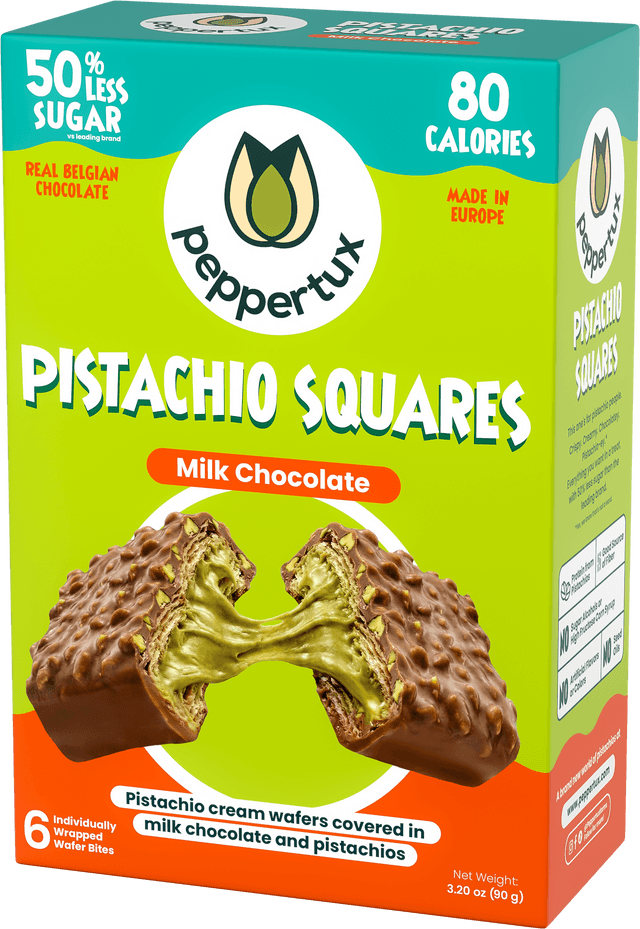 Pistachio Squares - Dreamy Pistachio Cream Wafer Covered in Milk ChocolatePeppertux · $7.99
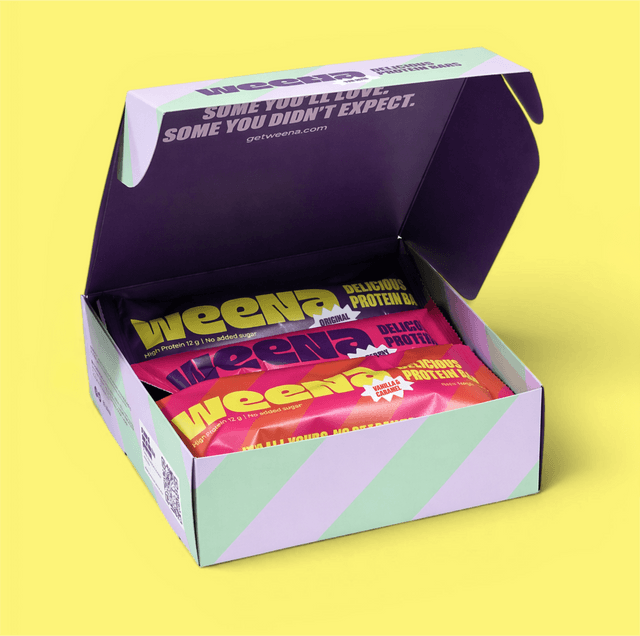 Weena The Mix - 6 Protein Bars, 3 FlavoursWeena · $16.99
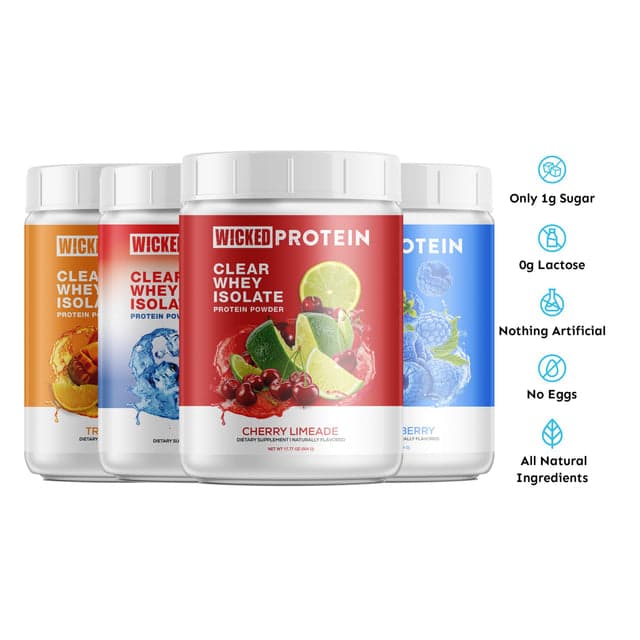 WICKED Protein PowerWICKED Protein Bars · $39.99
How to save money on healthy snacks
Discounts on snack bars typically apply to multi-packs rather than individual servings, so buying larger quantities upfront cuts per-unit cost by 15–25%. WICKED Protein Bars advertise promotional codes offering modest savings; check for seasonal promotions or subscription discounts. Many retailers offer loyalty program discounts on snack brands you buy regularly—these often save 10–20% compared to regular shelf price. Bulk retailers like warehouse clubs stock snack bars and nut butters at lower per-serving costs than standard supermarkets, though membership fees apply. Store brands and private-label snack bars often match name-brand nutrition specs at 20–30% lower prices; comparing nutrition panels side-by-side reveals this. Making snacks at home with Peppertux Nut Butter or similar quality bases costs significantly less than pre-packaged options while giving you ingredient control. Frozen fruit bought in bulk, paired with yogurt or nut butter, creates cheap, nutritious snacks. Generic granola or trail mix assembled at home costs roughly half the price of pre-packaged versions. Seasonal fruit sales (berries in summer, apples in autumn) reduce produce snacking costs. Discount codes rarely cover more than 5–15% off; expect savings in that range rather than dramatic discounts. Subscription services sometimes offer small per-item discounts if you commit to regular deliveries, though the convenience premium often makes them pricier than occasional bulk purchases.
Common comparison mistakes to avoid
The biggest error is comparing price alone without checking nutrition labels. Two bars at similar prices can differ dramatically in sugar (4g vs. 12g), protein (3g vs. 7g), and fibre content. Always review the nutrition panel, not just marketing claims. Avoid trusting marketing language like 'natural,' 'wholesome,' or 'made with real fruit'—these terms are unregulated and don't guarantee low sugar or whole-food ingredients. A bar claiming 'made with real fruit' might be 90% sugar and 10% dried fruit; check the actual ingredient list. Comparing 'per bar' nutrition across different bar weights misleads; a 50g bar and a 35g bar will have different totals. Always normalise to 'per 100g' to compare apples to apples. Don't assume organic equals healthier; organic snacks often contain as much sugar as conventional options. Brand reputation and price don't correlate with nutrition—expensive doesn't mean better, and cheap doesn't mean worse. Ignore celebrity endorsements or claims about specific health benefits unless backed by transparent nutrition data. When comparing Hapinest Smoothie Crisps against traditional bars, remember that crisps and bars provide different textures and ingredient bases; one isn't inherently superior, just different. Avoid choosing based solely on taste tests—kids' preferences change, and a snack they loved last month might be rejected this month. Purchase small quantities of new brands before committing to bulk orders.
Mistakes shoppers make and how to avoid them
Many parents buy snacks their child rejects, wasting money. Solve this by purchasing single or small-pack options first to test acceptance before bulk buying. Another common error is assuming all 'protein' snacks are equal; bars with 4g protein from whole almonds differ from those with 4g from whey isolate, and kids' preferences for texture vary widely. Read reviews from parents, not just marketing copy. Failing to check expiry dates when buying bulk snack packs leads to waste. Store snacks properly in cool, dry places to extend shelf life and prevent spoilage. Many parents overspend on premium brands without comparing nutrition to mid-range alternatives; a USD 2 bar and a USD 4 bar often have nearly identical nutrition. Mistake: forgetting to account for portion control—buying individually wrapped bars reduces the temptation to double-serve, while bulk bins or larger packages encourage overeating. Not reading labels for allergen warnings is risky if your child attends school with nut bans or has sensitivities. Neglecting to involve kids in snack selection means buying options they dislike; even young children have preferences, and including them increases acceptance. A final error: assuming that because a snack is 'for kids,' it meets nutrition standards—many marketed to children contain more sugar than recommended. Always verify nutrition specs independently rather than trusting marketing claims, and remember that a snack is successful only if your child eats it and you feel good about the nutrition.
Our top picks

WICKED Protein Bars47% off
Delivers more protein and less sugar than traditional snack bars, meeting nutrition standards for active kids while priced competitively for families prioritising health-focused convenience.
Shop WICKED Protein Bars →16 WICKED Protein Bars coupons →
Hapinest60% off
Smoothie Crisps provide a whole-food base using real fruit and natural sweeteners, appealing to parents seeking minimally processed options with interesting texture alternatives to standard bars.
Shop Hapinest →15 Hapinest coupons →
Peppertux40% off
Nut butter serves as a quality base for homemade snack combinations, letting budget-conscious families control sugar and ingredients while supporting DIY snacking at lower per-serving cost.
Shop Peppertux →15 Peppertux coupons →
Weena40% off
Protein bars sourced from Europe appeal to families seeking premium positioning and willing to invest in alternative snack formats beyond mainstream mass-market options.
Shop Weena →15 Weena coupons →Frequently asked questions
How much sugar should kids' snacks contain?
Aim for no more than 5–8 grams of added sugar per snack. Children aged 4–6 should have no more than 19 grams total added sugar daily, so snacks should stay well below that. Check labels for hidden sugars listed as corn syrup, dextrose, or fructose.
Are protein snack bars safe for kids?
Yes, protein snack bars are safe for kids when chosen carefully. Select bars with minimal added sugar, no artificial sweeteners if that matters to your family, and simple, recognisable ingredients. They work best as between-meal snacks, not meal replacements, and shouldn't replace whole foods regularly.
What's the difference between organic and regular snack bars?
Organic snack bars cost 20–30% more but don't guarantee lower sugar or better nutrition than conventional versions. The main difference is production standards and pesticide use. Compare nutrition panels side-by-side rather than assuming organic is automatically healthier.
- https://mother.ly/food/nutrition/best-snack-bars-for-kids/
- https://health.clevelandclinic.org/healthy-snacks-for-kids
- https://www.nationwidechildrens.org/specialties/center-for-healthy-weight-and-nutrition/resources-for-families/nutrition-articles/sensible-snacking-for-children
- https://www.cozymeal.com/magazine/healthy-snacks-for-kids
- https://shopping.yahoo.com/health/nutrition/articles/baby-kid-snacks-everyone-buying-130000574.html
- https://gimmethegoodstuff.org/blogs/guides-and-product-reviews/15-healthiest-packaged-snack-foods