
What Changed This Season: 2026 Urban Mobility Trends
The e-bike and scooter markets are evolving differently in 2026. With hybrid work arrangements stabilizing, more people are mixing commute methods—using scooters for short urban hops and e-bikes for longer distances. Manufacturers now offer integrated platforms that let riders switch between device types seamlessly. E-bikes increasingly come with more compact designs and lighter frames, while electric scooters have shifted toward more durable builds with better suspension, making them viable for slightly rougher urban terrain than before. For buyers, this means the gap between the two categories is narrowing on features, though their core use cases remain distinct. The real change is availability: entry-level options in both categories have improved dramatically, so your budget matters less than your actual commute profile.
How to Choose: Motor, Range, and Speed Specs That Matter
Start with range, not motor size. E-bikes typically deliver 40 to 60 miles on a single charge because your pedaling extends battery life—the motor handles maybe 60 percent of the work. Electric scooters average 15 to 30 miles because you're fully dependent on the battery. If your commute is under 10 miles round-trip, both work; beyond that, an e-bike makes more sense. Motor power is less important than marketing suggests. A 750-watt e-bike motor is standard and sufficient for hills and acceleration; most riders never need more. Scooter motors typically range from 500 to 1400 watts, but wattage doesn't translate directly between categories. What matters: an e-bike should climb hills in your area without bogging down, and a scooter should reach 15 to 25 mph comfortably. Check the specifications for peak versus continuous power—peak power is momentary; continuous power is what you actually use. Top speed differs too: e-bikes max out at 20 to 28 mph (limited by law in many regions), while high-performance scooters can exceed 35 mph, though this creates different legal and safety issues depending on your location.
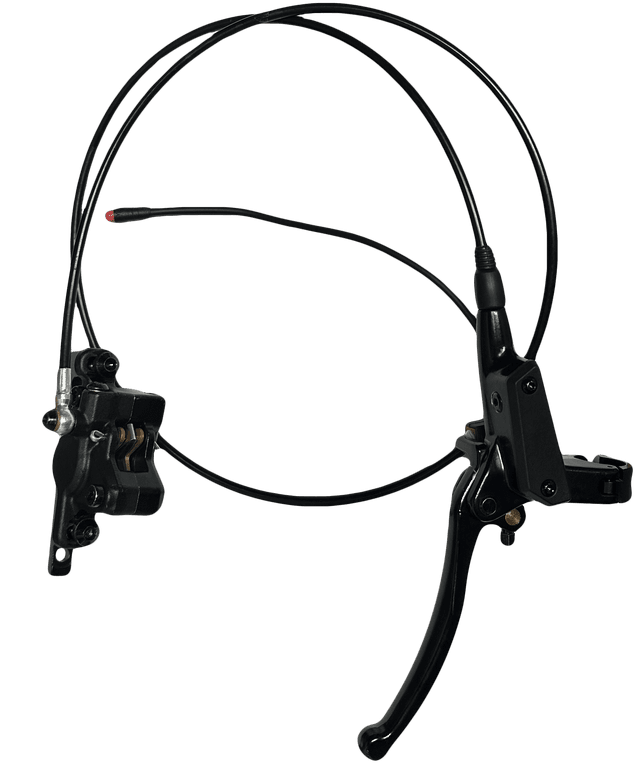 E-Bike Brake Master Cylinder (New Version)ROLL-ROAD · $99.00
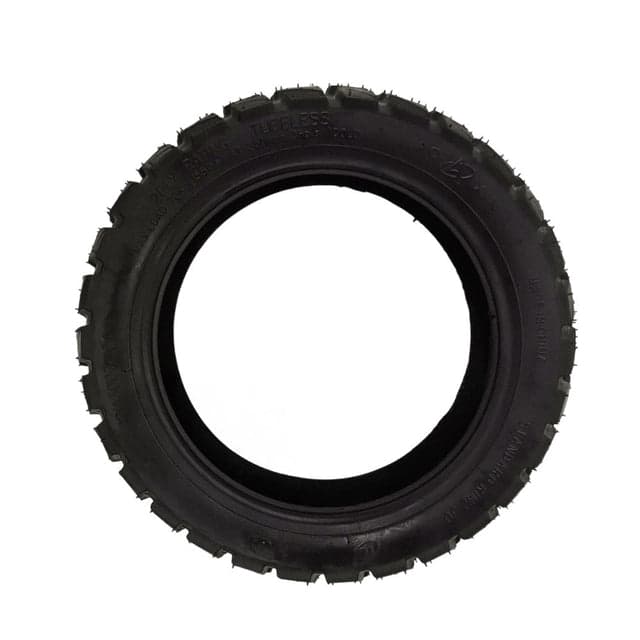 Ausom K20 Pro Dual Motor Tubeless TireAusomstore · $35.00
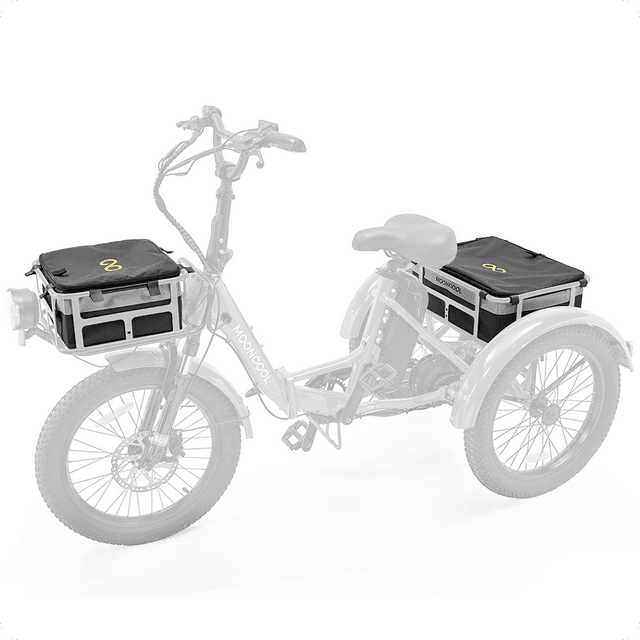 MC Front & Rear Storage Bag For TK1/TK1 PROMooncool · $99.99
Trade-Offs: What You Gain and Lose With Each Type
E-bikes offer better all-terrain ability, longer range, and built-in exercise. You're sitting lower, with larger wheels that absorb potholes and rough pavement, and suspension on many models. The trade-off is weight—30 to 70 pounds depending on the model—and bulk when storing at home or carrying up stairs. They also need regular maintenance: chains, derailleurs, brakes, and tires require upkeep similar to regular bikes. Electric scooters are the opposite: light enough to carry (15 to 40 pounds), portable enough to fold and tuck under a desk, and require almost zero physical effort. You arrive fresh and dry, which matters for work commutes. The trade-off is range, stability on rough surfaces, and safety. Scooters have smaller wheels and standing platforms, making them sensitive to potholes, cracks, and uneven pavement—injury rates for scooters run significantly higher than for e-bikes. Neither handles snow, ice, or heavy rain well, though e-bikes cope slightly better. On cost, scooters win short-term (entry models start around $400 to $500), but e-bikes show better value over three years because maintenance is lower and you avoid the 6-month electrical and bolt inspections that scooters need.
Who Should Buy What: Matching Your Commute Profile
If your commute is under 5 miles, flat, and through smooth city streets, an electric scooter is the faster, smarter choice. You'll arrive without sweating, fold it up, and carry it where you need to go. Ausomstore makes high-power scooters built for adults demanding serious range and hill-climbing ability, offering dual-motor models up to 56 miles on a charge. If your commute is 10 to 40 miles, hilly, or includes mixed terrain—bike paths, gravel shoulders, light trails—an e-bike is essential. You'll want either pedal assist with good range or a heavier moped-style motor for comfort. ROLL-ROAD manufactures 1500-watt moped-style e-bikes rated for 35+ mph and 70-mile range, targeting riders who want a larger frame and two-seater capacity. For riders over 60, seniors, or anyone with balance concerns, consider an electric tricycle like those from Mooncool, which adds a third wheel for stability while offering similar power and range to standard e-bikes. Commuters mixing multiple transport methods—train or bus plus a last-mile tool—should choose a scooter for its portability. Daily solo riders should choose an e-bike for its versatility.
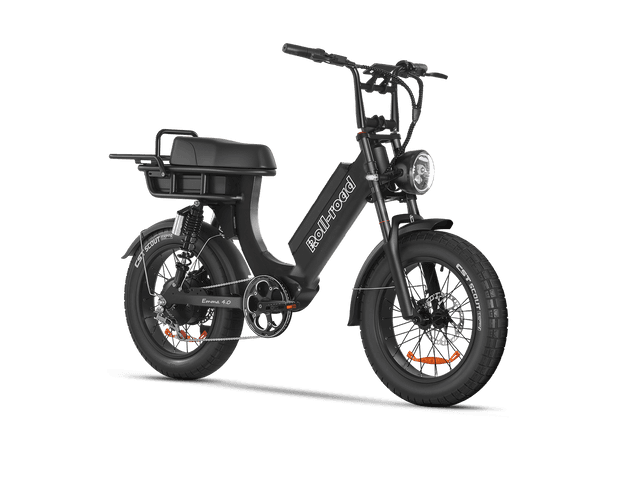 Roll-Road Emma 4.0 EbikeROLL-ROAD · $2199.00
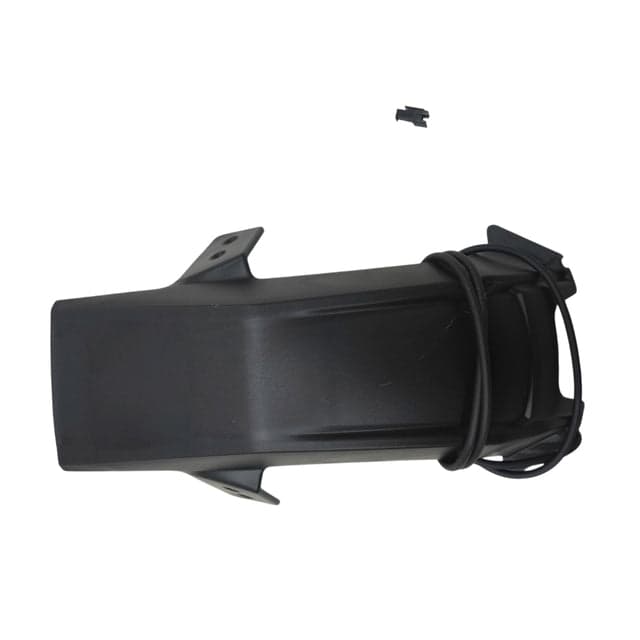 Ausom 48V E-Scooter MudguardAusomstore · $15.00
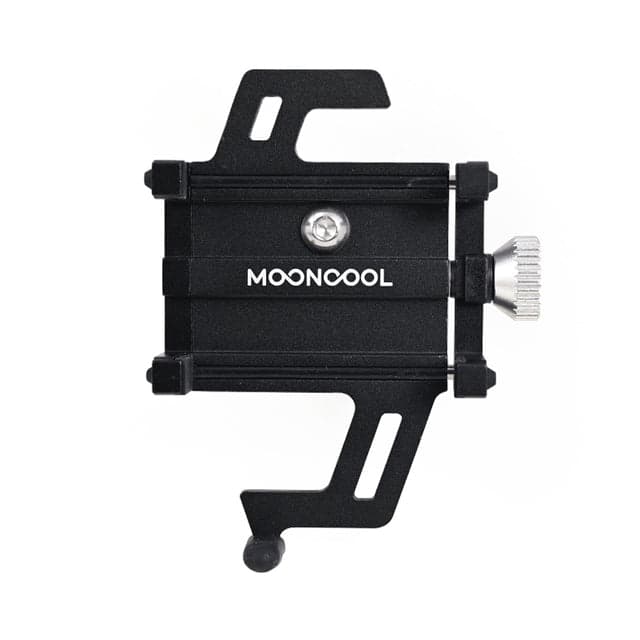 MC Phone HolderMooncool · $24.99
Quality and Value: What Separates a Good Buy From a Cheap One
A good e-bike or scooter costs more upfront but holds value and requires less fixing. The worst false economy is buying the cheapest model: no-name scooters under $300 typically fail within a year, and $800 e-bikes often have motors and batteries that degrade fast. Look for established brands with warranty support and service networks. ROLL-ROAD offers a 2-year manufacturer warranty and 24/7 online phone support with service centers across North America and Australia—that's a quality signal. Ausomstore provides dual-motor scooters with proprietary suspension designs that cost more but reduce maintenance and injury risk. Mooncool offers lifetime frame warranties and 2-year battery guarantees, valuable for riders who plan to use these machines long-term. Mid-range e-bikes (£1,200 to £2,500) almost always beat budget models on motor efficiency, battery longevity, and frame durability. Same applies to scooters: spending £800 to £1,500 gets you dual motors, tubeless tires, and better brakes rather than the single motor and air tires found in entry models. Read ownership forums, not just reviews: cheap motors sound fine in a test ride but overheat after months of daily use. Batteries are the biggest cost to replace (£300 to £1,000), so check whether the battery is user-replaceable and whether spares are cheap to source.
Sizing and Fit: Getting It Right the First Time
E-bikes come in frame sizes measured in centimetres (S, M, L, XL), just like regular bicycles. Measure your inseam and check the manufacturer's size chart; being off by one size affects comfort and control. Shorter riders often prefer smaller wheels (20-inch) which are easier to mount; taller riders need 26-inch or 29-inch wheels to maintain proper leg extension. Some moped-style e-bikes like ROLL-ROAD models come with adjustable seats and longer frames (24-inch saddles for two riders), so check payload capacity if you might carry a passenger. Electric scooters are more forgiving on sizing because they don't have frames—a rider weighing 130 pounds and one weighing 230 pounds use the same machine. However, heavier riders get reduced range (battery voltage sags under load) and lower top speed. Most scooters list a maximum weight limit (typically 220 to 265 pounds); exceed it and you void the warranty and lose performance. For the shortest riders (under 4 feet 10 inches), scooters can feel unstable because your center of gravity sits higher on the platform. Try before buying: the difference between a good fit and a bad one is noticeable within the first mile. Return windows exist for a reason—use them.
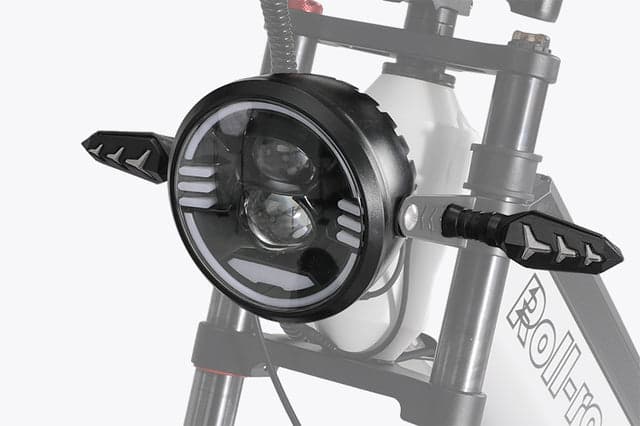 _1ROLL-ROAD
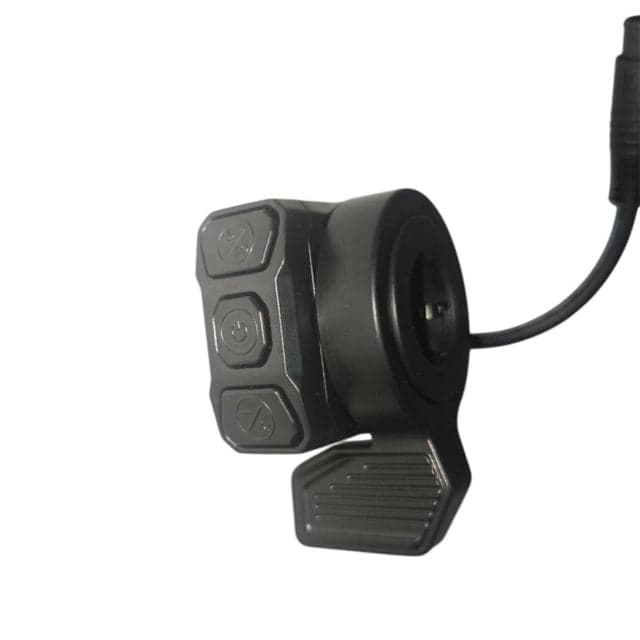 Ausom 48V & 52V Electric Scooter Thumb ThrottleAusomstore · $35.00
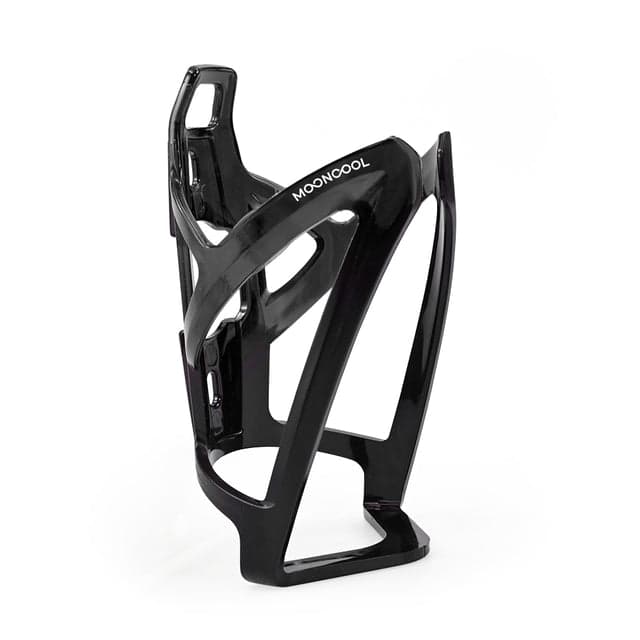 MC Water Bottle CageMooncool · $14.99
When Prices Drop: What Discounts Actually Cover
Sales happen in two seasons: early spring (March to April) when new models arrive, and late autumn (October to November) before year-end stock clearance. End-of-year sales cut 15 to 25 percent off previous-year models. Spring sales are smaller because new inventory is expensive. Flash sales during events like Black Friday typically discount 20 to 35 percent on older SKUs but rarely touch current-year flagship models. Subscription services and loyalty programs sometimes stack discounts—if you're a member, a 20 percent off sale becomes 25 percent. What you don't save on: motorized components, batteries, or brakes. Discounts apply to the frame, cosmetics, and bundle deals (e.g., scooter plus bag, e-bike plus lights). Buying a two-year-old model clearance is smart if the warranty transfers; buying a no-name brand on deep discount is not, because the savings disappear when something breaks. Brand-authorized retailers often honour sales codes from the official brand website; third-party sellers sometimes impose minimum purchases or exclude certain models. If you see a deal that looks too good (50 percent off a premium brand), check the model year and specifications against the current lineup—you might be looking at refurbished stock rather than new.
Common Mistakes: What People Get Wrong When Comparing
The biggest mistake is believing motor wattage tells you everything. A 750-watt e-bike and a 1400-watt scooter are not equivalent—the bike will outclimb and outrange the scooter even at half the wattage, because pedal assist and wheel size matter more than raw power. People also assume e-bikes are all the same and scooters are all the same. They're not. A cargo e-bike with an 80-pound payload is a completely different machine from a lightweight commuter model. A dual-motor scooter with hydraulic disc brakes behaves nothing like a budget scooter with rim brakes. Comparing models across categories by price alone is a trap: a £1,200 e-bike and a £1,200 scooter are in different leagues because batteries are the biggest cost, and an e-bike battery lasts longer per pound of capacity. Another common error is ignoring local regulations. E-bike assistance limits (250 watts in Europe, 750 watts in North America) are often ignored by sellers; buying an 1500-watt moped like ROLL-ROAD's Shark model might be legal for off-road use but not street legal in your region. Scooter speed and power limits vary wildly by city—some cities cap them at 15 mph. Check your local bylaws before buying. Finally, people underestimate the importance of test rides and returns. Ordering online without trying the machine first, then struggling with the weight or balance for months, is false savings. A 15-day return period is worth more than a 20 percent discount that locks you into the wrong choice.
Mistakes Shoppers Make: Avoiding the Costly Ones
Do not buy based on marketing claims alone. A scooter advertised at 50 miles of range will deliver 35 miles in real riding (wind, hills, weight add up). An e-bike rated for 80 miles assumes continuous pedal-assist output; pure throttle mode cuts range in half. Always subtract 30 percent from claimed range. Do not assume the cheapest option is a bargain. A £400 scooter will cost £200 to repair when the battery fails in year two; a £1,200 scooter with a 2-year battery warranty costs less to own over 3 years. Do not ignore warranty details. Some manufacturers limit warranties to the original buyer; others require you to register within 30 days. A missing receipt can void coverage. Check whether parts are available as spares locally or whether you'll need to order from overseas (adding shipping time and cost). Do not overlook your local climate. E-bikes and scooters dislike cold, wet winters; batteries lose 15 to 20 percent of range in winter, and salt spray corrodes electronic connectors. If you live somewhere with harsh winters, budget for seasonal storage or winter-rated models (which cost more). Finally, do not assume you'll use the thing you're buying. Optimism bias is real: many people buy ambitious-range e-bikes imagining long weekend rides, then use them for 3-mile commutes 4 days a week and watch dust accumulate. Be honest about your actual usage pattern. Scooters suit inconsistent use better (just charge and ride); e-bikes suit steady daily use better (maintenance is easier to manage).
Our top picks

ROLL-ROAD60% off
High-power moped-style e-bikes over 35 mph with 1500-watt motors and 70-mile range, for riders wanting a heavier commuter or two-seater capacity.
Shop ROLL-ROAD →22 ROLL-ROAD coupons →
Ausomstore50% off
Dual-motor electric scooters up to 56 miles range and 3200-watt peak power, built for adults prioritizing long-distance urban rides and hill climbing.
Shop Ausomstore →18 Ausomstore coupons →
Mooncool70% off
Electric tricycles with 350 to 750-watt motors for seniors and stability-focused riders, offering 25 to 75-mile range and 450-pound payload capacity.
Shop Mooncool →16 Mooncool coupons →Frequently asked questions
Is an e-bike safer than an electric scooter?
E-bikes are generally safer. They offer larger wheels, lower centres of gravity, and more stability, plus built-in exercise and pedal-assist options. Scooter injury rates run three to four times higher, especially for falls and impact injuries, because of smaller wheels and standing platforms. Beginners should start with e-bikes.
How far can an e-bike and scooter really go?
E-bikes deliver 40 to 60 miles per charge in real riding; scooters manage 15 to 30 miles. The difference comes from pedal-assist extending battery life on e-bikes. Subtract 30 percent from marketing claims in both cases, as cold weather, hills, and rider weight reduce range significantly.
Which costs less to own over 3 years?
E-bikes cost less long-term despite higher upfront price. An e-scooter costs 30 to 40 percent less initially, but battery replacement (often needed after 2 years) and regular bolt/electrical maintenance add up. E-bikes need chain and brake work, but pedal-assist extends component life compared to throttle-only scooters.
- https://pctechmag.com/2026/08/electric-scooters-vs-electric-bikes-which-fits-your-commute/
- https://greenmoov.app/articles/en/ebike-vs-electric-scooter-ultimate-2026-comparison-guide-for-commuters-and-beginners
- https://newurtopia.com/blogs/blog/electric-bike-vs-scooter-for-commuting
- https://riderguide.com/reviews/electric-scooters-vs-e-bikes-in-2026/
- https://roll-road.com/
- https://ausomstore.com/