
What's new in fall sneakers this season
Fall 2026 sneaker trends revolve around four main directions: suede materials, metallic finishes, hiking-inspired chunky soles, and velcro closures. Suede feels luxurious without being loud, connecting to fall's tactile season while maintaining modern appeal. Metallics provide subtle shimmer that remains wearable with everyday outfits. Hiking and climbing-inspired sneakers bring technical, outdoor aesthetics to fashion, proving that function and style can coexist. Velcro straps reflect a broader movement toward playful, childhood-inspired design elements. The overall palette includes jewel tones—burgundy, emerald, sapphire—rendered in soft suede, plus neutrals like chocolate and latte for versatility. Low-profile silhouettes dominate, moving away from chunky athletic shoes. These trends matter now because early season purchasing determines your options; popular styles sell through before discounts arrive.
How to choose the right materials for fall
Sneaker materials determine durability, breathability, and how they age. Leather remains the premium choice; full-grain leather develops a rich patina over time and molds to your foot's unique shape. It offers superior water resistance and thermal protection compared to mesh, making it ideal for fall weather. Suede, trending this season, combines luxury appearance with tactile appeal but requires more care than leather. Synthetic materials like polyester and nylon offer budget-friendly durability with good water resistance, though they lack leather's natural breathability. Mesh fabrics excel at airflow, reducing internal humidity, making them comfortable for active wear though less weatherproof. For fall specifically, blended materials work well—combining suede uppers with performance soles, or pairing leather with mesh panels for breathability. Consider your climate and intended use: rainy fall regions benefit from leather-heavy construction, while moderate climates allow for more breathable mesh combinations. Fall sneakers with whipstitching, shearling trim, or calf-hair details add visual interest but require attention during cleaning.
What to skip and what's truly essential
Skip trendy-but-uncomfortable pairs. No sneaker is worth blisters or foot pain, regardless of how current the style. Avoid shoes with plastic or purely synthetic soles; quality soles should resist bending and include a slight heel for natural gait support. Don't prioritize appearance over construction—cheap uppers that fray, split seams, or lose shape after a few wears waste money. Skip velcro-only closures if you need adjustability; laces paired with velcro offer flexibility. Unnecessary features to avoid: overly stiff leather that won't break in (quality leather feels supple immediately), extremely narrow fits that claim they'll stretch (feet don't reshape dramatically), and heavy-duty cushioning if you don't need it. What's essential: proper arch support for your foot type, breathable uppers for all-day wear, durable outsoles with traction, and construction that resists creasing. Quality sneakers should feel comfortable from day one. Patterns like paisley or leopard print are trend pieces; solid colors and neutrals stay current longer and coordinate more easily. Padding around the ankle and tongue matters more than aesthetic detailing.
Finding the right sneaker for your style
Different buyer profiles match different fall 2026 sneaker types. If you prefer minimalist, everyday wearability, low-profile sneakers in neutral suede (chocolate, latte, beige) pair seamlessly with jeans, sweatsuits, and casual outfits. These work for all ages and occasions. For those seeking a statement, metallic finishes in silver or gold add visual interest while remaining relatively neutral; these suit people who want subtle sparkle without loud branding. Outdoor enthusiasts and those valuing function-over-fashion lean toward hiking-inspired technical sneakers with chunky, rugged soles; these create contrast with sleek outfits and perform well on uneven terrain. People drawn to nostalgia gravitate toward retro runners and 90s silhouettes; New Balance 237s, classic Vans, and Reebok styles offer familiar shapes updated with current materials. Parents and casual wearers appreciate velcro-closure sneakers for ease; these feel playful and practical. Fall fashion enthusiasts who follow trends closely opt for calf-hair or shearling-trimmed styles, paying attention to seasonal details. Consider whether you want a workhorse sneaker (neutral, durable, works with everything) or a conversation piece (jewel-toned, textured, makes an outfit statement). Your lifestyle determines practicality; office workers need shoes that transition to professional settings, while creative industries allow bolder choices.
Quality and value: separating good buys from bargains
Quality sneakers justify higher prices through construction longevity, material integrity, and fit consistency. Premium sneakers use full-grain leather that softens and personalizes over years, quality stitching that resists fraying, and soles constructed to resist creasing and maintain shape. Mid-range brands offer solid construction at accessible prices; suede sneakers in this tier feel authentic and age well. Budget sneakers often sacrifice sole quality, use synthetic uppers that don't breathe, or feature stitching that fails within months. The price tiers matter: expect $40–80 for basic synthetic sneakers, $80–150 for quality leather or suede with reliable construction, and $150+ for premium full-grain leather, technical features, or designer collaborations. Value doesn't mean cheapest; it means longevity per dollar. A $120 leather suede sneaker worn for two years costs less per wear than a $50 synthetic pair worn for four months. Check construction: turn the shoe over and inspect stitching along the sole, look for even gluing, and verify that materials feel substantial. Brands offering transparent information about leather sourcing and manufacturing often deliver better quality. Be wary of heavily discounted new releases; standard models eventually markdown 30–40%, while limited editions and collaborations rarely drop in price. Quality sneakers maintain shape after cleaning, don't develop visible creases quickly, and feel better after a few wears as materials relax slightly.
Sizing and fit: getting it right the first time
Proper sneaker fit prevents blisters, foot pain, and wasted money. Sneakers should feel snug but not tight—like a firm handshake, not a vice grip. Your foot should sit naturally without cramping, sliding, or feeling restricted. Always leave approximately half an inch to three-quarters of an inch of space at the toe, roughly a thumb's width. This space maintains circulation, prevents hammertoes, and allows natural gait. When between sizes, size up; feet swell throughout the day by up to half a size, and undersizing causes afternoon discomfort. Measure your feet in the afternoon or evening when they're largest, as morning measurements are inaccurate. Different brands fit differently: Nike Dunks and Converse tend to run small, while New Balance 574 and 990 run slightly large. Adidas Samba and Gazelle fit true to size. Always walk around when trying on sneakers—stand-only testing misses fit issues that emerge with movement. Don't assume your size; verify with a size chart specific to each brand. Quality sneakers feel comfortable immediately; sharp pain, numbness, or blistering indicate wrong sizing or incompatibility, not normal break-in. If a pair causes discomfort after a half-hour of wear, they won't improve. Return them. Width matters as much as length; narrow sneakers won't widen significantly, while wide feet need specifically constructed styles.
When prices drop: timing your purchase strategically
Sneaker prices follow predictable seasonal cycles. January clearance offers the deepest discounts (40–70% off) as retailers clear winter inventory, with excellent selection and availability. Late October through early November markdown events discount prices up to 40%, preparing for holiday inventory. Black Friday typically runs through the following week, with up to 60% off major brands. Post-holiday clearance in late December through early January clears remaining seasonal stock rapidly. Summer end-of-season sales (August–September) run up to 50% off. New releases remain full price for the first 30 days; wait 60–90 days minimum for standard models to markdown. Limited editions and collaborations rarely discount. Discount codes realistically cover 15–25% of full price year-round unless during major sale windows. New brand collaborations sell fast and maintain prices; classic styles discount more frequently. Retailers announce sale calendars; subscribing to brand emails alerts you to upcoming sales. Black Friday is not necessarily the best time—January usually offers better selection and depth. Avoid chasing trends by waiting for sales; if you love a style now and it's a current season release, buy it rather than gambling it'll discount before selling out. Out-of-stock often occurs before prices drop significantly on trending styles.
Comparing sneakers: what most people get wrong
Most shoppers focus on appearance alone, overlooking the factors that determine daily wearability. Comparing only style or color ignores crucial differences: sole construction quality, material breathability, weight distribution, and seam durability. A visually similar sneaker from a budget brand wears out in months while a slightly different premium version lasts years. Many people assume brand names guarantee quality; established brands offer consistency but entry-level lines within the same brand vary dramatically from premium tiers. Comparing only price is equally misleading—a $65 sneaker might offer better value than a $120 pair if construction and materials justify the cost. Another common error: assuming all leather is equal. Full-grain leather is superior to corrected grain or bonded leather; the label might say "leather" without specifying quality. Online shoppers often ignore return policies; brands with easy returns reduce risk, while restrictive policies suggest less confidence in fit. Comparing reviews without context causes confusion; one negative review about narrow fit doesn't mean the shoe runs small—that person may have naturally wide feet. Pay attention to what reviewers wore before (Nike→Adidas sizing differs). Ignoring sole flexibility is a mistake; bend the heel area—quality soles resist bending moderately, poor ones either barely bend or collapse too easily. Material comparison matters: suede isn't inherently better than nylon, just different. Suede feels luxurious but requires maintenance; synthetic is practical. Neither is objectively superior—they suit different uses.
Common buying mistakes to avoid
The biggest mistake is buying without measuring feet; assumptions about your size waste money on returns. Measure in afternoon when feet are swollen for accuracy. Second mistake: skipping the walk test. Stand-up fitting misses pressure points that emerge when walking. Always move around in shoes before committing. Third: trusting sizing charts from your last purchase. Feet change over years; remeasure every couple of years. Fourth mistake is prioritizing style over comfort. A gorgeous pair that causes foot pain won't be worn and becomes expensive shelf décor. No design justifies daily discomfort. Fifth: not examining material quality before purchase. Feel the leather, inspect stitching for evenness, verify soles aren't purely plastic. Sixth mistake occurs with online shopping: ignoring return policies and shipping costs. A good deal becomes expensive if returns cost money or take weeks. Seventh: buying based on single sizing metrics. Length and width matter equally; a shoe that's the right length but too narrow causes blisters regardless. Eighth mistake is assuming sale prices indicate value. Sometimes items discount heavily because they don't fit anyone well or materials are poor. A full-price shoe from a reliable brand often delivers better value. Ninth: impulse buying trendy items without considering longevity. Paisley sneakers are fun now but age quickly; solid neutrals stay current. Finally, many avoid proper aftercare—sneakers last longer with regular cleaning, proper storage, and occasional conditioning. Ignoring maintenance turns a quality purchase into premature waste.
More deals in Jewelry
Gogo Lush40% off
Offers fashion-forward accessories including bracelets and necklaces ($30–$148 range) that pair well with any sneaker style, whether classic or trendy.
Shop Gogo Lush →15 Gogo Lush coupons →
Born To Rally40% off
Provides casual accessories like necklaces and bracelets ($10–$40 range) perfect for coordinating with fall sneaker outfits and everyday wear.
Shop Born To Rally →15 Born To Rally coupons →
Autumn Dragon35% off
Specializes in statement pieces including dragon-themed necklaces and bracelets ($20–$160 range) for bold fashion personalities who embrace eye-catching accessories.
Shop Autumn Dragon →15 Autumn Dragon coupons →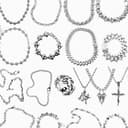
Personal Fears40% off
Curates necklaces, rings, and statement jewelry ($21–$139 range) that complement both minimalist and trendy sneaker aesthetics.
Shop Personal Fears →15 Personal Fears coupons →Frequently asked questions
Should I size up or down in sneakers?
Size up if between sizes. Feet swell throughout the day by up to half a size, and undersizing causes afternoon discomfort and blisters. Always measure feet in afternoon when largest, and leave half an inch to three-quarters inch space at the toe.
When is the best time to buy fall sneakers?
Late October through November offers up to 40% discounts during markdown events. January delivers the deepest discounts (40–70% off) with strong selection. Avoid waiting for sales on new releases; give them 60–90 days minimum to markdown, or buy now if you love the style.
Is suede worth the extra cost compared to synthetic?
Suede feels luxurious and ages beautifully but requires maintenance. Synthetic is practical and affordable. Neither is objectively superior—they suit different uses. Suede excels for occasional wear and statement pieces; synthetic works better for high-wear everyday sneakers. Consider your lifestyle before choosing.
- https://coveteur.com/fall-2026-sneaker-trends
- https://magpiebyjenshoop.com/trendy-sneakers-fall-2026/
- https://atoms.com/articles/how-should-sneakers-fit-the-complete-guide-to-perfect-shoe-sizing
- https://www.shopback.com/blog/fashion/nike-sale-timing
- https://atoms.com/articles/shoe-materials-definitive-guide-2026
- https://www.asphaltgold.com/en/blogs/allgemein/kaufberatung-sneaker-kaufen