
What Changed This Season in Home Gym Trends
Multi-functional equipment has replaced bulky single-use machines as the standard for 2026 home gyms. Adjustable dumbbells now replicate entire racks, benches fold from flat to incline to decline, and cable systems replicate dozens of gym machines in a compact footprint. Wearable technology and app-connected equipment lead the fitness trends for the third consecutive year, with more than 70 percent of wearable users applying device data to their training decisions. Recovery tools like vibration pads and massage guns are the fastest-growing equipment segment, while space-saving designs dominate as more people prioritize convenience and compact setups over the crowded gym experience. AI integration is transforming how home gym users track progress and adjust workouts in real time.
Specs That Actually Matter When Choosing Equipment
Steel frame thickness and welding quality are the foundations of durability. Look for powder-coated finishes that prevent rust and corrosion, and always check the maximum load capacity of benches, racks, and pulleys—undersized equipment can fail under normal use and poses serious safety risks. For adjustable equipment, verify that angle adjustments occur in small, manageable increments. Ergonomic design features including padded seats, cushioned handles, and adjustable positioning ensure proper body alignment and reduce injury risk. Motor power matters for cardio equipment; a 2.5HP servo motor operates smoothly and quietly, staying below 45 dB for home environments. Safety certifications from UL, CE Marking, or SEI indicate that equipment has undergone rigorous testing to meet specific standards. Non-slip surfaces and stable bases reduce accident risk during sweaty or intense workouts.
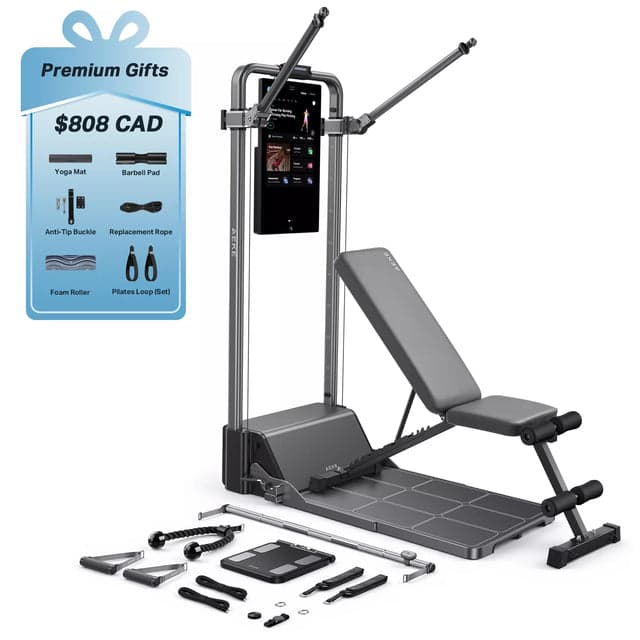 AEKE All-in-One Smart Home Gym S1 ProAEKE US · $4499.00
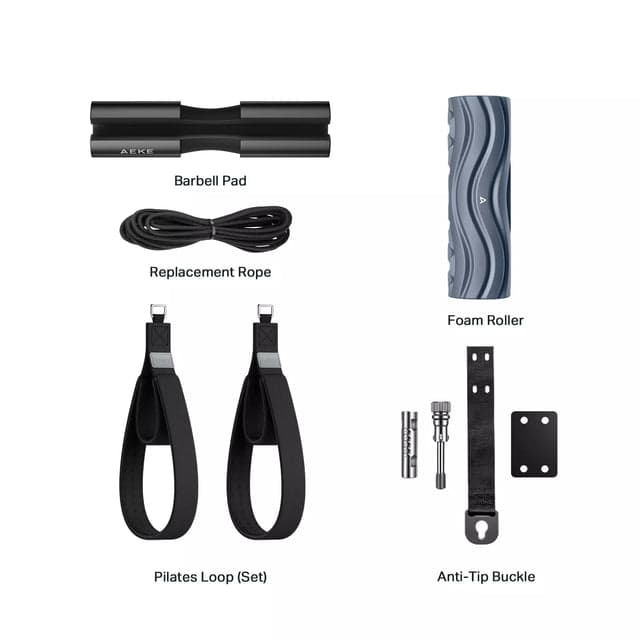 AEKE Premium Gift BundleAEKE US · $365.00
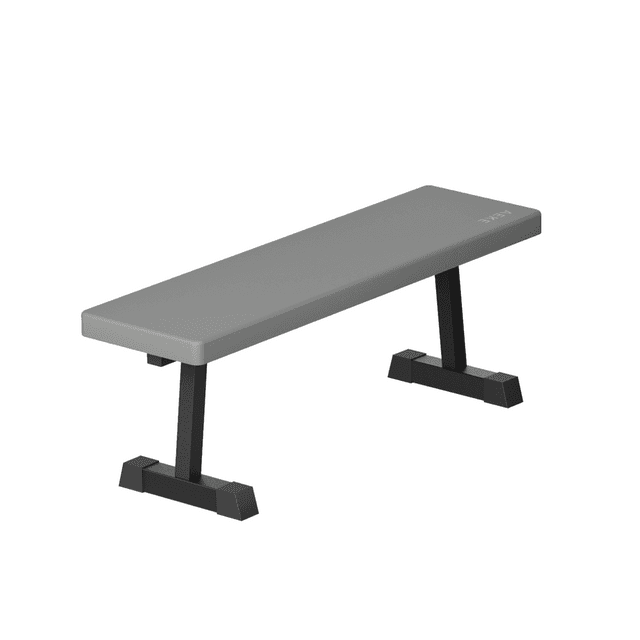 B3 Flat BenchAEKE US · $399.00
What You Can Safely Skip or Compromise On
Single-use machines that train only one muscle group rarely justify their footprint and cost in a home setting. Premium extra-thick padding on benches feels luxurious but adds weight and bulk for minimal functional benefit, particularly if your workout style doesn't involve heavy pressing. Motorized incline is nice but manual incline adjustment works just as well and eliminates mechanical failure points. You do not need commercial-grade equipment; home-rated equipment built to safe specs performs identically for personal training. A coat of paint or aesthetic finish does not affect performance. Consistency with whatever equipment you own delivers far better results than owning premium gear you never use. Budget-friendly setups with adjustable dumbbells, resistance bands, and a kettlebell enable full-body workouts without requiring much space or budget. A complete starter setup runs $200 to $300; the essentials with quality pieces cost $470 to $600.
Which Buyers Should Look at Each Equipment Type
Beginners entering home fitness should start with AEKE US equipment like the AEKE bench for adjustability and space efficiency, combined with resistance bands and basic dumbbells for versatility. Intermediate strength trainers benefit from power racks, cable systems, and adjustable dumbbells that scale with growing strength. Active professionals and desk workers gain enormous value from Sperax vibration pads, which offer 4-in-1 functionality including walking, light running, therapeutic vibration, and incline training under a desk without disrupting workflow. Recovery-focused users prioritize massage guns and mobility tools over heavy equipment. Cardio-only enthusiasts may justify a compact treadmill or stationary bike, but most home gyms gain more benefit from combining resistance training with walking or cycling as recovery. Aging adults and longevity-focused users should seek equipment emphasizing stability, recovery, and low-impact movement. Those with severe space constraints should focus on foldable, vertically storable designs rather than equipment that permanently claims floor space.
Quality Separates a Good Buy From a Cheap One
A quality home gym bench from AEKE US features extra-thick, wide surfaces with soft padding and premium PVC leather with enhanced grip for non-slip performance during sweaty workouts. Five-degree incremental angle adjustments in high-quality equipment allow you to target major and minor muscle groups safely. Durable, high-quality materials like sturdy steel resist plastic, and excellent build quality ensures years of reliable use. Cheap equipment typically costs you two to three times more over five years due to frequent replacements, repairs, and safety hazards. Rogue Fitness serves as the official equipment supplier to the CrossFit Games and US Olympic Weightlifting Team, and that pedigree reflects rigorous standards. When comparing brands, look for consistent customer ratings above 4.5 stars, and read reviews specifically about durability over months, not just initial impressions. AEKE equipment scores 4.9 out of 5 stars based on extensive reviews, with 98 percent recommending the product. Premium build quality costs more upfront but saves thousands in replacement and injury costs.
Getting Capacity and Sizing Right the First Time
Always choose equipment with a weight capacity that exceeds both your body weight and the weights you plan to lift, providing a margin of safety. Free weights require 20 to 50 square feet of usable floor space; treadmills take approximately 30 square feet; multi-station gyms demand 150 to 500 square feet. Leave at least 60 to 90 centimeters of clearance around each machine for safe movement. Measure your ceiling height before buying any equipment for overhead movements or pull-up bars. Plan two or three years ahead for strength progression, not just two or three weeks ahead—buy equipment that accommodates weights you aspire to lift, not only what you currently use. Foldable and compact designs like Sperax vibration pads (just 3.74 inches thick and 31 pounds) enable storage under sofas or beds. A 350-pound weight capacity on compact equipment ensures it serves most users safely. Consider doorway dimensions and stair access before purchasing; equipment too large to fit through your home costs extra for disassembly or delivery changes.
Saving Money: When Prices Drop and What Discounts Actually Cover
Black Friday remains the best time to buy home gym equipment, with discounts of 30 to 50 percent off large cardio machines like treadmills, ellipticals, and smart home gym systems. January and New Year sales offer decent deals with better selection, as brands discount inventory after holiday season. Labor Day attracts heavy discounts on high-ticket machines including bikes, treadmills, weights, and recovery tools. Amazon Prime Day in July delivers mid-year discounts of 20 to 40 percent off fitness equipment. Early summer (June) sees lower prices as demand shifts to outdoor workouts and retailers have less reason to hold the line. Smart home gym technology almost never goes on sale outside November through January. Massage guns, mobility tools, foam rollers, and recovery gear often see strong discounts during Prime Day. Discount codes typically apply to individual items, not bundled sets, so buying components separately may unlock more savings. Free shipping promotions often have minimum purchase thresholds, so calculate total cost including delivery before assuming a deal.
Where People Go Wrong When Comparing Options
Comparing too many options at once clouds decision-making; narrow your choices to two or three relevant models before diving deep. Ignoring your specific fitness goals leads to buying equipment that looks powerful or popular but doesn't match your actual training needs—fat loss, strength training, and recovery each require different equipment. Overlooking space constraints by trusting only product photos is a critical error; consider the room needed around equipment during actual use, storage requirements, and whether it fits through doors and stairs. Following trends without understanding function wastes money on viral devices that do not serve your body's needs or training approach. Shopping by price instead of failure rate leads buyers into cheap equipment cycles. Trusting unverified weight ratings poses safety risks; independent testing and customer reviews over extended periods matter far more than manufacturer claims. Not checking specifications thoroughly on resistance range, motor power, adjustability, and frame durability means settling for inferior smoothness and longevity. Comparing commercial-grade and home-grade equipment directly misleads; home-rated equipment built to safe specs performs identically for personal training at a fraction of the cost.
Mistakes Shoppers Make and How to Avoid Them
Failing to measure ceiling height before purchase can eliminate overhead movements and pull-ups after delivery. Buying equipment without a fitness plan ensures it sits unused, gathering dust. Choosing price over quality guarantees expensive long-term costs from replacements and repairs. Skipping proper storage solutions for dumbbells—buying weights without a rack—creates cleaning headaches and wastes floor space. Neglecting ventilation and lighting in your home gym makes workouts uncomfortable and discourages consistency. Forgoing professional delivery and installation compromises setup safety; equipment installed incorrectly poses injury risks and voids warranties. Not maintaining your equipment shortens its lifespan significantly; simple cleaning and periodic lubrication keep machines functioning smoothly for years. Overloading equipment beyond its weight capacity compromises integrity and safety. Remember that consistency matters more than equipment quality; a $20 jump rope used daily delivers better results than a $2,000 treadmill serving as a coat rack. Allocate adequate space before purchasing, plan your fitness goals clearly, and invest in quality pieces that match your available budget and space constraints.
Our top picks

AEKE US50% off
AEKE US benches offer 5-degree angle adjustments, extra-thick padding, and premium build quality rated 4.9 stars. Ideal for strength training and all fitness levels.
Shop AEKE US →17 AEKE US coupons →
Sperax55% off
Sperax vibration pads deliver 4-in-1 functionality in compact 3.74-inch profile with quiet 2.5HP motor. Perfect for desk workers and recovery-focused training.
Shop Sperax →15 Sperax coupons →Frequently asked questions
How much space do I actually need for a home gym?
Free weights need 20 to 50 square feet; treadmills need 30 square feet; multi-station gyms need 150 to 500 square feet. Always leave 60 to 90 centimeters of clearance around each machine. Measure your space and ceiling height before buying anything.
What's the best time of year to buy home gym equipment?
Black Friday offers 30-50 percent discounts on large machines. January has good deals with better selection. Prime Day (July) and Labor Day also feature strong discounts of 20-40 percent. Smart home gym tech rarely discounts outside November through January.
Should I buy the cheapest equipment option available?
No. Cheap equipment costs 2-3 times more over five years due to replacements and repairs. Investing in quality materials, solid build quality, and verified weight capacity saves money and prevents injury. A $20 jump rope used daily beats unused expensive equipment.
- https://www.ritfitsports.com/blogs/article/fitness-trends-2026
- https://sunnyhealthfitness.com/blogs/products/exercise-equipment-guide-what-to-look-for
- https://www.garagegymreviews.com/home-gym-essentials
- https://aeke.com/products/buy-aeke-b1
- https://sperax.com/products/p2max-walking-vibration-pad
- https://strengthwarehouseusa.com/blogs/resources/home-gym-mistakes