
What's changing in tea right now
Plastic-free tea bags have become a standard expectation rather than a luxury feature. Many consumers now actively seek out brands offering stitched paper or fully compostable alternatives to conventional plastic-lined bags. Organic and biodynamic certification has also gained prominence, with shoppers increasingly willing to pay more for tea sourced from farms practicing regenerative agriculture. Meanwhile, tea retailers are responding by offering more transparency about terroir, cultivars, and processing methods—information that was once limited to specialist suppliers. The market has also shifted toward smaller, thoughtfully curated purchases rather than bulk buying, as tea quality degrades over time, especially with green and white varieties. Hampstead Tea has pioneered this movement toward sustainability, offering 100% organic and biodynamic teas in fully plastic-free, stitched tea bags.
Understanding the core types of tea
All 'true' teas come from one plant: camellia sinensis. What makes them different is how they're processed after harvest, which determines their oxidation level and flavor. Black tea is fully oxidized, turning dark and developing bold, malty notes with the most caffeine. Green tea is quickly steamed or pan-fired to stop oxidation, preserving its vegetal freshness and bright color. Oolong sits between them, partially oxidized anywhere from 10 to 80 percent, giving you both the body of black tea and the brightness of green. White tea experiences minimal oxidation and comes from the earliest buds, creating delicate, subtle flavors. Pu-erh undergoes fermentation and aging, developing rich, earthy character. Herbal teas and rooibos, though not 'true' teas, offer caffeine-free alternatives. Each type has distinct brewing requirements and shelf life, so understanding which category appeals to you is the first step in choosing well.
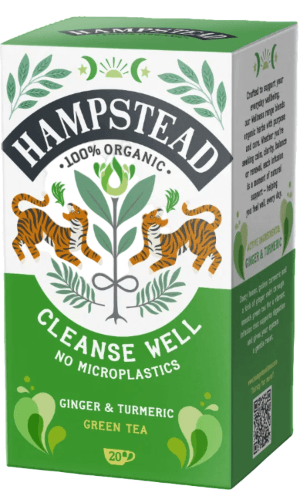 Organic Cleanse Well Tea bagsHampstead Tea · $3.99
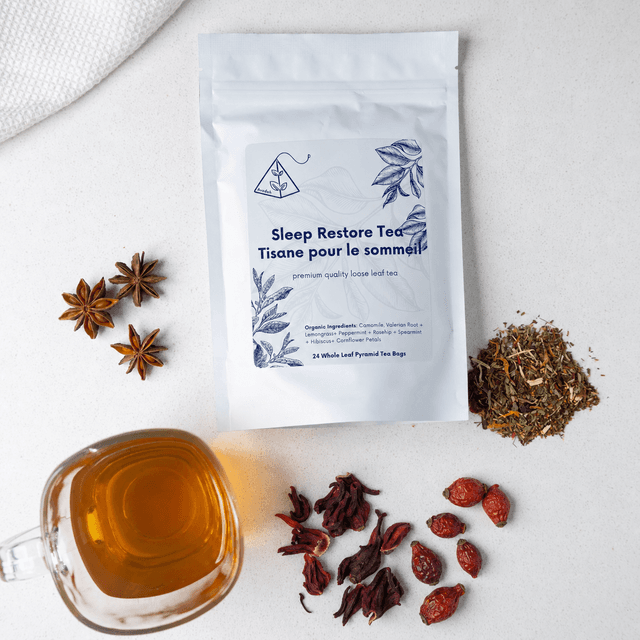 Sleep Restore Tea Buy 2 get 1Avodah Mugs and Teas · $20.00
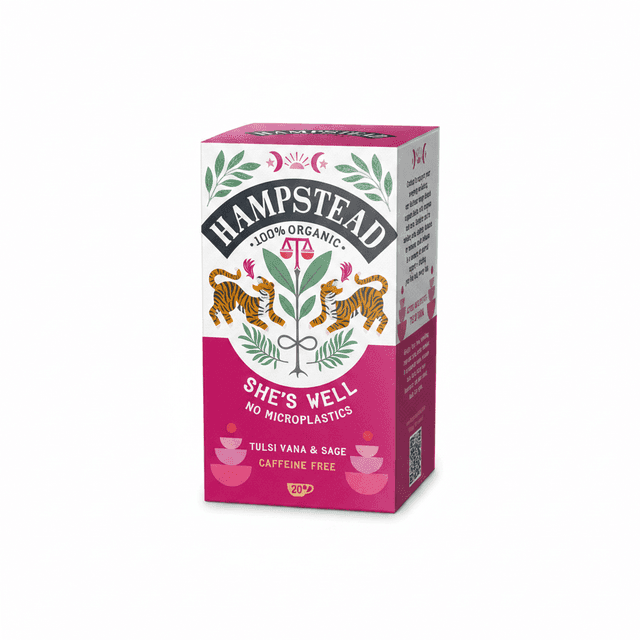 Organic She's Well Herbal Tea BagsHampstead Tea · $3.99
Loose leaf versus tea bags: the real trade-offs
Loose-leaf tea almost always tastes better because the leaves stay whole and intact, releasing more natural oils, flavor compounds, and aroma as they steep. They also expand freely in your cup or infuser, extracting flavor more evenly. Tea bags, especially low-cost ones, often contain broken leaves, fannings, or dust—essentially scraps from processing—which brew quickly but taste flatter or more bitter. However, tea bags win on speed and consistency; they're pre-portioned and forgiving, making them ideal for office or travel use. For quality, loose-leaf is the safer bet, but there's a catch: you need an infuser or strainer. Avodah Mugs and Teas offers infusers alongside their tea selection, which solves this barrier for newcomers. If you choose bags, look for brands using unbleached paper, organic cotton strings, and truly plastic-free construction—not PLA, which is plant-based but still microplastic. Hampstead Tea's stitched bags meet these criteria entirely. Start with whichever format matches your lifestyle, then upgrade to loose-leaf if you want richer flavor.
Which tea suits which buyer
If you're budget-conscious and want a forgiving entry point, black tea or herbal blends are your best bet—they're hard to over-steep and rarely turn bitter. Brands like e-thes offer affordable selections across multiple types. If you value sustainability and organic certification, Hampstead Tea's entire range is biodynamic and plastic-free, though at a higher price point. If you're a flavor explorer, oolong or white tea gives you endless variation and terroir expression—expect to pay more and invest in better brewing equipment. For convenience, pre-portioned tea bags from reputable brands work, but read the ingredients carefully; some still contain plastic or synthetic fiber in the bag itself. If you're building a serious collection, loose-leaf from specialty retailers lets you buy small quantities—50 to 100 grams per type—so you can rotate through more flavors without waste. Cold-brew enthusiasts should favor green or white teas, which steep gently in cold water and release less bitterness than black tea.
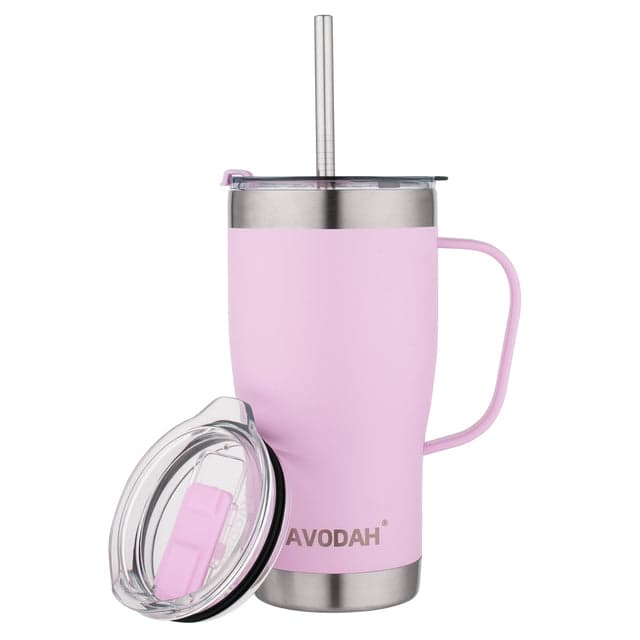 Pink Travel MugsAvodah Mugs and Teas · $26.00
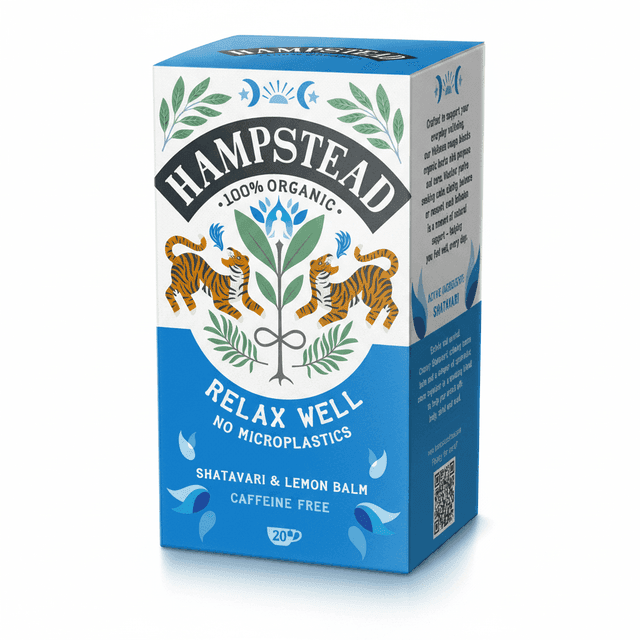 Organic Relax Well Herbal Tea bagsHampstead Tea · $3.99
 Custom Design MugAvodah Mugs and Teas · $20.00
Quality marks that actually matter
Whole-leaf tea is the clearest quality signal. Grading systems like 'FTGFOP' (Flowery Tippy Golden Fluffy Orange Pekoe) describe leaf size and quality, with larger pieces indicating higher grade. A reputable seller will list the origin, harvest date, and processing method; vague labels like 'black tea blend' are a red flag. Organic and fair-trade certifications carry real meaning if independently verified, though they also raise the price. Biodynamic certification goes further, auditing the farm's entire ecosystem and soil practices, not just pesticide use. Hampstead Tea provides full biodynamic certification and plastic-free packaging on their teas. Terroir matters for some teas more than others: Darjeeling, Oolong, and Pu-erh gain complexity from their growing region, so origin information is valuable. Herbal blends should list every ingredient clearly; if you see 'natural flavors' without specifics, the actual flavor content is probably minimal. Taste alone isn't reliable—even poor tea can taste passable in your first few tries—so trust third-party reviews and brand transparency over personal initial impressions.
Storage, shelf life, and freshness
Tea deteriorates with time, light, and humidity, though the rate varies wildly by type. Green and white teas are most fragile and should be consumed within 6 to 12 months of purchase for peak flavor; they fade gradually but won't become unsafe. Black tea and oolong last 2 to 3 years if stored properly. Pu-erh actually improves with age, sometimes for decades, as long as conditions are stable. Matcha powder has the shortest usable window—about 1 month opened, 6 months sealed. Storage rules apply universally: airtight containers, away from light, heat, and humidity. A kitchen cupboard is fine; above the stove is not. If you're new to loose-leaf, start with 50- to 100-gram quantities of each variety to keep them fresh and let you experiment without commitment. Large bulk purchases are tempting but almost always result in stale tea at the bottom. Vacuum-sealed bags and opaque tins extend shelf life significantly. Avodah Mugs and Teas provides small-format options that respect this natural degradation curve.
When discounts actually work in tea
Tea prices rarely drop dramatically; margins are already tight at specialty retailers, and bulk discounts are uncommon because customers are buying small quantities. What does work: seasonal sales around holidays (autumn for warming blends, spring for fresh greens), new customer codes offering 10 to 15 percent off first purchases, and subscription programs bundling tea monthly at a slight discount. Watch for 'sampler' sets, which let you try multiple teas at lower per-gram cost than buying separately. Some retailers offer free shipping thresholds, which can represent genuine savings if you buy several varieties. Organic and biodynamic teas rarely discount because producers maintain fixed pricing to support farming practices. Bulk purchasing—buying a year's worth of your favorite—can save money if you drink tea consistently, but this only works for black, oolong, or pu-erh; greens and whites won't stay fresh that long. Beware of 'flash sales' at unfamiliar retailers; quality tea sourced well doesn't need aggressive discounting, and suspiciously cheap tea often means corners cut on freshness, storage, or origin verification. Loyalty programs and email clubs from established brands offer modest savings over time without requiring bulk commitments.
Common mistakes in comparing tea options
Mistake one: judging tea by price alone. The cheapest option usually requires you to use more leaf to achieve flavor, making it less cost-effective in practice and often less satisfying. Mistake two: buying tea that's too demanding for your skill level. Japanese green teas and delicate oolongs require precise water temperature and timing; if you're new, choose forgiving types like black tea or herbal blends first. Mistake three: assuming all organic tea tastes the same. Biodynamic practices, origin, cultivar, and processing method all create variation even within certified organic ranges. Mistake four: buying too large a quantity. Greener teas deteriorate quickly, and you might tire of a flavor before finishing it. Starting small lets you sample methodically. Mistake five: confusing plastic-free labeling with truly sustainable packaging. Some 'plant-based' bags are still microplastic; look for stitched paper or paper-only construction. E-thes and Hampstead Tea offer clearly labeled, genuinely plastic-free alternatives. Mistake six: ignoring brewing instructions. The difference between a 3-minute and 5-minute steep, or water at 170°F versus 200°F, can transform a tea from delicious to bitter. Quality retailers always include this information.
Avoiding buyer's remorse with tea
Start small and resist the urge to buy a large collection immediately. A 50-gram tin of one variety teaches you more than a kilogram of mixed options. Read the full product description before purchasing—origin, harvest date, processing notes, and brewing instructions are non-negotiable. If a retailer doesn't provide these, they don't know their product well enough. Check the packaging before ordering. Look for airtight, opaque containers, not clear bags in bright light. Verify that tea bags, if you choose them, are truly plastic-free; unbleached paper and organic cotton string should be explicitly stated. Don't assume expensive means good. A mid-range loose-leaf tea from a transparent, established retailer will almost always outperform a pricey novelty blend. Buy from retailers who list sourcing clearly and offer tasting notes written by people who've actually tasted the tea. Buy only what you'll drink in the recommended freshness window. If you love green tea but work 60 hours a week, a year's supply of white tea won't work. Finally, remember that tea is subjective; a highly rated oolong might not suit your palate, and that's not a failure—it's information for your next purchase. Avodah Mugs and Teas and e-thes both offer sampler sets and small quantities, reducing the risk of expensive mistakes.
Our top picks

Hampstead Tea75% off
100% organic and biodynamic teas with fully plastic-free, stitched tea bags. Ideal for sustainability-focused buyers unwilling to compromise on certification or environmental impact.
Shop Hampstead Tea →15 Hampstead Tea coupons →
e-thes55% off
Curated selection of teas, infusions, and rooibos across price ranges. Works for explorers testing multiple types and budgets without overwhelming choice.
Shop e-thes →15 e-thes coupons →
Avodah Mugs and Teas90% off
Combines tea offerings with infusers and mugs, solving the equipment barrier for loose-leaf newcomers. Bridges format choice and practical brewing.
Shop Avodah Mugs and Teas →15 Avodah Mugs and Teas coupons →Frequently asked questions
How much tea should I buy as a beginner?
Start with 50–100 grams per variety. This quantity respects tea's shelf life, lets you taste multiple types without commitment, and prevents waste if a flavor doesn't suit you. Once you identify favorites, larger purchases make sense for black and oolong teas, which last 2–3 years.
Is organic tea always better than conventional?
Organic certification means no synthetic pesticides, which matters if that concerns you, but flavor and quality depend more on terroir, processing, and freshness. Biodynamic certification is stricter and audits broader farm practices. Neither guarantees superior taste, only different sourcing values.
Why does loose-leaf tea cost more than tea bags?
Loose-leaf uses whole leaves, which are larger and less processed than the dust inside bags. Whole leaves release flavor more evenly and stay fresh longer. The higher price reflects better raw material, not just marketing; you also use less leaf per cup because more flavor is retained.
- https://artfultea.com/blogs/101/types-of-tea-a-comprehensive-guide
- https://www.masterclass.com/articles/tea-bags-vs-loose-leaf-tea
- https://www.hampsteadtea.com/
- https://tealeafways.com/5-loose-leaf-tea-purchase-mistakes-beginners-must-avoid.html
- https://tasteoftea.com/blogs/best-tea-choices/best-flavored-tea
- https://www.worldteanews.com/supply-chain/top-5-mistakes-avoid-when-procuring-tea