
Why body chemistry matters this season
Fragrance selection has shifted from a one-size-fits-all approach to a personalized science. Consumers increasingly understand that the same perfume smells dramatically different on each person—not because the bottle changed, but because skin pH, natural oils, body temperature, and even diet alter how fragrance molecules interact with your body. This seasonal shift means shoppers are moving away from generic "bestseller" lists and toward testing products on their own skin before buying. Humidity levels and body heat vary seasonally too; a fragrance that projects beautifully in winter may feel muted or disappear quickly in summer heat. Additionally, hormonal fluctuations, medications, and hydration levels change throughout the year, which means your favorite scent from last season may perform differently now. Understanding these variables helps buyers invest confidently in bottles that will actually work for their body, rather than treating fragrance as a gamble.
Specs that actually matter: concentration and notes
Fragrance concentration—the percentage of fragrance oils in the liquid—is the primary technical specification that affects performance. Eau de Toilette (EDT) contains 5-15% fragrance oils and typically lasts 3-5 hours, emphasizing lighter, fresher top notes that open immediately. Eau de Parfum (EDP) contains 15-20% fragrance oils and lasts 4-8 hours or longer, with richer depth and more complex note evolution. An important note: the same fragrance name in EDT versus EDP is often reformulated entirely—the EDP is not simply a stronger version. For example, one brand's Eros EDT reads as brighter and minty, while the EDP is sweeter and heavier. Fragrance notes themselves (citrus, floral, woody, oriental, oud) significantly influence longevity independent of concentration; a light citrus EDP will fade faster than a heavy amber EDT. When shopping at retailers like Aroma Retail or FragranceShop.com, pay attention to both the concentration label and the listed notes. Extrait de Parfum, found at specialized retailers like jordankoenig.de, contains 20-30% oils and represents the highest concentration for serious collectors, though the price reflects the intensity.
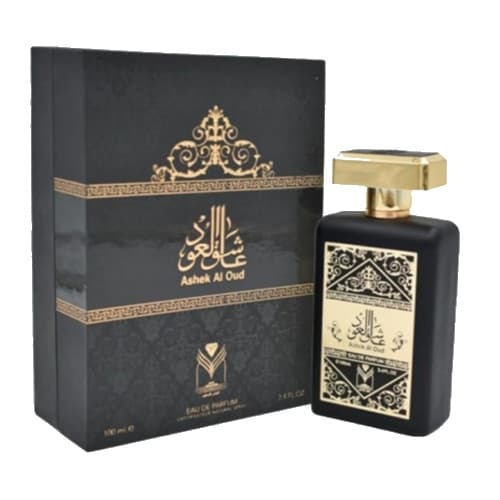 Almas Perfumes Ashek Al Oud Perfume for UnisexFragranceShop.com · $20.95
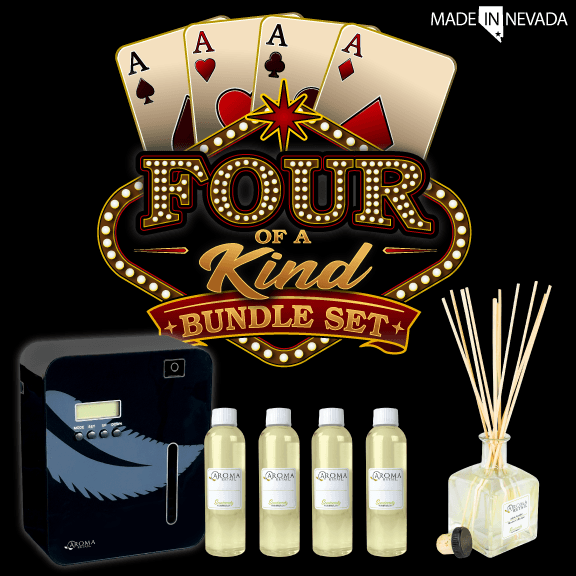 Four of a Kind Bundle SetAroma Retail · $299.95
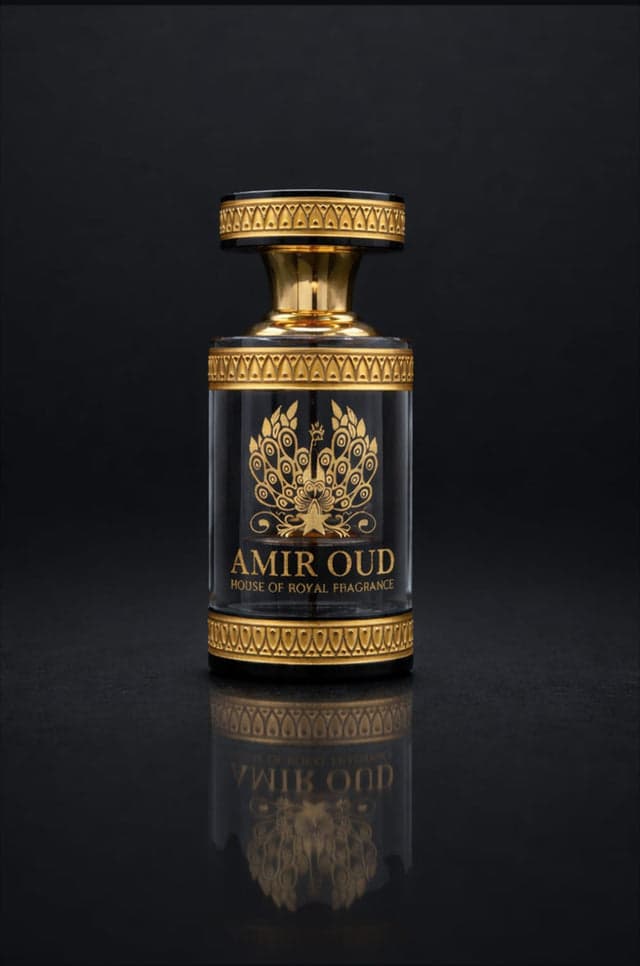 Black Star Oil BlendAmir Oud Fragrance · $49.00
Trade-offs and what you can skip
The most common mistake is believing that price directly correlates with how well a fragrance will work for your body. An expensive designer perfume from a luxury counter may perform poorly on your skin while an affordable fragrance from a discount retailer like FragranceShop.com performs beautifully. The price difference often reflects branding, packaging, and retail markup rather than fragrance quality. You can safely skip paying department-store prices; online retailers offer legitimate designer fragrances at significant discounts. However, do not skip the testing phase—this is non-negotiable. Sample on your actual skin for a full day before committing to a full bottle. Testing on paper blotter strips is useless because they do not replicate your skin's chemistry. Another skippable expense is buying multiple bottles in different concentrations of the same scent; instead, buy one concentration that fits your intended use (EDT for daily office wear, EDP for evenings). You can also skip fragrance layering products unless your skin is very dry—basic moisturizer underneath works just as well. Smaller bottle sizes (1-2 ml sample vials) cost very little and let you test multiple fragrances without waste, making them ideal for determining your preferences before investing in a full 50 ml or 100 ml bottle.
Match your skin type to the right fragrance families
Oily skin naturally holds fragrance molecules longer because sebum traps scent compounds and slows evaporation. If you have oily skin, you benefit from heavier, more intense fragrance families—oriental, floriental, musky, spicy, balsamic, and leathery notes all develop beautifully on oily skin and project strongly throughout the day. You can wear concentration levels that might feel overwhelming on other skin types. Dry skin releases fragrance quickly because there is insufficient oil to hold scent molecules; perfumes evaporate rapidly and smell muted. If your skin is dry, moisturize before application and choose lighter, fresher fragrance families—citrus, green, ozonic, aromatic, fruity, floral, and woody notes work better on dry skin and maintain presence longer when the skin is hydrated underneath. Normal to combination skin is the most flexible; you can wear any fragrance family, though testing remains important. Skin pH adds another layer: acidic skin (standard range 4.5-5.5) can make citrusy fragrances sharper and cause them to fade faster, while woody and spicy scents hold up better. Alkaline skin tends to intensify musky and sweet notes, making fragrances feel heavier. Retailers like Amir Oud Fragrance and Al-Rashad Inc specialize in Arabian oud perfumes, which are naturally heavy and project strongly—these suit oily or alkaline skin best. If you are uncertain about your skin pH, a simple test is to notice which fragrance families consistently disappoint you or last barely an hour; that mismatch often signals a pH or oil-level issue.
 Maison Alhambra Sugar Me Creme Brulee Eau de Parfum by Maison AlhambraFragrance365 · $82.00
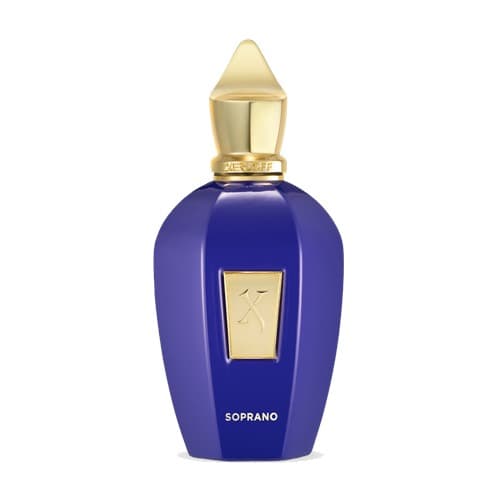 Xerjoff Soprano Perfume for UnisexFragranceShop.com · $162.95
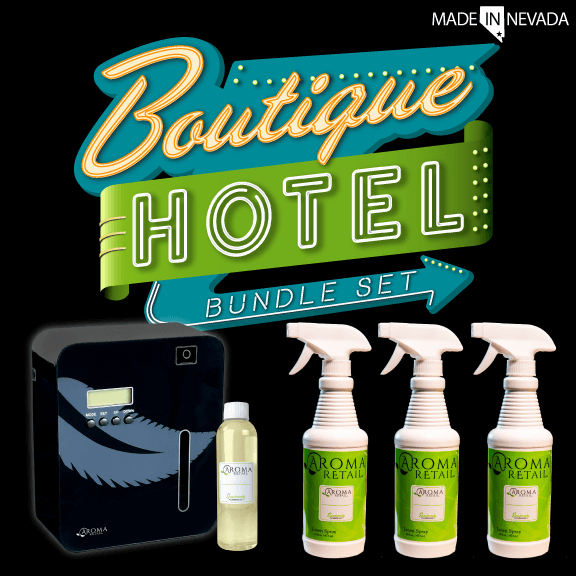 Boutique Hotel Bundle SetAroma Retail · $259.95
Quality versus price: what separates good buys
Fragrance quality is determined by raw material sourcing, formula stability, and note complexity rather than brand prestige. A high-quality perfume has a clear beginning (top notes), a developed middle (heart notes), and a lingering finish (base notes) that unfold over hours. Cheap fragrances often flatten into one-dimensional smells or smell synthetic within minutes. However, price does not guarantee quality. Designer fragrances sold at full retail department-store prices ($100+) are often identical to the same bottles at online retailers for $40-60; you are paying markup, not better quality. Fragrance365 and other online retailers offer genuine designer fragrances at deep discounts because they have lower overhead than physical stores. Watch for warning signs of poor quality: an unusually cheap price combined with a brand name you have never heard of (often indicates counterfeit), fragrance that smells harsh or plastic-like, or bottles with loose caps or leaking seals. Natural or niche perfume houses sometimes command high prices because they use rare, expensive ingredients—genuine oud from Arabian suppliers costs significantly more than synthetic oud, but the smell difference is noticeable. Slatkin + Co. represents the middle market with body care and home fragrance products at moderate prices; quality is reliable but not exceptional. When comparing value, cost per wear matters more than bottle price. A $50 EDP that lasts 6 hours and you love costs less per wear than a $30 EDT you dislike and never wear. Buy smaller sizes first (30 ml or sample sizes) from retailers like Aroma Retail to test before committing to large bottles.
Longevity and staying power on your skin
How long a fragrance lasts depends on concentration, your skin chemistry, and fragrance family, not on how much you spray. Applying more product simply creates overpowering scent clouds and empties the bottle faster. Standard application is 2-4 spritzes on pulse points—typically wrists, neck, inner elbows, and behind ears. These areas are warmer, which accelerates fragrance molecule evaporation and increases projection and longevity. If you have oily skin, expect fragrances to last toward the upper end of their rated range or beyond (EDT 5+ hours, EDP 8+ hours). If your skin is dry, expect shorter wear time and plan to reapply midday if needed. Humidity and temperature affect longevity significantly; dry, cool weather weakens fragrance performance while heat and humidity amplify it. A fragrance that lasts 8 hours in summer may last only 5 hours in winter. Layering with matching body lotion or oils extends longevity because the additional fragrance molecules create a buffer against evaporation; this strategy works especially well for dry skin. However, do not over-layer with unrelated products, which can create clashing scents. Olfactory adaptation—your nose filtering out familiar scents after 20-30 minutes—is normal and does not mean the fragrance faded; others can still smell it on you. To gauge true longevity, ask someone else if they smell your fragrance at different times of day. Shopping at retailers like FragranceShop.com or Fragrance365 means you can read customer reviews that often mention longevity on different skin types, giving you realistic expectations before purchase.
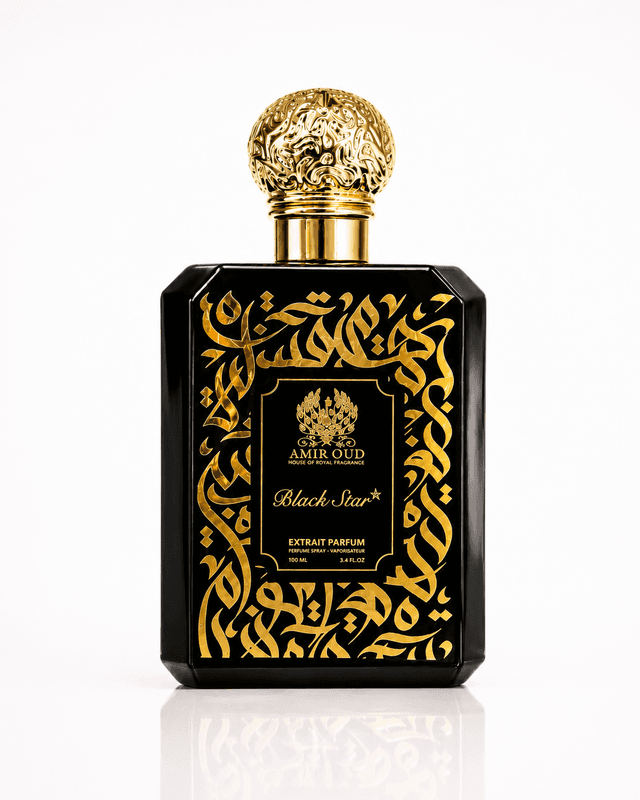 Black StarAmir Oud Fragrance · $110.00
 Maison Alhambra Sugar Me Pistachio Chocolate Eau de Parfum (Unisex) by Maison AlhambraFragrance365 · $86.00
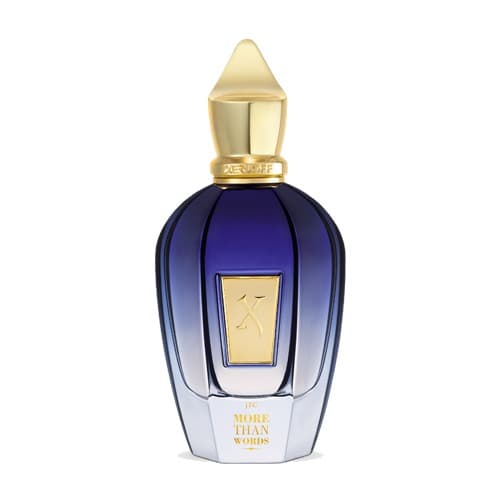 Xerjoff More Than Words Perfume for UnisexFragranceShop.com · $156.95
When to buy: discount seasons and coupon realities
Fragrance prices fluctuate predictably. Online retailers like FragranceShop.com and FragranceX run clearance sections year-round with discounts of 30-50% off typical retail. Seasonal clearance events (January, July, and mid-August) offer the deepest discounts as retailers make room for new inventory. New fragrance launches get full-price treatment initially, then drop 20-40% within 2-3 months as inventory normalizes. Discount codes and coupons usually offer 10-20% off, not the "50% off" claims you see in headlines—those apply only to already-marked-down items or require minimum purchases. Loyalty programs like FragranceNet's Purpl Rewards let you earn points on purchases and redeem them gradually, which functions as a discount mechanism over time. Free shipping thresholds matter; buying slightly more to qualify for free shipping (typically $40-60 minimum) often saves more than a 10% coupon on a smaller order. Buy now, pay later services (Afterpay, PayPal Credit) offered by some retailers make purchases more manageable but do not reduce the actual price. Avoid chasing flash sales that require immediate purchase; fragrance is not perishable, so waiting for the next sale event (usually 2-3 weeks away) is always an option. Retailers like Aroma Retail run different discount calendars, so checking several sites simultaneously lets you catch better deals. Second, sample sizes from online retailers cost $2-8 and let you test fragrance before committing to a full bottle, saving money by preventing bad purchases.
Where buyers go wrong comparing fragrances
The biggest comparison error is testing multiple fragrances on paper blotter strips or cards at once. Your nose cannot fairly evaluate fragrance chemistry without skin pH and natural oils present. Two fragrances that smell mediocre on paper strips may perform completely differently on your body—one projects beautifully while the other fades instantly. Always test on clean, moisturized skin. Another common mistake is comparing EDT and EDP directly and assuming the EDP is automatically the better buy because it lasts longer. This ignores that many EDP versions are reformulated entirely and may not smell like the EDT you preferred. Only compare the specific concentration you plan to wear. Comparing prices across retailers without verifying authenticity wastes effort; counterfeit fragrances exist, especially online. Buy only from authorized retailers or established discount sites like Fragrance365, FragranceShop.com, or Aroma Retail that have verified inventory. Do not assume a fragrance that works beautifully on a friend will work equally well on you; your pH, skin type, and natural scent microbiome differ. This is why personal testing is irreplaceable. Buyers also fail to account for seasonal variation—a fragrance chosen in winter often feels entirely different and wrong in summer heat. Sample through multiple seasons before declaring a scent your signature. Comparing fragrance performance within the first 30 minutes of application is also useless because top notes obscure the middle and base notes that actually characterize the fragrance. Judge fragrances after wearing for 2-4 hours when the scent has settled into its true character. Finally, buyers sometimes overlook concentration differences when buying the "same" fragrance from different retailers; one may be selling EDT while another is selling EDP, and the price difference reflects this, not a better deal.
Common mistakes and how to avoid them
The first mistake is buying a full-size bottle without testing. Fragrance is intensely personal; what smells pleasant in a store on someone else smells wrong on your skin. Always request a sample or buy a small tester first, wear it for a full day—morning, midday, and evening—and only then commit to a full bottle. Many retailers like Aroma Retail and FragranceShop.com sell affordable sample sizes specifically for this reason. The second mistake is not moisturizing before fragrance application. Dry skin causes fragrances to evaporate rapidly and smell muted. Applying unscented body lotion or oil to pulse points before spraying fragrance dramatically improves longevity and how the scent unfolds; this is called layering and is the single simplest way to make most fragrances work better on your body. Third, many buyers test fragrances at department store counters and immediately purchase without considering that the counter lighting, noise, and competing scents cloud judgment. Test in your normal daily environment and at different times of day. Fourth, buyers often believe their nose is the judge of how long a fragrance lasts. Olfactory adaptation means you stop consciously detecting a scent after 20-30 minutes even though others can still smell it clearly on you. Ask a friend if they smell your fragrance at midday and evening to assess true longevity. Fifth, applying too much fragrance creates overpowering clouds that actually make others dislike the scent and you waste product. Two to four spritzes on pulse points is the standard; more is not better. Sixth, many buyers repurchase a fragrance before testing how it performs on their body long-term. Your skin chemistry, hormones, diet, and medications shift throughout the year. A fragrance you love in September may perform differently in December. Wear a fragrance for at least one full season before deciding it is your signature scent. Seventh, buyers sometimes ignore that genuine oud fragrances from retailers like Amir Oud Fragrance or Al-Rashad Inc are expensive specifically because authentic Arabian oud is rare and costly; very cheap oud fragrances are synthetic and smell plastic-like. If budget is tight, synthetic versions are fine, but understand the smell difference is intentional, not a bargain.
Our top picks

FragranceShop.com40% off
Specializes in discount designer perfumes and colognes with regular sales and clearance sections, ideal for testing multiple fragrances affordably before committing to full-price bottles.
Shop FragranceShop.com →32 FragranceShop.com coupons →
Aroma Retail33% off
Offers fragrance in multiple formats and price points, including small sizes and bundles that let budget-conscious buyers test scents without overcommitting to expensive bottles.
Shop Aroma Retail →15 Aroma Retail coupons →
Amir Oud Fragrance80% off
Specializes in authentic Arabian oud perfumes and attars for buyers with oily or alkaline skin who seek heavier, longer-lasting fragrance families with rare ingredient quality.
Shop Amir Oud Fragrance →19 Amir Oud Fragrance coupons →
Fragrance36555% off
Canadian luxury perfume retailer with discounted designer brands and a wide selection, suited for shoppers comparing multiple options and reading customer reviews before purchasing.
Shop Fragrance365 →21 Fragrance365 coupons →Frequently asked questions
Why does the same perfume smell different on me than on my friends?
Your skin pH, natural oil content, body temperature, hormones, diet, and medications all influence how fragrance molecules interact with your skin. These factors vary from person to person, which is why identical bottles produce unique scents. Testing on your own skin, not samples or paper strips, is the only way to know how a fragrance will actually smell on you.
Should I buy EDT or EDP if I am new to fragrance?
Start with EDT for daily wear because it costs less (making mistakes cheaper) and suits office and warm-weather settings. Test several EDT fragrances on your skin for full days before upgrading to EDP. Remember that the same fragrance name in EDP is often reformulated differently, so sample the specific concentration you plan to buy.
How do I make fragrance last longer on my dry skin?
Moisturize with unscented body lotion before applying fragrance; this extends longevity significantly by giving fragrance molecules something to adhere to. Apply to warmer pulse points like wrists and neck. Choose lighter fragrance families—citrus, floral, or woody notes work better on dry skin than heavy oriental scents. Reapply midday if needed.
- https://snif.co/blogs/news/body-chemistry-perfume
- https://bestfragranceprices.com/guides/edp-vs-edt-fragrance-concentrations-explained
- https://www.mairfragrance.com/blogs/mair-blog/what-is-skin-ph-and-how-to-choose-a-perfume-that-works-best-for-you
- https://www.perfume24x7.com/blogs/perfume-fashion/the-science-behind-how-perfumes-work-with-your-body-chemistry
- https://fragrancelovers.com/pages/fragrance-and-body-chemistry
- https://blog.delacourte.com/en/perfume-and-concentration/