
What's Changing in Foundation Selection This Season
Foundation shopping has evolved beyond simple shade matching. Today's market emphasizes skin-type specificity, with formulas designed for oily, dry, combination, and mature skin rather than one-size-fits-all products. The industry has also shifted toward buildable coverage, allowing shoppers to start sheer and layer only where needed rather than committing to full coverage everywhere. Undertone matching—recognizing whether your skin leans cool, warm, or neutral—has become central to finding a shade that doesn't look ashy or orange. Finishes range from matte and satin to dewy and luminous, each suited to different skin conditions and personal preferences. Understanding these shifts helps you make a smarter choice and avoid buying foundations that don't work for your specific complexion, lifestyle, and desired look.
Foundation Specs That Actually Matter
The most important specs are undertone, coverage level, formula type, and finish. Undertone refers to the color underneath your skin surface—cool (pink), warm (yellow), or neutral (balanced). Match your foundation's undertone to yours by checking if you look better in silver or gold jewelry, or examining your veins; greenish veins suggest warm undertones, blue or purple suggest cool. Coverage level determines how much your foundation conceals: sheer coverage lets skin show through and suits those who like a natural look; medium coverage evens tone while keeping skin texture visible and works for most people; full coverage hides redness, acne, and discoloration and suits events or photography. Formula type—liquid, powder, or cream—affects how the product feels and performs. Finish—matte, satin, or dewy—influences the final appearance. Write down your skin type, undertone, and preferred coverage and finish before shopping; this prevents impulse purchases that don't match your actual needs.
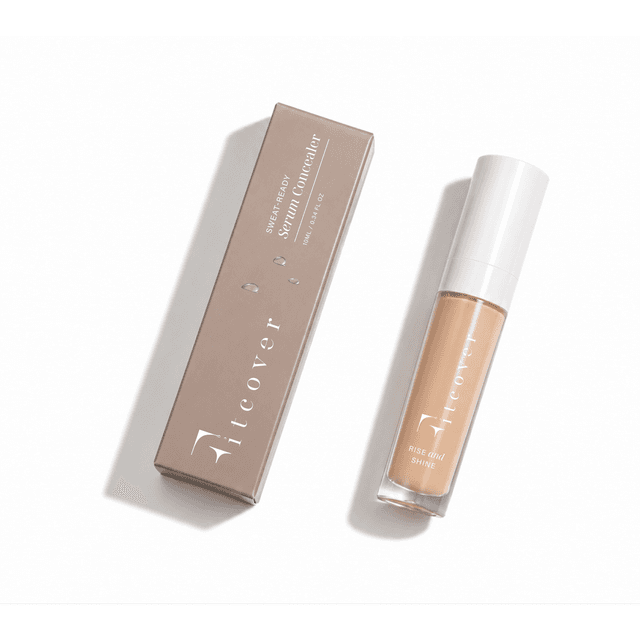 Sweat-Ready Serum ConcealerFitcover · $34.00
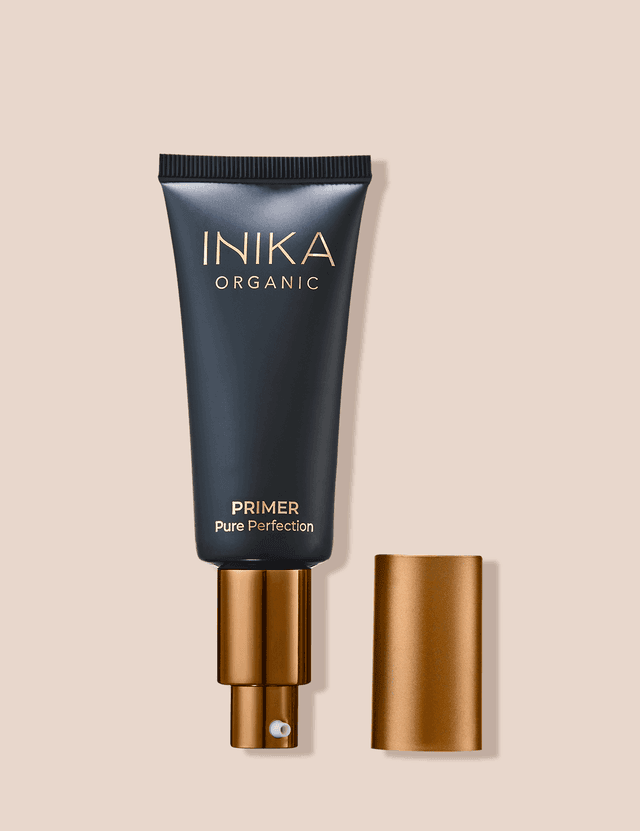 INIKA Organic Pure Perfection Primer (GWP)Inikaorganic · $75.00
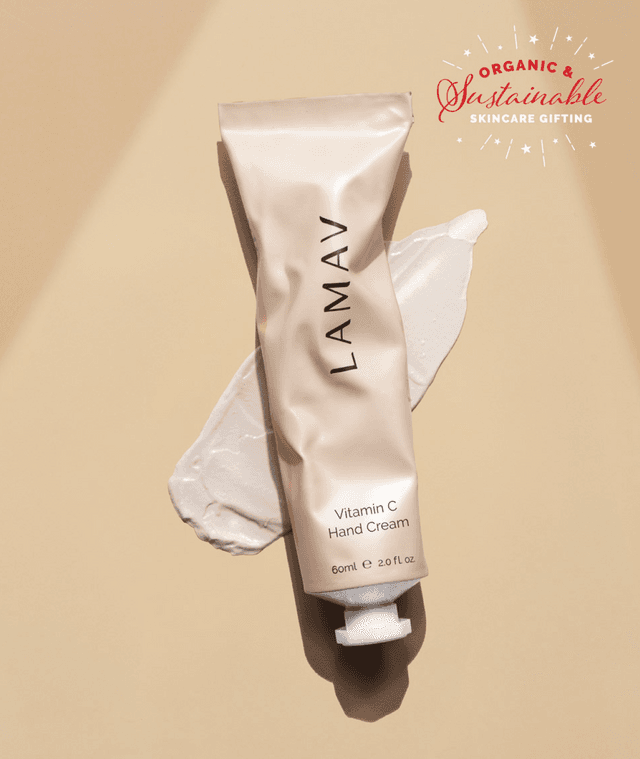 Vitamin C Hand CreamLAMAV · $19.00
Trade-offs: What Matters and What You Can Skip
Some features are worth paying for; others are not. Pay attention to undertone accuracy and coverage level because getting these wrong wastes money and creates frustration. Ingredient quality matters if you have sensitive skin or prefer organic formulas, but for most shoppers, a mid-range brand performs as well as luxury. Brand reputation and reviews matter more than packaging aesthetics—a plain bottle with great reviews beats beautiful packaging that performs poorly. Price is not always tied to performance; drugstore foundations often match luxury formulas. You can skip special claims like 'waterproof' unless you swim or cry regularly. SPF in foundation is usually too low to rely on; use a separate sunscreen instead. Finish preference is personal but not essential to test before buying if reviews consistently mention the finish. Brush or sponge applicators often come in the box, but using your own tools gives better control. Shade range size sounds important but matters less if your undertone is correctly identified; a brand with 20 shades in your undertone category is better than one with 100 shades but poor undertone matching.
Which Brands to Consider for Your Skin Type
For dry, mature, or dehydrated skin, prioritize liquid foundations with hydrating ingredients and dewy or satin finishes. Inikaorganic offers foundation options designed for facial makeup application, with primer and serum products available to prepare skin beforehand. LAMAV provides skincare products targeting dry and dehydration concerns, which create the best base for any foundation. For oily or combination skin, look for powder foundations or lightweight liquid formulas labeled oil-free or mattifying. Powder absorbs excess oil and creates a breathable, long-lasting finish. For normal skin, both liquid and powder work equally well; choose by finish preference. Fitcover sells foundations and concealers across a range of price points, offering options for different budgets. Those with sensitive skin should patch-test and check ingredients for common irritants. Always read reviews from people with your exact skin type and undertone to see real-world performance before committing to a full-size product.
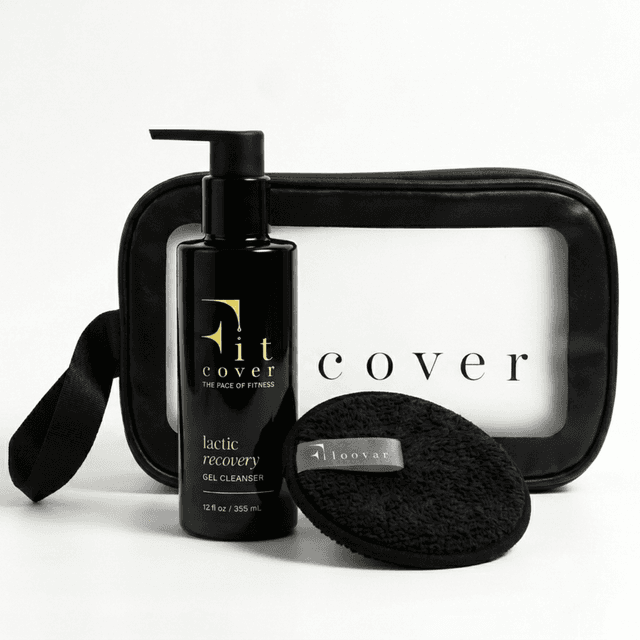 Cleanse & Go PackFitcover · $62.00
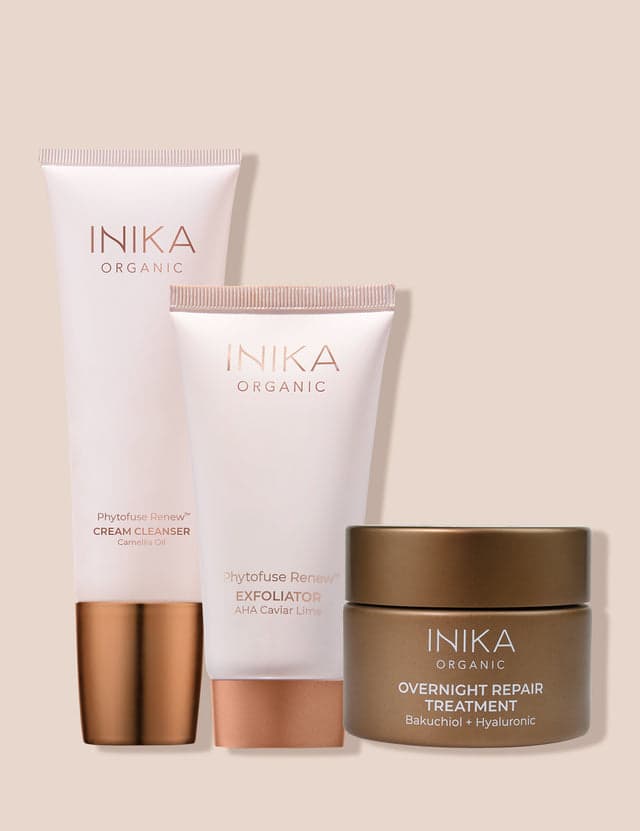 Winter Skin RepairInikaorganic · $150.00
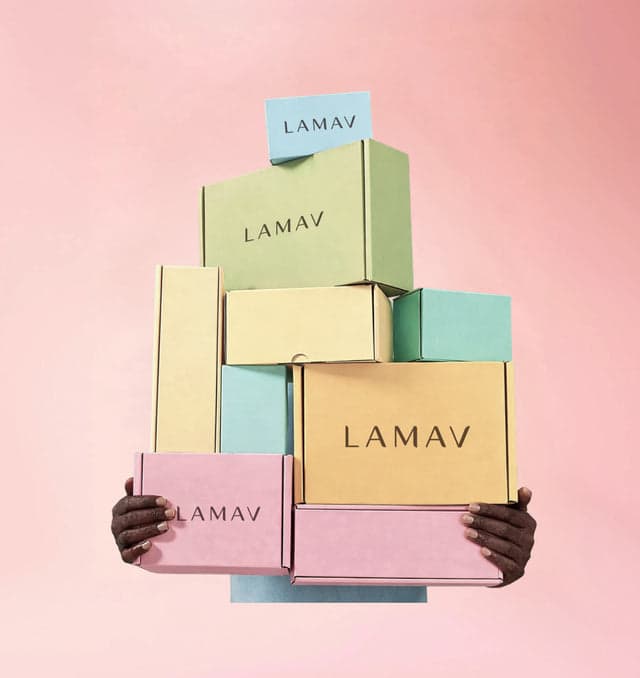 LAMAV Mystery BoxLAMAV · $51.00
Quality Versus Value: What Separates Good From Cheap
A good foundation blends seamlessly, doesn't feel heavy or cakey, maintains finish throughout the day, and matches your undertone accurately. Cheap foundations often fail on undertone accuracy, oxidize (darken or shift color as they dry), separate or break down by midday, or feel thick and uncomfortable. Quality foundations use better pigments that match undertones correctly and don't oxidize. They include hydrating or oil-controlling ingredients suited to your skin type, meaning they perform differently across skin conditions rather than one generic formula. Longevity matters; a foundation that lasts eight hours costs less per wear than one that breaks down in four. Mid-range brands like Fitcover often deliver excellent quality without the luxury markup. Inikaorganic positions itself as a natural makeup brand, which appeals to shoppers avoiding synthetic ingredients, though ingredient quality doesn't always translate to better performance. The best value is a foundation that addresses your specific skin concern—hydration for dry skin, oil control for oily skin—because addressing the root issue makes application easier and results better. Reading reviews mentioning longevity, blend-ability, and undertone match tells you more than price alone.
Getting Shade and Undertone Right the First Time
Undertone matching is the most critical step and the one most shoppers skip. Identify your undertone using the jewelry or vein method before shopping. In natural light, swatch foundation shades on your jawline—this is where face meets neck, and a shade should disappear into your skin without looking ashy, orange, or noticeably darker or lighter. Online, compare swatches from multiple reviewers with your same undertone rather than going by product photos. Buy sample sizes or travel sizes first if the brand offers them, as this costs less than full size but confirms the shade and formula work for you. Remember that foundation shade can shift slightly depending on lighting in the store versus home, so test in natural daylight. Cool undertones need slightly pink foundations; warm undertones look better with yellow-tinted shades; neutral undertones suit both but lean toward balanced. Brands like Inikaorganic and Fitcover offer foundation ranges across multiple undertones. If you can't swatch in person, order from retailers with free returns so you can test at home in your normal lighting.
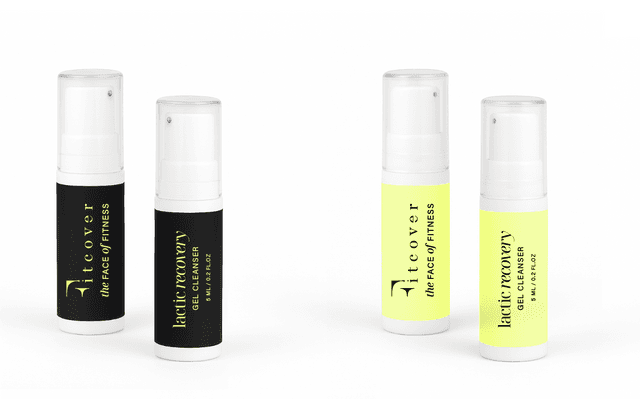 Lactic Recovery Gel Cleanser Sample 5mlFitcover · $8.00
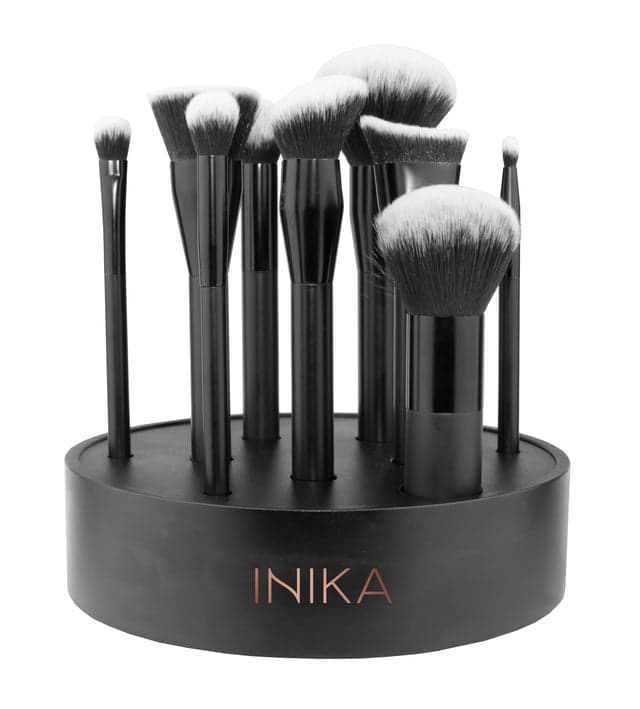 Rotating Makeup OrganiserInikaorganic · $47.00
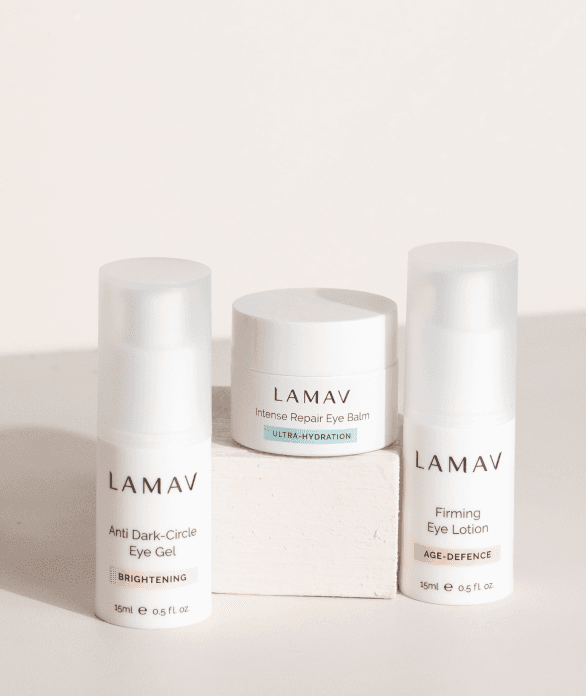 Complete Eye Care CollectionLAMAV · $72.00
Saving Money: When Prices Drop and What Discounts Cover
Foundation prices drop during seasonal sales (end of season, holiday sales) and when brands introduce new formulas and discontinue old ones. Drugstore brands drop during back-to-school and holiday sales. Luxury brands rarely discount heavily but department stores run periodic promotions. Online retailers often discount slower-moving shades. Discount codes typically apply to full-price products, not sale items, so check terms. Loyalty programs at major retailers earn points toward future purchases, making foundation cheaper over time if you shop consistently. Samples and discovery sets cost less and let you test multiple shades before buying full size. Outlet stores carry overstocked or discontinued shades at 30–50% off. When calculating value, consider longevity; a foundation that costs more but lasts eight hours wears better per application than a cheaper one lasting four. Skip sales on foundations that don't match your undertone or skin type; a discount doesn't justify buying something that won't work. Buying during your skin's seasonal shifts (adding moisture in winter, oil control in summer) helps you stock the right formula.
How People Compare Foundations Incorrectly
The biggest comparison mistake is ignoring undertone and focusing only on shade depth. Two foundations at the same shade number can look completely different if one is cool and one is warm, so comparing by shade name or number alone leads to mismatches. Swatching on the back of your hand is less reliable than swatching on your jawline because hand skin is often a different tone than face skin. Buying based on influencer recommendations without checking if they have your undertone or skin type wastes money. Relying on product photos without checking real-world swatches from reviewers creates disappointment because product photography is heavily edited. Comparing only by price ignores longevity, blend-ability, and undertone accuracy; a cheap foundation is expensive if it oxidizes or separates within hours. Testing in artificial store lighting and then wearing at home in different light can reveal unwanted color shifts. Assuming all dewy foundations work for dry skin or all matte foundations work for oily skin oversimplifies; some matte formulas dry out skin further, and some dewy formulas can look greasy. Comparing purely by brand prestige rather than formula performance leads to buying foundations that don't work better than mid-range alternatives. Reading only positive reviews misses real drawbacks; negative reviews mentioning your exact skin type or concern are more useful.
Mistakes Shoppers Make and How to Avoid Them
Not prepping skin before application causes patchy, flaky coverage and prevents foundation from blending smoothly. Avoid this by moisturizing and using a primer suited to your skin type; LAMAV offers targeted skincare products for dry, oily, and combination concerns that prepare skin properly. Using too much product creates cakey, heavy makeup that ages you and breaks down faster. Start with a half-pump or a pea-sized amount and add more only if needed. Applying foundation unevenly leaves streaks and mismatched tone; use a clean brush, sponge, or your fingers to blend in circular motions, building in thin layers. Choosing the wrong formula for your skin type—such as powder for dry skin—highlights texture and dryness rather than smoothing it. Foundations designed for oily skin may dry out combination skin, and those for dry skin may slide off oily areas by midday. Oxidation (foundation darkening or shifting color as it dries) happens when undertone is wrong; this can't be fixed by powder or spray, so undertone matching prevents it entirely. Using poor-quality tools like old brushes or dirty sponges causes uneven application and bacteria growth. Wash tools weekly and use clean applicators every application. Skipping a primer because you think foundation alone is enough often results in patchy wear and faster breakdown. Primers designed for your skin type cost little and extend wear significantly. Not testing shade in natural light before committing to full size leads to purchasing foundations that look wrong in daylight. Always test in the lighting where you'll actually wear the makeup.
Our top picks

Fitcover33% off
Offers foundations and concealers at AUD 8–149, providing options across multiple price points and shade ranges for different skin types and coverage needs.
Shop Fitcover →15 Fitcover coupons →
Inikaorganic40% off
Sells foundations, primers, and makeup brushes at AUD 6–140, positioning as a natural makeup brand with complementary products for skin prep and application.
Shop Inikaorganic →15 Inikaorganic coupons →
LAMAV45% off
Provides targeted skincare for dry, oily, combination, and pigmentation concerns at AUD 9–130, creating proper foundation base for any skin type.
Shop LAMAV →15 LAMAV coupons →Frequently asked questions
How do I know if my undertone is cool, warm, or neutral?
Check your veins: blue or purple usually signals cool undertones; greenish suggests warm. Alternatively, observe whether silver or gold jewelry flatters your skin more. Silver looks better with cool undertones; gold suits warm ones. Neutral undertones work with both, though one may look slightly better.
Should I buy full coverage if I have oily skin?
Not necessarily. Full coverage doesn't prevent breakdown; oil control and formula type matter more. Oily skin does better with powder foundations or lightweight liquids labeled oil-free or mattifying. These stay in place longer than heavy full-coverage formulas, which can slide or separate on oily skin by midday.
Can I use the same foundation shade year-round?
Skin tone often shifts with seasons and sun exposure, so many people need slightly different shades in winter versus summer. Some also adjust coverage: less in summer, more in winter. Prep also changes—lightweight moisturizer and primer in summer, richer skincare in winter—so the same foundation performs differently across seasons.
- https://reallyree.com/best-foundations-the-ultimate-guide/
- https://www.voguescandinavia.com/articles/best-foundation
- https://www.healthline.com/health/beauty-skin-care/skin-undertones
- https://us.inikaorganic.com/blogs/natural-beauty-hub/liquid-vs-powder-foundation
- https://www.theskimm.com/beauty/makeup/types-of-foundation-coverage
- https://www.ejollify.com/foundation-mistakes/