
What's changed this season in wine for you
The wine world has shifted toward accessible, lower-intervention wines—expect to find more natural and organic options on shelves, especially in the beginner price range. Natural winemaking, which uses minimal processing and often wild fermentation, has moved from niche to permanent retail position. Younger consumers increasingly prefer transparency about production methods, driving retailers to stock wines with clearer provenance stories. Sustainability matters more now than it did five years ago. At the same time, the relationship between price and quality has remained stable: the biggest leap in taste happens between $15 and $30, not beyond. This season you'll also see cooler-climate regions gaining prominence as winemakers adapt to climate pressures. The good news for beginners is that these shifts mean more variety and more honest labeling—you can actually learn what you're drinking now.
What actually matters when you're choosing wine
Three technical factors dominate taste: tannins, acidity, and body. Tannins are compounds from grape skins and seeds that create a drying, sometimes bitter sensation in your mouth—common in red wines, rare in white. Acidity gives wine freshness and crispness; white wines typically have more acidity than reds. Body describes how heavy the wine feels on your palate—light, medium, or full. The grape variety on the label tells you everything. Cabernet Sauvignon signals firm tannins and dark fruit flavors. Pinot Noir is lower-tannin and more delicate. Chardonnay tends toward fuller body; Sauvignon Blanc is crisp and citrusy. Riesling offers a wider range from bone-dry to sweet. Alcohol content matters less than these three pillars but still affects weight and warmth. The appellation—the region on the label—indicates terroir and production standards but is less important for beginners than the grape type itself. Reserve designations vary wildly by region, so don't treat them as a quality guarantee. Skip the mystique; focus on the grape, tannin level, and acidity.
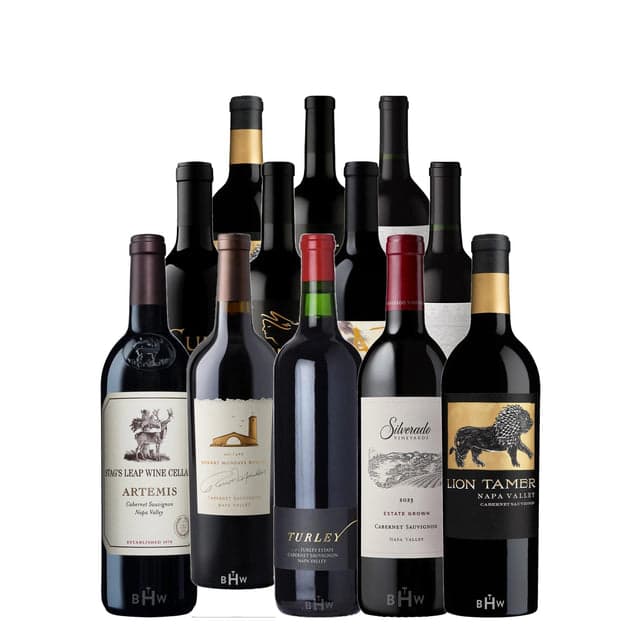 The Big Hammer Napa Lush 12 - Nine Cabernets From Our Caymus Guide, 12x750mlbighammerwines.com · $612.52
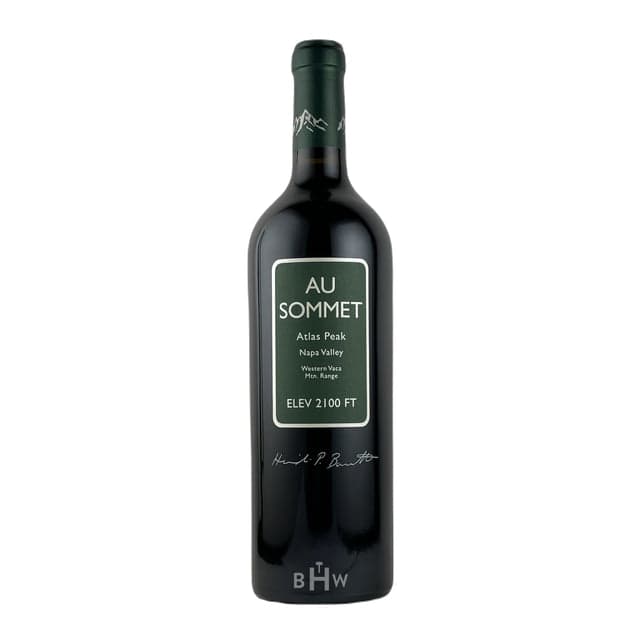 2023 Au Sommet Atlas Peak Cabernet Sauvignon Napa Valleybighammerwines.com · $260.00
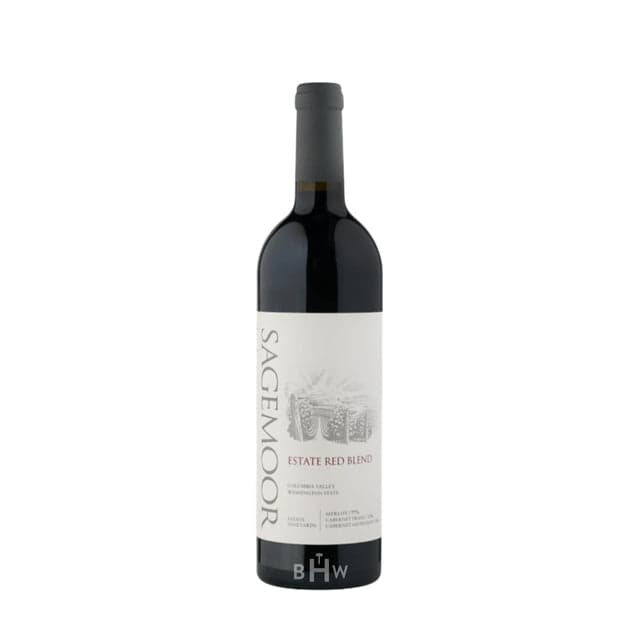 2021 Sagemoor Estates Estate Red Blend Weinbau Vineyardbighammerwines.com · $18.98
Where you can compromise without losing quality
Price is the most obvious trade-off. Below $15, corners are typically cut—excess sugar, industrial production, or minimal aging. Between $15 and $30, you enter the sweet spot where serious producers offer hand-harvested grapes and proper oak aging. Beyond $30, you're often paying for rarity, prestige, or age potential, not necessarily better taste for everyday drinking. You can skip vintage hunting as a beginner. Wine ages, but most bottles made today are meant to drink within 2–5 years, not cellar for decades. You can also skip temperature obsession—serving a red wine at 65°F versus 68°F makes no meaningful difference to your enjoyment. The screw cap versus cork question is a non-issue; many excellent, fresh wines use screw caps, especially those designed for young drinking. Brand reputation matters far less than knowing what tannin level and acidity profile you enjoy. Unknown producers in value regions like Portugal, Chile, and South Africa often deliver better wine than famous names at the same price. You don't need a wine fridge either; a cool, dark closet works fine for short-term storage. Skip the fancy decanting ritual for most wines under $40.
What different buyers should explore first
If you prefer lighter, fresher, brighter tastes, start with white wines or low-tannin reds. Pinot Grigio is the most approachable white for true beginners—light, dry, clean, and almost impossible to dislike. Sauvignon Blanc offers more character with citrus and herbaceous notes. Riesling lets you taste how winemakers control sweetness; try the "Trocken" or "dry" designation to avoid confusion with sweet versions. For reds, Merlot is the most beginner-friendly: soft, medium-bodied, with plum and chocolate flavors without aggressive tannins. Pinot Noir offers complexity without heaviness. If you want to explore value wines, bighammerwines.com carries a range across price points where you can sample their recommended under-$30 selections like the Scrimaglio Barbera d'Asti at under $20. If you gravitate toward bolder, richer wines with structure, try Cabernet Sauvignon, Malbec, or Barbera. These have firmer tannins and require a slight learning curve but teach you what serious red wine tastes like. Natural wine drinkers drawn to minimal intervention and unique flavors should explore producers focusing on wild fermentation and skin contact, though these typically start at $20 and up.
Quality signals that separate good buys from false economy
A genuinely good wine delivers balance. The fruit, acidity, tannins, and alcohol should feel integrated, not fighting each other. On the label, look for evidence of winemaking investment: mention of oak aging, hand-harvesting, or specific vineyard parcels usually indicates care was taken. Producer reputation matters; long-established houses with consistent ratings tend to hold standards. The gap between $15 and $30 is where quality actually changes—your dollar buys real winemaking. Below $15, you're taking a gamble. Between $15 and $30, you're likely getting properly ripened fruit, appropriate aging, and technical skill. The logarithmic price-to-quality curve is real: jumping from $30 to $60 rarely gives you twice the pleasure; from $60 to $200, you're often chasing rarity or collectibility rather than taste. Reviews from publications like Wine Spectator or Wine Enthusiast matter more than flashy marketing. Avoid wines with suspiciously beautiful labels and suspiciously low prices—that's money spent on packaging, not grapes. Conversely, a plain label with a solid producer name and a $18–25 price point is often excellent value. bighammerwines.com's curated selections under $30 follow this logic: they highlight producers and regions where your dollar buys actual quality, not hype. Organic and biodynamic certification now appears on more wines under $30 and genuinely affects taste—these wines often taste cleaner and fresher, reflecting lower chemical intervention.
Getting the right bottle size and type first
Standard 750 ml bottles are your safest bet as a beginner. You get a full bottle to explore, a typical serving for two to three people, and the most reliable pricing reference point. Avoid investing in large formats like magnums or half-cases until you're confident about what you like—you risk buying six bottles of something you dislike. Half-bottles (375 ml) are useful if you live alone and worry about leftover wine, but they carry a per-bottle markup and are harder to find. For comparison shopping, calculate price per 750 ml equivalent to see true value. The type matters: still wines (reds and whites without bubbles) are where beginners should start. Sparkling wines and Champagne add complexity and are better after you understand tannins and acidity. Rosé is an easy entry point—it's closer to white wine in body and acidity but tastes like red fruit. Dessert wines and fortified wines (Port, Sherry) are niche categories; save them for later. If you're buying online from bighammerwines.com or similar retailers, standard 750 ml bottles ship most reliably with consistent pricing across sellers. Bulk packs (12-packs) don't make sense until you've identified your go-to wines. Buy single bottles first, then repeat what worked.
How to actually save money on wine purchases
The single best strategy is to understand price timing. Wine typically goes on sale during summer months (June through September) and again during the late fall and winter holiday seasons. Email subscriptions to wine retailers trigger early access to these sales—most offer 5–10% off to new subscribers. Bulk discounts are real: many retailers offer 10% off when you buy six bottles or more, regardless of price point. This doesn't mean buying six of the same wine; it means assembling a mixed case. Price-per-bottle benchmarks help you spot deals. If a wine retails for $25 and appears at $19, that's a genuine saving. The biggest trap is buying something on sale you wouldn't normally buy—sale wines that cost less are often less expensive for a reason. Look for discounts on entire regions or producers rather than individual bottles; a sale on Portuguese reds, for example, opens access to value you might not find otherwise. Scour reviews before purchase; a discounted $12 bottle with strong reviews beats a $18 bottle with weak ones. Discount codes typically cover $15–20 off orders over $75–100 or percentage discounts on full price, not sale items. They rarely stack or combine, so save them for regular-priced bottles you've researched and want. Avoid buying wine you haven't heard of simply because the price dropped; an unfamiliar producer at $8 instead of $15 is still a gamble. bighammerwines.com and similar retailers sometimes feature limited-time recommendations where value aligns with quality—these are safer bets than random clearance picks.
Common comparison mistakes people make
The biggest error is confusing fruity with sweet. A wine can smell like peach, cherry, or tropical fruit and still be bone-dry. Aroma and taste are separate sensations. Color intensity has nothing to do with sweetness either; darker wines aren't necessarily sweeter. Another trap is assuming all red wines are heavy or all white wines are light. Pinot Noir is delicate; Oaked Chardonnay is rich. These generalizations collapse quickly once you taste. Chasing wine scores is tempting but risky. A wine that scores 92 points from one reviewer might not match your personal taste, especially if you haven't tasted widely yet. Build your own preferences first. Label beauty is a terrible decision criterion. Attractive packaging reflects marketing spend, not wine quality. Conversely, plain or ugly labels often hide excellent value. Mistaking reserve designations, vintage years, and producer prestige for guaranteed quality leads to overspending. An unheralded 2022 from a small producer often outdrinks a famous 2019 from a big brand at the same price. Pairing rules should guide, not constrain. Light wine with light food and heavy wine with heavy food are principles, not laws. Experimentation teaches you what works for your palate. Finally, avoid comparing wines by region alone. A California wine isn't automatically better than one from Chile or Portugal at the same price—value is scattered across regions. The retailer's expertise matters more than geography.
Mistakes shoppers make and how to fix them
Overbuy early. New wine buyers often buy multiple bottles of the same style or region before confirming they actually like it. Buy three different bottles first, taste them methodically, then commit to a case of your favorite. Ignore storage conditions. Wine degrades in direct sunlight, heat above 70°F, and temperature fluctuations. A cool, dark closet beats a warm kitchen counter. You don't need a wine fridge for short-term storage, but consistency matters. Confuse screw caps with poor quality. Many excellent, fresh wines use screw caps; it's a practical choice, not a mark of shame. This is especially common in whites and young reds meant for immediate drinking. Buying based on reviews alone rather than grape type. If you hate tannic wines, a 95-point Cabernet Sauvignon will still feel harsh to you. Reviews inform, but your preference for acidity, tannin, and body structure is personal and unchanging. Overpaying at restaurants and bars. Wine markups run 2.5x to 3x retail, making a $20 bottle cost $50. Buy for home drinking while you learn. Save restaurant wines for occasions where the experience justifies the premium. Not tasting with food. Wine tastes different next to food, and balance matters hugely. Taste your everyday wines with cheese, bread, or simple meals to understand how they work in real life, not in isolation. Not asking for help. Wine shop staff, online reviews, and producer tasting notes exist for guidance. Asking questions is faster than guessing. Finally, avoid the trap of thinking you need to understand everything before buying. You learn wine by drinking it, not by reading about it first. Start with low-risk bottles under $20, taste widely, and let your palate develop naturally.
Our top picks

bighammerwines.com40% off
Offers curated red and white selections at beginner-friendly prices ($20–30 range), with transparent tasting notes and value-focused recommendations specifically for learning drinkers.
Shop bighammerwines.com →15 bighammerwines.com coupons →Frequently asked questions
What's the best beginner red wine to start with?
Merlot or Pinot Noir are safest choices. Merlot is soft and forgiving with plum and chocolate flavors; Pinot Noir offers more complexity without aggressive tannins. Both are widely available under $20 and teach fundamental red wine structure without overwhelming your palate.
How much should I spend on wine to start learning?
$15–30 is the sweet spot. Below $15, quality becomes unpredictable. Between $15–30, serious producers craft wines properly and you get genuine value. Beyond $30 for everyday learning bottles is unnecessary; save premium spending for later when you know your taste.
Can I store wine in my kitchen or apartment?
Yes, if it's cool and dark. Avoid direct sunlight, heat above 70°F, and temperature swings. A cool closet or basement corner works perfectly for bottles you'll drink within six months. You don't need a wine fridge unless you're collecting for long-term aging, which is not a beginner priority.
- https://www.bighammerwines.com/blogs/vine-blog/best-value-red-wines-under-30-in-2026-9-bottles-worth-every-penny
- https://winefolly.com/lifestyle/reality-of-wine-prices-what-you-get-for-what-you-spend/
- https://www.decanter.com/learn/how-to/how-to-read-tasting-notes-51254/
- https://tastewise.io/blog/organic-wine-trends
- https://www.tastingtable.com/1538019/wine-shopping-mistakes/
- https://www.wine-n-gear.com/blog/best-wine-for-beginners-easy-bottles-to-try-first-2026-guide/