
What's trending in party planning right now
Party hosting in 2026 has shifted toward experiential and sustainable choices. Hosts are moving beyond standard balloons to create immersive environments using LED lights, sculptural florals, and themed installations that photograph well for social media. Color palettes have become curated and intentional—rust and rose for intimate gatherings, oceanic blues for milestone birthdays, elevated pastels for children's celebrations. Sustainability matters more than ever, with reusable tableware, compostable plates, and eco-friendly decorations replacing single-use plastics. Backyard festivals, adventure themes like outer space and underwater setups, and interactive experiences now dominate celebrations. What this means for buyers: focus less on cookie-cutter decorations and more on quality pieces that work as both decoration and photo backdrop. Invest in lighting solutions that transform any space. Choose supplies that align with your theme rather than scattering random elements. This intentional approach costs no more upfront but creates impact that lasts in memory and on camera.
Choosing supplies: the categories that truly matter
Party supplies break into eight core categories, each serving a specific function. Decorations set atmosphere—balloons, banners, tablecloths, centerpieces, wall art, and lighting create the visual framework. Tableware and serving items keep things practical: plates, cups, napkins, utensils, serving trays, and labels prevent messes and confusion. Food and beverage supplies include platters, drink dispensers, coolers, and ice. Entertainment and activities—craft kits, games, music systems, photo booth props—keep guests engaged. Party favors thank guests and extend your theme. Lighting, from string lights to LED systems, transforms both indoor and outdoor spaces. Cleanup supplies ensure you can enjoy your guests without dreading the aftermath. Custom stationery like Paper Source invitations or cards personalize the experience. The mistake most hosts make is treating these categories separately rather than as a coordinated system. Your decorations should echo your tableware colors. Your favors should match your theme. Your lighting should enhance, not overpower, your centerpieces. Start by choosing a color palette and theme, then select from each category with that lens in mind.
 Fern Custom StampPaper Source · $29.95
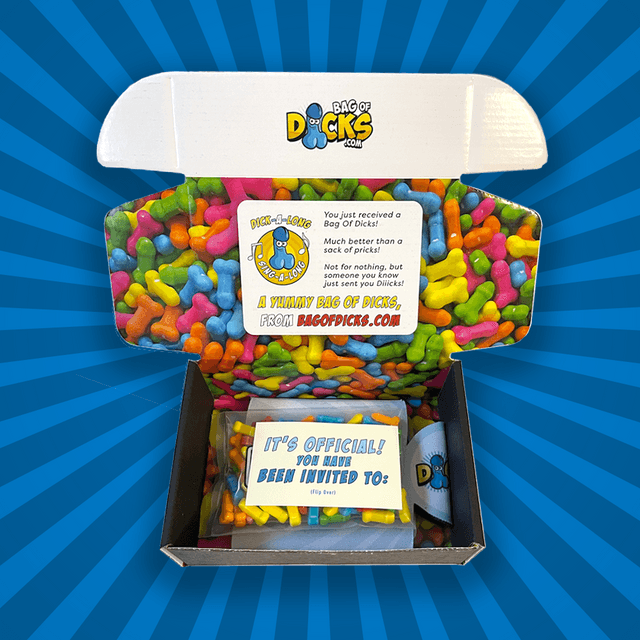 Bag Of Dicks Prank Gift - BagOfDicks.comBag Of Dicks · $20.00
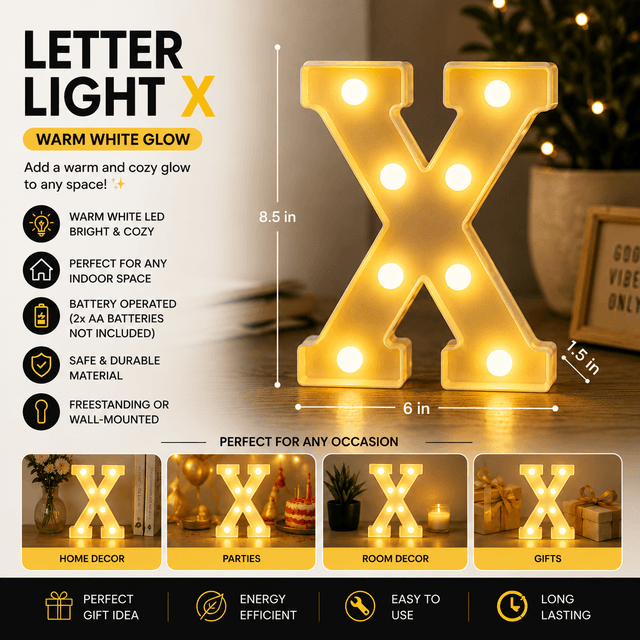 Letter Light | XPerfect Holiday · $9.95
What to splurge on versus what to skip
Not every supply deserves the same investment. Lighting is worth the splurge. Quality LED lights create atmosphere that cheap alternatives cannot match, and they work across multiple seasons and parties. Tableware for serve-ware—platters, serving utensils, and display stands—justifies higher spend because guests notice presentation, and durable pieces last years. Fresh flowers or high-end floral arrangements signal elegance and effort, though you can substitute artificial florals if you find quality pieces. Centerpieces for the main table deserve attention; everything else on side tables can be simpler. Safe to skip: novelty items that don't serve function. Themed plastic cupcake picks, character balloons, and single-use party hats add clutter, not elegance. Skip elaborate table runners unless they coordinate with your overall scheme. Avoid overbuying napkins—one per person is usually plenty. Lighting effects like fog machines or projection systems can feel gimmicky in small spaces. Highly themed decorations that only work for one party type become storage burdens. Instead, buy neutral base decorations and layer theme-specific accents. A white tablecloth with a colored runner is more flexible than a fully patterned cloth. Simple string lights work for any party; themed neon signs do not. Focus your budget on items guests experience directly: food, drinks, comfort, and one 'wow' element like custom signage or statement lighting.
Which suppliers fit different hosting styles
Your hosting style determines where to source supplies. For casual, budget-conscious hosts, Bag Of Dicks offers party supplies, accessories, and food items in the USD 18-69 range, making it easy to assemble a complete party kit at reasonable cost. For hosts who prioritize personalization and stationery, Paper Source provides activity craft kits, custom stationery, and novelty items starting at USD 1, perfect for making custom invitations, personalized place cards, and party favors that feel thoughtful rather than generic. For those transforming outdoor spaces or wanting dramatic lighting effects, Perfect Holiday carries LED lights starting at USD 6, plus string lights and decorative systems that create ambiance without expensive installation. For experience-focused hosts in Australia or internationally, We Wander offers curated experience gifts and merchandise that can serve as premium party favors or host gifts, ranging from AUD 32 upward. For hosts who want fresh florals as the centerpiece of their decor—particularly for weddings or milestone events—Rosaholics provides farm-to-door fresh flowers on demand. The key: match your supplier to your priority. If you want everything in one place at a manageable price, start with Bag Of Dicks. If personalization matters, Paper Source first. If lighting and ambiance drive your vision, add Perfect Holiday. No single supplier works for every category, and that's fine; professionals mix three to four trusted sources rather than chasing completeness at one store.
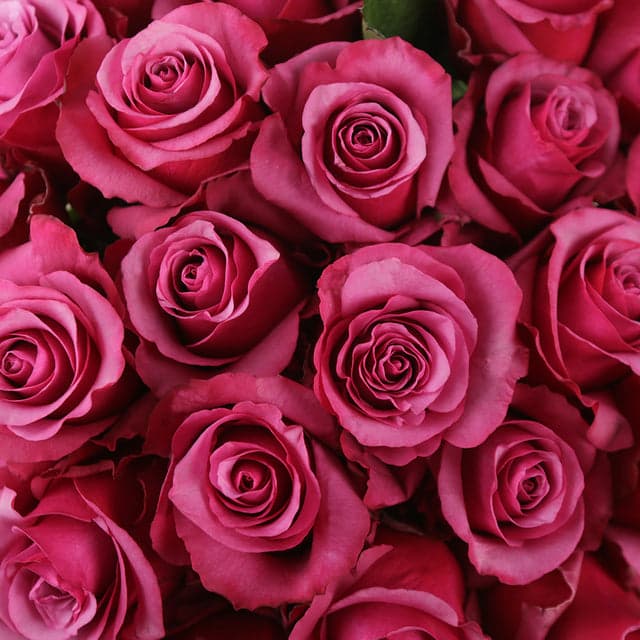 SENSE OF GRACERosaholics · $69.00
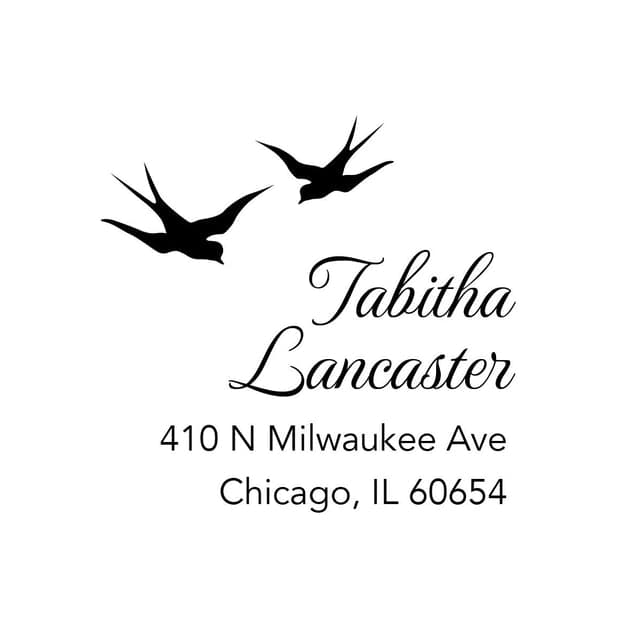 Flying Swallows Custom StampPaper Source · $29.95
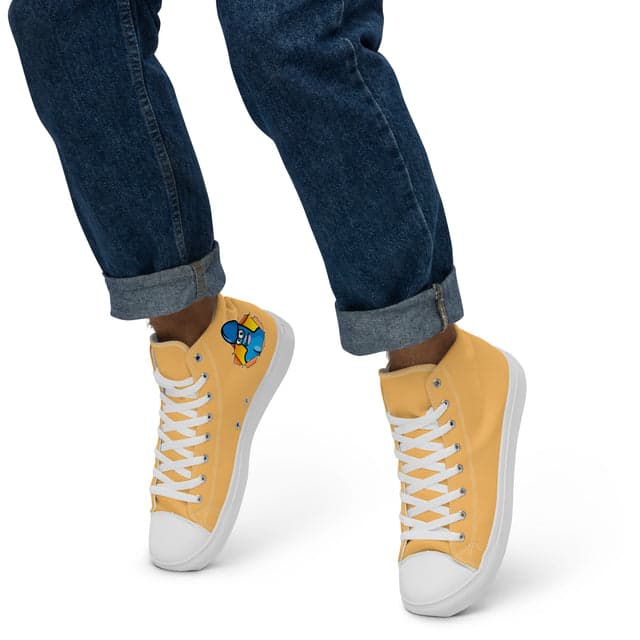 Dickie's High Top ShoesBag Of Dicks · $95.00
Separating good value from false economy
Value in party supplies comes down to durability, design quality, and reusability. A cheap tablecloth wrinkles, stains easily, and looks threadbare by the event. A mid-range linen-blend cloth photographs well, resists stains, and lasts through ten parties. That is value. Single-use napkins from dollar stores feel flimsy and guests notice; you end up using twice as many, negating the savings. Heavier-weight napkins cost a few cents more per unit but feel substantial and reduce waste. LED lights cost more than incandescent, but LED saves money through durability—they last 20+ parties—and energy use. Investing in rechargeable battery-powered lights beats buying new supplies for every event. Paper Source's custom stationery costs more per piece than generic Evite invitations, but custom cards create a lasting impression and feel like genuine communication rather than a mass mailing. Guests keep them; they don't delete them. Floral arrangements from quality florists like Rosaholics cost more upfront but arrive fresh and make a statement that grocery-store flowers cannot. However, high price does not always equal value. Novelty party hats, character balloons, and single-use themed plates are expensive relative to what they do. A serving platter is valuable across seasons; a pumpkin-shaped platter works once. When evaluating price, ask: will I use this again? Does it do more than one job? Will guests notice the difference? Can I personalize it? Do I get durability or am I paying for branding? Good value means paying fairly for something that works well and lasts.
Getting quantities and sizing right
Running out mid-party creates stress; too much excess becomes waste. Industry guidelines suggest two plates per guest (one for food, one for dessert), three cups per guest (accounting for refills and spills), and three napkins per guest minimum. For a 25-person party, that means 50 plates, 75 cups, 75 napkins. For alcohol-focused events, estimate two drinks per guest per hour. For six-hour parties, plan 12 drinks per guest. This sounds high, but many people reuse cups or skip rounds. Tableware sizing depends on your menu. Small appetizer plates work for cocktail parties; dinner plates (10-11 inches) are standard for seated meals. Tall glasses suit wine and mixed drinks; shorter glasses work for beer and soda. Serving platter size should match guest count—one medium platter per 8-10 guests. Centerpiece height matters: taller arrangements on buffet tables don't block conversation at seated tables, but they can obstruct sightlines if your table is small. Keep centerpieces under 12 inches tall for tables where people sit face-to-face. Lighting quantities depend on space: one string light set per 10-15 feet of area, or one LED light per 8 square feet for even coverage. Decoration quantities follow the 70-30 rule: 70% of your décor impact comes from 30% of items. Place 70% of your effort on the entry, main table, and photo backdrop. Understaffed other areas. If you're buying from Perfect Holiday or other lighting suppliers, sketch your space, measure it, and verify light coverage specs before purchasing. Overshooting by 10-20% is smart insurance; undershooting always costs more in stress and last-minute purchases.
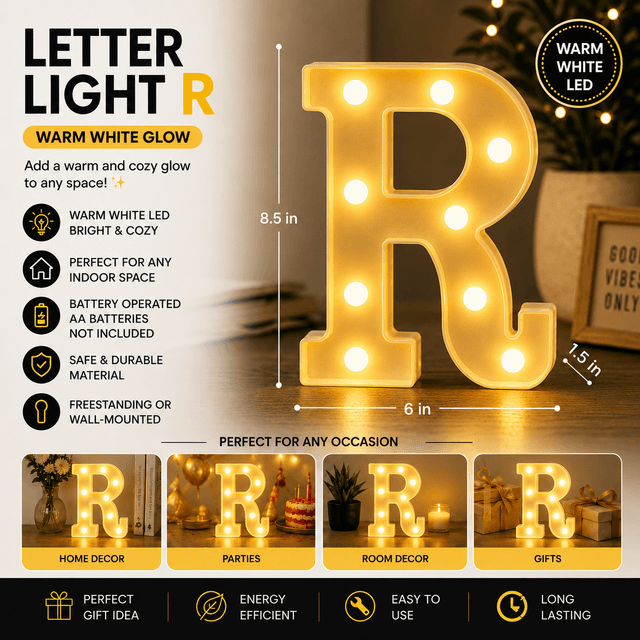 Letter Light | RPerfect Holiday · $9.95
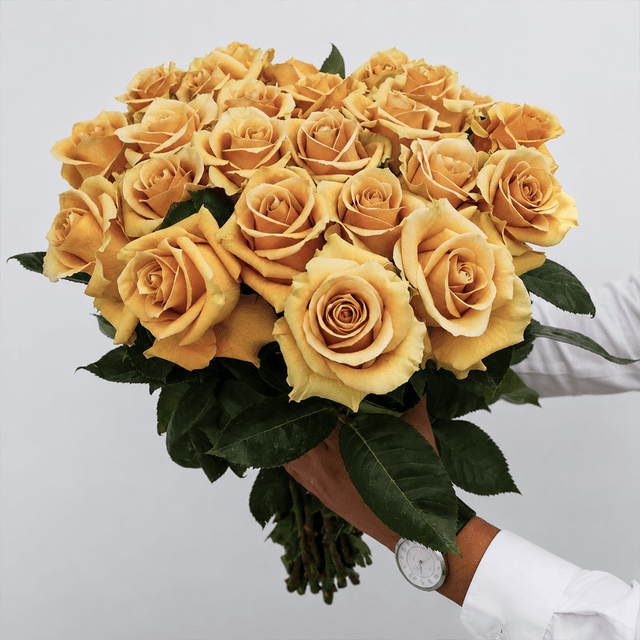 SAKURA DREAMRosaholics · $74.00
 Delicate Butterfly Custom StampPaper Source · $29.95
Timing and deals: when to buy party supplies
Party supplies go on sale in predictable waves. Holiday-themed items—from Perfect Holiday's Christmas trees and wreaths to seasonal decorations—drop 40-70% off after the holiday ends. Buying Valentine's items on February 15th or Christmas décor on December 26th saves enormously, and neutral-colored pieces work for future parties. General party supplies see sales around back-to-school (late August), major retail events in November and May, and end-of-season clearance (July and January). Bulk purchases typically trigger discounts at party supply retailers: buying 100 plates instead of 50 often reduces per-unit cost by 15-25%. Free shipping thresholds matter; check minimum order amounts before committing. Coupon codes for party suppliers usually cover 10-20% off but rarely stack with sales. A realistic discount code covers a single category or the entire order at the offered percentage, not free items or gifts. Buying 8-12 weeks before your party allows time to catch sales and avoid rush fees. Last-minute purchases—buying supplies a week before—cost 20-30% more due to premium shipping and limited selection. Paper Source and similar stationery suppliers often run promotions on custom items in January and July (slow months) and bundle discounts when you buy multiple categories. Set calendar reminders for 12 weeks before your event to start shopping. If using Bag Of Dicks or similar all-in-one suppliers, buying their party bundles often saves more than assembling individual items. Watch their email lists—promotional insiders catch deals earlier than general shoppers.
Mistakes people make when comparing options
The biggest mistake is comparing supplies by price alone rather than by quality and purpose. A USD 2 napkin looks identical to a USD 10 napkin in a product photo, but one tears easily and one doesn't. The other mistake is treating all suppliers equally. Paper Source excels at stationery and custom items but shouldn't be your primary source for disposables. Bag Of Dicks specializes in party supplies and bundled kits, making it ideal for all-in-one shopping. Perfect Holiday owns decorative lighting, so comparing their LED lights to generic options elsewhere misses the point—you're comparing function. Don't assume expensive florists are overpriced; Rosaholics and similar farm-direct flower services actually undercut flower-shop markups because they eliminate middlemen. Another comparison trap: focusing on item count rather than coverage. Fifty small napkins look like a deal until they run out halfway through. Thirty heavier-weight napkins serve better. Comparing square footage of lighting coverage matters more than number of bulbs. A common error is buying themed supplies for one specific party type, then discovering you can't reuse them. Neutral bases (white, cream, black tablecloths) with interchangeable accents (colored runners, centerpieces) beat fully themed pieces every time. People also compare options without considering setup time. A simple garland system from Perfect Holiday costs more upfront than loose decorations but saves hours of assembly. Finally, don't compare online reviews for products without checking whether reviewers actually hosted parties or just unboxed items. Practical feedback from people who used supplies at an actual event is worth more than aesthetic reviews.
Common hosting mistakes and how to avoid them
The top mistake is underestimating setup time. Most hosts believe they can decorate on the day of the party. Reality: decorating takes 2-4 hours for a medium event, and you cannot do this while greeting guests. Set up all decorations, lighting, and table settings the day before. The second mistake is unclear budgets. Decide your total spend, then allocate percentages: roughly 40-50% for food and drinks, 15-20% for venue, 10-15% for decorations, 5-10% for favors, and 10-15% for contingencies (extra ice, refills, overflow seating). This prevents impulse spending and reduces stress. Failing to confirm RSVPs is the third major error. Send invitations at least three weeks early, request RSVP responses one week before the event, and follow up with non-responders. Guessing guest count leads to either wasted food or running out. Another common mistake is uncoordinated shopping. Don't buy decorations, then tableware, then favors separately from different suppliers. Create a mood board or color palette first, then shop from that template. Mixing styles—gold with silver, modern with vintage, formal with casual—looks chaotic. Indoor events often fail because hosts forget to account for sound levels, lighting, and air flow. A full house amplifies noise; soft lighting becomes invisible in daylight rooms. Add ambient lighting even to well-lit spaces. Outdoor events fail when hosts ignore weather. Have a tent, indoor backup space, or event date flexibility for rain. Finally, the biggest mistake is skipping cleanup planning. Designate cleanup zones before guests arrive: trash station, recycling bin, coat closet, dishware table. Ask two people beforehand to help with post-party cleanup. This prevents the host from facing a mountain of work alone while guests linger. Build 30-60 minutes of cleanup time into your event planning, not as an afterthought.
Our top picks

Paper Source50% off
Offers custom stationery and activity kits for personalized invitations, place cards, and party favors starting at USD 1, adding thoughtful touches that elevate any celebration.
Shop Paper Source →16 Paper Source coupons →
Bag Of Dicks40% off
Bundles party supplies, accessories, and food items in the USD 18-69 range, ideal for hosts who want to source multiple categories in one place at reasonable cost.
Shop Bag Of Dicks →15 Bag Of Dicks coupons →Perfect Holiday50% off
Specializes in LED lights and string lighting systems starting at USD 6, creating professional ambiance for both indoor and outdoor spaces without expensive installation.
Shop Perfect Holiday →15 Perfect Holiday coupons →
Rosaholics20% off
Delivers farm-to-door fresh flowers for hosts who want premium floral centerpieces and arrangements without the markup of traditional flower shops.
Shop Rosaholics →16 Rosaholics coupons →Frequently asked questions
How many supplies do I need per guest?
Standard estimates: 2 plates, 3 cups, 3 napkins per guest. For drinks, plan 1-2 per person per hour. These are conservative; having 10-20% extra is better than running out. Adjust based on meal type—appetizer parties need fewer plates; alcohol-focused events need more cups.
What party supplies are worth buying in bulk?
Tableware (plates, cups, napkins), trash bags, and decorative lighting offer the best savings per unit when bought in volume. Themed items, novelty pieces, and perishables are not worth bulk buying. Buying 8-12 weeks ahead catches sales and avoids rush fees.
How far in advance should I buy party supplies?
Start 12 weeks before your event. This gives time to hunt sales, particularly for holiday-themed items that drop 40-70% off after holidays pass. Buying within one week costs 20-30% more due to limited inventory and rush shipping. Complete all purchases at least 2-3 weeks before the party.
- https://www.socialtables.com/blog/event-planning/party-planning-checklist/
- https://www.partyplanchecklist.com/party-supplies-shopping-list/
- https://www.thebash.com/articles/party-trends
- https://www.onepageparty.com/tools/party-budget-calculator
- https://www.elliesparty.com/blogs/blog/top-5-party-planning-mistakes-and-how-to-avoid-them
- https://allenjoystudio.com/blogs/tips/the-top-10-party-trends-for-2026-the-ultimate-backdrop-style-guide