
Why condition and grading matter more than ever
Condition now drives collectible prices more than almost any other factor. Graded items sell 35% faster online, and the price difference between grades can be dramatic: a coin graded 65 might be worth three times more than one graded 63, even though the visual difference looks tiny. Vinyl records in Near Mint condition sell for 3–5 times more than the same album in Very Good shape. Sealed collectible toys and games command 5–10 times the price of opened versions because opening an item changes its collectible status permanently. This season, automated AI systems are now grading items ten times faster than human experts, which means graded inventory is flowing to market quicker and prices reflect condition more precisely. Buyers who ignore grading or assume their ungraded piece is just as valuable are walking into a value trap. Professional grading services like PSA and BGS exist because third-party certification raises confidence and resale value. Whether you are targeting figures, cards, or memorabilia, understanding what grade your item actually holds is non-negotiable.
Choosing the right collectible type and category
Not all collectibles hold value equally, and mixing categories often leads to overstretched spending. Sports memorabilia like signed jerseys, trading cards, and autographed photos each follow different market rules and pricing curves. Anime figures, model kits, and plushies occupy a different demand space altogether. Bobbletopia, for instance, carries specialized bobblehead collectibles where depth in one niche beats breadth across multiple lines. Before spending, choose your specific niche—whether that is vintage baseball cards, modern action figures, gaming collectibles, or sports autographs—and study that category thoroughly. Collectors who try to buy every figure from every line or who mix ten unrelated categories end up with expensive, hard-to-display, difficult-to-sell collections that hemorrhage money. The best collections are deep and focused. Research which categories hold value in your price range and which ones are overhyped. Check sold listings on auction sites, not just asking prices, to see what buyers actually paid. Rarity alone means nothing; low mintage only matters if collector demand is strong enough to support prices.
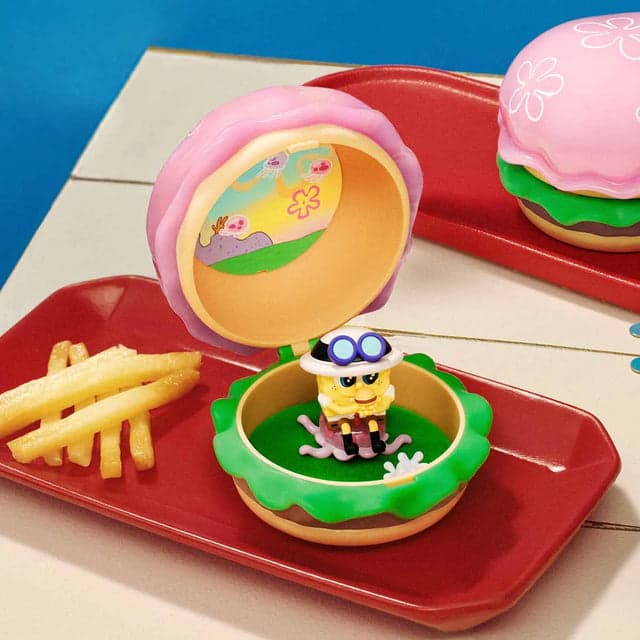 SpongeBob: Krabby Patty Bestsellers Series Figures Blind BoxSuper Anime Store · $19.99
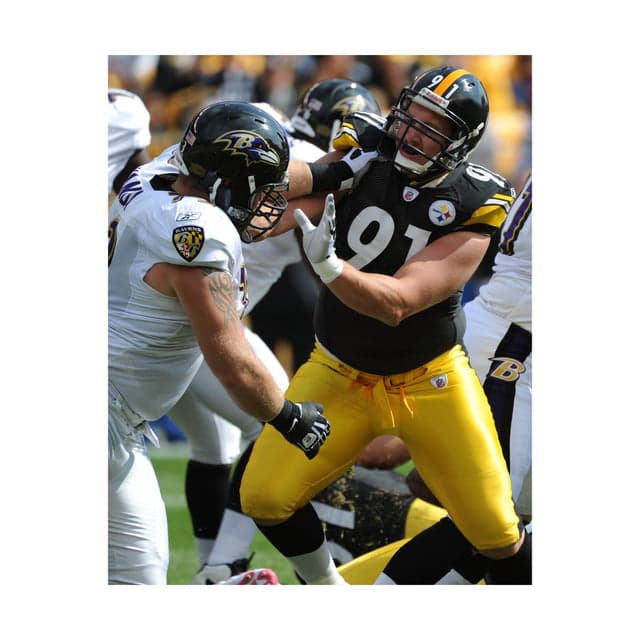 Pre-Sale: Aaron Smith Signed vs Ravens 8x10 PhotoTseshop · $30.00
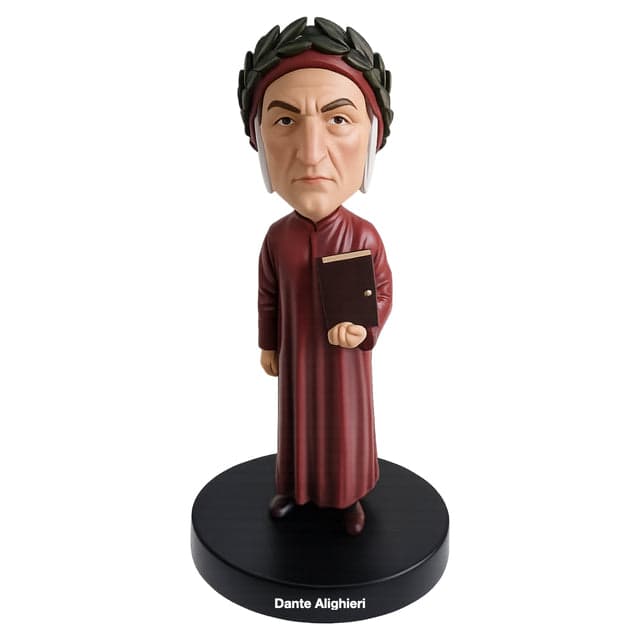 Dante Alighieri BobbleheadBobbletopia · $32.95
What to skip and where to save safely
Not every collectible option is worth the premium. Original packaging, certificates of authenticity, and display cases are valuable, but bulk discounts on lower-tier items or factory variations are often marketing noise. Many first-time buyers overpay for variants or rare colors without verifying actual market demand or price history. You can safely skip expensive display cases for common items and invest in budget-friendly archival storage instead. Minor print variations or small factory defects rarely affect value unless the collectible is already high-grade or extremely rare. Buying sealed collectibles is worth the premium only if the item is genuinely scarce or the sealed condition is what collectors seek; opening a common item to inspect it rarely hurts value, but opening a rare one destroys it. Skip impulse buying: take time to research comparable sales before committing to anything over USD 100. You can save money by purchasing ungraded items from established dealers and having them graded only if the item proves valuable enough to warrant certification costs. Avoid buying from unknown sellers or platforms with no buyer protection, no matter how cheap the offer looks.
Buyers to watch and brands that fit different collecting styles
Different collectors need different sources. Super Anime Store specializes in affordable anime figures, trading cards, and collectible merchandise in the USD 0–40 range, making it ideal for budget-conscious buyers building broad anime or gaming collections. Poggers focuses on fun collectible toys and nerdy gifts, suiting casual collectors who prioritize enjoyment over investment. Tseshop carries high-value signed sports memorabilia like jerseys and helmets, starting at USD 2 but reaching USD 490, making it the choice for serious sports autograph collectors with deeper budgets. Bobbletopia centers on bobblehead collectibles and related action figures in the USD 33–240 range, serving specialists who focus on one niche. Doublee_CaDA sells building-block model kits and RC models (USD 4–220), appealing to collectors who value hands-on construction and detail-oriented hobby builds. animota and 株式会社プライム1スタジオ-JP offer Japanese figures and models, catering to anime and gaming enthusiasts who seek premium or specialized pieces. Each brand targets a different collecting philosophy, so match your collecting goals to the right source.
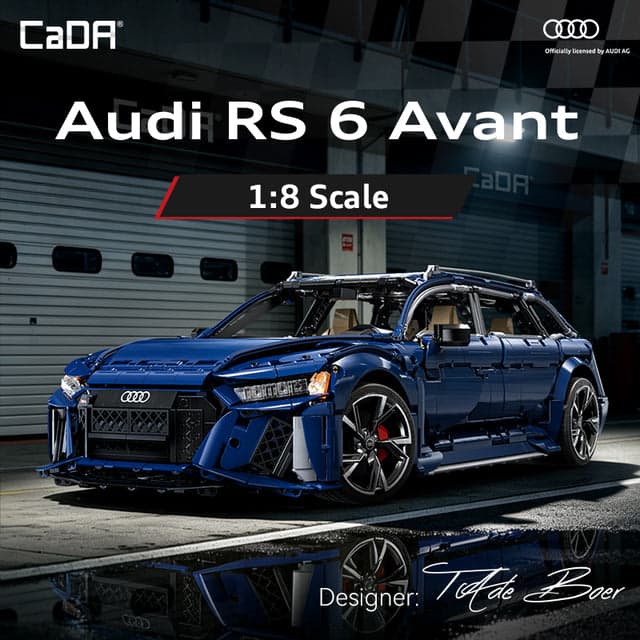 CaDA Master Audi RS6 Avant 1:8 Scale Building Blocks C61515WDoublee_CaDA · $349.00
 HIPPERS Funbarus (Posture Pal) Blind BoxSuper Anime Store · $13.99
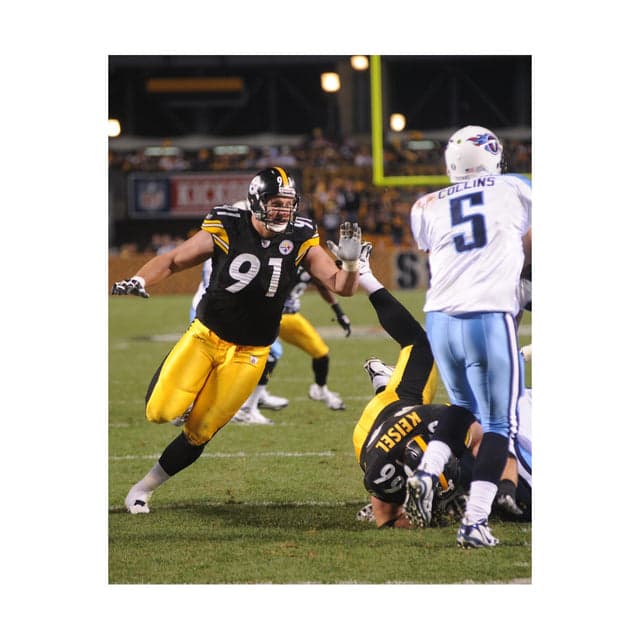 Pre-Sale: Aaron Smith Signed vs Titans 8x10 PhotoTseshop · $30.00
Quality and value: separating legitimate deals from expensive mistakes
A low price tag does not equal value if the item is counterfeit, damaged, incomplete, or undocumented. Modern counterfeiters use sophisticated techniques: high-quality printing that mimics vintage signatures, artificial aging processes, and advanced copying of certificates of authenticity (COAs). A genuine COA is tied to a verifiable serial number that matches the item; many fake COAs exist precisely because buyers wrongly assume paperwork equals authenticity. Buy only from reputable dealers, certified auction houses, or established retailers like Bobbletopia or Tseshop, which offer documented provenance and return policies. Avoid sellers with no reviews, no chain-of-custody records, or COAs that cannot be independently verified. For signed sports items, authentic signatures show natural variations and imperfections; be suspicious of identical signatures across multiple items. Vinyl, coins, and paper collectibles face additional risk: counterfeiters often use modern materials for items claimed to be vintage. Research the correct materials, inks, and manufacturing techniques from the era. A well-documented piece from a reputable source will cost more upfront but saves thousands in regret and disputes later. Cheap unknowns are never bargains.
Getting sizing, fit, and condition right before you buy
For physical collectibles like figures, model kits, and display items, dimensions and space matter. Action figures vary from 3 inches to 12 inches or more; verify shelf or display case width before purchasing a set. Model kits range from small desktop pieces to large-scale builds; read assembly requirements and finished dimensions. Bobbleheads are typically 6–8 inches tall; if you are stacking or shelving multiples, measure first. Sealed items must match your intended purpose: sealed collectibles are for investment or preserved display only, not for building or hands-on enjoyment. Check weight and material fragility if wall-mounting is planned; heavy figures require secure, reinforced shelving, never flimsy brackets or nails. For cards and memorabilia, size affects display options: standard trading cards (2.5 x 3.5 inches) fit most sleeves and binders, but oversized variants may need special storage. Inspect condition descriptions carefully: look for keywords like "near mint," "very good," "acceptable," which signal exact wear levels. Request close-up photos of condition before buying any item over USD 50. Do not assume "mint" means factory-sealed; mint means perfect condition, which is rare. Compare photos across multiple listings to see what true condition looks like at each grade level. Ask questions if descriptions are vague; sellers of legitimate collectibles answer detailed condition questions freely.
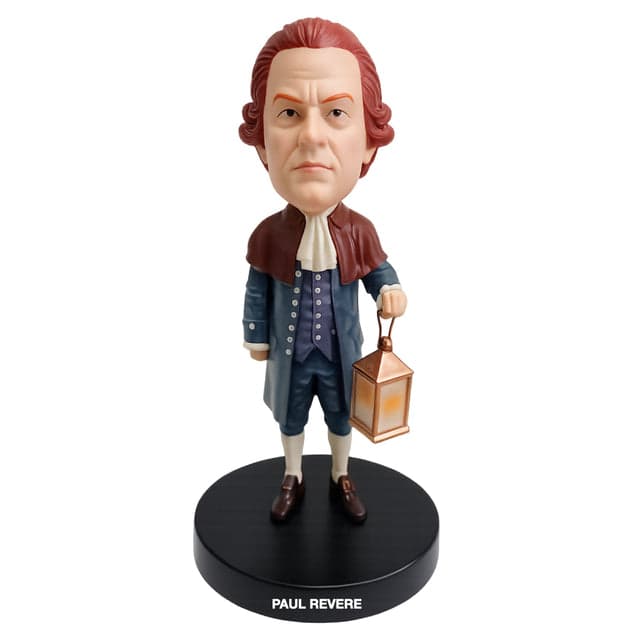 Paul Revere BobbleheadBobbletopia · $35.95
 CaDA Bricks 1:20 Lancia Stratos HF C51066WDoublee_CaDA · $30.99
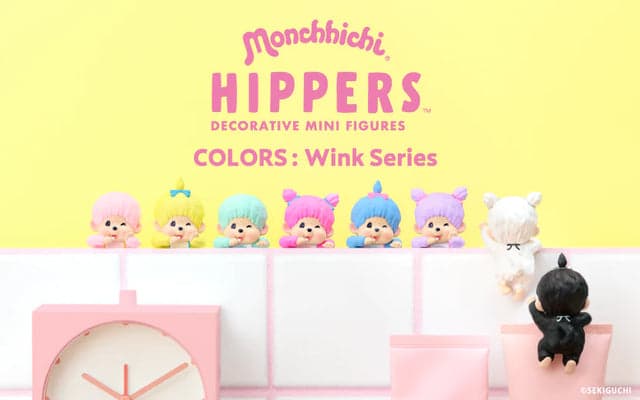 HIPPERS Monchhichi COLORS: Wink Series Blind BoxSuper Anime Store · $13.99
When and how discounts and sales actually work on collectibles
Collectible prices drop seasonally, but rarely below 10–20% unless the item is overstock, a former display model, or closing-out inventory. Holiday sales in November and December sometimes offer genuine discounts on common items; post-holiday clearance in January carries deeper cuts but on leftover stock. Limited editions and rare pieces almost never discount because scarcity drives value. Discount codes, where available, typically cover 5–15% and apply only to new inventory or overstock, not to graded, certified, or pre-owned pieces. Super Anime Store and Poggers may run promotions on standard figures and games, but graded cards or high-value signed memorabilia from Tseshop will not participate in typical sales. Bulk purchases sometimes unlock modest discounts (5–10% for multiples), but storing or displaying bulk inventory costs money and space. Watch for flash sales, but do not buy something you do not want just because it is discounted; regret purchases clutter collections. Auction-based platforms like eBay show real market prices; an item that hovers at the same price across multiple listings has likely found its true market value, and "discounts" below that floor often signal condition problems or authenticity questions. Be wary of prices that seem too low; legitimate deals on collectibles are rare, and suspiciously cheap offers usually hide a catch.
Where people go wrong comparing options and making choices
The biggest comparison error is focusing on price alone and ignoring condition, authenticity, and resale history. Two identical-looking items can have wildly different values based on grading, provenance, and documentation. Buyers often confuse rarity with desirability: a low-mintage item is worthless if nobody collects it. Variant versions and factory errors tempt collectors into overpaying; do not assume a printing mistake or unusual color variant is valuable without proof that collectors demand it. Another trap is comparing new items to vintage prices: a 1990s action figure in mint condition will always cost more than a reissue, but the reissue is often the better value for display and enjoyment. Sealed versus loose comparisons confuse buyers; sealed commands premium prices only because it preserves the item, not because the sealed version is inherently better in quality. Check sold listings, not asking prices: asking prices are wishes, sold prices are facts. On auction sites, filter by "sold" or "completed" listings to see what collectors actually paid. Compare apples to apples: same grade, same condition, same completeness, same source type (auction versus retail versus private sale). Ignore outliers and focus on the clustering of recent sales. If one seller asks USD 500 for an item that sold for USD 150 three times in the past month, that seller is not giving you a deal; they are hoping for a desperate buyer.
Common collector mistakes and how to avoid them
Opening sealed collectibles is the most catastrophic mistake—sealed figures, games, and cards can be worth 5–10 times more than opened versions, and opening destroys that value instantly. Store collectibles away from sunlight because UV rays fade colors, yellow plastic, and weaken packaging permanently; never display high-value items in direct window light. Use archival-quality storage materials, not standard cardboard or plastic, which contain acids and chemicals that damage paper, inks, and paint over years. Coins stored loose in a box scratch each other every time they move; use padded sleeves and rigid holders instead. Do not handle valuable items with bare hands; skin oils and dirt leave marks on cards and bubble packaging that lower grade. Wash your hands or wear cotton gloves before touching high-value collectibles. Weak or overloaded shelving causes catastrophic collection loss; use sturdy, reinforced shelving and secure wall-mounted displays with heavy-duty hardware. Losing small accessories like weapon stands, inserts, or parts significantly damages value; organize and label these items immediately after purchase. Humidity and temperature swings warp cards, loosen glue, and encourage mold; maintain stable, dry indoor storage. Do not assume an item is safe without homeowner's insurance documentation and a photograph inventory. Collectors sometimes skip basic research and overpay for common figures or cards without knowing rarity, variants, or true market price; spend 30 minutes researching comparable sales before any purchase over USD 50. Finally, avoid collecting indiscriminately; spreading across ten unrelated categories becomes expensive, overwhelming, and hard to display. Pick one or two niches, go deep, and build value deliberately.
Our top picks

Super Anime Store40% off
Affordable entry point for anime collectors building collections of figures, cards, and gaming merchandise in the USD 0–40 range with broad selection.
Shop Super Anime Store →15 Super Anime Store coupons →
Tseshop50% off
Specialist in signed sports memorabilia and autographed collectibles, serving serious collectors investing in authenticated, documented high-value pieces.
Shop Tseshop →20 Tseshop coupons →
Bobbletopia60% off
Focused retailer in bobblehead and action figure collectibles (USD 33–240), ideal for specialized collectors who prefer depth in a single niche.
Shop Bobbletopia →15 Bobbletopia coupons →
Doublee_CaDA40% off
Model kit and building collectibles (USD 4–220) for hands-on collectors who value detail, assembly, and construction-oriented collecting hobbies.
Shop Doublee_CaDA →15 Doublee_CaDA coupons →Frequently asked questions
Does a certificate of authenticity guarantee a collectible is real?
No. Modern counterfeiters print convincing COAs; authenticity only matters if the certificate number is independently verifiable. Buy from reputable dealers who document provenance and offer buyer protection, not just paperwork.
How much does condition actually affect collectible value?
Dramatically. A coin graded 65 can be worth three times more than one graded 63. Sealed toys are worth 5–10 times more than opened. Mint vinyl is worth 3–5 times more than Very Good. Condition is the primary price driver.
When should I open a sealed collectible versus keep it sealed?
Keep it sealed if rarity is high or collectors demand sealed condition; opening destroys investment value. Open it only if you bought it for enjoyment and condition is common enough that sealed premium is low.
- https://displayarmour.co.uk/blogs/news/action-figure-collecting-mistakes
- https://estimonia.com/collectibles-guide
- https://www.jaxtr.com/mistakes-avoid-buying-collectible-toys/
- https://fragstore.com/blog/how-to-spot-fake-collectible-figure/
- https://easystoragesearch.com/self-storage/costly-collectibles-storage-mistakes/
- https://www.internationacollectorsassociation.com/pages/blogs/value-and-grading-collectibles.php