
Why Necklace Length Matters More Than You Think
The difference between a flattering necklace and one that feels awkward often comes down to just two inches. A necklace that sits at the right point on your body can elongate your neck, draw attention to your best features, and coordinate seamlessly with your wardrobe. Conversely, the wrong length can make your proportions feel off or clash with the necklines you typically wear. Recent consumer guides emphasize that length is not just about aesthetics but also about comfort and confidence. Many shoppers default to the 18-inch princess length without considering their individual proportions, missing the opportunity to find a length that works specifically for them. Understanding how different lengths interact with face shape, neck width, and body height helps you build a more versatile jewelry collection. When shopping online, this knowledge prevents the frustration of receiving necklaces that don't drape the way you imagined. The right length also affects how often you'll actually wear a piece—a necklace that sits perfectly encourages regular use.
Standard Necklace Lengths Explained
Necklaces come in eight standard lengths: 14 inches, 16 inches, 18 inches, 20 inches, 22 inches, 24 inches, 30 inches, and 36 inches. The 18-inch length is the most universally popular and is often called the princess length because it works with most designs and necklines. The 16-inch choker sits above the collarbone at the base of the neck and suits those with longer necks or who prefer a more delicate look. A 20-inch matinee length falls just below the collarbone and pairs well with higher necklines like turtlenecks or boat necks. The 24-inch opera length falls below the bust for women and is ideal for layering or for those who want a more dramatic drape. Longer lengths like 30 inches and 36 inches are better suited for statement pieces or when you want maximum visual impact. Most everyday necklaces land between 16 and 20 inches because this range works with common clothing styles. When measuring a necklace you already own, lay it flat on a table and measure from clasp to clasp to verify its actual length, as lengths sometimes vary by one inch between manufacturers.
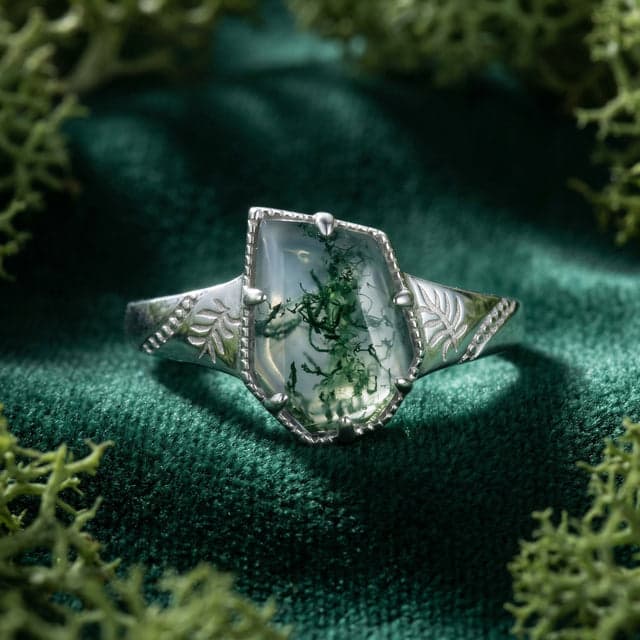 Natural Moss Agate Leaf Design Ring - S925 Sterling Silver in Solid GoldAwareness Avenue · $969.95
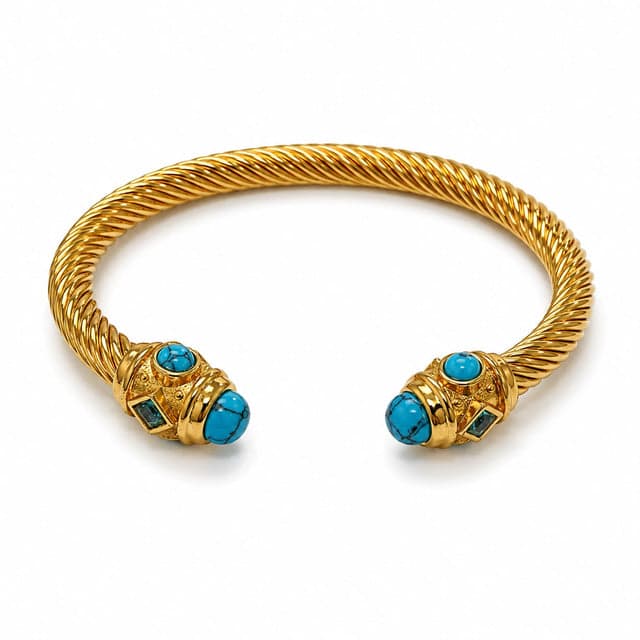 Gold Twisted Turquoise Cable Cuff BraceletGogo Lush · $44.90
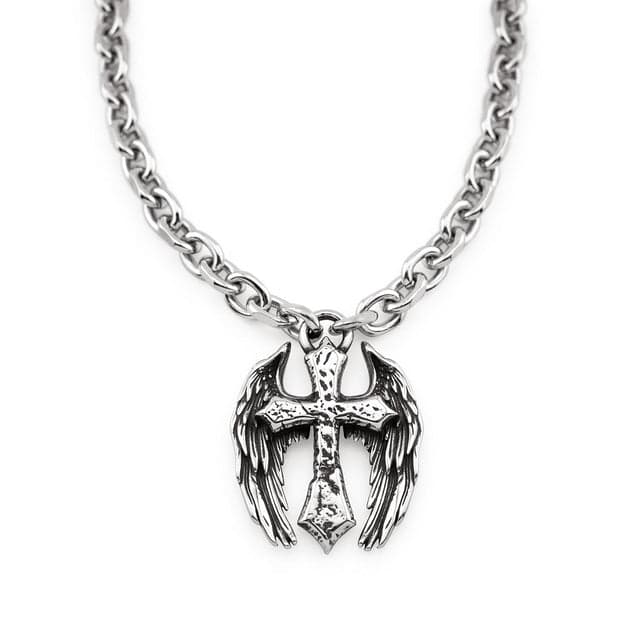 Rapture Cross Chain - SmallPersonal Fears · $69.99
How to Measure Your Ideal Necklace Length
Accurate measurement is the foundation of getting the right length. Wrap a flexible measuring tape or a piece of string around your neck at the point where you want your necklace to rest—this is usually at the collarbone or just above it. Mark where the two ends meet, then remove the tape and measure the distance in inches. Add one to two inches to this base measurement to account for movement and the weight of any pendant, which will pull the necklace slightly lower. A more practical approach is to measure an existing necklace you already own and love; lay it flat on a table from clasp to clasp and write down the length. Then, when shopping, you have a concrete reference point. Remember that pendant weight matters significantly—a heavy pendant or charm can add the visual equivalent of one to three extra inches of drop, so factor this in when selecting your chain length. If you're between sizes, round up rather than down, as a slightly longer necklace is easier to style than one that sits too high on your neck. Some retailers offer necklace extenders that add two to six inches, which is worth considering if you want flexibility with multiple lengths.
Matching Length to Your Face Shape and Proportions
Your face shape is one of the most practical factors in choosing a flattering necklace length. Those with round faces benefit from longer necklaces (22 inches and above) that elongate the face and create a slimming effect. Oval faces are versatile and look good in almost any necklace length because the balanced proportions work with short, medium, and long styles. Heart-shaped faces have a wider forehead and narrower chin, so choker and princess lengths (16 to 18 inches) help balance the proportions by adding focus to the lower face. Square or oblong faces benefit from shorter necklaces like chokers or princess lengths (16 to 18 inches) to broaden and soften the jawline. Your neck width also matters: people with narrow necks can wear shorter lengths comfortably, while those with wider necks often prefer 17 to 20-inch lengths that give the neck visual breathing room. Height is another consideration—petite frames typically look best in 14 to 18-inch necklaces to maintain proportion, while taller or broader builds can carry longer chains (20 inches and above) without looking overwhelmed. Consider trying on necklaces in these recommended ranges before buying to see which feels most natural on your body.
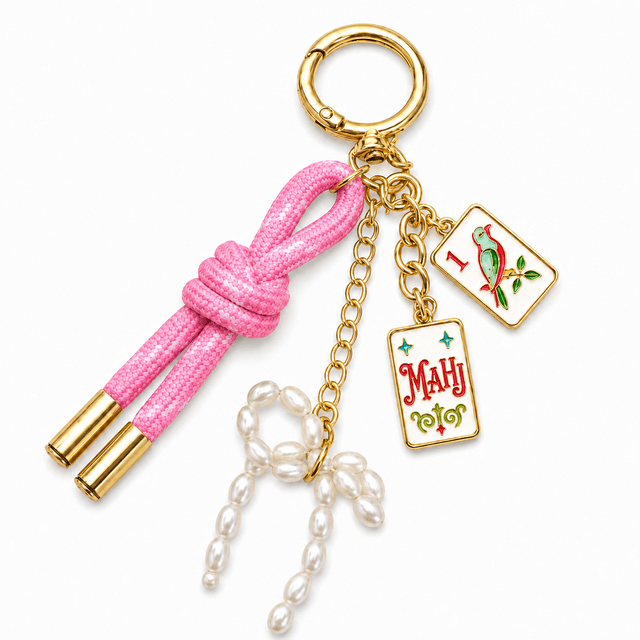 Mahj All Day Mahjong Bag Charm KeychainBorn To Rally · $29.99
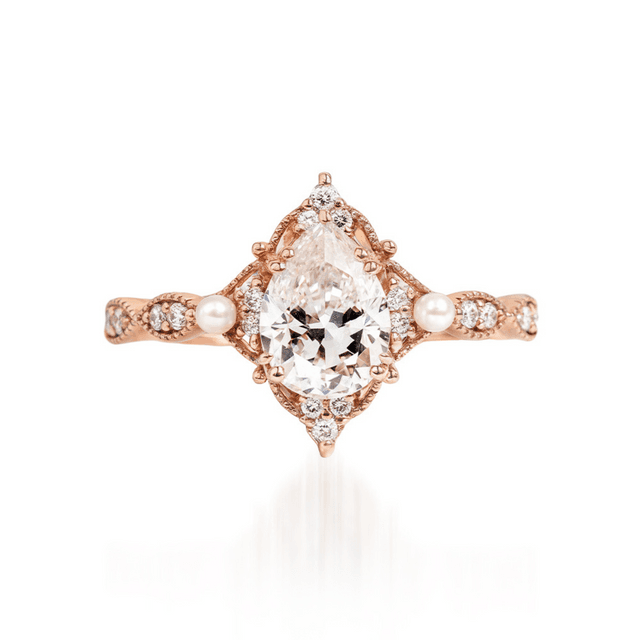 Rose Gold Vintage Diamond & Pearl Ring in Solid GoldAwareness Avenue · $1699.95
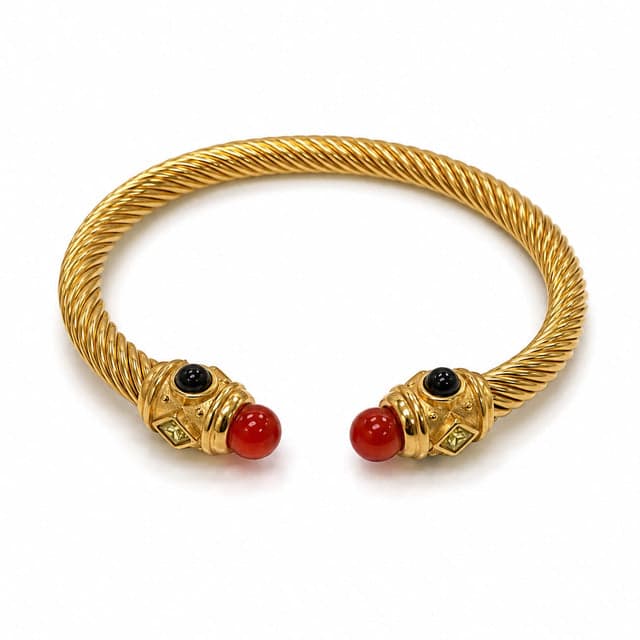 Gold Twisted Carnelian & Obsidian Cable Cuff BraceletGogo Lush · $44.90
Quality Materials Make the Difference
The durability of your necklace depends heavily on both the base metal and any plating applied to it. Stainless steel is a popular choice for everyday necklaces because it resists rust and corrosion better than many alternatives; the premium grade is 316L, which includes molybdenum for superior water resistance. Gold-plated stainless steel necklaces can last six months to two years with daily wear, with longevity depending on plating thickness. Quality gold plating is measured in microns (millionths of an inch); premium brands use 2.5 to 3.0 microns, while budget options may have only 0.5 to 1.0 micron. The difference in thickness translates directly to years of additional wear. When evaluating necklaces from brands like Awareness Avenue, which specializes in stainless steel statement collections with gold finishes, check for specifications that mention 18K or 14K gold plating rather than just generic "gold plated" labels. Handmade options like those from Moyoni Design often use quality materials chosen by artisans who prioritize durability over mass production. A necklace with higher-quality plating maintains its color and finish far longer and resists fading, flaking, and discoloration. For investment pieces, verify that the base metal and plating specifications are clearly stated before purchasing.
Getting the Fit Right: Neckline Compatibility
The neckline of your clothing plays a significant role in how a necklace should be proportioned. V-necks work beautifully with 18-inch necklaces that align with the V shape and don't compete with the neckline. Turtlenecks call for much longer necklaces (30 to 36 inches) or longer pendants that dangle below the collar, as a short or medium necklace will bunch awkwardly against the collar. Crew necks are flexible and work with most lengths, though 18 to 20 inches is a safe choice. Off-shoulder tops pair well with delicate choker styles (14 inches) that frame the collarbone without interfering with the fabric. Strapless or sweetheart necklines look best with 18 to 24-inch necklaces that draw the eye down and add visual interest to the exposed chest and shoulder area. Scoop necks, the most common neckline, are compatible with most lengths but especially suit 16 to 18-inch necklaces that sit at or just below the collarbone. Button-up blouses can accommodate various lengths depending on how you style them; shorter necklaces complement an open-collar look, while longer chains work with buttoned-up styles. When shopping for brands like Personal Fears or Born To Rally that offer a range of pendant styles, always visualize how the necklace will sit with your most-worn necklines to avoid buying pieces that languish unworn in your drawer.
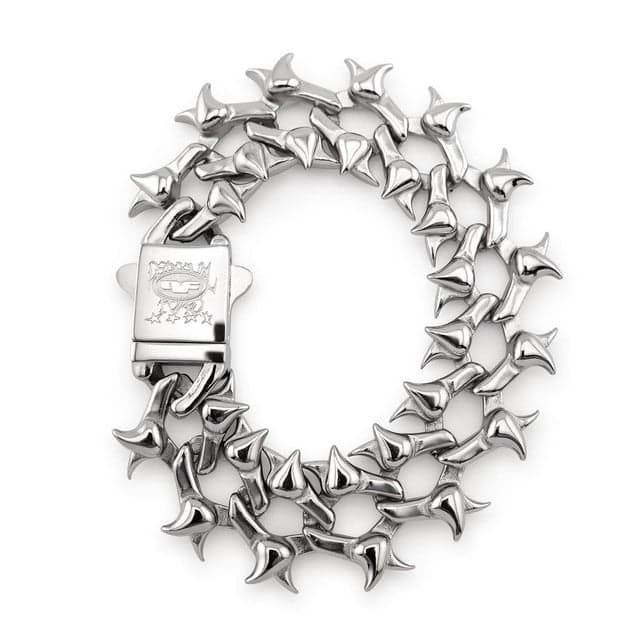 Carnage BraceletPersonal Fears · $94.99
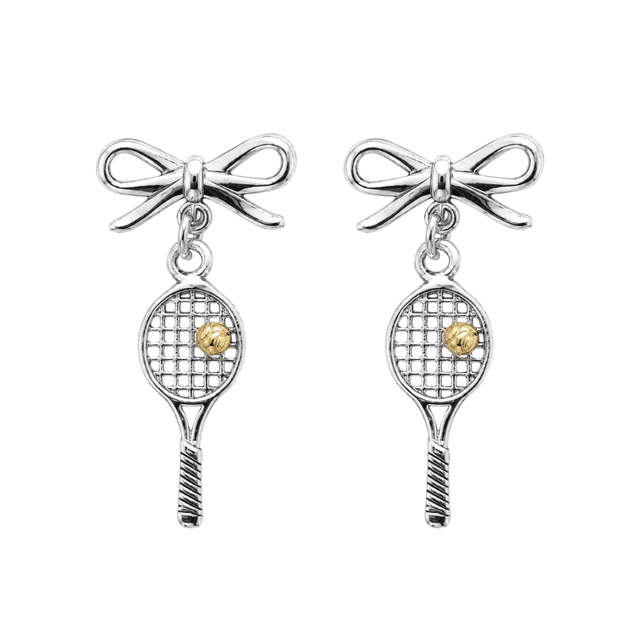 Tennis Bow Drop EarringsBorn To Rally · $24.99
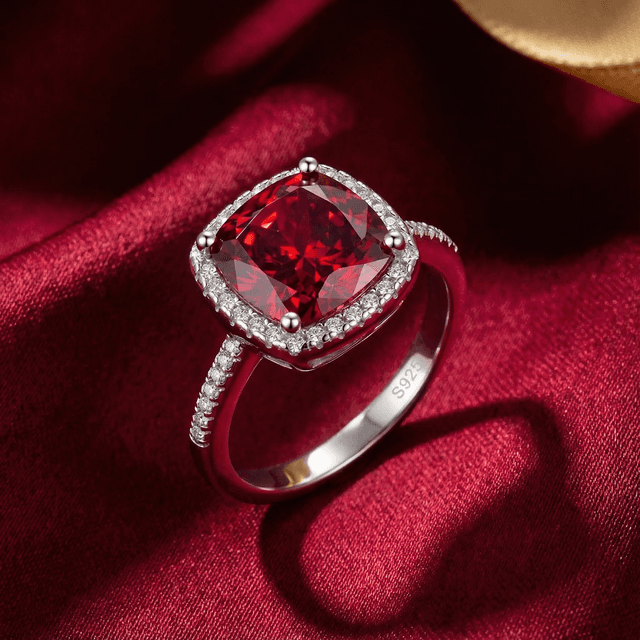 The Rosamund Cushion Ring - S925 Sterling Silver in Solid GoldAwareness Avenue · $999.95
When to Buy and How Prices Actually Drop
Necklace prices tend to be most competitive during seasonal sales: end-of-season clearance (January and August), holiday promotions (November and December), and flash sales that retailers run throughout the year. A realistic discount on necklaces typically ranges from 10 to 30 percent off regular prices. Higher discounts (40 percent and above) are less common unless a retailer is clearing old inventory or running a major promotional event. Quality necklaces from established brands rarely drop more than 30 percent because the cost of materials and production sets a floor below which retailers cannot profitably sell. Watch for coupon codes that offer a flat percentage off your entire purchase—these often apply to jewelry alongside other categories—but be aware that they typically exclude sale items and may have minimum purchase requirements. Subscribe to newsletters from retailers like Awareness Avenue or Gogo Lush to get early access to sales and exclusive codes. End-of-season timing is often your best opportunity: jewelry trends shift, so last season's color finishes or styles are more likely to be discounted. Avoid impulse purchases outside these windows unless you find a piece that is truly irreplaceable to you, as patience often yields savings without sacrificing quality.
Common Mistakes When Comparing Necklaces
One major error is relying solely on product photos to judge how a necklace will look on your body. Photos are taken from specific angles under controlled lighting, which can make a necklace appear very different from how it looks in person or in everyday light. Another frequent mistake is ignoring the weight of a pendant. A heavy pendant or charm pulls the chain down by one to three extra inches compared to its stated length, so a necklace marked as 18 inches may sit at 20 inches or lower when a substantial pendant is attached. Shoppers often overlook the clasp style and durability, assuming that any clasp will hold securely; lobster clasps and box clasps are generally more reliable than lighter spring-ring styles. Comparing necklaces without accounting for design-specific factors is also common—a necklace with a longer bail (the loop that holds the pendant) or an extended pendant drop adds extra length that isn't reflected in the chain measurement alone. Not measuring an existing necklace you already love leaves you guessing about what actually looks right on your body. Some shoppers choose lengths based purely on trend or what influencers wear, without considering their own proportions or the necklines they actually wear every day. Reading only positive reviews and ignoring user comments about sizing, durability, or plating longevity can lead to disappointment. Finally, many buyers assume that a necklace described as 18 inches will sit the same way on everyone, forgetting that variations in torso length and shoulder width affect where a necklace actually rests.
Mistakes to Avoid When Shopping for Necklaces
Impulse buying without a clear sense of your measurements is perhaps the most common misstep. Take time to measure your neck and identify your ideal length range before shopping, and stick to it. Assuming you know your size without checking multiple times throughout the day is risky—body size fluctuates slightly due to temperature, hydration, and activity level, so measure when you're in your normal, relaxed state. Buying for someone else without knowing their preferences is another pitfall; if you cannot ask directly, the 18-inch princess length is a safer bet than guessing. Overlooking the importance of base metal quality in your rush to find a pretty design often results in necklaces that tarnish, fade, or develop an unpleasant patina after a few weeks. Not considering layering possibilities can limit how versatile a necklace is in your wardrobe; spacing necklaces at least 2 to 4 inches apart visually works better than random lengths. Focusing only on the pendant and ignoring the chain quality is a mistake because a beautiful pendant on a flimsy chain looks cheap and breaks easily. Buying multiple necklaces in nearly identical lengths (say, three 18-inch necklaces) creates overlap in your collection instead of versatility. Ignoring return policies before purchasing online leaves you stuck with necklaces that don't fit or look right on your body. Finally, not factoring in the weight of the necklace itself matters for comfort—a heavy chain worn daily can stretch the clasp and irritate your skin, so prioritize comfort alongside aesthetics.
Our top picks
Awareness Avenue70% off
Offers stainless steel pendant necklaces with gold finishes in multiple lengths, suited for shoppers seeking durable statement pieces at mid-range prices.
Shop Awareness Avenue →19 Awareness Avenue coupons →
Gogo Lush40% off
Provides a broad range of necklace styles at accessible price points, ideal for buyers building a versatile collection without major investment.
Shop Gogo Lush →15 Gogo Lush coupons →
Personal Fears40% off
Specializes in necklaces with diverse designs and affordable pricing, perfect for experimenting with different lengths and styles.
Shop Personal Fears →15 Personal Fears coupons →
Born To Rally40% off
Offers budget-friendly necklaces including charms and pendants, great for layering or for shoppers exploring different lengths on a tight budget.
Shop Born To Rally →15 Born To Rally coupons →Frequently asked questions
What is the most versatile necklace length for everyday wear?
The 18-inch princess length is the most universally flattering and versatile. It sits on the collarbone, works with most necklines, and suits most body types and face shapes, making it an excellent starting point if you're unsure about your ideal length.
How do I account for pendant weight when choosing length?
A heavy pendant can pull a necklace down by one to three extra inches from its stated length. If you plan to wear a substantial pendant, choose a chain length one to two inches shorter than where you want the pendant to sit, or measure with the pendant attached if possible.
Can I adjust a necklace that is slightly too long or too short?
Yes. Necklace extenders add two to six inches to a chain that is too short. For a necklace that is too long, a professional jeweler can remove links or restring beaded pieces, though this involves a cost and some time.
- https://www.brilliantearth.com/guides/necklace-length-chart/
- https://www.vrai.com/journal/post/necklace-length-guide
- https://www.onecklace.com/tips/choosing-the-right-necklace-length/
- https://www.jewelersmutual.com/resources/individuals/necklace/how-to-choose-necklace-length
- https://ajluxe.com/blogs/jewelry-guide/best-gold-plated-necklaces
- https://earthshinejewels.com/blogs/news/avoid-these-7-common-online-jewelry-shopping-mistakes