
Why slim wallets matter now
The minimalist wallet category has exploded in recent years. Unlike traditional bifold designs that bulk to 25mm thick when loaded, slim wallets maintain a profile of just 3–10mm, eliminating pocket bulges and discomfort from sitting on a thick wallet. The shift reflects a broader trend: research shows the average person carries just 8 cards regularly but owns a bifold designed for 20+. Ridge wallets, along with competitors using metal or premium leather, have proven the concept works for professional users and everyday carry enthusiasts. Modern slim designs now include integrated RFID-blocking technology, which prevents unauthorized scanning of contactless credit cards—a feature that was experimental five years ago but is now essential. The appeal is practical, not fashionable: a slim wallet means one less thing creating friction against your body, and one less item you're carrying unnecessarily.
Material choices: aluminum, leather, titanium
Ridge wallets typically use aircraft-grade aluminum or carbon fiber, but the broader slim-wallet market offers three main material families. Aluminum and titanium are rigid metals: they prevent card bending, handle extreme temperatures without degradation, and withstand pocket friction for years with minimal wear. The trade-off is weight and a cooler feel in the hand compared to leather. Full-grain and top-grain leather remain the industry standard for premium slim wallets, developing a rich patina over time and becoming more beautiful with age. Leather requires occasional maintenance to resist moisture, and it's softer than metal—cards can bend slightly if the wallet is overstuffed. Carbon fiber sits between the two: lightweight like leather, tough like aluminum, but usually more expensive. The choice depends on your lifestyle. Professional users and travelers favor metal for its robustness. Those who value aesthetics and tactile warmth choose leather. Budget-conscious shoppers often find aluminum offers the best durability-to-cost ratio.
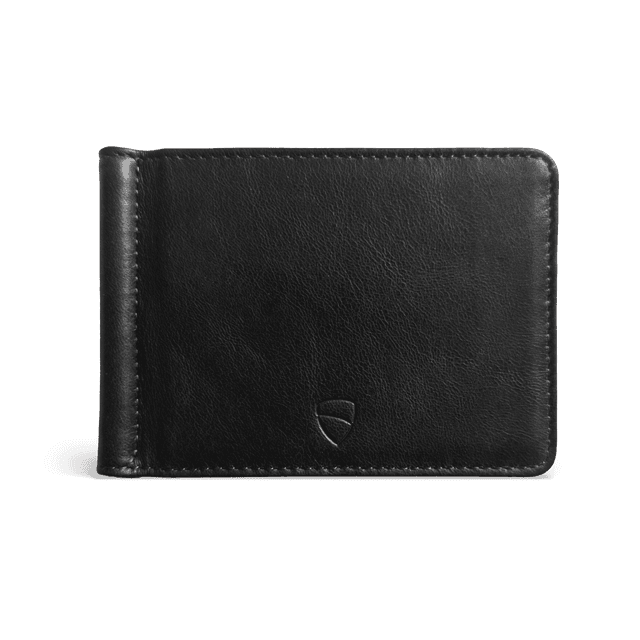 BROMPTON Money Clip WalletVaultskin · $59.99
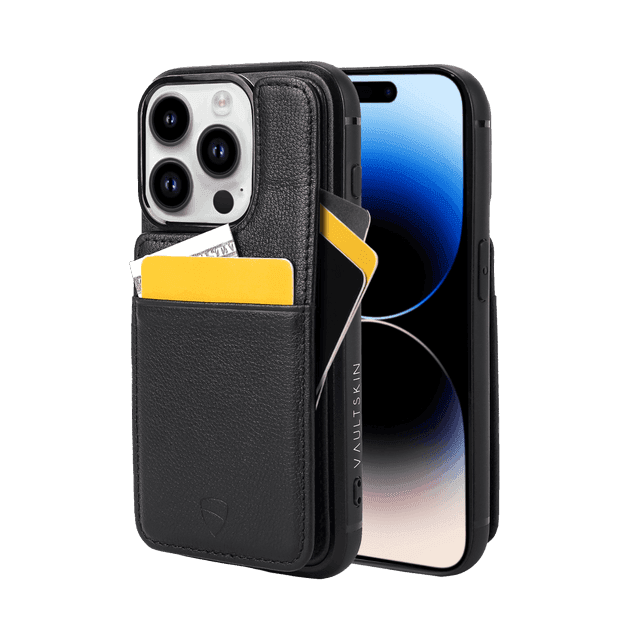 ETON Wallet CaseVaultskin · $29.99
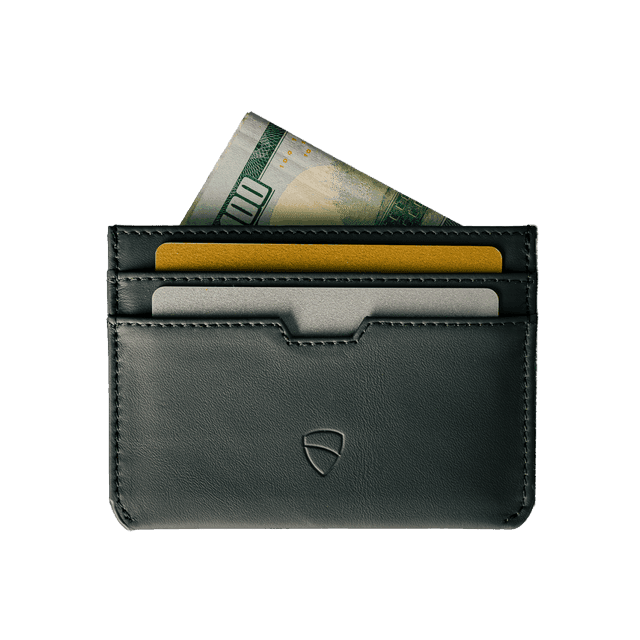 MOORGATE Card HolderVaultskin · $19.99
Card capacity vs. pocket comfort
Here's where most buyers compromise without realizing it: slim wallets typically hold 4–8 cards comfortably, and 10–12 cards at maximum. Beyond 10, retrieval becomes difficult—pulling a card from the middle of a tightly stacked wallet requires effort, and the thicker profile defeats the minimalist purpose. Research into actual carry patterns suggests 6–8 cards is the practical sweet spot: enough to cover essential ID, primary card, backup card, and one or two utility cards, but slim enough to fit front pockets without shape distortion. Some designs use mechanical pop-up systems that fan cards outward, speeding access but adding mechanical complexity. Others rely on simple slide-out trays or manual extraction, which is slower but more reliable long-term. RFID-blocking material—usually woven copper mesh or aluminum lining—adds about 1–2mm to the overall thickness but is worth the trade-off for security. Before buying, test your actual carry load: count the cards you genuinely use weekly, not just throw in out of habit. This single exercise eliminates most buyer regret.
Who should buy which style
Minimalist metal wallets suit professionals in corporate environments, where a sleek aluminum design signals efficiency and fits invisible into suit pockets. Travelers and photographers favor these designs because they protect cards from bending in luggage and survive airport security lines without issue. Vaultskin offers premium leather alternatives for buyers who prioritize tactile quality over durability—its wallets use top-grain Italian leather and military-grade RFID shielding, appealing to users who want understated luxury rather than industrial minimalism. Tech-forward users often choose carbon fiber or titanium models, drawn to the materials themselves. Casual users or those with large card loads should honestly reconsider whether a slim wallet fits their actual habits; forcing 15 cards into a design meant for 8 creates constant friction. Budget shoppers under $60 often find acceptable aluminum wallets but should expect less refined tolerances and shorter lifespans compared to $100+ options. Frequent cash users might skip metal entirely and opt for leather with a dedicated bill slot or cash clip, since metal designs typically treat cash as an afterthought.
Quality signals and value tradeoffs
A genuinely durable slim wallet shows five markers of quality. First, precise engineering: the metal plates or leather halves fit together with zero gap, no wobble when assembled. Second, robust retention: cards should not slide or rattle inside even when shaken. Third, RFID blocking confirmed by independent testing, not just claimed on the label. Fourth, a lifetime or multi-year warranty reflecting manufacturer confidence. Fifth, consistent material throughout—no cheap plastic inserts in a premium leather wallet. Ridge wallets across all material tiers consistently earn praise for craftsmanship and durability, with owners reporting minimal wear after months of daily carry. Vaultskin's leather wallets emphasize precision stitching and top-grain material, justifying higher prices ($50–$60) through longevity. Budget options under $40 often sacrifice one or two of these markers—perhaps looser tolerances, basic RFID blocking, or a shorter warranty—but can still deliver acceptable performance for casual use. The value inflection point lands around $70–$90, where incremental cost gains you significant durability and finish quality. Beyond $120, you're often paying for brand prestige or exotic materials rather than proportional improvements in everyday function.
When and where prices drop
Ridge wallets typically sell at $80–$150 depending on material. Published discount cycles include Black Friday (approximately 30% off), Easter, Christmas, and Independence Day promotions. Independent retailers occasionally offer sales, though the official Ridge storefront rarely discounts below 25%. Vaultskin similarly runs seasonal promotions, particularly around major holidays, with sales typically ranging 15–20% off full retail. The caveat: discount codes and sitewide sales rarely stack, and they usually exclude limited editions or new colorways. Monthly price tracking through retail aggregator sites shows that slim wallets rarely drop below their historical low except during major holiday pushes. The honest math: if you see a wallet at 40%+ off, investigate whether it's a legacy colorway being cleared rather than a current model. Quality slim wallets hold resale value reasonably well on secondhand marketplaces, recovering 50–65% of original purchase price, so buying at full price and selling later if you don't love it costs less than waiting for a sale that may never come.
Mistakes to avoid
First mistake: choosing capacity on hope rather than habit. Buyers routinely select 10-card wallets telling themselves they'll use every slot, then discover a 6-card version would suffice. Measure your actual weekly carry before assuming you need maximum capacity. Second mistake: confusing RFID blocking with overall security. A blocked wallet protects against wireless card skimming but does nothing against physical theft or lost cash; it's one layer, not a security solution. Third mistake: assuming metal is always superior to leather. Aluminum won't develop patina like leather, but it's also colder, heavier, and less tactile—neither is objectively better. Choose based on how you want to interact with your wallet, not on specification preference. Fourth mistake: buying multiple wallets expecting to rotate them. Slim wallets reward consistency; using one wallet daily lets you master its access patterns and build habits around its limitations. Rotating between three wallets creates confusion and defeats the minimalist philosophy. Fifth mistake: ignoring cash compatibility. If you regularly carry bills, a wallet without a dedicated cash slot forces folded notes alongside cards, creating bulk and wear. Test your wallet design with your actual usage before committing.
Our top picks

Vaultskin75% off
Premium leather slim wallets with top-grain Italian leather and military-grade RFID blocking, ideal for buyers prioritizing tactile quality and minimalist aesthetics over industrial durability.
Shop Vaultskin →25 Vaultskin coupons →Frequently asked questions
How much cash can a ridge wallet hold?
Most ridge wallets lack a dedicated cash slot, treating cash as overflow storage. Folded bills fit alongside cards but the design prioritizes card security over cash volume. If you carry significant cash regularly, choose a model with an explicit bill clip or zipper pocket.
Does RFID blocking actually work?
Yes, certified RFID-blocking material (copper mesh or aluminum lining) prevents contactless card scanning. However, it only protects against wireless skimming, not physical theft. Check that a wallet's RFID protection is independently tested, not just claimed on the label.
Will a slim wallet feel cheap if I only carry 4 cards?
No. Ultra-minimal carries (4–6 cards) often feel superior because wallets maintain their intended profile and are easier to access. Pushing a slim design to 10+ cards forces compromises on usability that make even premium wallets feel strained.
- https://www.ekster.com/blogs/the-journal/best-minimalist-wallets-2026
- https://www.packhacker.com/blog/general/best-minimalist-wallets/
- https://www.allthewallets.com/vaultskin-manhattan-wallet-review/
- https://www.allthewallets.com/ridge-wallet-review/
- https://www.walletgear.com/best-slim-wallets/
- https://bespokeunit.com/articles/lifestyle/vaultskin-city-chelsea-manhattan-wallets/