
What's changing in stationery for 2026
The stationery market in 2026 reflects two major shifts: sustainability and aesthetic choice. Consumers now expect products made from recycled paper and bamboo, often at comparable prices to standard options. Beyond eco-materials, the industry has seen a surge in paper-digital hybrids and smartpen technology entering the affordable tier. Color trends favour jewel tones like lavender and deep purple, alongside cherry reds, but these aesthetic choices are available across all price points from budget retailers to premium brands. For the budget buyer, this matters because suppliers now compete on design and sustainability, not just durability, pushing quality up across lower price ranges. Erasable pens and fountain pen options have returned to mainstream retail, expanding what affordable means beyond ballpoint basics. The key change is that 2026 buyers have genuine choices in how their stationery looks and performs without spending more.
How to choose: specs and materials that matter
When shopping for affordable stationery, focus on three core specifications that affect everyday performance. First, paper weight matters for notebooks and notepads: aim for at least 80gsm (grams per square metre) for smooth writing and minimal show-through. Standard copy paper sits at 75-80gsm, while most decent notebooks use 100gsm or higher. For pens, check the ink type rather than price: gel, rollerball and ballpoint each behave differently, and affordable gel pens from Stationery Pal deliver consistent colour without skipping. Second, erasability and smudge resistance are worth testing if possible; ballpoint and oil-based inks resist smudging better than gel in damp conditions. Third, binding type affects longevity: spiral and perfect-bound notebooks last longer than stapled versions at only slightly higher cost. Material choices like cotton-blend paper and recycled cardboard covers add premium feel without doubling prices. Don't assume expensive equals better; an affordable notebook with proper paper weight outperforms a pricey one with thin, show-through pages.
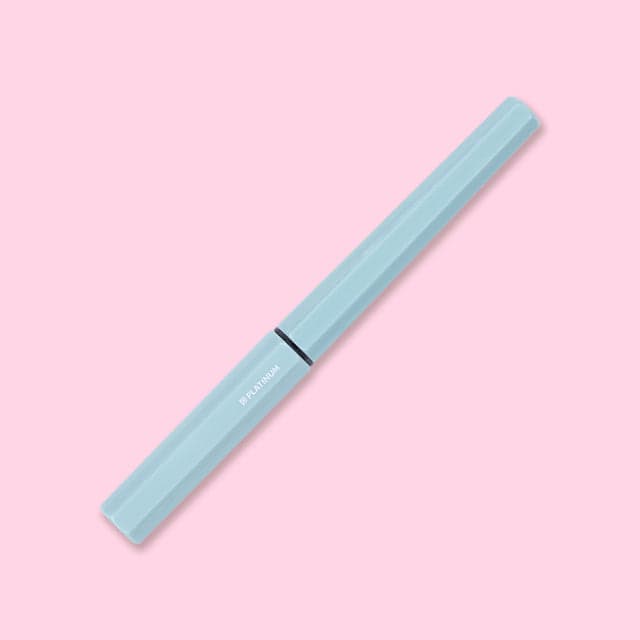 Platinum Little Shooting Star Fountain Pen - Fine Nib - Soda BlueStationery Pal · $5.87
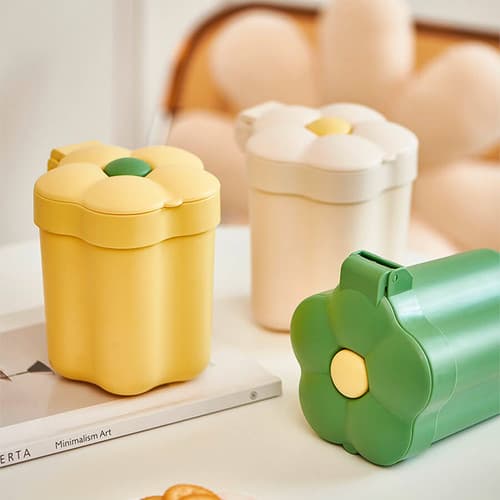 Daisy Small Desk Trash CanFallindesign
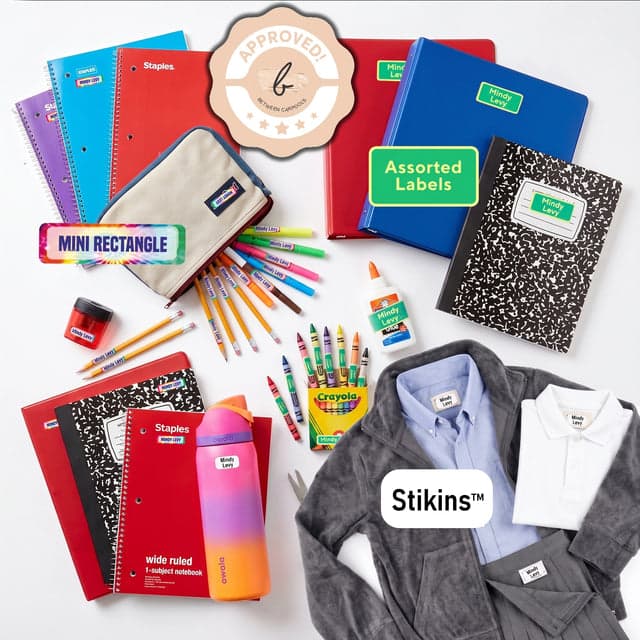 🎒 NEW Family School Label PackLabel Land · $11.95
What to prioritize and what you can skip
Budget stationery shopping is about knowing where to spend and where to save. Prioritize quality in items you use daily: your main pen, primary notebook and highlighters see constant wear, so spending a few dollars extra here pays back in durability and performance. Skip premium pricing on supplementary items like correction tape, erasers and sticky notes; these are consumables that all perform similarly regardless of brand, and buying basic versions saves money without sacrifice. Branded luxury options like Moleskine or Leuchtturm1917 notebooks are excellent but not essential; Stationery Pal offers variety-packs of gel pens and highlighters at competitive prices that deliver for everyday use. Specialty paper types like handmade or artisanal stocks are worth avoiding unless you have a specific need; standard matte and bright whites work for 95 percent of tasks. Avoid bundle deals that include items you won't use; a 50-piece set is false economy if you only need pens and pencils. The safe skips are branded packaging, collectible designs and premium finishes on items you'll lose or replace anyway. Plan your core kit first, then add only what serves your workflow.
Which brands fit different buyer needs
Stationery Pal serves the high-volume, price-conscious buyer who wants variety without overpaying; their gel pens, highlighters and mechanical pencils range from $1 to $20, making them ideal for stocking a desk or classroom. Fallindesign appeals to aesthetic-focused shoppers seeking cute, coordinated stationery with Korean design sensibility; their planners, notebooks and sticker collections work for buyers who want personality in their supplies. Vivoprint suits buyers who want customization on everyday items like notebooks and water bottles without luxury prices. Label Land and stikets.es cater to parents and organisations needing labels and personalised stickers for marking belongings; these specialists offer options from $14 upward. Bastionboltactionpen serves EDC (everyday carry) enthusiasts and professionals who want a quality pen in the $4-$247 range, offering specialist EDC pens alongside standard options. Page Anchor targets the premium-casual segment with BYOB (bring your own book) products starting at $53, for buyers investing in heirloom-quality stationery. Freedom Mastery rounds out the shortlist with multi-variant products in the $18-$50 range. Match your shopping patterns to the brand: high-frequency bulk buyers choose Stationery Pal, aesthetic prioritizers choose Fallindesign, specialist needs drive the others.
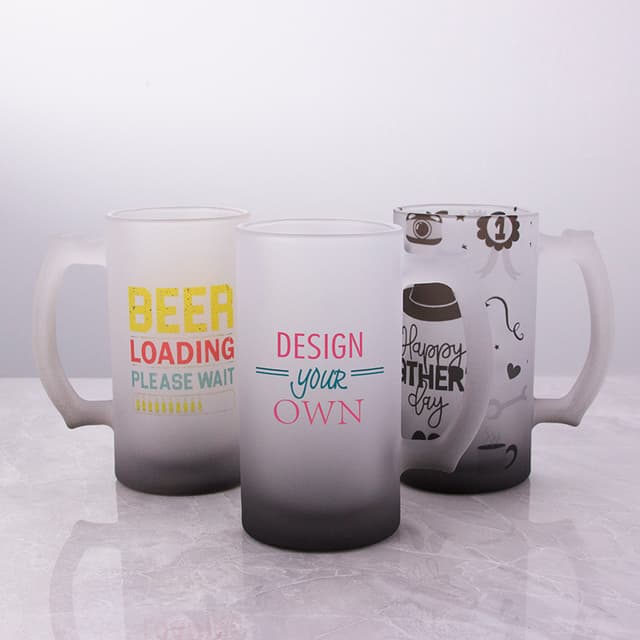 16 oz Gradient Color Beer SteinVivoprint · $15.99
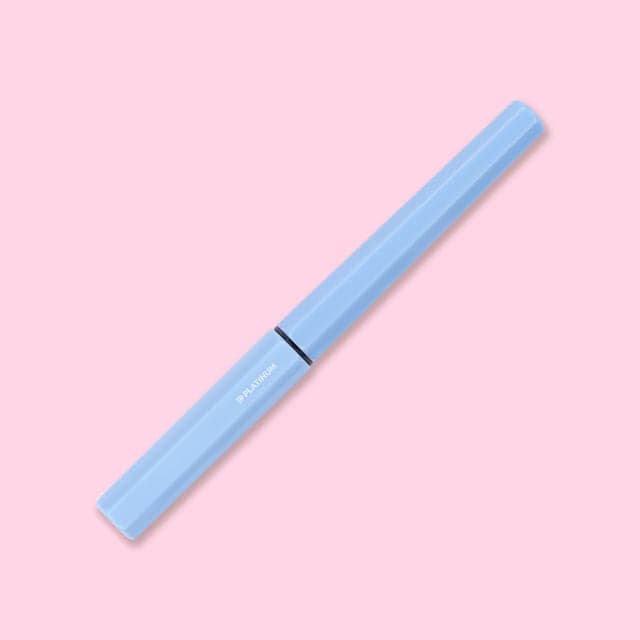 Platinum Little Shooting Star Fountain Pen - Fine Nib - Lake BlueStationery Pal · $5.87
 ABJECTION Daisy cards and envelope setFallindesign
Quality and value: what separates good from cheap
True value in affordable stationery lies in understanding what quality costs and what it doesn't. Paper quality defines most of the difference: notebooks with 100gsm paper and proper sizing cost 15-30 percent more than 70gsm versions but last twice as long and resist pen bleed-through. A pen that writes smoothly without skipping is worth an extra dollar; poor-quality gel pens force pressure and cause hand fatigue. Binding matters less to budget buyers unless daily use is heavy; perfect-bound notebooks outlast spiral-bound in backpacks, but stapled versions suffice for light use. Ink characteristics separate functional from poor: water-resistant ballpoint or oil-based inks cost the same as standard versions but resist smudging in pockets or wet conditions. Brand reputation should factor lightly; stores like Stationery Pal have built trust through consistent product selection across price tiers, meaning their $2 pens perform as described. Avoid the cheapest tier of any category; the jump from rock-bottom to mid-budget rarely exceeds a dollar but delivers noticeable improvements in longevity and performance. Quality on a budget means reading product specifications carefully, checking paper weight and ink type, and prioritizing durability in items used daily. A $5 notebook that lasts a year beats a $15 one that falls apart in three months.
Sizing and capacity: getting it right first time
Stationery sizing directly affects usability, so choosing correctly saves money on replacements. Notebook size should match your use case: A5 (half-letter) fits pockets and small bags for portable note-taking, while A4 (full letter) suits desk work and office environments. Count pages based on writing frequency; light users need 50-100 pages monthly, while students and professionals consume 200+ pages weekly. Pen sizes range from fine (0.5mm) for detailed writing and doodling, to medium (0.7mm) for everyday note-taking, to bold (1.0mm+) for marking and visibility. Choosing the wrong tip size causes frustration; test if possible before bulk buying. Pencil hardness matters for artists but not for standard writing; standard HB pencils suit most tasks, while mechanical pencil lead comes in 0.5mm (fine) and 0.7mm (standard). For highlighter sets, five to eight colours cover most marking needs; specialty colour packs above ten rarely get full use. Correction tape width should match your typical line width; standard 5mm suits most pens. When buying sets, check that item counts match your actual needs. A 100-pen assortment wastes money if you only need five colours in rotation. Measure your writing surface and bag space before committing to larger formats.
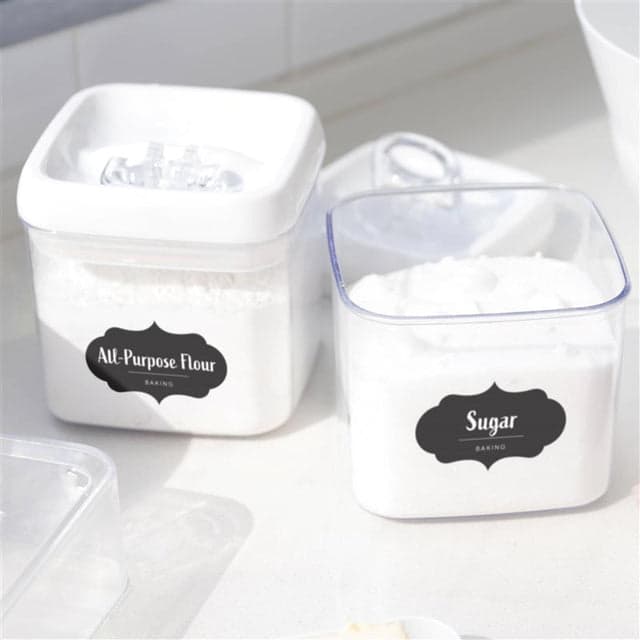 Tidy Home Pantry Label SetLabel Land · $14.85
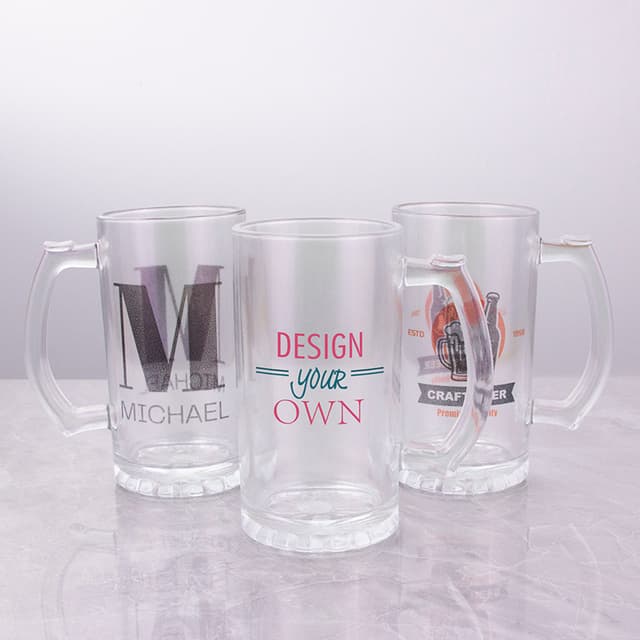 16 oz Glitter Galaxy Beer SteinVivoprint · $15.99
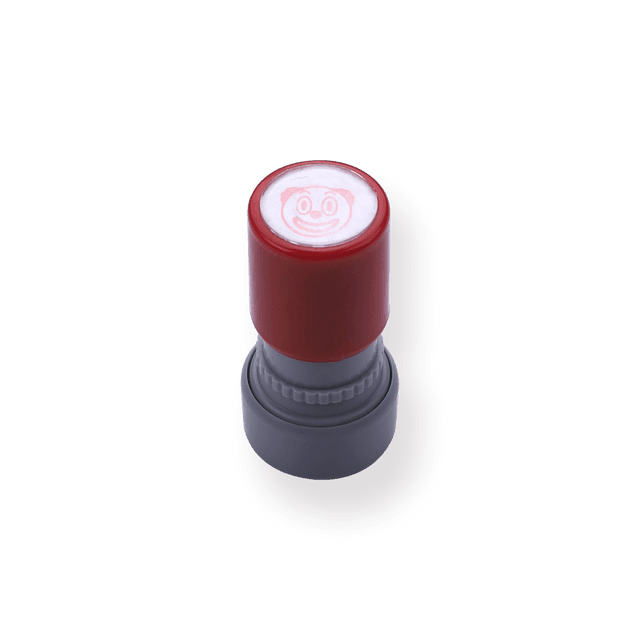 Cute Bald Clown Pattern Stamp - RedStationery Pal · $1.12
Saving money: when discounts happen and what they cover
Stationery pricing follows predictable seasonal patterns, and knowing these windows saves 20-40 percent on bulk purchases. Back-to-school season (late July through August in Northern Hemisphere, January-February in Southern Hemisphere) offers the deepest discounts on notebooks, pencils and organisers; Stationery Pal and retailers typically discount 25-35 percent during this window. Post-holiday clearance (January and September) clears seasonal stock at 30-50 percent off. New Year and back-to-work periods (early January) drive mid-tier discounts of 15-25 percent. These discounts apply broadly across core categories like notebooks and pen sets, but specialty items and new releases rarely participate. Coupon codes realistically cover 10-15 percent on regular-price items when stacked with sales, though promotional codes sometimes go deeper during major clearance events. Loyalty programs at major retailers add 5-10 percent over time through points or member pricing. Bulk purchasing (25+ units) typically reduces per-unit cost by 10-20 percent. For individual shoppers, the realistic expectation is saving $1-3 per item during seasonal sales, and $5-10 on full stationery kits. Subscribe to retailer newsletters if you buy regularly; early sale notices give first access to discount codes before expiration. Avoid impulse buying at regular prices; patience through one discount window saves more than multiple full-price purchases.
Common mistakes when comparing stationery options
Buyers often make costly errors by focusing on the wrong comparison points. First, price per unit without considering use-case context: a $10 fountain pen looks expensive next to a $1 ballpoint until you calculate cost-per-use over a year of daily writing, where the fountain pen becomes cheaper. Second, assuming brand reputation equals quality at budget tiers; many affordable retailers including Stationery Pal maintain consistent quality standards, making lesser-known brands competitive. Third, comparing paper weight without considering finish; 80gsm matte paper often feels nicer than 100gsm glossy, so weight alone misleads. Fourth, overlooking ink compatibility; not all pens write equally on all papers, and testing before bulk purchase prevents disappointment. Fifth, judging notebook quality by cover materials alone; a thin cardboard cover with proper paper inside outperforms a leather-look cover with show-through pages. Sixth, fixating on product count in sets while ignoring actual utility; a 50-item set with duplicate colours wastes money compared to a 12-item curated set. Seventh, buying based on aesthetics without checking performance specs; a beautiful pen that skips or a gorgeous notebook with unsuitable paper disappoints quickly. Avoid comparing online photos directly; paper colours shift under different lighting, and actual texture cannot be assessed digitally. The largest mistake is not checking reviews specifically mentioning durability and daily-use performance rather than just appearance.
Mistakes to avoid when shopping for stationery
Smart stationery shopping requires avoiding predictable pitfalls that waste both money and desk space. First, overbuying on aesthetics: the cute pastel planner loses appeal when you realise the layout doesn't match your planning style. Buy core functional items first, then add design elements that complement them. Second, purchasing full stationery sets without evaluating individual items; premade kits often include pen colours you'll never use. Mix and match from retailers like Stationery Pal instead, where you can select specific products. Third, neglecting to test pen compatibility with your paper; some gel pens feather badly on absorbent paper while others bleed through thin notebooks. Fourth, assuming more is better when buying bulk; storage becomes a problem, and items expire or get lost before use. Buy enough for three months and reorder as needed. Fifth, ignoring environmental impact as a cost factor; low-quality stationery becomes garbage quickly, while durable items reduce replacement frequency and total cost. Sixth, shopping impulsively during sale season without a list; you'll accumulate items that don't coordinate or serve real needs. Plan purchases around known use cases: work tasks, study sessions, creative projects. Seventh, choosing only by price without considering performance impact on work quality; a pen that flows smoothly reduces writing fatigue and improves note clarity on the same or lower budget. Eighth, storing stationery in damp or hot areas; pens dry out, ink fades and paper warps before items get used. Keep supplies in cool, dry spaces to extend usable life and maximise value from purchases.
Our top picks

Stationery Pal40% off
Offers gel pens, highlighters and pencils from $1-$20 with consistent quality across price tiers, perfect for budget buyers stocking supplies regularly or in bulk.
Shop Stationery Pal →15 Stationery Pal coupons →
Fallindesign10% off
Supplies aesthetic-focused stationery including planners, notebooks and stickers with Korean design appeal for buyers prioritising visual coordination.
Shop Fallindesign →17 Fallindesign coupons →
Label Land40% off
Specialises in quality labels for organisation and personalisation at $14-$240 range, ideal for parents and professionals marking belongings.
Shop Label Land →15 Label Land coupons →
Vivoprint50% off
Provides customisable everyday items including notebooks and water bottles without luxury pricing for buyers wanting personalised stationery.
Shop Vivoprint →20 Vivoprint coupons →Frequently asked questions
Is expensive stationery actually better quality?
Not always. Budget retailers like Stationery Pal deliver consistent quality at lower prices by reducing packaging and marketing costs. Focus on paper weight, ink type and binding rather than brand name. A $3 quality notebook often outperforms a $15 branded one with thin paper.
When should I buy stationery to save money?
Back-to-school season (July-August, January-February depending on region) offers 25-35 percent discounts. Post-holiday clearance (September, January) runs 30-50 percent off. Subscribe to retailer newsletters for early access to promotional codes before expiration.
How do I know if a budget notebook is actually good?
Check paper weight (aim for 80gsm minimum), test ink show-through with a pen sample, verify binding type (perfect-bound or spiral beats stapled), and read reviews mentioning durability. Avoid choosing by cover aesthetics alone; paper quality determines actual usability.
- https://bbag.in/blogs/stationery/back-to-school-essentials-2026-stylish-stationery-school-supplies-guide
- https://beautiful-inspiring-creative-life.com/10-best-online-stationery-stores-for-cheap-cute-stationery/
- https://thegoodstore.in/blogs/blogs/back-to-school-stationery-kit-for-2026-what-s-worth-buying
- https://www.stationerynews.net/14-stationery-trends-to-watch-in-2026/
- https://katieleamon.com/blogs/news/the-stationery-trends-shaping-2026-and-what-they-say-about-us
- https://nejoomstationery.com/blogs/art-and-craft/the-ultimate-stationery-buying-checklist-10-key-considerations