
Why comfort matters more in 2026
Ergonomic pen design has exploded in the past two years. Industry research shows that nearly 47% of writing instruments launched between 2023 and 2025 included ergonomic redesigns, and brands are investing heavily in cushioned grips and low-pressure ink systems. The shift reflects a real market demand: professionals who write for hours daily are willing to pay more for tools that reduce hand strain. Experts now regularly cite hand comfort as a top-three factor in pen selection, alongside ink quality and line smoothness. If you've noticed your hands hurting after note-taking or journaling sessions, you're not alone—and the good news is that understanding what makes a pen comfortable can cut fatigue dramatically. Most casual buyers still skip this entirely, which is why switching to a genuinely ergonomic option often feels like a revelation.
Key specs that actually drive comfort
Grip diameter (barrel width) is the single biggest comfort variable. Pens range from thin 8–10 mm barrels, which suit quick, detailed writing but can cause fatigue if you grip tightly, to chunky 12–14 mm sizes that force your hand into a looser, more natural position. Medium 11–13 mm diameters work for most people using a standard tripod grip. Beyond width, cushioned grip material matters: soft silicone or foam absorbs pressure and prevents your fingers from going numb after long sessions. Hard plastic grips require you to squeeze harder to maintain control. Pen weight also influences comfort—too light and you apply excess pressure; too heavy and your wrist tires. Most comfortable pens weigh between 8–12 grams. Ink flow is often overlooked: slower ink (like gel) can reduce writing pressure compared to ballpoint, which some writers find less fatiguing. The grip texture itself—smooth, textured, or ridged—affects how securely you can hold the pen without pressing hard, especially if your hands sweat during long writing sessions.
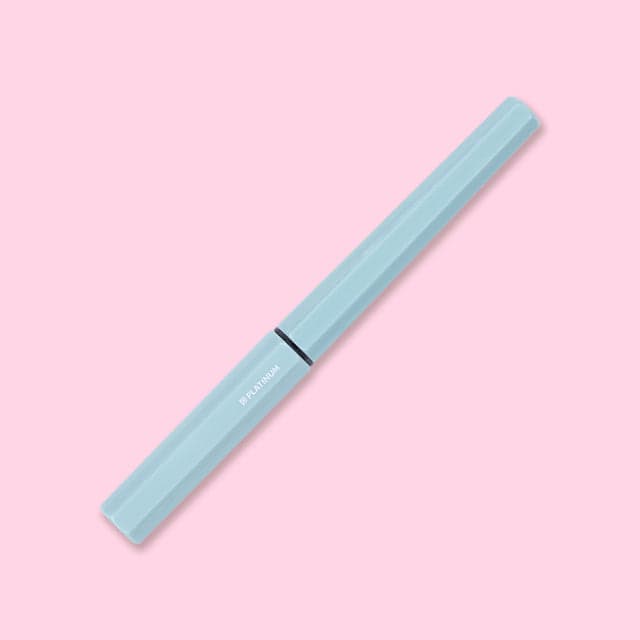 Platinum Little Shooting Star Fountain Pen - Fine Nib - Soda BlueStationery Pal · $5.87
 THE DESERT ODYSSEY - TITANIUM - BASTION® BOLT ACTION PEN (PRE-ORDER)Bastionboltactionpen · $98.00
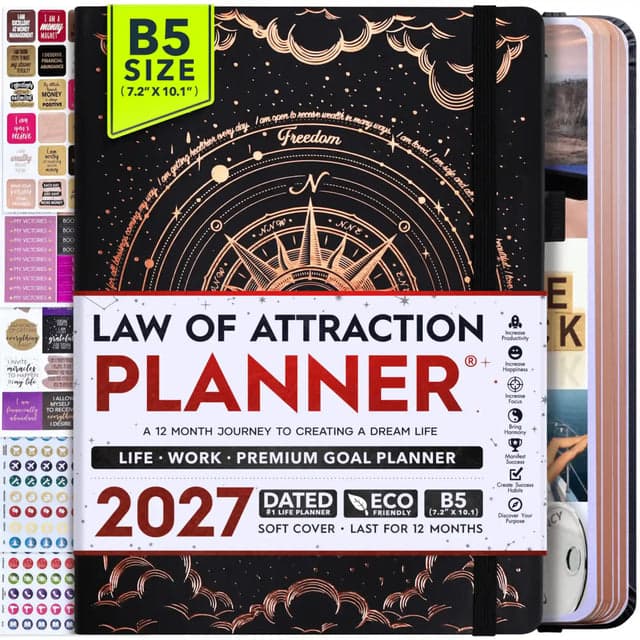 Jan - Dec 2027 Dated Deluxe LOA 12 Month Planner (B5 size: 7.5 x 10 inches) Black Covers Red Inner PagesFreedom Mastery · $45.95
What you can skip (and what you cannot)
Skip premium fountain pens unless you specifically want that writing experience; comfort and ink quality have improved so much in ballpoint and gel pens that price no longer tracks with ergonomic design. A three-dollar gel pen with a cushioned grip often feels better than a fifteen-dollar plastic ballpoint. You can also skip specialty grip shapes—triangular, hourglass, or contoured barrels are marketed heavily but work only if they happen to match your hand size and grip style. Many people get excellent results from simple cylindrical grips that happen to be the right width. Do not skip pen weight testing if you write daily; unbalanced weight is a hidden fatigue source that reviewers rarely mention but users feel immediately. Avoid very thin barrels (under 9 mm) for long sessions, and be cautious of pens that advertise "extra-smooth" ink without mentioning grip comfort—smooth writing doesn't compensate for a sore hand. Grip material is non-negotiable for extended use; hard plastic grips on otherwise excellent pens are a false economy.
Who should choose which type
Heavy pressure writers (who press hard without realizing it) need thicker, cushioned grips that absorb force; Stationery Pal offers mechanical pencils and gel pens in its range, including options with softer grips. Light-pressure writers can use thinner barrels and do well with harder materials because they're not gripping for stability. Students and professionals writing continuously prefer ballpoint or gel pens over fountain pens due to speed and lower maintenance. Artists and drafters often want finer points and lighter pens for control. If you have hand pain, arthritis, or a history of repetitive strain, look specifically for pens certified or endorsed by ergonomic organizations; Pilot Dr. Grip, mentioned by the Arthritis Foundation, is a recognized benchmark. Bastionboltactionpen sells EDC pens and bolt-action designs, which appeal to minimalists who want quality EDC tools rather than bulk stationery. Page Anchor markets premium personal items, though its specific pen and pencil offerings are limited. Casual writers who use pens only a few times weekly can afford to prioritize appearance over ergonomics and do fine with any mid-range option.
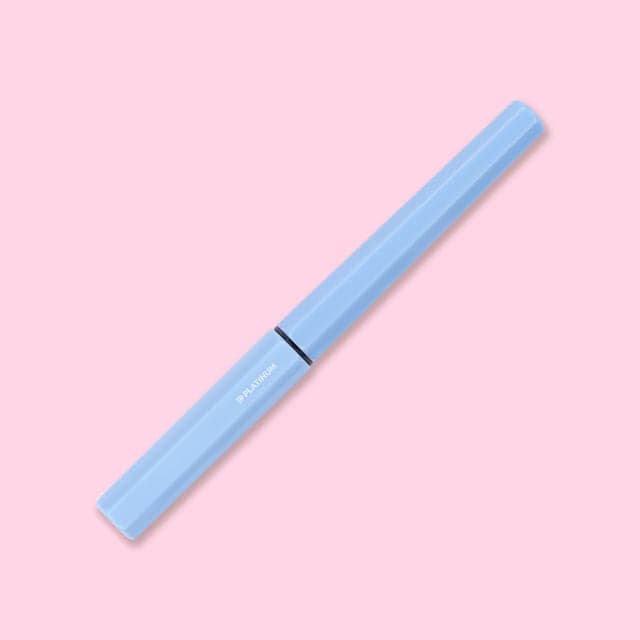 Platinum Little Shooting Star Fountain Pen - Fine Nib - Lake BlueStationery Pal · $5.87
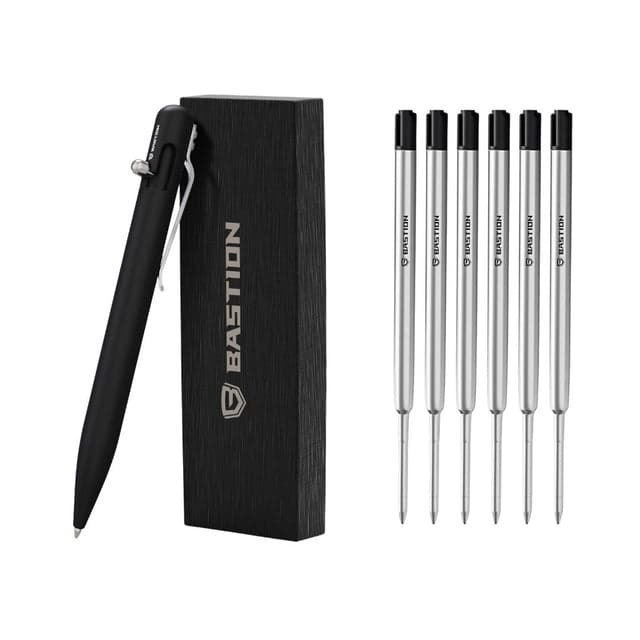 JET BLACK ALUMINUM SETBastionboltactionpen · $44.70
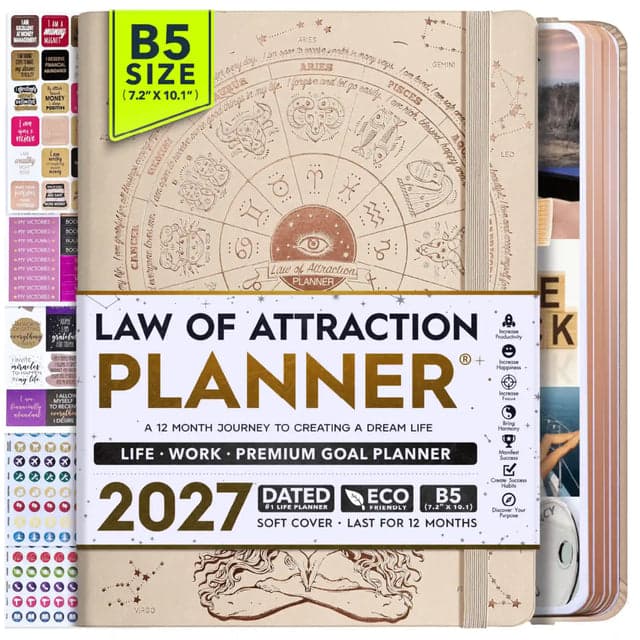 Jan - Dec 2027 Dated Deluxe LOA 12 Month Planner (B5 size: 7.5 x 10 inches) Vanilla CoversFreedom Mastery · $45.95
How to spot quality when comfort is the goal
Quality ergonomic pens share several markers that separate them from cheap alternatives. The grip material should feel uniform and consistent across the barrel with no flaking, peeling, or hard spots where foam or silicone has degraded. Run your thumb along the grip; rough patches or glue lines indicate poor assembly. Check the barrel wall thickness—thin plastic feels hollow and flexes under pressure, while quality pens have rigid barrels that don't compress when you hold them. Ink consistency matters: good pens write smoothly at any angle and speed without skipping or flooding the paper; test on a pad if possible. The clip should not be loose or rattle. Weight distribution, when you pick up the pen, should feel balanced between barrel and point—if it feels top-heavy or tail-heavy, the ergonomic design is compromised. Smooth ballpoint or gel pens with quick-drying formulas reduce the need to press hard, which is a hidden quality marker many buyers miss. Bastionboltactionpen's pens are targeted at EDC (everyday carry) users and emphasize durability and reliability over budget pricing. Stationery Pal's gel pens range from one to twenty dollars, reflecting a wide quality spread; higher-priced options in that range typically offer better grip materials and ink performance.
Sizing and fit: getting it right on first try
Start by measuring your hand. Grip diameter should match the distance from your thumb to first two fingers when loosely curved—generally 11–13 mm for average adult hands. If you have small hands, 9–10 mm barrels feel better. Large hands typically need 13–14 mm or even jumbo grips (15+ mm). Test by holding the pen naturally; your thumb and index finger should barely touch or overlap slightly without pressure. If you have to squeeze to reach around, the barrel is too thick. Pen length is secondary but matters for desk versus pocket use; longer pens (7+ inches) feel more balanced for extended writing, while shorter ones (5–6 inches) suit travel. Weight should feel light on your hand; pick up the pen and let it rest on your middle finger and thumb—it should feel secure without pressure. Ink point size is personal: 0.7 mm and 0.8 mm are standard and work for most writing. Finer points (0.5 mm) suit detailed work but require more careful handwriting; bolder points (1 mm+) suit rapid notes and signatures. If you write fast, medium points prevent smudging. If you write slowly or carefully, fine points give precision. Stationery Pal's mechanical pencils and gel pens come in multiple configurations; consider starting with a sampler or multi-pack if unsure about your preference.
 Cute Bald Clown Pattern Stamp - RedStationery Pal · $1.12
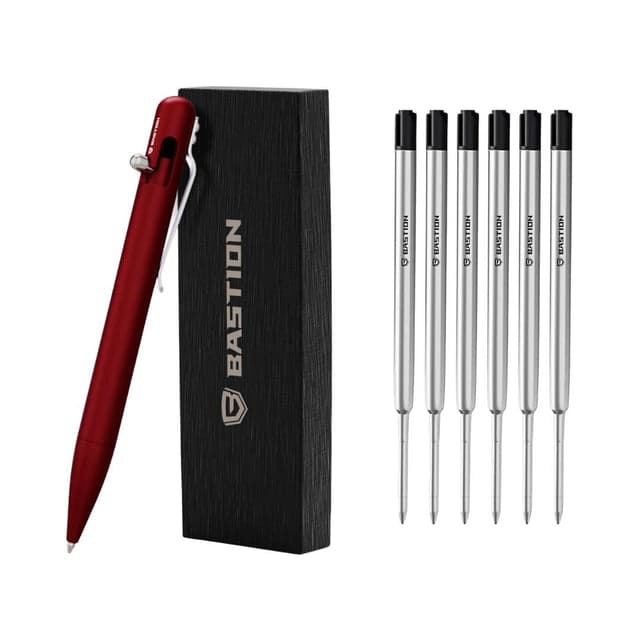 REGAL RED ALUMINUM SETBastionboltactionpen · $44.70
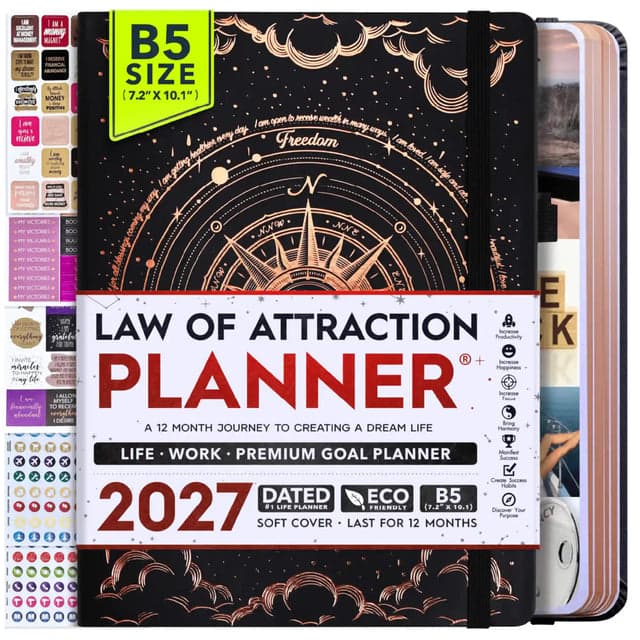 Jan - Dec 2027 Dated Monday Start Deluxe LOA 12 Month Planner (B5 size: 7.5 x 10 inches) Black Covers *Outside of USA Only*Freedom Mastery · $45.95
When discounts actually make sense
Pen prices fluctuate seasonally, and most discounts target bulk buyers—office supply stores often cut twenty to forty percent off multi-packs (10, 24, or 60 pens) during back-to-school periods in late summer and early winter. Single pens rarely discount more than ten to fifteen percent unless clearancing old colors or discontinued models. Subscription discounts exist for workplace supplies but usually require recurring orders, not one-time purchases. Coupon codes rarely apply to pen purchases across major retailers; they're usually reserved for high-value items like tablets or office furniture. If you find a pen you like, buying a multi-pack is almost always cheaper per-pen than individual purchases, even without a coupon. Online retailers sometimes offer free shipping thresholds that make buying two or three pens at once slightly cheaper than one. Stationery Pal offers stationery sets and multi-packs at USD 1–20 price points, making volume purchasing accessible without waiting for sales. Do not expect discounts on premium ergonomic pens like Pilot Dr. Grip or certified options; these hold value and rarely drop price. Generic stationery discounts apply more to bulk than to comfort-focused selection.
Common mistakes when comparing options
The biggest mistake is trusting reviews from people with different hand sizes. A pen that one reviewer calls perfectly comfortable may be too thin or thick for your grip, making online star ratings misleading. Similarly, reviewers often ignore grip comfort entirely and focus only on ink quality, giving high marks to pens that write beautifully but tire your hand after ten minutes. Many buyers confuse premium pricing with comfort; a thirty-dollar fountain pen doesn't automatically feel better than a five-dollar gel pen with cushioned grip. Comparing specs in writing (diameter, weight) without holding the actual pen leaves you guessing. Stores rarely display pens for handling, so online buyers miss crucial information about grip texture and barrel stiffness. Another error is assuming that brand prestige equals ergonomics; famous luxury pen brands optimize for appearance and ink quality, not necessarily hand comfort. Some buyers select pens based on color or aesthetics and then discover the grip hurts after daily use—comfort should inform the choice before style does. Bastionboltactionpen pens appeal to EDC and gift buyers but are premium-priced; comparing one directly to budget stationery options by price alone misses the point that EDC tools target durability and design, not necessarily comfort. Do not assume a thick barrel is automatically more comfortable; it depends on your hand size and natural grip, and some people find 11–12 mm more ergonomic than 14+ mm.
How to avoid wasted purchases
Start with a single pen in your preferred category (ballpoint, gel, or mechanical pencil) rather than committing to a multi-pack of an unknown brand. Most comfort preferences become obvious within a week of daily use. If a pen hurts your hand, stop using it immediately instead of hoping to adapt; ergonomic mismatch does not improve with time and often worsens into repetitive strain. Buy from retailers with good return policies so you can test multiple options at once without financial risk. Request sample sizes or single pens from stationery brands before ordering a dozen. Track which pens you actually use and which sit untouched; that pattern reveals your true comfort preference far better than specs on a website. Avoid social media unboxing videos that showcase aesthetics; they rarely address comfort or hand position during real use. Keep notes on what works—hand size, grip diameter, ink type, weight—so you can reference it when trying new pens. Stationery Pal offers erasers and correction tools alongside pens, making it easy to test one pen at a time without committing to bulk. Do not assume that a pen that works for someone else will work for you; comfort is highly individual. If a pen passes the first-week test, it's safe to buy a multi-pack for better price per unit.
Our top picks

Stationery Pal40% off
Offers gel pens and mechanical pencils at USD 1–20, allowing affordable testing of different grip sizes and materials before committing to bulk purchases.
Shop Stationery Pal →15 Stationery Pal coupons →
Bastionboltactionpen40% off
Specializes in EDC pens and bolt-action designs at USD 4–247, suited for writers seeking durable, premium everyday carry tools with meticulous engineering.
Shop Bastionboltactionpen →15 Bastionboltactionpen coupons →
Freedom Mastery40% off
Sells multiple writing variants in the USD 18–50 range, appealing to buyers ready to invest in higher-end comfort-focused writing instruments.
Shop Freedom Mastery →20 Freedom Mastery coupons →Frequently asked questions
Does pen grip material really affect comfort?
Yes. Soft silicone and foam grips absorb pressure and reduce fatigue during long writing sessions, while hard plastic requires you to squeeze harder for control. Material is one of the most immediate comfort differences you'll feel when switching pens.
What barrel diameter should I choose?
Most adults do well with 11–13 mm diameters using a standard tripod grip. Small hands suit 9–10 mm; large hands often prefer 13–14 mm or larger. Test by holding the pen naturally; your thumb and fingers should barely touch without pressure.
Are expensive pens always more comfortable?
No. A five-dollar gel pen with a cushioned grip often feels better than a fifteen-dollar plastic ballpoint. Comfort depends on grip material, barrel diameter, and weight balance, not price. Compare actual grip feel rather than assuming premium brands are more ergonomic.
- https://www.today.com/shop/best-pens-rcna252614
- https://artsology.com/blog/2025/11/best-ergonomic-pens/
- https://www.jetpens.com/blog/The-Best-Ergonomic-Pens/pt/84
- https://www.levenger.com/blogs/pen-ink-mastery-true-writer-and-beyond/ergonomics-balance-matching-pen-weight-and-diameter-to-your-grip
- https://www.grandviewresearch.com/industry-analysis/writing-instruments-market