
What changed: new side-impact testing arrives in December 2026
The automotive safety world is shifting. In December 2026, new federal regulations take effect that require all new infant car seats to pass side-impact crash tests—a major change from the previous front-impact-only standard. This matters because side-impact crashes cause nearly as many child fatalities as frontal collisions, yet older seats were never tested for this. The new standard (FMVSS 213a) requires seats to pass a 30 mph T-bone crash simulation where the car seat must prevent head contact with vehicle structures and limit chest impact forces. Manufacturers like Maxi-Cosi are already designing seats to meet these stricter criteria. If you're buying now, look for seats marketed as 2026 or newer models to ensure they meet the coming standard. The change also caps infant car seat weight limits at 30 pounds, down from the previous 32 or 35 pounds some models offered. This tighter regulation exists because research shows that heavier, taller children need additional protection that infant-only seats cannot provide.
How to choose: the specs that protect your newborn
Start with your baby's current weight and length. Most infant car seats accommodate children from 4 to 30 pounds and up to 32 inches tall, which covers roughly the first 12 to 15 months. Rear-facing is non-negotiable for newborns—this orientation distributes crash forces across the baby's back, head, and neck rather than concentrating them on the neck alone, which is critical because a newborn's spinal structures are still developing. The carrier itself should be removable so you can transition your baby from car to stroller without unbuckling, which adds real-world convenience. Look for an ISOFIX base or lower-anchor connection system that gives you feedback on correct installation, whether through visual indicators or audible clicks. Check the recline angle: newborns need a slightly reclined position to support proper spine alignment and keep their airways open, and most seats include a built-in angle indicator to verify correct positioning. Premium models from Maxi-Cosi include features like energy-absorbing foam and side-impact protection that go beyond the federal minimum. Removable, machine-washable fabric covers make cleaning easier through the inevitable spits and accidents. An extra-large canopy protects against sun exposure during frequent outings.
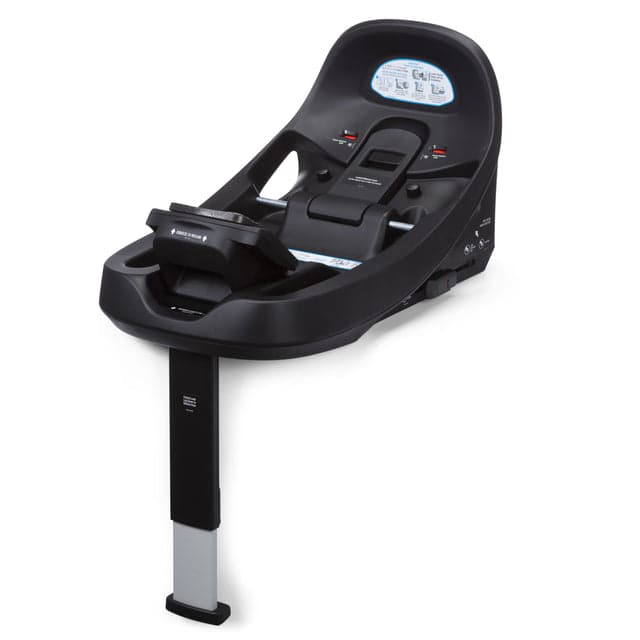 Ambra Infant Car Seat BaseMaxi-Cosi · $179.99
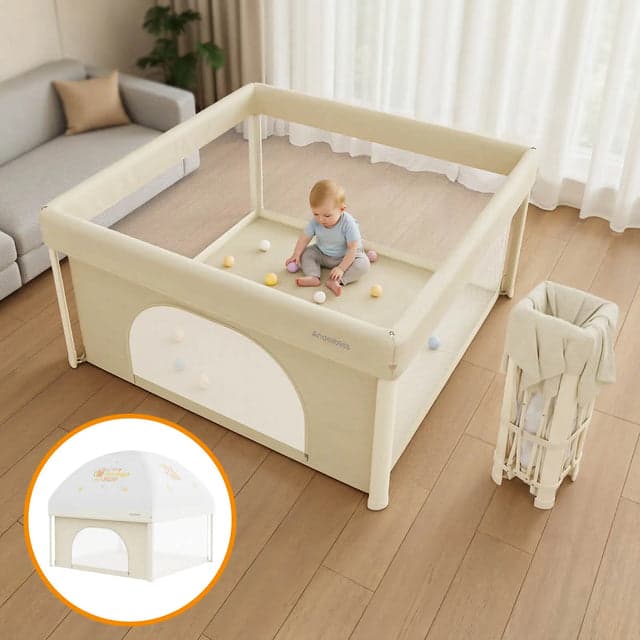 Foldable & Portable Playpen 50*50 in with Canopy and Carry Bag BP05Angelbliss · $159.99
 6th Gen Camaro Carbon Fiber Paddle ShiftersKustom Cover · $159.99
What to skip: trade-offs that don't affect safety
Not every feature matters for protection. Convertible car seats that rear-face for infants and toddlers, then forward-face as children grow, are marketed as "all-in-one" options, but they are heavier and bulkier than dedicated infant seats, which matters if you plan frequent car-to-stroller transfers. Skip the convertible if you'll purchase a larger forward-facing seat later anyway. Electronic heating is a comfort feature, not a safety feature—your budget is better spent on proper installation support. Rotating seats that spin 180 degrees look convenient but add significant cost and weight; studies show no additional safety benefit. The weight of the seat itself matters only if you plan to carry it frequently between vehicles or between car and home. A lightweight seat under 8 pounds is genuinely easier on arms and wrists. A heavier, stationary base is fine if the seat stays in one car. Fancy storage compartments and attached organizers are nice-to-haves that don't improve protection. The most expensive models often add luxury fabrics and finishes rather than safety upgrades. Federal safety standards are uniform across the market, so a $150 seat and a $600 seat protect equally well in a crash if both are installed correctly. Spend the extra money on professional installation verification rather than premium materials.
Who each buyer should look at: matching your needs
If you prioritize lightweight portability and plan frequent transitions between vehicles, Maxi-Cosi models like the Ambra at just 7 pounds offer easy carrying with a one-click LATCH system for fast installation. The Mico Pro line from Maxi-Cosi accommodates the full 4 to 30-pound range with removable fabric and compatibility with many stroller systems, making it a practical choice for daily outings and families who juggle multiple caregivers. First-time parents who worry about installation should seek a seat with a stay-in-car base and clear visual feedback indicators; Maxi-Cosi bases provide tactile confirmation of proper securing. Budget-conscious buyers should know that all seats meeting federal standards provide equal crash protection regardless of price, so entry-level options are not safety compromises—they simply omit luxury finishes. If your vehicle's back seat is tight, measure carefully before purchasing, as some infant seats sit deeper into the seat well than others. Frequent travelers benefit from lighter-weight carriers that don't exhaust you during airport transfers. Urban parents using taxis or rideshares need to understand how to secure the seat using only vehicle seat belts when the base is not available, a feature Maxi-Cosi carriers handle well. Parents of multiples may buy two identical seats to leave one base in each vehicle, spreading the cost over time.
 Justin Timberlake Tiger Hit Clip Mini Music Player & Girlfriend MixMagicCars · $61.23
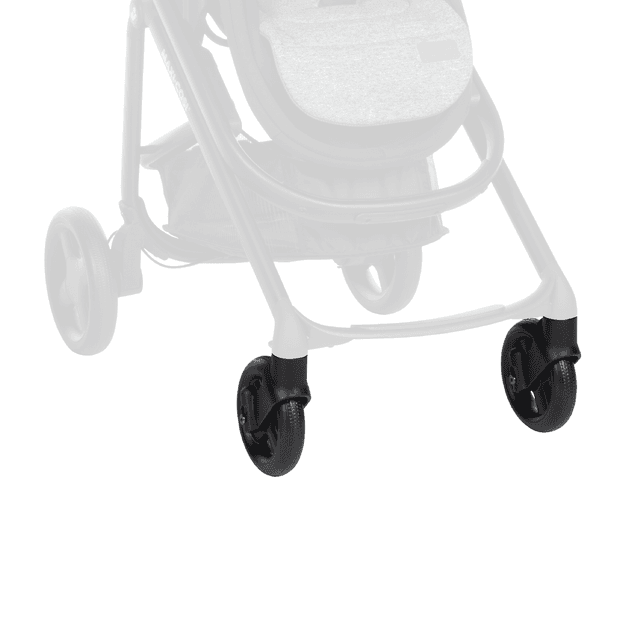 Tayla™ Max Stroller Replacement Front Wheel KitMaxi-Cosi · $29.99
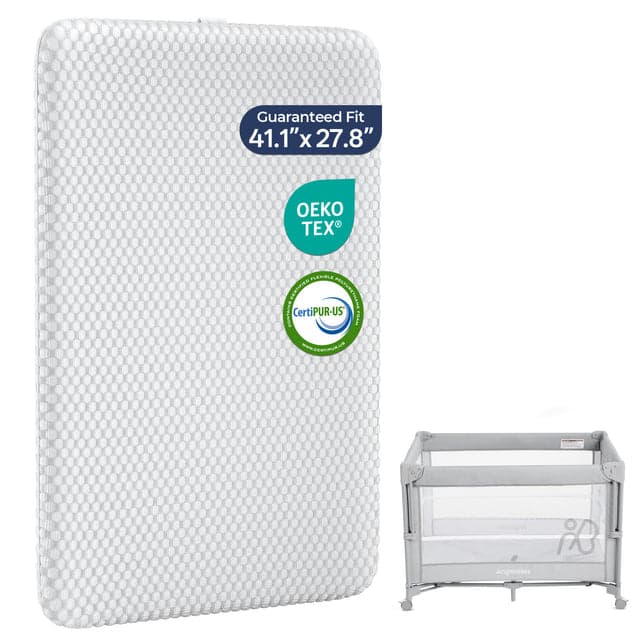 Angelbliss Pack and Play Mattress Replacement for BN11Angelbliss · $59.99
Quality and value: what separates a good buy from a cheap one
All car seats sold in the United States must pass the same federal safety standards, so entry-level and premium seats offer identical crash protection if properly installed. The differences are durability, convenience, and long-term value. A quality seat has firm, energy-absorbing foam that maintains its protective properties through several years of use, while cheaper foam may compress over time. Machine-washable covers that come off easily save you money on dry cleaning or replacement. Quality bases have sturdy lower-anchor connectors that feel solid when you tighten them and show clear installation status through visual or tactile feedback. Premium seats like many Maxi-Cosi options include GREENGUARD Gold Certification, meaning the fabrics and foam off-gas fewer harmful chemicals, which matters for long-term indoor air quality in your vehicle. The stay-in-car base should not shift or rattle in the vehicle seat after proper installation; movement indicates the base is lower quality or you need re-installation. Stitching should be even and secure, and plastic components should feel rigid. A good value seat costs between $150 and $300, includes a base, has removable fabric, and offers compatibility with your stroller system. Spending more than $400 typically buys you luxuries like rotating features or premium materials, not additional safety. The true marker of quality is how the seat performs in real-world use after two years and whether replacement parts are readily available and affordable.
Sizing and fit: getting it right the first time
Before purchasing, check your vehicle's manual for seat belt routing and ISOFIX anchor locations; not all anchor pairs are in the same position across vehicle models. If your car lacks ISOFIX, a lap-and-shoulder seat belt installation is perfectly safe if executed correctly. Measure the depth of your back seat and the width of the space between wheel wells; some infant seats sit further into the seat well than others and won't fit in a compact car's back seat. Ask whether the base sits flush against the back of the vehicle seat or if gaps underneath are expected—gaps are normal, but air pockets where the base rocks are not. Your newborn should fit snugly in the seat with the harness straps at or slightly below their shoulders; if the harness sits above shoulder height, the seat is too large for your baby, and you'll need an infant insert for smaller newborns. Check that the baby's head does not touch the car seat shell on either side; there should be at least one finger's width of space. The recline angle is critical for newborns: the seat should recline so that the baby's chin does not rest on their chest, which can restrict airways. Most seats have a bubble level indicator; follow your vehicle manual to find the correct recline angle for your car's back seat angle. After installing, grab the base at the vehicle's seat bottom and try to rock it side to side and forward and backward. It should not move more than one inch in any direction. If it does, you need to tighten the seat belt or adjust the anchors. Recheck the fit after the first week of use, as vehicle seats can settle, and check again before each long trip.
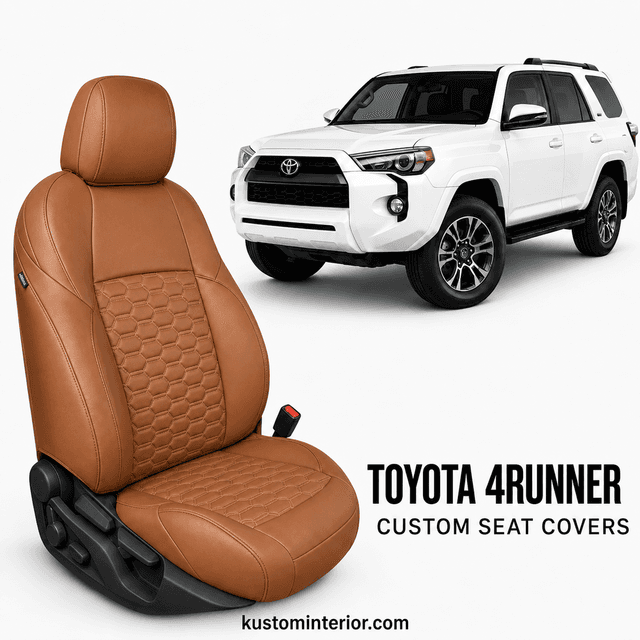 2025+ Toyota 4Runner Leather Seat CoversKustom Cover · $469.99
 Hasbro Tiger Electronics Hit Clips Mini Music System with FM Radio CartridgeMagicCars · $22.73
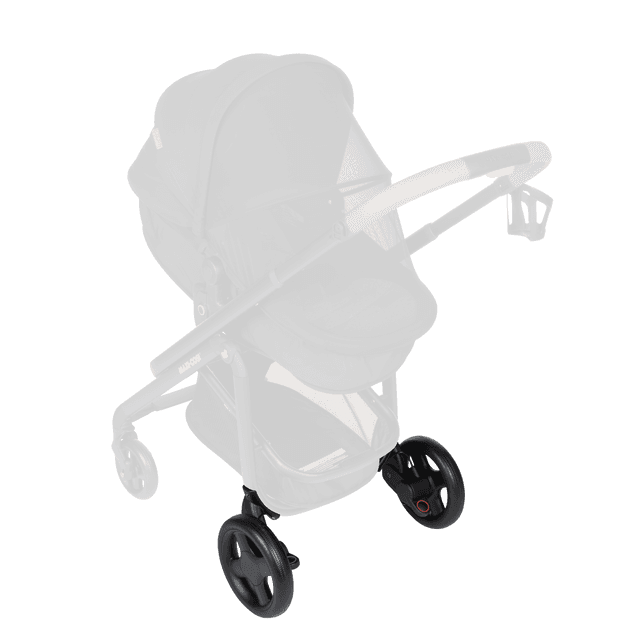 Tayla™ Max Stroller Replacement Rear Wheel KitMaxi-Cosi · $29.99
How to save money: when discounts actually matter
Car seat prices have risen 5 to 10 percent over the past year, and deep discounts have become rare. The best times to shop are around Amazon Prime Day in June or July and Prime Big Deal Days in October, when sales sometimes offer 10 to 20 percent off select models. Target and Walmart run their own seasonal sales around the same windows. Nordstrom's summer Anniversary Sale occasionally features baby gear. Don't wait for a sale if your baby arrives before one; a newborn must leave the hospital in an appropriate car seat, and a full-price purchase for safety is never a bad choice. If you're buying in advance for a due date months away, waiting for the next major retailer event makes sense. Outlet malls and online closeout sites sometimes carry last-year's models at 15 to 30 percent off, which is safe if the seat has not expired and meets current standards—check the manufacturing date on the base. Buying used is risky; you cannot verify that a secondhand seat has never been in a crash, which compromises its protective foam even if there is no visible damage. Only buy used from a trusted family member with full history. Avoid coupon codes marketed aggressively on deal sites; they often overlap with existing retailer discounts and don't provide additional savings. Check the manufacturer's website and major retailers simultaneously to spot temporary price drops. Buying a compatible travel system (infant car seat plus stroller frame) sometimes costs less than purchasing the car seat alone, so compare bundles against separate purchases.
Where shoppers get confused: common comparison mistakes
One major confusion point is mixing up infant car seats with convertible seats. An infant car seat is a dedicated rear-facing carrier for newborns up to 30 pounds. A convertible seat rear-faces and forward-faces over years of use, starting at higher weights. They are not interchangeable; an infant seat will not work for a toddler, and a convertible is overkill if you plan to buy a larger forward-facing seat later. Another trap is assuming that rotating bases or electronic features improve safety—they do not. Federal crash tests are identical regardless of bells and whistles. Shoppers also assume that the most expensive option is the safest, which is false. A $150 seat and a $600 seat provide equal protection if both are properly installed. The real safety variable is installation quality, not price. Many parents overestimate their child's weight or assume they can transition earlier than the seat's limits allow; staying rear-facing as long as possible is safest, and keeping a child in an infant seat until they reach 30 pounds is not unusual. Confusing LATCH (the lower-anchor system) with ISOFIX is common; LATCH is the U.S. term, ISOFIX is the international term for the same anchor system, and both are equivalent. Some parents believe a heavier base is safer, but base weight is unrelated to crash protection; bases are heavy for stability during daily use, not for safety. Reading only reviews from parents and ignoring crash test data leads to poor choices; parent reviews tell you about convenience and comfort, but crash test results from Consumer Reports and government sources tell you about actual protection.
Mistakes shoppers make: how to avoid them
The top mistake is improper installation. Nearly 63 percent of car seat users misuse their seats in some way, with the most common error being an insufficiently tight seat belt. A properly installed seat should not shift more than one inch side to side or front to back when you push hard at the base. To test after installation, grip the car seat at the base and try to rock it. If it moves, tighten your seat belt or lower anchors more. The second most common error is an incorrectly positioned or too-loose harness. After buckling your baby in, try to pinch the harness webbing at your child's shoulder. If you can grab fabric between your fingers, the harness is too loose. Tighten until you cannot pinch any webbing. For rear-facing seats, position the harness at or slightly below shoulder height; for forward-facing seats, at or slightly above. Many parents fail to attach the top tether on forward-facing convertible seats, removing a crucial load-bearing strap that prevents head movement during crashes. Incorrectly angling the seat is another widespread error; newborns in a seat that reclines too upright can slip into chin-to-chest position, which restricts breathing. Use the bubble level indicator on your base and follow your vehicle manual to find the correct angle. A handful of parents neglect to secure the car seat to the base correctly, thinking the carrier clicks in when it has not fully latched. Always hear the audible click and feel the connector lock fully before assuming it is secure. Not performing a professional installation check is a missed opportunity; many fire departments and hospitals offer free or low-cost car seat checks where certified technicians verify your installation. Taking 20 minutes for a check prevents months of unsafe driving. Parents who buy used seats risk unknowing purchase of a seat from a prior crash; foam inside cannot be visually inspected for damage, and crushed foam offers no protection. New seats are the only way to guarantee integrity. Finally, many parents assume rear-facing is only for tiny babies and switch to forward-facing as soon as possible, but children are significantly safer rear-facing; keep your child rear-facing as long as the seat's weight and height limits allow.
Our top picks

Maxi-Cosi65% off
Maxi-Cosi manufactures dedicated infant car seats with removable carriers, stay-in-car bases, and one-click LATCH systems. Models range from lightweight options like the Ambra to feature-rich seats with rotating bases, priced from around $150 to $550.
Shop Maxi-Cosi →32 Maxi-Cosi coupons →
Angelbliss90% off
Angelbliss produces baby bassinets, playmats, and bouncers for newborn comfort during non-driving time. Prices range from $56 to $260, complementing car seat purchases with safe sleep solutions at home.
Shop Angelbliss →15 Angelbliss coupons →
Kustom Cover40% off
Kustom Cover offers car seat covers, seat protectors, and interior automotive accessories. Prices range from $33 to $850, providing protection for vehicle seats beneath infant car seats and long-term interior maintenance.
Shop Kustom Cover →15 Kustom Cover coupons →
MagicCars75% off
MagicCars sells toys and hobby vehicles for children. Prices range from $34 to $595, useful for older siblings' entertainment during family car trips while younger siblings use infant seats.
Shop MagicCars →15 MagicCars coupons →Frequently asked questions
Can I use a used or hand-me-down car seat?
No. Used seats carry unknown crash history; even if they appear undamaged, interior foam may be compromised and offer no protection. The expiration date (typically 5 to 10 years from manufacture) also matters. Buy new for guaranteed safety and full protective capability.
What is the difference between LATCH and ISOFIX?
LATCH is the U.S. term for the lower-anchor system built into most vehicles since 2002. ISOFIX is the international term for the identical system. They are equivalent; use whichever your vehicle and car seat support. Both are safer than seat belt installation when both are available.
How long can my baby stay in an infant car seat?
Until they reach the seat's maximum weight limit (usually 30 pounds) or height limit (usually 32 inches), whichever comes first. Staying rear-facing as long as possible—ideally until age 2 or older—provides the best protection during a crash.
- https://www.consumerreports.org/babies-kids/car-seats/best-infant-car-seats-of-the-year-a7088444370/
- https://www.chiccousa.com/baby-talk/how-to-choose-car-seat-for-newborns/
- https://www.safeintheseat.com/post/how-to-choose-a-car-seat-for-your-newborn
- https://www.macrobaby.com/blogs/newborn-baby-blogs/car-seat-safety-new-national-standards-taking-effect-in-december-2026-and-what-parents-need-to-know
- https://www.consumerreports.org/babies-kids/car-seats/buying-guide/
- https://www.chiccousa.com/baby-talk/when-do-car-seats-go-on-sale/