
What changed this season: safety tech and stricter standards
The car seat market in 2026 reflects growing focus on side-impact protection and advanced safety technologies. Manufacturers are increasingly submitting seats to independent testing by the Insurance Institute for Highway Safety, beyond the baseline FMVSS 213 standard required by the U.S. government. Features like load legs, anti-rebound panels, rigid LATCH systems, and energy-absorbing materials such as EPP foam have become more common across the market. Families now have more transparency: resources like Consumer Reports publish lab-tested reviews of current models, and the American Academy of Pediatrics maintains an updated product listing. Prices have risen 5-10% over the past year, making it more important to understand what features actually matter for your child rather than choosing based on brand name alone. The takeaway for shoppers is clear: safety standards apply equally to all seats, but materials and design choices vary significantly.
How to choose: weight, height, and seat type matter most
Your child's weight and height determine which seat is safe and appropriate—age is less relevant than size. Infants from birth to roughly 22-35 pounds use rear-facing-only infant seats, which feature a carrier base that remains installed while the seat snaps in and out for portability. Convertible car seats like those from Maxi-Cosi handle both rear-facing (up to 40-50 pounds) and forward-facing modes, making them versatile as your child grows. Forward-facing harness seats work for children outgrowing the rear-facing limit up to around 40-65 pounds. Booster seats position the vehicle's adult seat belt correctly across the child's lap and shoulder—essential because adult belts don't fit children properly until they are about 4 feet 9 inches tall. The safest approach: keep your child in the most protective restraint available for their size as long as possible, which typically means rear-facing until age 4 and booster use until age 10-12.
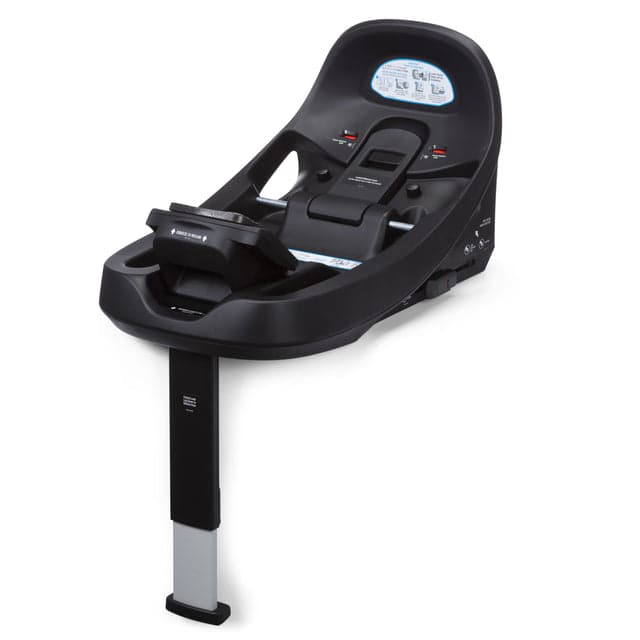 Ambra Infant Car Seat BaseMaxi-Cosi · $179.99
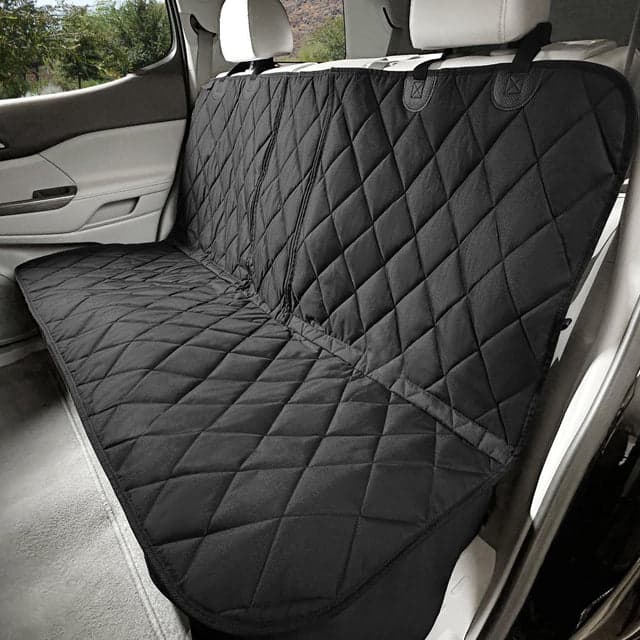 Rear Seat Cover for Fold Down Seats - No Hammock - Small4Knines · $89.99
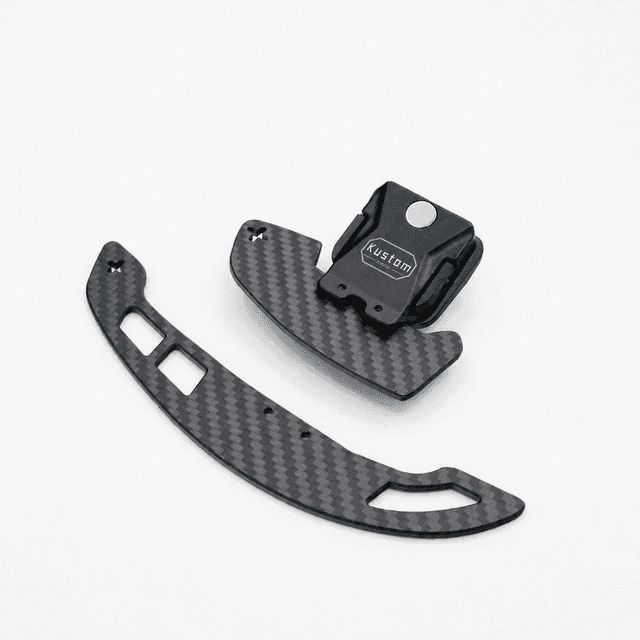 6th Gen Camaro Carbon Fiber Paddle ShiftersKustom Cover · $159.99
Trade-offs to understand: safety versus ease of use
Every design choice involves a trade-off. Infant car seats offer portability and easy transfer between vehicles, but serve only one stage. Convertible seats require less purchasing but take up more vehicle space, demand careful reading of both rear- and forward-facing limits, and can be heavier to install correctly. All-in-one or multimode seats (covering rear-facing, forward-facing, and booster stages) reduce buying costs across three stages but are bulkier, harder to fit multiple children in one vehicle, and may compromise slightly on specialization. Booster-only seats are lightweight and affordable but offer the least protection—reserve them for older children who have genuinely outgrown a harness seat. Features like rebound bars and load legs increase safety but add weight and complexity to installation. Lightweight, simple designs are easier to move between vehicles but may lack advanced protection features. Choose based on your family's real needs: if you change vehicles frequently, lighter is valuable; if one car is permanent, installation complexity matters less than protection.
Who each kind of buyer should look at
Parents buying their first car seat and prioritizing ease of use, including moving between vehicles or onto a stroller frame, tend to start with infant car seats. Maxi-Cosi manufactures several infant seats and travel systems across multiple price points, from basic models to feature-rich versions. Families wanting a single versatile seat across multiple stages typically choose convertible or all-in-one models; these reduce total purchasing but require more careful weight/height attention. Budget shoppers benefit from convertible seats, which cover rear-facing and forward-facing in one purchase. Families with multiple children may prefer separate infant and forward-facing seats to accommodate different ages simultaneously. Tech-savvy parents interested in smart safety alerts can find seats with built-in sensors that signal improper installation or unsafe conditions. Parents with smaller vehicles or frequent car changes need lightweight, compact models. Those planning multiple children benefit from durable, adjustable models with long rear-facing weight limits.
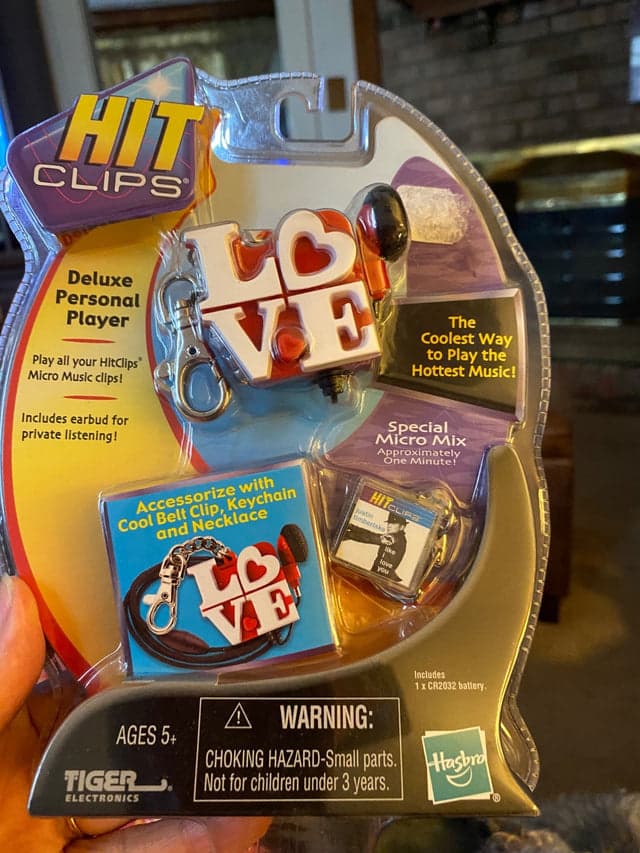 Justin Timberlake Tiger Hit Clip Mini Music Player & Girlfriend MixMagicCars · $61.23
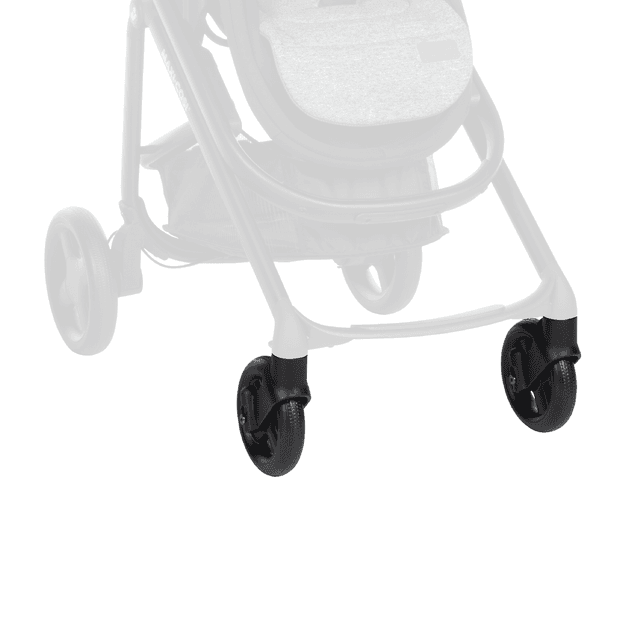 Tayla™ Max Stroller Replacement Front Wheel KitMaxi-Cosi · $29.99
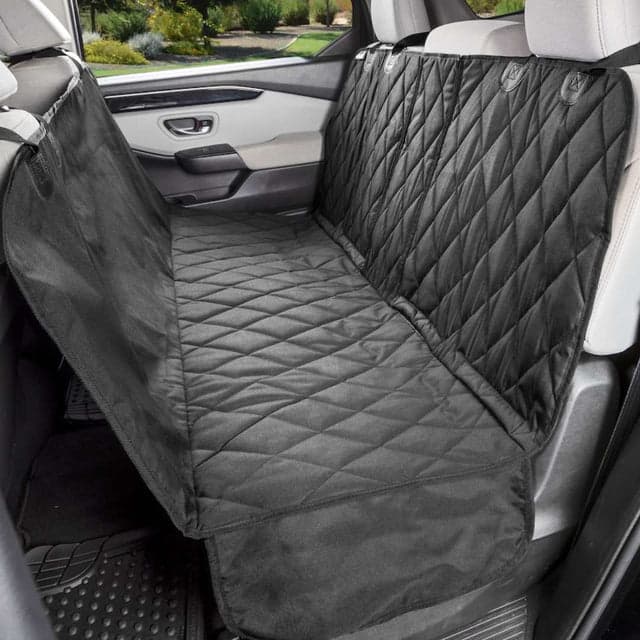 Rear Seat Cover for Fold Down Seats with Hammock - Small4Knines · $89.99
Quality and value: what separates good from budget choices
All car seats sold in the U.S. meet the mandatory FMVSS 213 safety standard, so the cheapest seat is not necessarily unsafe. The differences emerge in materials, design durability, and features. Premium seats often use additional foam, more sophisticated harness systems, load legs for extra stability, and fabrics easier to clean and replace. They may include tool-free installation guides, better padding, and bases that last through multiple children. Mid-range seats balance safety, durability, and cost; most of Maxi-Cosi's offerings fall here, offering good materials and ease-of-use features without luxury pricing. Budget seats meet safety requirements but may use simpler fabrics, lighter padding, and fewer adjustment features. Where you genuinely save money is in avoiding gimmicks: LED indicators, nightlights, and electronic sensors do not improve crash protection. Avoid secondhand or recalls-history seats; they may have internal damage from prior crashes. Independent lab testing (Consumer Reports, Insurance Institute for Highway Safety) reveals actual crash performance differences; prioritize that data over marketing claims.
Sizing and fit: get your child's measurements right
Before buying, measure your child's height and weight, then cross-reference with the specific seat's limits—manufacturers vary significantly. Check both the rear-facing and forward-facing limits if converting a convertible seat. The seat should not move more than 1 inch side-to-side or front-to-back when installed; use the LATCH (Lower Anchors and Tethers for Children) system or the vehicle's seat belt, never both simultaneously. For rear-facing, harness straps should sit at or below the child's shoulder; for forward-facing, at or above. The chest clip belongs at armpit level, not over the stomach. The lap belt should cross the thighs, not the stomach; the shoulder belt should cross the shoulder and chest, not the neck or face. Test strap tightness by pinching the strap at the child's shoulder—there should be no slack. Before purchase, confirm your vehicle has compatible anchor points for the LATCH system or an appropriate seat belt path. Some older vehicles or truck cabs have limited space; measure your backseat width and headroom against the seat's dimensions. Maxi-Cosi provides detailed installation guides; many pediatricians' offices and police departments offer free installation checks if you are uncertain.
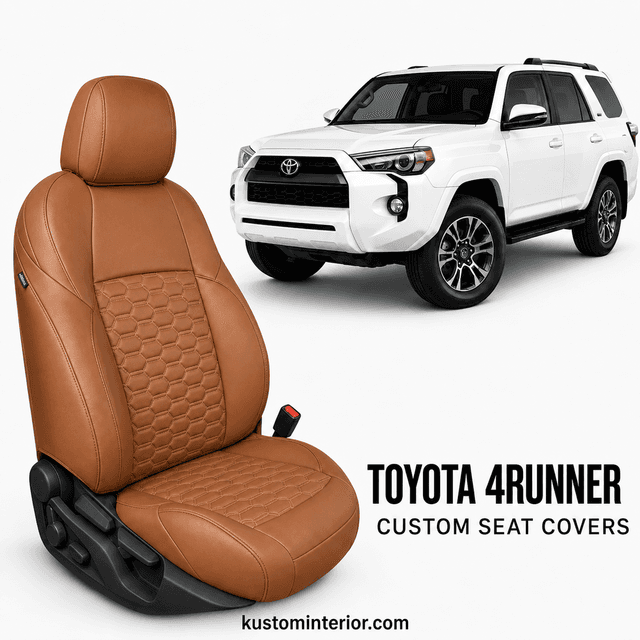 2025+ Toyota 4Runner Leather Seat CoversKustom Cover · $469.99
 Hasbro Tiger Electronics Hit Clips Mini Music System with FM Radio CartridgeMagicCars · $22.73
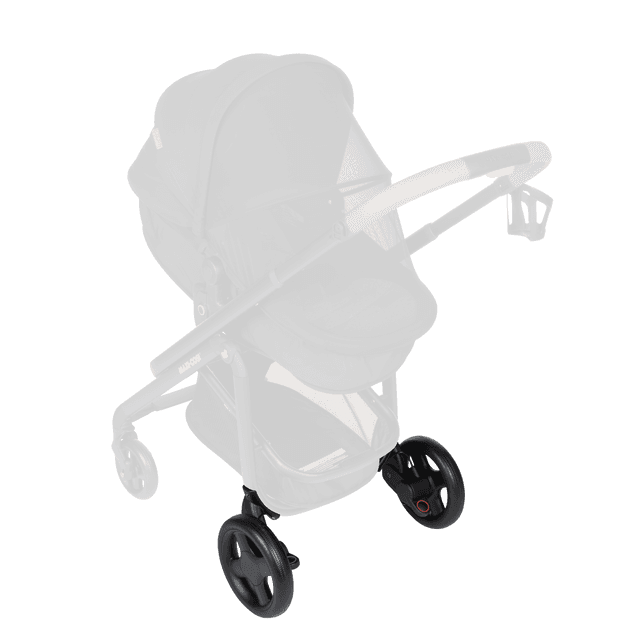 Tayla™ Max Stroller Replacement Rear Wheel KitMaxi-Cosi · $29.99
How to save money: timing and discount stacking
Target hosts car seat trade-in events twice yearly, typically in April and September. The fall 2026 event runs September 20–October 3; you can trade in an old or unwanted car seat and receive a 20% off Target Circle Bonus to use through October 17. Other retailers like Amazon, Walmart, and Nordstrom run periodic sales; Nordstrom's Anniversary Sale in summer often includes baby gear. Prices have risen 5-10% in the past year, and deep discounts are rare, so timing your purchase around these annual events is more valuable than waiting for random markdowns. You can stack Target trade-in bonuses with Target Circle Card discounts and existing baby registry coupons for modest additional savings. Avoid paying for features you do not need—many parents overspend on add-ons like travel accessories, covers, or mirrors when the core seat serves the purpose. Replacement bases can be cheaper than buying a new seat if you need a second vehicle; check if your model supports this. Avoid buying secondhand unless you know the seat's full history and are certain it has never been in a crash, which can compromise internal structure invisibly.
Where shoppers go wrong comparing options
The most costly mistake is choosing by brand or review scores without checking weight and height limits against your specific child. A highly-rated seat that is too small for your child is wrong for you, yet many parents buy without this check. Another common error: prioritizing age labels over size. Car seat stages are labeled by age (infant, toddler, booster) but only size matters for safety. Switching forward-facing too early is dangerous; if your child fits within the rear-facing limits, they are still safest facing back regardless of age. Comparing prices without checking sale timing wastes money; buying in September or April around trade-in events saves 20% versus buying mid-year. Parents often buy multiple seats (infant + convertible + booster) instead of choosing one versatile convertible that covers multiple stages, which increases cost without safety benefit. Installation mistakes multiply these problems: using both LATCH and seat belt together, forgetting the top tether, positioning the harness straps wrong, or not tightening enough all compromise safety. Comparing online reviews without checking the child's age and weight makes recommendations irrelevant to your situation.
Mistakes shoppers make and how to avoid them
The number-one installation error is failing to achieve tightness; a car seat that moves more than 1 inch in any direction is not secure and offers less protection in a crash. Always use the tether strap (top tether) when forward-facing; it reduces the seat's forward movement significantly. Never use LATCH anchors and a seat belt simultaneously—choose one method and use it correctly. Do not position the child in the seat with bulky winter coats or snowsuits on; the harness will not cinch properly without skin-to-harness contact, creating slack. Remove the coat and store it loose in the vehicle so the child is warm but not padded under the straps. Leaving the harness slack or the chest clip too low are subtle but serious errors; the harness should not allow any give when you pinch it at the shoulder. Place the chest clip at armpit level, not on the stomach, for proper crash protection across the ribcage and shoulders. If your vehicle design makes proper installation difficult (unusual headrests, angled seat backs, or limited legroom), seek help from a certified car seat technician; installation errors are not worth the time saved. Finally, do not switch seats prematurely: keep children rear-facing as long as the seat allows (typically to 40-50 pounds or age 4), not when they turn 12 months or sit forward-facing in a vehicle seat belt. The investment in a second vehicle base for frequent multi-vehicle use is cheaper than a preventable injury.
Our top picks

Maxi-Cosi65% off
Offers infant car seats, convertible seats, and travel system packages across multiple price points, with models spanning rear-facing and forward-facing stages for growing children.
Shop Maxi-Cosi →32 Maxi-Cosi coupons →
4Knines50% off
Specializes in vehicle protection products including rear car seat covers for dogs and cargo liners, useful for families with pets traveling in the car.
Shop 4Knines →25 4Knines coupons →
Kustom Cover40% off
Provides interior vehicle accessories including seat covers, steering wheel covers, and floor mats for protecting your car's interior.
Shop Kustom Cover →15 Kustom Cover coupons →
MagicCars75% off
Offers toy vehicles and hobbyist model cars for children, separate from the car seat category but relevant for car-themed play.
Shop MagicCars →15 MagicCars coupons →Frequently asked questions
When can my child switch from rear-facing to forward-facing?
When your child reaches the seat's rear-facing weight or height limit—typically 40-50 pounds—not based on age. The AAP recommends keeping children rear-facing as long as possible, often until age 4 or later. Always follow your specific seat's manual limits, not age guidelines.
What is the LATCH system and do I need it?
LATCH (Lower Anchors and Tethers for Children) is a fixed anchor system in most vehicles made after 2002, designed to make installation easier and more secure. Use either LATCH or the vehicle's seat belt—never both together. Not all vehicles have LATCH; older cars can use seat belt installation, which is equally safe if done correctly.
Can I buy a used car seat to save money?
Only if you know the full history and are certain it has never been in a crash. Even minor crashes can damage the internal structure invisibly, reducing protection. Trade-in programs and buying during retail sales events often cost less than a secondhand seat of unknown origin.
- https://www.healthychildren.org/English/safety-prevention/on-the-go/Pages/Car-Safety-Seats-Information-for-Families.aspx
- https://www.consumerreports.org/babies-kids/car-seats/best-infant-car-seats-of-the-year-a7088444370/
- https://www.safeintheseat.com/post/the-ultimate-guide-to-car-seat-sales
- https://saferide4kids.com/blog/5-of-the-most-common-car-seat-mistakes-parents-still-make/
- https://www.mayoclinic.org/healthy-lifestyle/infant-and-toddler-health/in-depth/car-seat-safety/art-20043939
- https://www.buckleupforlife.org/car-seat-101/types-of-car-seats/