
Why 2026 travel bags matter more than ever
Traveler expectations have shifted in 2026. Beyond basic durability, people now want lighter bags, smarter organization, and sustainable materials that reduce environmental impact. Recycled plastic bottles are appearing in backpacks; mycelium-based leather shows up in premium bags. Airport handling is rougher and more frequent—a bag that would have lasted five years a decade ago needs to survive ten. Brands are responding with better zippers, reinforced corners, and 360-degree spinner wheels that actually work. The shortlist includes options like Elepanta, which focuses on functional travel designs, and GENTCREATE, known for carrying capacity in duffel and backpack formats. Understanding what changed helps you pick a bag that handles real travel, not just looks good in photos.
How to pick the right bag: specs that actually matter
Start with material. Aim for at least 500D in nylon or 600D in polyester; premium ballistic nylon goes to 1680D. Zippers make or break a bag—insist on YKK, the industry standard that resists tooth displacement and doesn't jam under pressure. Check hardware: solid brass or machined stainless steel beats vague 'metal hardware,' which often means cheaper zinc alloys that corrode. Reinforced seams matter everywhere, especially where handles attach to the bag body; double stitching or bartack reinforcement is a sign of care. Weight-to-capacity ratio determines how much you can actually pack: a 10-pound empty bag gives you less usable space than a 5-pound one with the same capacity. YKK zipper gauge—typically #5, #8, or #10—correlates to load capacity; #5 handles carry-ons, while #8 and #10 work for checked luggage. GENTCREATE duffel bags and backpacks use these specifications as standard features.
 AHAU BRACELETElepanta · $54.00
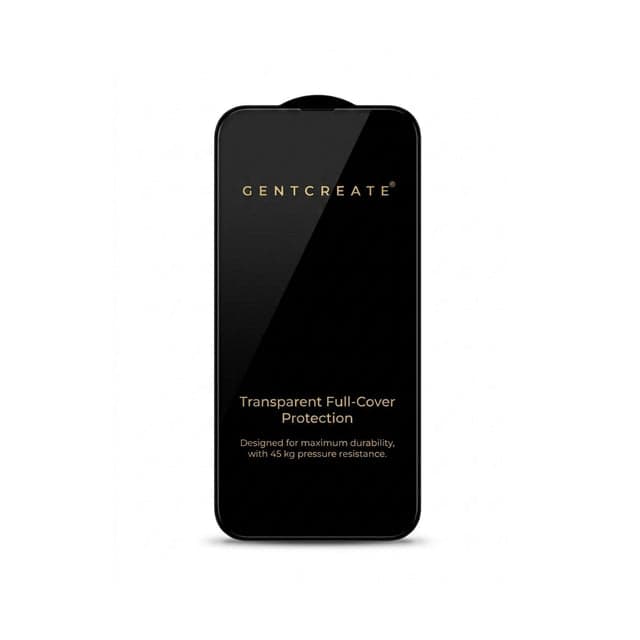 Premium Screen ProtectorGENTCREATE · $34.95
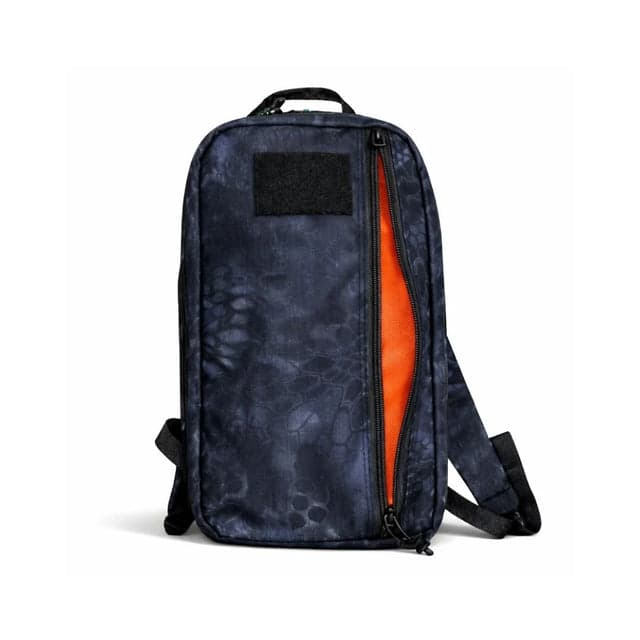 12 Hour BackpackRecycled Firefighter · $179.00
What you can skip without losing sleep
Not every travel bag needs a laptop sleeve, organizational pockets, or waterproof coatings. If you don't work remotely, a laptop compartment is dead weight. Excessive padding is another trap—it adds weight without protecting soft goods like clothes. Aesthetic features like branded logos or limited-edition colorways cost you money but not durability. Side pockets are nice for water bottles but often break first under repeated strain. Consider your actual trips, not your longest possible trip: most travelers take weekend trips more often than month-long journeys, so choosing a 35-liter bag over a 75-liter one makes sense if that matches your routine. Waterproofing sounds essential until you remember that travel bags live in dry airport carts and checked baggage holds, not in rain. A rain cover costs 10 dollars and adds zero weight. Hard shells look tough but reduce packing flexibility and add unnecessary weight for clothing-only trips.
Which types of travelers should look at each bag style
Rolling carry-ons suit travelers who move through airports and prefer not to wear a pack. Elepanta travel bags cater to this market with designs that balance structure and flexibility. Backpacks excel for active travelers navigating stairs, buses, and uneven surfaces; they leave both hands free and typically weigh less than wheeled luggage. GENTCREATE backpacks are built for capacity and reinforced attachment points, appealing to outdoor and business travelers. Duffel bags work for flexible packing and short trips—they squeeze into car trunks and fit overhead bins better than hard cases. Convertible bags that switch between backpack and rolling modes suit travelers who do both. Business travelers who prioritize organization want bags with dedicated compartments and quick-access pockets. Adventure travelers need waterproof or water-resistant materials and reinforce seams. Weekend warriors can get by with smaller capacity (30-40 liters); long-term travelers typically reach for 50-75 liters.
 AZULKO BRACELETElepanta · $54.00
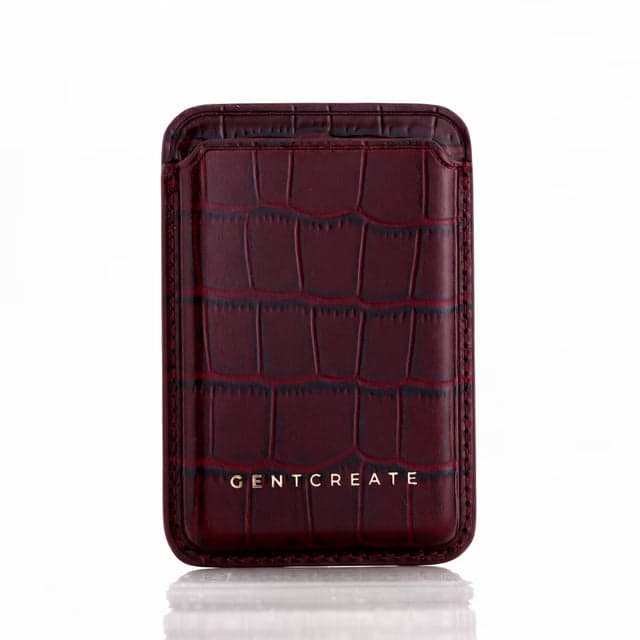 Leather MagSafe Wallet Croco GlossyGENTCREATE · $45.00
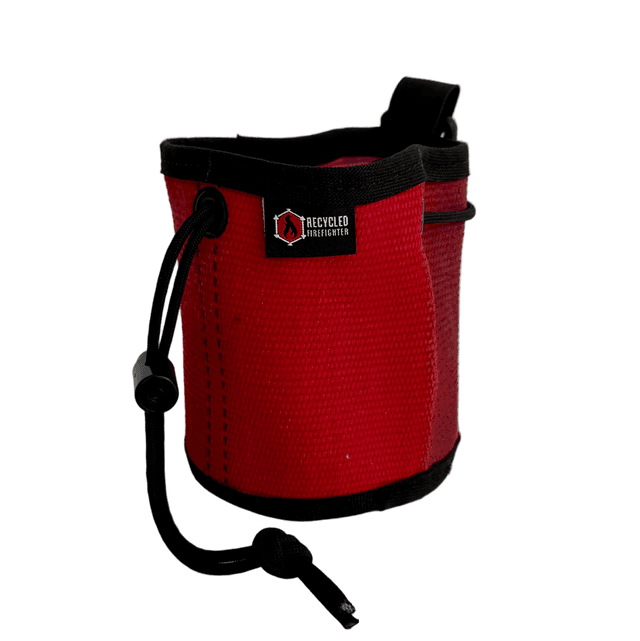 Ammo & Gear Bag 2.0Recycled Firefighter · $49.00
Quality versus value: where the real difference lives
A good travel bag costs between 60 and 250 dollars; excellent bags rarely exceed 400. Below 60 dollars, zippers and wheels typically fail within months. Above 400, you're paying for brand heritage rather than better durability. The gap between adequate and excellent lies in three places: zipper strength (YKK versus no-name), hardware quality (brass versus zinc), and seam reinforcement. A 120-dollar bag with YKK zippers and bartack seams will outlast a 180-dollar bag with cheap zippers and single stitching. Elepanta positions itself in the mid-range, offering travel bags that avoid the bottom-tier mistakes without premium pricing. GENTCREATE duffel bags and backpacks similarly focus on functional durability—reinforced corners, reliable handles, and load-appropriate construction. Expensive brands often add features you don't need: AI-powered packing apps, built-in GPS trackers, or premium colorways. Value lies in solid construction, not novelty.
Getting capacity and sizing right the first time
Carry-on luggage meets airline standards at 22 x 14 x 9 inches. Personal items range from 17 x 10 x 9 to 18 x 14 x 8 inches. For weekend trips (two to three nights), aim for 30-40 liters; one to two weeks requires 50-75 liters; extended travel reaches 75 liters or more. Before buying, match the bag to your most common trip length, not your longest possible trip. Rolling luggage fits overhead bins when it's carry-on sized; backpacks meeting carry-on dimensions are typically lighter but pack less densely than wheeled suitcases. Elepanta travel bags come in multiple sizes to match different trip lengths. GENTCREATE backpacks range from compact day-pack dimensions to expansive 45-liter travel models. Test the feel in a store if possible—a 50-liter bag feels different when packed full than when empty. Weight matters: a 5-pound empty bag gives you 15 pounds of usable packing capacity on a 20-pound airline limit; a 10-pound bag gives you only 10 pounds to work with.
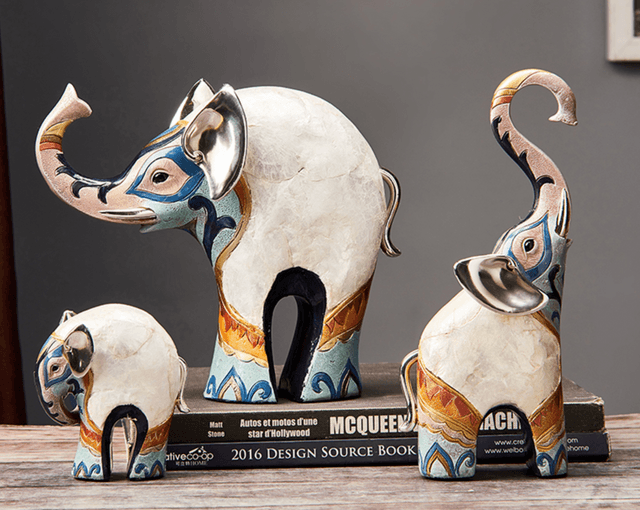 ELEPHANT SCULPTUREElepanta · $66.00
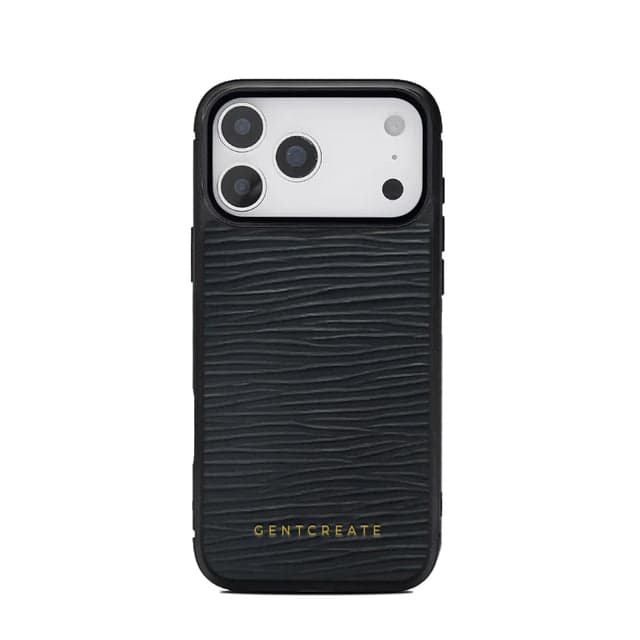 Leather iPhone Case Wave PatternGENTCREATE · $75.00
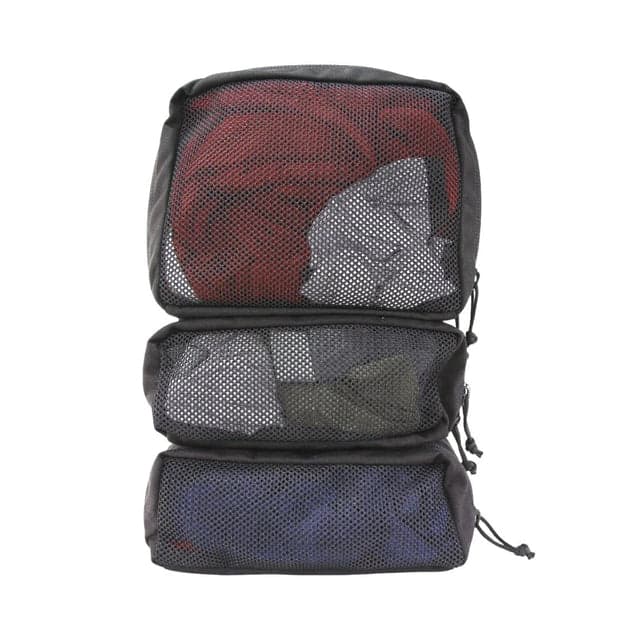 Mesh 24Hr Pouch SetRecycled Firefighter · $119.00
How to save money: timing the sales and understanding discounts
Black Friday is the most reliable sale window—expect 25 to 50 percent off premium luggage brands. Labor Day and July Fourth bring smaller discounts of 10 to 20 percent. End-of-season clearance in late August and September cuts prices 30 to 40 percent as retailers clear summer inventory. January sales rival Black Friday because retailers must move holiday stock. New model launches in early spring make last year's styles suddenly cheaper. Discount codes and coupon campaigns typically cover 10 to 15 percent, though stacking with sales sometimes works. Final sale items on Black Friday often cannot be returned, so know your bag before the sale starts. Check return policies before buying clearance items—some discount luggage is non-returnable. If you buy outside a major sales window at full price, you're overpaying. Most travel bags go on sale at least once every six months.
Where shoppers get comparison wrong
Mistake one: judging durability from weight alone. A light bag is not necessarily flimsy; premium materials compress more densely than cheap fabrics. Mistake two: prioritizing online reviews without understanding who wrote them. A five-star review from someone taking one trip a year tells you little about a bag's performance under heavy use. Mistake three: comparing price without comparing materials. A 100-dollar bag with YKK zippers may outlast a 150-dollar bag with unnamed zippers. Mistake four: assuming bigger luggage gives you more value. A 75-liter bag that weighs 12 pounds empty leaves you with only 8 pounds for packing on a 20-pound airline limit; a 50-liter bag at 5 pounds empty gives you 15 pounds of space. Mistake five: fixating on single features—like 'waterproof' or 'expandable'—without considering overall construction. A waterproof bag with weak zippers will fail at the zipper, not the fabric. Mistake six: ignoring wheel quality. Spinner wheels (four wheels) glide on airport floors; two-wheeled bags require dragging. This affects comfort far more than aesthetics.
Mistakes travelers make, and how to sidestep them
Mistake one: choosing luggage based purely on looks. Color matters for airport identification, but durability matters more. A beautiful bag that breaks after three trips wastes money and ruins your travel. Mistake two: matching luggage to your longest possible trip instead of your most common trip. If you take weekend trips eight times a year and one two-week trip annually, buy a 40-liter bag, not a 75-liter one. Mistake three: overpacking to justify a large bag. Bigger luggage tempts you to pack more, which strains zippers, wheels, and handles. Mistake four: ignoring weight capacity. Overstuffing zippers causes them to split; overloading wheels makes them crack. Zipper gauge (#5, #8, #10) and materials determine safe load limits. Mistake five: not testing handles, zippers, and wheels before purchasing. A handle that twists under weight in-store will break on your trip. Mistake six: underestimating the value of organization. Smart compartments reduce the need to dig through your bag at airport security, saving time and reducing strain on zippers and seams. Mistake seven: forgetting that a lightweight empty bag is worthless if it collapses when packed—choose bags whose materials hold structure under load.
Our top picks

Elepanta35% off
Offers dedicated travel bags in multiple capacities, balancing structure with flexibility for travelers who need organized, durable carry-on or checked luggage solutions.
Shop Elepanta →15 Elepanta coupons →
GENTCREATE45% off
Provides backpacks and duffel bags with reinforced construction and load-appropriate design, suited for both adventure and business travel with emphasis on durability.
Shop GENTCREATE →15 GENTCREATE coupons →
Recycled Firefighter30% off
Specializes in durable backpacks made from recycled materials, appealing to sustainable travelers who want lighter packing options without sacrificing toughness.
Shop Recycled Firefighter →15 Recycled Firefighter coupons →Frequently asked questions
What's the best carry-on size for most trips?
A 40-50 liter bag meets most airline carry-on limits (22 x 14 x 9 inches) and suits trips up to one week. Lighter weight bags with this capacity maximize packing space under airline weight limits, typically 20 pounds.
How do I know if zippers will last?
Look for YKK brand zippers, the industry standard. Check for smooth slider travel and even, interlocked teeth. Avoid vague labels like 'durable zippers'—named brands indicate manufacturer confidence and precision engineering.
Should I buy a hardside or softside bag?
Hardside bags protect fragile items better but reduce packing flexibility and add weight. Softside bags with high-denier fabrics (600D+ polyester, 500D+ nylon) offer better packing efficiency and cost less. Choose based on what you pack, not airport mythology.
- https://gearjunkie.com/travel/best-travel-backpack
- https://www.outdoorgearlab.com/topics/travel/best-travel-bag
- https://www.rei.com/learn/expert-advice/luggage-packs.html
- https://vonbaer.com/blogs/blog/best-time-to-buy-luggage
- https://eumeworld.com/blogs/news/top-5-mistakes-to-avoid-when-choosing-luggage
- https://lenzip.com/luggage-zippers/