
What matters now: sustainability and smart sizing
The bag market has shifted. Shoppers now expect bags that do real work without requiring a luxury price tag, and durability is the new standard rather than a premium feature. Materials matter differently than they did five years ago—recycled fabrics like rPET (recycled polyester) are now strong enough to match virgin polyester while cutting carbon footprint by up to 45%. At the same time, bag sizes have become more deliberate. The era of one oversized tote for everything is ending. Instead, buyers invest in two or three bags that fit specific purposes: a compact crossbody for errands, a structured work bag, a larger tote for travel or weekend trips. This seasonal shift reflects a move away from fast fashion toward purposeful purchases. Retailers report that customers now spend longer choosing bags because they expect them to last and to earn their place in a rotation. Sustainability certifications and material transparency matter to more shoppers than ever before, making this the right time to understand what separates a thoughtful purchase from an impulse.
The specs that actually matter: material and construction
Three materials dominate the bag market, each with clear strengths. Full-grain leather lasts 10–20+ years with basic care and develops an attractive patina over time, but costs more ($200–500+) and requires periodic conditioning. Canvas is lightweight, affordable ($75–200), and comfortable immediately without a break-in period, but typically lasts 3–7 years of daily use and absorbs water readily. Nylon is the lightest option, genuinely waterproof when coated, virtually maintenance-free, and lasts 8–12 years, though it doesn't age beautifully and has environmental concerns as a petroleum-based material. Beyond material, construction wins or loses the bag. Look for reinforced stitching, quality hardware (zips and clasps that glide smoothly), and a durable lining. Bag linings matter more than most shoppers realize—thin, cheap linings tear and snag, while heavy cotton or canvas linings protect your contents and last longer. The strap attachment point, whether handles or crossbody straps, should be reinforced with extra stitching or bartacking (tight x-shaped stitching). A bag can be perfect material but fail if the strap pulls away at the base. Interior organization—pockets, dividers, and a key clip—separates a usable everyday bag from one that frustrates you daily.
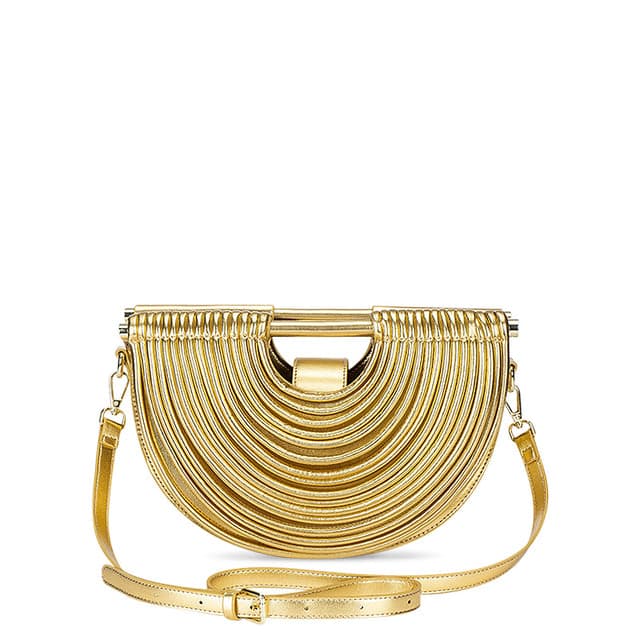 The Geisha HandbagBond & Mason · $33.00
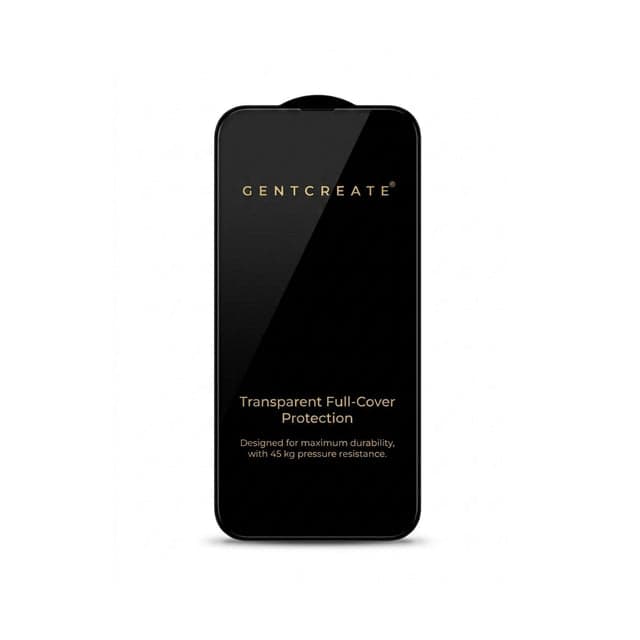 Premium Screen ProtectorGENTCREATE · $34.95
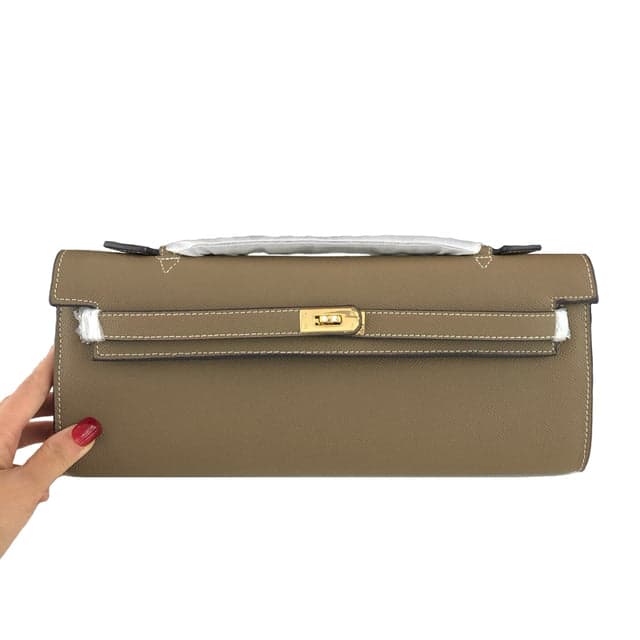 Cut Clutch Bag Epsom Leather Golden HardwareHANDSEWGIFT · $115.00
The trade-offs to understand: weight, cost and maintenance
Every material involves a trade-off. Canvas is significantly heavier than nylon or polyester of comparable strength, so a large canvas tote fatigues your shoulder faster than a nylon equivalent. If you carry your bag daily and want lightweight comfort, nylon wins. If you want long-term durability and aging beauty, leather is the only choice, but you accept the weight, cost, and maintenance routine. Leather requires periodic conditioning with appropriate creams to prevent cracking, and it needs weather protection—rain and salt damage untreated leather faster than any other material. You can skip the conditioning if you accept that your leather will age faster and may crack, but most leather buyers find the 15-minute maintenance every few months worth the investment. Nylon appears tired as it ages; it doesn't develop the character that leather achieves. This matters if you plan to carry the same bag for a decade. Canvas ages as deterioration. Water marks become stains, edges fray, and aging looks like wear rather than beauty. The cost difference is real: a quality canvas bag ($100–150) costs one-third of a leather equivalent. Nylon sits in the middle on price and requires almost no maintenance. If you prioritize low upkeep and weather resistance over aging beauty, nylon is honest value. If you value an investment that improves with time, leather justifies the price despite the maintenance burden.
Who should buy what: matching bags to your life
Everyday errand runners who want a lightweight, hands-free option should look at crossbody bags in nylon or canvas—these keep both hands free and sit close to your body. For structured comfort, crossbody straps ideally drop 22–26 inches to sit across your torso without twisting. Office workers need a professional structured tote or messenger bag that fits a laptop or tablet with organized interior pockets. Leather or coated canvas maintains a polished look across client meetings and casual Fridays. Brands like Bond & Mason offer crossbody and tote options in affordable price ranges (EUR 27–38) that bridge everyday and light professional use. Weekend travelers require capacity: 20–30 liters covers a long weekend, while 35–45 liters handles a full week. Backpacks or expandable duffel bags suit this purpose because they distribute weight across both shoulders. Parents managing diaper bags, school pickups, and weekend activities benefit from smart interior organization—multiple pockets, insulated compartments, and wipeable linings reduce daily stress. HANDSEWGIFT specializes in crossbody and tote designs (USD 29–195) suited to everyday carry and travel. Minimalists who avoid overloaded bags should invest in one or two high-quality pieces in neutral colors rather than a rotation of trend-dependent styles. GENTCREATE's backpack and messenger bag options (USD 35–185) offer durability for those who use bags as functional tools rather than accessories.
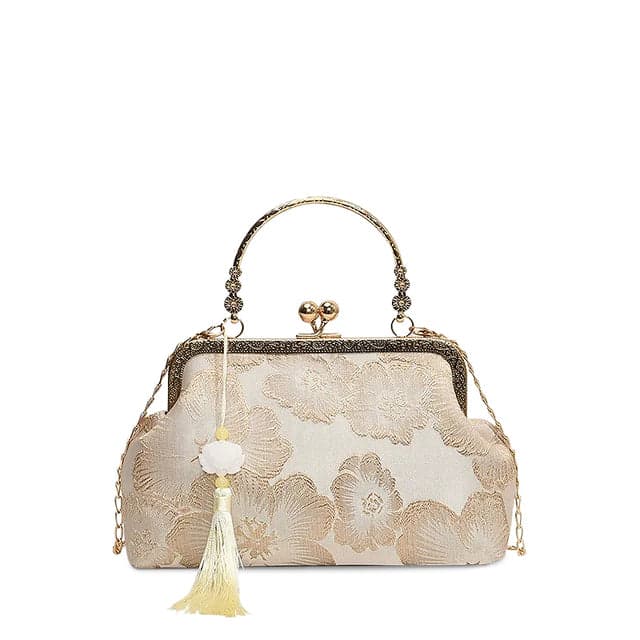 The Mira ClutchBond & Mason · $32.00
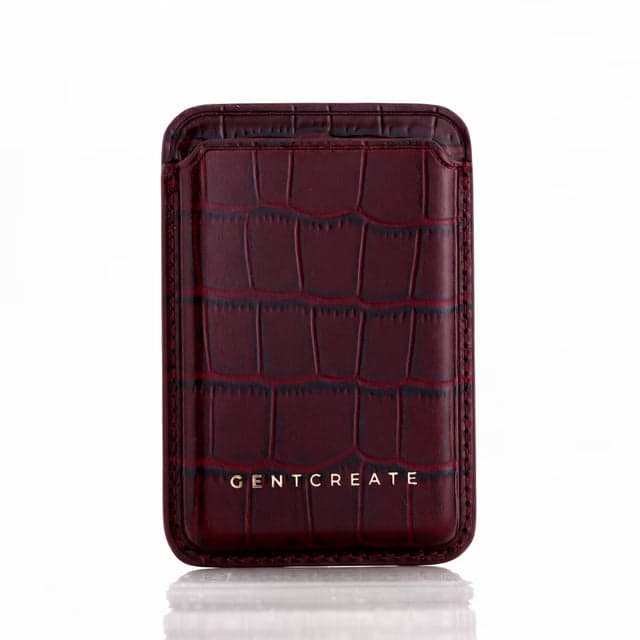 Leather MagSafe Wallet Croco GlossyGENTCREATE · $45.00
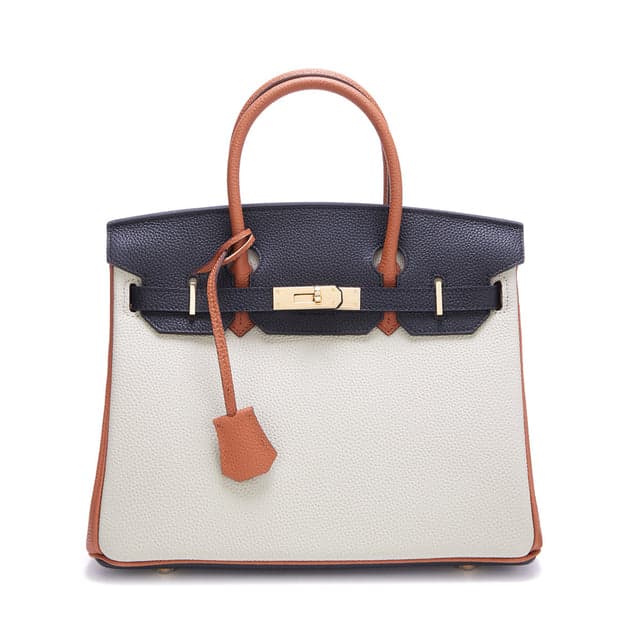 Bi Color Bag Togo Leather Multi Color Handbag Gold HardwareHANDSEWGIFT · $105.00
Value and quality: what separates smart buys from false economy
A $50 bag that fails after six months costs more than a $150 bag that lasts five years. Quality separates smart buys from false economy in bags more than almost any other category. Low-quality bags use thin, low-GSM (grams per square meter) fabric that tears easily under weight, stretches, and looks cheap within weeks. Hardware that sticks or breaks immediately signals a bag destined for the donation pile. The most reliable signal of quality is the stitching. Run your finger along seams and stress points—reinforced stitching is denser, tighter, and often follows an x-pattern rather than a simple line. Loose or uneven stitching means the bag prioritized cost over durability. Affordable leather often means genuine leather but lower grades with visible flaws, thinner hide, and less careful tanning. This is not dishonest—it is legitimate lower-cost leather that still outlasts canvas. The mistake is assuming cheap leather is fake leather. Real but lower-grade leather still ages and patinas; it just may show scratches or color unevenness faster than premium grades. For value-conscious buyers, a mid-range leather bag ($150–300) often outperforms designer bags priced at $800+, because the designer premium funds marketing and retail overhead rather than material improvement. Direct-to-consumer brands and mid-market manufacturers avoid wholesale markups and retail leases, allowing them to invest in better materials at lower prices. A €30 tote from Bond & Mason represents honest value if the stitching is tight, the hardware feels substantial, and the lining is durable—it may not outlast leather, but it delivers function at price.
Capacity and fit: get the size right on the first try
Undersizing is the costliest mistake. A bag that cannot hold your daily essentials simply will not get used. Before shopping, measure what you actually carry: your phone, wallet, keys, water bottle, sunglasses, and anything else daily. Small crossbody bags (roughly 7.8"L × 5.9"H × 1.9"D) fit phone, wallet, and keys only—appropriate for evening outings but useless for commutes. Medium crossbody bags (about 14"L × 11.75"H × 7.25"D) hold a tablet, notebook, sunglasses, and everyday items—this is the baseline for daily carry. Large crossbody bags (up to 15.25"L × 16.25"H × 5.25"D) accommodate laptops and extended commutes. Totes come in similar ranges: the universal everyday size is 15 inches wide × 16 inches tall (with handles roughly 10–11 inches long), while larger totes at 18×15 inches or 20×16 inches suit grocery shopping and weekend trips. Standard strap drop matters too. Handheld tote handles work at 4.5–9 inches, comfortable for hand-carrying but awkward on the shoulder. Shoulder straps at 9–12 inches rest on one shoulder, and crossbody straps at 12+ inches allow hands-free carry. For crossbody wear, a 22–26-inch drop is typical and comfortable. Oversizing works occasionally if the bag is lightweight and organized—a large nylon backpack for travel is sensible because it distributes weight across shoulders. An oversized tote stuffed with random items becomes exhausting to carry. The practical rule: if your daily essentials rattle around with room to spare, it is too large. If you have to force the zipper closed, it is too small.
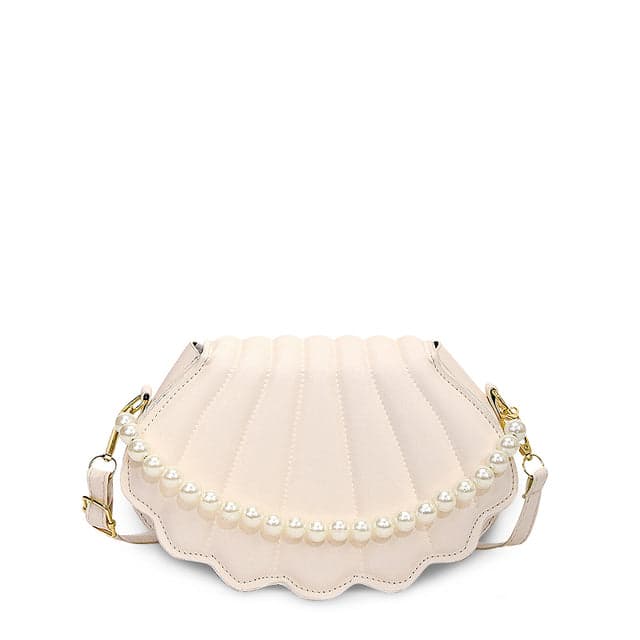 The Ariël Crossbody BagBond & Mason · $32.00
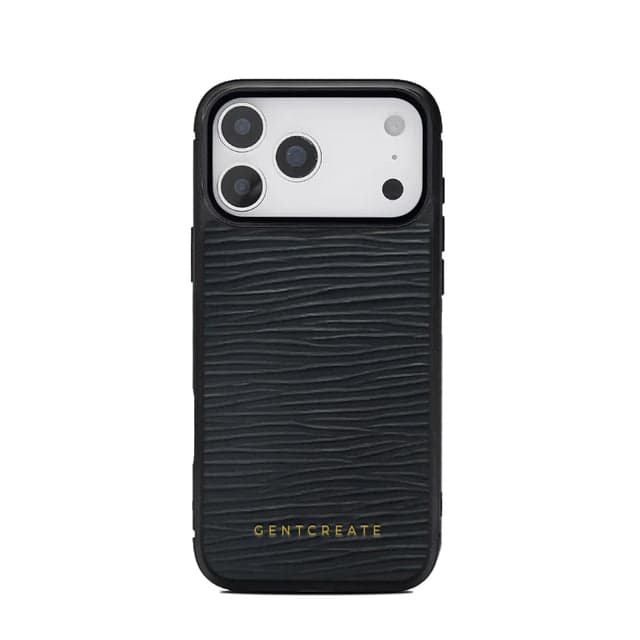 Leather iPhone Case Wave PatternGENTCREATE · $75.00
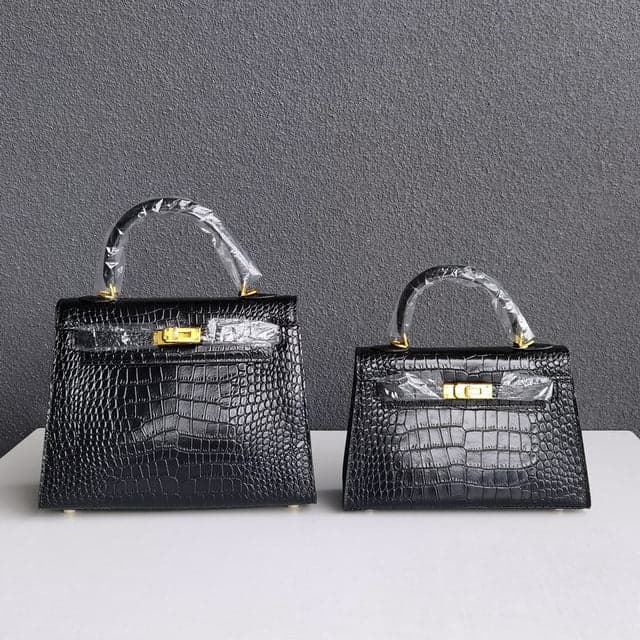 Crocodile Pattern Inspired Kelli Bag New Colors Handbags for WomanHANDSEWGIFT · $99.90
Saving money: when discounts make sense and when they don't
Bag sales follow predictable patterns. End-of-season sales (August and January) offer the deepest cuts—expect 30–50% off when retailers clear inventory for new collections. These sales favor neutral, versatile styles, not trend-dependent designs. A classic tote or durable backpack discounted at season end is a legitimate bargain; a trendy color or limited-edition print heavily reduced often signals limited resale appeal. Flash sales and promotional codes typically offer 10–20% off and are honest discounts, not desperate clearance. The trap is confusing urgency with value. A 15% code makes an expensive bag slightly less expensive, not affordable. If a bag costs $400, a code drops it to $340—still a significant purchase. The honest calculation: will this bag justify its full price, or are you only interested because a code makes it seem cheaper? Brands rarely discount quality essentials like everyday totes or durable backpacks aggressively, because demand remains steady. Heavy discounts signal overstocking or waning customer interest—not hidden value. Subscribing to brand newsletters captures email-only codes, which tend to be genuine (not artificial urgency codes), and seasonal previews help you plan purchases strategically. HANDSEWGIFT and Bond & Mason offer products across wide price ranges (EUR 27–38 and USD 29–195 respectively), making it sensible to invest in quality from the outset rather than wait for sales. Investment bags—leather pieces intended to last decades—rarely drop in price during their first two years of release, because quality leather bags attract serious buyers unconcerned with temporary discounts.
Where comparison goes wrong: avoiding common traps
Comparing bags by price alone is the foundation of bad decisions. A $80 nylon backpack and a $200 leather messenger bag serve different purposes and last different lengths of time—the price difference reflects material and durability, not value. Assuming all leather is the same is equally misleading. Full-grain leather (the whole top layer of hide, with natural markings and color variation) ages beautifully and lasts decades. Top-grain leather (a sanded and refinished surface) is durable but doesn't develop character. Split leather (lower layers bonded with glue) is cheaper but delaminates after a few years. The leather grade is rarely advertised, so asking retailers for specifics matters. Confusing capacity with usability is another common trap. A 50-liter backpack holds a lot but becomes exhausting if you actually fill it; most people use 25–35 liters daily and feel satisfied with organization. Reading product reviews helps—look for comments from people with similar daily carry patterns, not just general "I like it" feedback. A five-star review from someone who carried the bag twice is less valuable than a three-star review from someone who used it daily for a year and appreciates it despite minor criticisms. Ignoring interior quality is surprisingly common. Shoppers photograph the exterior, read about material, but ignore the lining, pockets, and dividers. A beautiful exterior with a flimsy lining that tears and snags within months is a failed purchase. Finally, assuming all bags in a category function identically overlooks meaningful differences. Two totes may both measure 16×14 inches, but one may have a reinforced base and structured sides (better for heavy items), while the other is purely flexible canvas (better for soft contents like groceries or clothing). Shape, structure, and interior details determine usability as much as dimension.
Mistakes to avoid: making the right choice the first time
Choosing by style alone leads to regret. A beautiful bag that cannot hold your essentials or organize them sensibly becomes a storage problem. Before selecting a bag, define its primary purpose—work commute, weekend travel, daily errands—then prioritize function. A bag that works across multiple situations (like a structured tote that serves both casual and light professional use) is more valuable than a bag limited to one occasion. Buying counterfeits or suspiciously cheap alternatives carries hidden costs. Counterfeit bags use unknown materials, may deteriorate rapidly or even pose health risks, and offer no warranty or recourse if they fail. The slight savings ($20–50) are false economy compared to a legitimate affordable brand. Neglecting security features in work bags is another genuine mistake, especially for commuters using public transit or office workers in shared spaces. An open-top tote leaves your phone and wallet visible and accessible to pickpockets; a structured bag with a secure closure and interior organization protects your belongings. Not considering your actual lifestyle creates perpetual buyer regret. If you commute by car, a crossbody bag is unnecessary; a structured tote that stays in your vehicle is more practical. If you commute by transit or bicycle, hands-free carry is essential. Some shoppers buy bags they aspire to use rather than bags matching their actual routine, leading to unused purchases. Testing strap comfort before committing is underrated. A bag that looks perfect but has thin, narrow straps that dig into shoulders becomes unwearable despite other virtues. If you can, try the bag with weight inside, wearing it at your intended angle and height. Some retailers allow returns within 30 days, making it reasonable to test a bag in real use before the return window closes. Finally, forget about owning one perfect bag. Most functional closets include two or three bags serving different purposes: a lightweight everyday bag, a professional work bag, and a larger travel option. Rotating bags extends the lifespan of each by distributing wear and allows strategic seasonal swaps—a weather-resistant nylon bag in winter, a breathable canvas option in summer.
Our top picks

Bond & Mason40% off
Offers handbags, backpacks, crossbody and tote bags across a wide variety of styles, with prices from EUR 27–38, making quality accessible for everyday and light professional use.
Shop Bond & Mason →15 Bond & Mason coupons →
GENTCREATE45% off
Specializes in durable backpacks, messenger bags and duffel bags (USD 35–185), combining functionality with affordability for commuters and travelers prioritizing utility over trend.
Shop GENTCREATE →15 GENTCREATE coupons →
HANDSEWGIFT75% off
Handcrafted crossbody bags, handbags, shoulder bags, totes and backpacks (USD 29–195), ideal for buyers seeking personalized quality and artisanal construction at mid-range prices.
Shop HANDSEWGIFT →15 HANDSEWGIFT coupons →Frequently asked questions
What bag size do I actually need for daily use?
Most people need 15–18 inches wide and 14–16 inches tall for a tote, or a medium crossbody at roughly 14×11 inches. Before shopping, gather what you carry daily—phone, wallet, keys, water bottle—and ensure your choice holds it comfortably without forcing the closure or rattling around empty.
Is leather worth the higher price and maintenance?
Leather lasts 10–20+ years and develops attractive patina, but costs $200–500+ and requires periodic conditioning. If durability and aging character matter to you, yes. If you prefer low maintenance and lightweight comfort, nylon offers better value at 8–12 year lifespan with virtually no care.
How do I spot quality before buying?
Check stitching—reinforced seams and x-pattern bartacking at stress points signal durability. Feel hardware—zips and clasps should glide smoothly. Inspect the lining and interior pockets. Loose stitching, sticky zips, or thin linings indicate a bag destined to disappoint within months.
- https://www.rustictown.com/blogs/editors-desk/messenger-bag-materials-leather-vs-canvas-vs-nylon-complete-guide-2026
- https://laticoleathers.com/blogs/news/how-to-choose-right-size-crossbody-bag
- https://verafiedny.com/blogs/posts/how-big-should-your-tote-bag-be-the-complete-size-guide
- https://www.thequalityedit.com/articles/mid-range-bags
- https://chiaracordelia.com/blogs/blogs/top-mistakes-to-avoid-when-buying-a-luxury-handbag
- https://kreativebags.com/top-7-mistakes-to-avoid-when-buying-a-travel-bag