
What changed this season and why it matters
Personalized nutrition is reshaping how people choose supplements in 2026. Rather than one-size-fits-all multivitamins, consumers and physicians are moving toward targeted protocols that address specific life stages, health goals, and individual deficiencies. Mental health and stress support supplements have become one of the fastest-growing segments, with 52 percent of consumers now interested in AI-powered personalized vitamins tailored to their needs. Gummy formats and powders are surging in popularity because they fit seamlessly into daily routines. Additionally, transparency has become non-negotiable—clean labels, third-party testing, and verified ingredient counts are now table stakes, not premium features. Certain nutrients are seeing strong growth: vitamin K is up 28 percent, vitamin B10 up 26 percent, and vitamin A up 19 percent year-over-year. For buyers, this means the market now rewards brands that combine convenience, scientific backing, and rigorous testing over those relying on mass marketing alone.
How to choose the specs and materials that matter
Quality begins with ingredient verification and potency testing. Look for third-party certifications from NSF, USP, or INFORMED—these organizations independently confirm that what is on the label is actually in the bottle and that products contain no harmful contaminants. NSF certification follows NSF/ANSI 173, the only American National Standard for dietary supplements, while USP Verified seals guarantee consistency and purity across batches. Nature Target, for example, uses third-party testing and NSF certification alongside GMP facility manufacturing to establish clear product specifications for quality and dosage. Dosage accuracy matters more than you might think: tests have shown that nearly half of vitamin C gummies sold online contain almost no vitamin C, while others contain double the labeled amount. Compare the dose on the label to official nutrient reference values—more is never better. Form factor also affects absorption and compliance: tablets, capsules, powders, gummies, and softgels each have different bioavailability profiles. Gummies and powders integrate easily into daily routines, which means you are more likely to take them consistently. Finally, check for non-GMO verification, absence of artificial colors and preservatives, and clear allergen labeling if you have sensitivities.
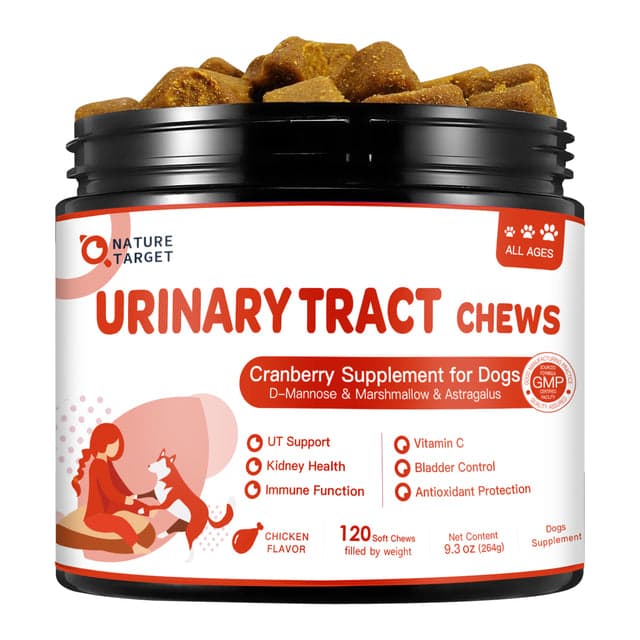 Cranberry Supplement for Dogs, 200mg Cranberry + 100mg D-Mannose, Chicken Flavor, 120 Soft ChewsNature Target · $19.99
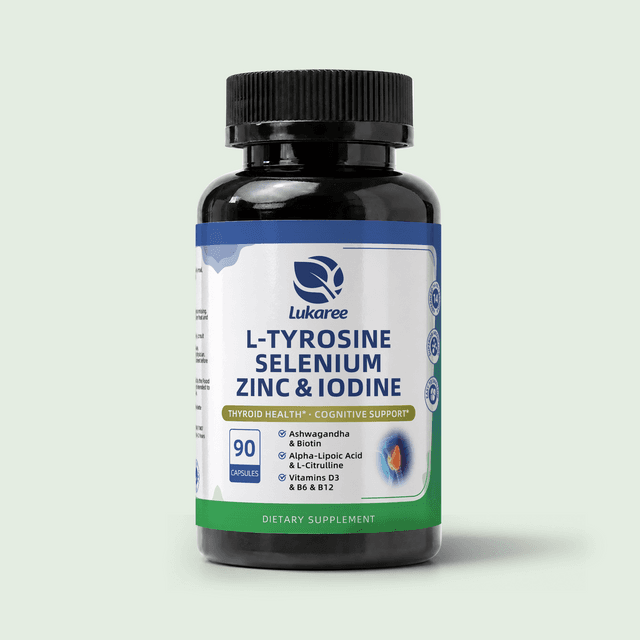 Thyroid Support Capsules • 60 CountLukaree · $26.99
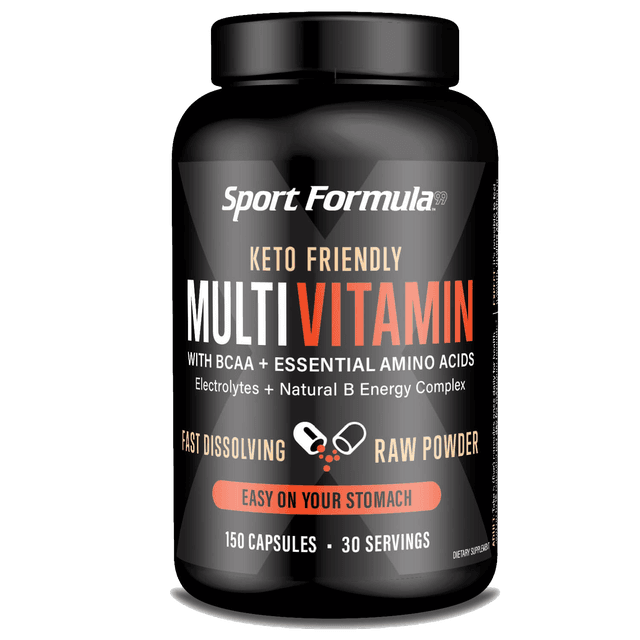 Powder Vitamin - Capsules No FlavoringSportFormula · $39.95
Safe trade-offs and what you can skip
A multivitamin designed for general health will provide broad nutritional support and help fill common gaps, but megadoses of individual nutrients are usually unnecessary unless prescribed by a doctor for a specific deficiency. You can skip expensive 'superfood' blends that combine dozens of extracts at sub-therapeutic doses—single-nutrient or focused combinations deliver better value. Lukaree offers targeted formulas for stress balance and immune support rather than trying to be everything, which is a smarter approach than chasing multi-purpose solutions. Proprietary blends without ingredient breakdowns are a red flag; they prevent you from knowing actual doses and making informed decisions. You can safely skip products making cure-all health claims or lacking scientific backing. Synthetic versus natural ingredients is less important than third-party verification; a synthetic vitamin D3 certified by NSF is preferable to unverified natural-source D3. Injectable vitamins, intravenous drips, and extreme dosage protocols marketed to healthy adults are expensive hype with minimal proven benefit. The sweet spot is a quality multivitamin that covers your baseline needs plus one or two targeted supplements addressing your personal gaps—determined ideally with healthcare guidance.
Who each kind of buyer should look at
Consumers seeking comprehensive daily support and broad retail availability gravitate toward established names offering reliable formulations. Those prioritizing transparent sourcing and third-party verification should examine Nature Target, which emphasizes GMP certification, NSF verification, and rigorous batch testing. Buyers focused on stress, mood, and immune health find options in Lukaree's targeted collections, which use natural botanical extracts without synthetic fillers. Athletes and active individuals benefit from SportFormula formulations, which specifically address energy metabolism, oxidative stress from exercise, and bone health with elevated B-vitamin complexes and mineral support. Cost-conscious shoppers can find value across brands but should prioritize NSF or USP verification over brand prestige. Parents seeking supplements for growing children need formulations specifically designed for pediatric dosages, not scaled-down adult versions. Older adults managing multiple medications should consult healthcare providers before adding supplements, as interactions are more likely. Those with diagnosed deficiencies require targeted, higher-potency formulas—generic multivitamins may not provide sufficient dosage. Vegan and vegetarian buyers need to verify that capsules use plant-based cellulose rather than gelatin, and that all sources are plant-derived.
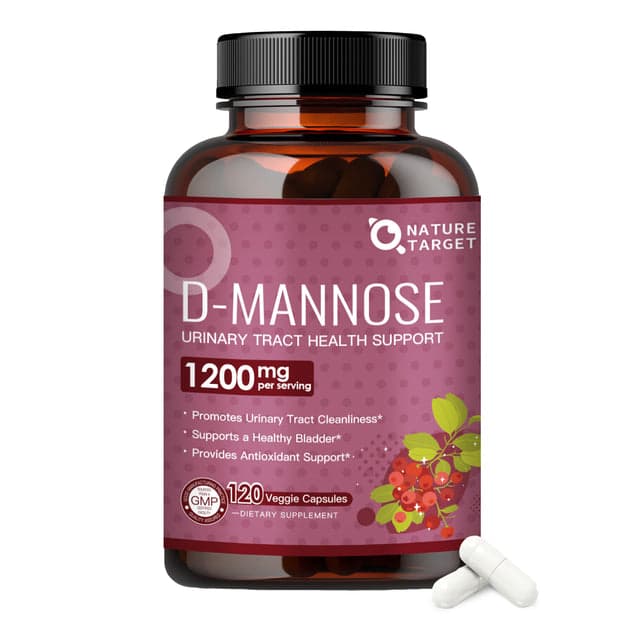 D-Mannose 1200mg + Cranberry Extract 50mg, Vcaps, 120 CountNature Target · $20.99
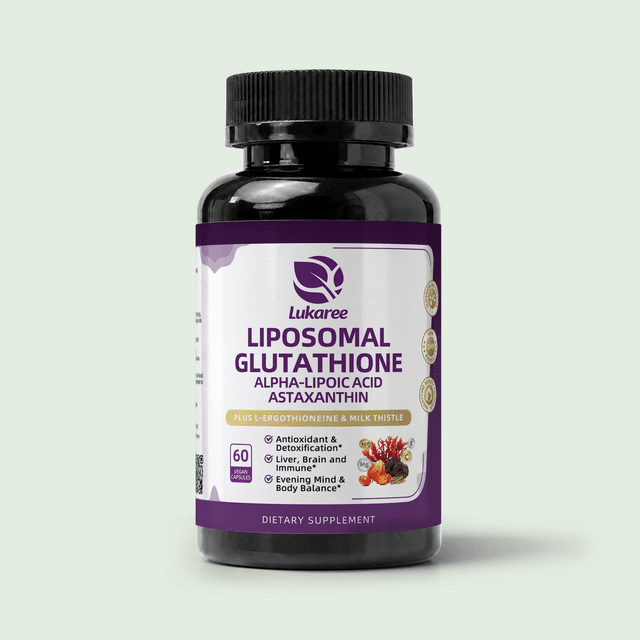 Liposomal Glutathione 500mg Complex • 60 CapsulesLukaree · $27.99
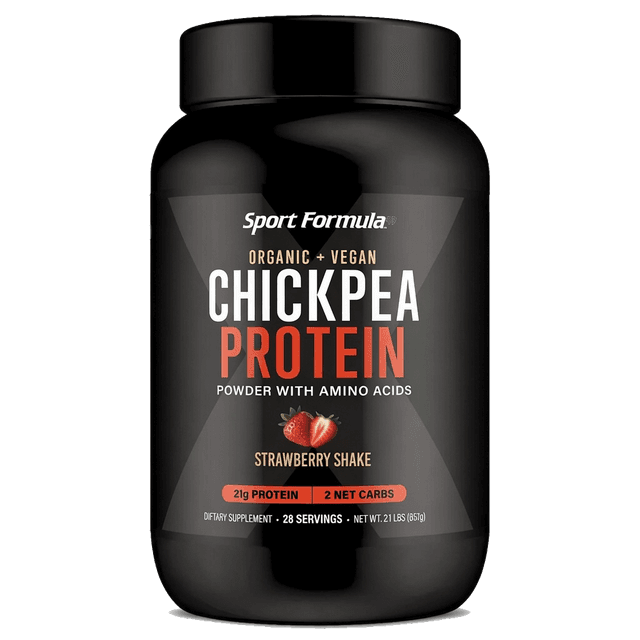 ChickPea Protein Powder - Strawberry ShakeSportFormula · $47.99
Quality and value: what separates a good buy from a cheap one
A good vitamin supplement costs more than a discount-bin version because rigorous testing, third-party verification, and quality sourcing all carry real expenses. Brands investing in NSF, USP, or INFORMED certification pass those costs to you, but the payoff is certainty—you know the product contains what it claims. Nature Target's third-party testing and GMP manufacturing represent this commitment to quality. Cheap supplements often cut corners on potency testing, leading to underdose or contamination issues; some contain heavy metals or unlisted ingredients. Look beyond price per pill to price per confirmed dose of active ingredient. A thirty-day supply at fifty dollars with verified potency beats a ninety-day supply at forty dollars with unverified content. Established brands with consistent formulations across multiple products demonstrate quality control more reliably than small brands with inconsistent labeling or wildly varying prices. Lukaree's clean formulations without artificial colors and preservatives reflect higher ingredient costs. Sport-focused supplements like SportFormula command higher prices because formulations address athletic metabolism and recovery, not just baseline nutrition. Read independent reviews on ConsumerLab or third-party testing platforms rather than relying on manufacturer testimonials. Transparent ingredient sourcing, batch testing certificates available on request, and clear allergen statements signal a company confident in its product. The best value is not the cheapest option but the lowest price for verified quality matching your specific needs.
Sizing, fit or capacity: getting it right the first time
Supplement sizing is primarily about dosage frequency and supply duration rather than physical size. A single daily tablet is easier to maintain than a regimen requiring three pills at different times, so container size matters mainly for convenience. Daily multivitamins are typically sold in thirty-day, sixty-day, or ninety-day supplies; longer supplies offer better per-pill pricing but require commitment and storage space. If you are new to supplementation, start with a thirty-day supply to test tolerance and compliance before committing to larger quantities. Powder supplements require more storage space than tablets but dissolve easily into beverages. Gummy formats from brands like Lukaree are convenient but more expensive per dose and can be confused with candy by children, requiring secure storage. Capsule size affects swallowability—smaller capsules suit people with difficulty swallowing, while larger capsules concentrate more ingredient per unit. Check label serving size against your actual need: some products deliver the full nutrient reference value per pill, while others require multiple pills daily. Younger users and athletes may tolerate larger capsules easily, while older adults might prefer tablets or powders. If you travel frequently, compact tablet forms in sealed bottles are more convenient than powders or gummies. Consider your household's ease with the chosen format—a supplement you find annoying to take is one you will skip. Life stage matters: prenatal vitamins are formulated differently from general adult multivitamins, and senior-specific formulations address age-related nutrient absorption changes.
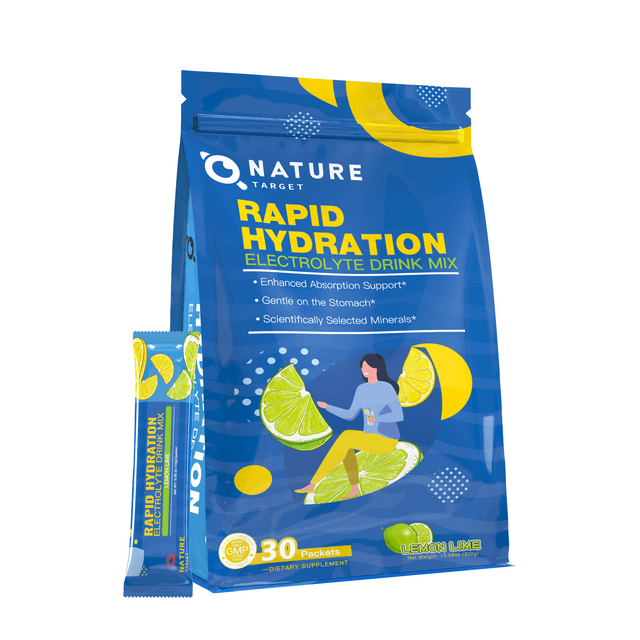 Electrolyte Powder, Sodium 500mg + Potassium 300mg + Magnesium 90mg, Lemon Lime, 30 ServingsNature Target · $26.99
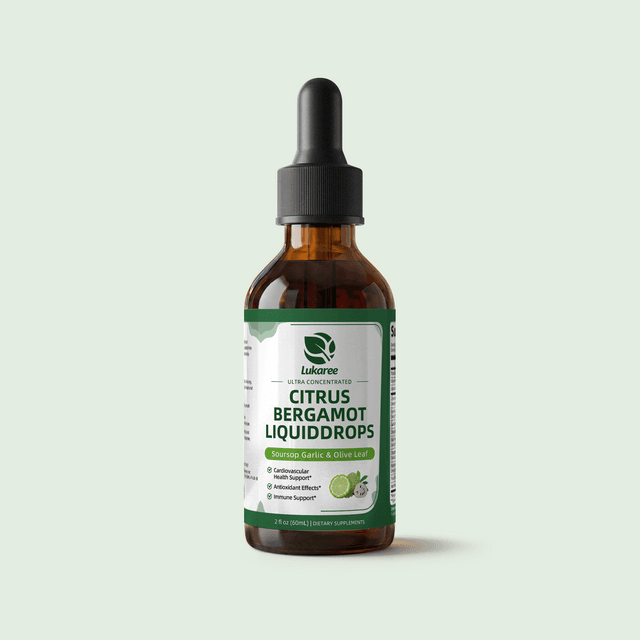 Citrus Bergamot Liquid Drops Original Flavor • 2 fl oz (60 mL)Lukaree · $26.99
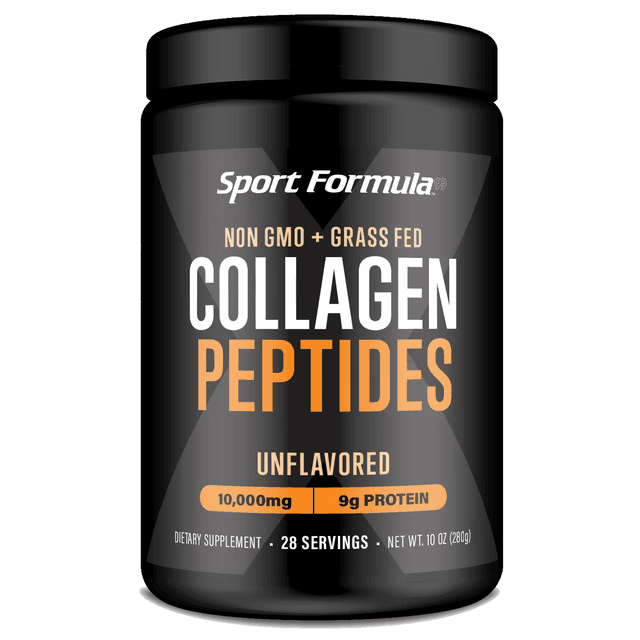 Powdered Collagen PeptidesSportFormula · $23.72
How to save money: when prices drop and what discounts cover
Vitamin supplements typically see significant discounts during pharmacy promotions, end-of-quarter clearance events, and bulk retailer sales cycles. Buy-one-get-one-fifty-percent-off promotions are common but only save money if you choose products you will actually use. Costco and Sam's Club offer bulk purchasing at competitive prices, particularly for popular items like vitamin D, multivitamins, and biotin, though membership fees apply. Online retailers like Amazon and Walmart feature rolling clearance deals, but price-per-dose comparison is essential because discount prices sometimes reflect older formulations or discontinued products. Target Circle membership discounts on Centrum and similar brands can reach thirty percent, but only on sale items. If your healthcare provider prescribes a vitamin for a diagnosed deficiency, ask about insurance coverage or discount programs like SingleCare, which can substantially reduce costs. Third-party testing and quality certifications are rarely discounted—they represent actual product value, not negotiable features. Seasonal promotions tied to January wellness resolutions or back-to-school periods can offer genuine savings on quality brands. Coupon stacking at physical retailers sometimes works, but online discounts are usually fixed. Subscriptions with smaller recurring deliveries avoid wastage if you change formulations mid-supply. Do not chase discounts on untested brands; the savings rarely compensate for quality uncertainty. Buying in bulk makes sense for long-term staples you use consistently but creates waste and storage issues for supplements you experiment with.
Where people go wrong comparing options
The biggest mistake is conflating brand reputation with product quality. A well-known name guarantees nothing about potency or purity without third-party verification. Comparing prices per bottle rather than per dose leads to expensive mistakes—a small bottle at high price-per-dose is worse value than a large bottle at low price-per-dose, even if the total cost appears higher. Another common error is ignoring the difference between nutrient reference value and personal requirement. Your actual need varies by age, sex, body weight, health status, and medication interactions; generic daily values apply only to average adults. Megadose mentality persists despite evidence that more is not better: exceeding safe upper limits risks side effects ranging from nausea to liver injury, and your body simply excretes excess water-soluble vitamins. People also underestimate the importance of third-party testing, assuming FDA oversight guarantees safety. In reality, FDA regulations require manufacturers to test and verify ingredients, but independent verification provides an extra layer of protection. Conflating natural with safe is a persistent error—many natural compounds are potent and potentially harmful in high doses. Assuming all gummies and powders have identical absorption to tablets ignores real bioavailability differences. Shopping based on marketing claims alone rather than ingredient lists leads to overpaying for proprietary blends at sub-therapeutic doses. Ignoring allergen statements risks accidental exposure if you have sensitivities. Finally, comparing supplements without considering your personal health profile wastes money on irrelevant products; stress-support formulas serve no purpose if your issue is iron deficiency.
Mistakes shoppers make and how to avoid them
The most common error is buying supplements without knowing why. A multivitamin solves nutrient-gap problems for people with poor diets, but healthy eaters with diverse nutrition rarely need one. Before purchasing, honestly assess whether your diet covers essential nutrients or whether specific deficiencies warrant supplementation. Healthcare providers can run blood tests to identify actual gaps rather than guessing. Skipping the label entirely leads to accidental overdosing, especially with fat-soluble vitamins like D, A, and K, which accumulate in body tissues. Read dosage instructions carefully and compare to recommended daily intakes. Another mistake is switching products constantly because one did not deliver miraculous results in two weeks. Supplements support baseline nutrition and chronic health needs; they are not medications and do not produce overnight transformations. Give a consistent regimen at least four weeks before evaluating effectiveness. Failing to disclose supplements to healthcare providers risks dangerous interactions with prescription medications. Magnesium supplements, for example, can interfere with certain antibiotics and bone medications. Taking supplements on an empty stomach when they require food for absorption wastes the dose. Some vitamins absorb better with dietary fat; others require specific pH conditions in your digestive tract. Assuming that higher price equals better quality ignores the fact that expensive does not always mean verified or effective. Conversely, assuming that all vitamins are interchangeable causes you to miss formulations specifically suited to your life stage or goals. Finally, storing supplements in hot, humid bathrooms or direct sunlight degrades potency far faster than proper storage in cool, dark, sealed containers. Supplements have shelf lives; using outdated products provides no benefit.
Our top picks

Nature Target65% off
Offers third-party tested tablets, softgels, and capsules with NSF certification and GMP manufacturing for verified quality and potency.
Shop Nature Target →18 Nature Target coupons →
Lukaree60% off
Provides targeted natural supplements for stress, immune, and digestive health without artificial colors or synthetic fillers.
Shop Lukaree →16 Lukaree coupons →
SportFormula60% off
Formulates multivitamins specifically for active individuals, addressing energy metabolism and exercise recovery with elevated B-complex support.
Shop SportFormula →15 SportFormula coupons →Frequently asked questions
Do I need a multivitamin if I eat a healthy diet?
Not necessarily. A balanced diet with whole foods covers most nutrient needs for healthy adults. Blood tests can identify actual deficiencies worth supplementing. Many healthy eaters skip multivitamins entirely and supplement only specific gaps.
How can I tell if a supplement actually contains what the label claims?
Look for third-party certification from NSF, USP, or INFORMED on the label. These organizations independently test products to verify ingredient content and purity. Brands displaying these seals have submitted to rigorous testing.
Is natural always better than synthetic vitamins?
No. A synthetic vitamin D3 certified by NSF is safer and more reliable than an unverified natural-source D3. Third-party verification matters more than whether the source is natural or synthetic.
- https://meetglimpse.com/trends/supplement-vitamin-trends/
- https://health.usnews.com/otc/articles/the-best-vitamins-and-supplements-recommended-by-pharmacists
- https://www.healthline.com/nutrition/try-it-or-toss-it-the-supplements-you-need-and-the-ones-you-can-skip
- https://www.nsf.org/consumer-resources/articles/supplement-vitamin-certification
- https://www.usp.org/verification-services/dietary-supplements-verification-program
- https://www.naturaltarget.us/