
Why Supplement Quality Matters More Than Ever
The supplement market has grown dramatically, but the FDA does not test or approve dietary supplements before they reach store shelves. This gap means manufacturers are responsible for safety and accuracy, but many consumers don't realize this lack of oversight. Recent research shows that some products don't contain what the label claims, or contain harmful contaminants like heavy metals or bacteria. Unlike prescription drugs, there's no government safety net. This reality has made consumer education essential. In 2026, shoppers increasingly demand third-party verification—independent testing from organizations like NSF, USP, or ConsumerLab—because that's the closest thing to a quality guarantee available. Brands that invest in this testing signal they stand behind their products. Without it, you're trusting a manufacturer's word alone, which isn't enough when your health is at stake.
Key Specifications: What to Check on the Label
Before you buy, examine the Supplement Facts panel like you would nutrition information on food. The label must clearly list every active ingredient, the amount per serving, and the serving size—if this information is missing or vague, skip the product. Look for the specific form of each nutrient. For example, vitamin D3 is more bioavailable than D2; magnesium glycinate is gentler on the stomach than magnesium oxide. Check the inactive ingredients too, because they matter for allergies and sensitivities. Someone avoiding gluten needs to verify this on the label. Dosage amounts should stay below the Tolerable Upper Intake Levels set by health authorities; too much of vitamins A, D, E, and some minerals can be toxic. Quality brands like Nature Target offer tablets, softgels, capsules, and powder forms, giving you options based on your digestive system and preferences. A transparent label also shows you the source of raw materials and manufacturing location. If a product uses terms like "proprietary blend" without listing individual ingredient amounts, that's a red flag—you don't know what you're actually getting.
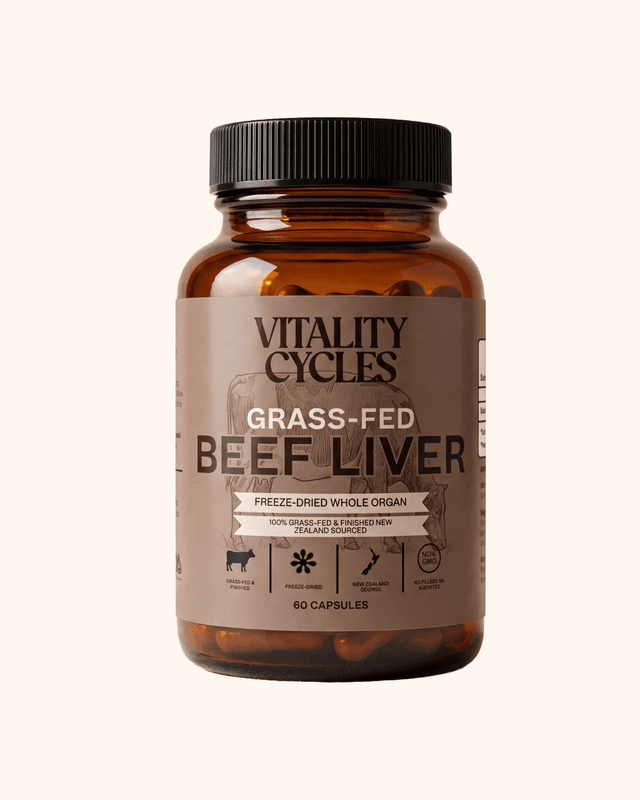 Grass-Fed Beef Liver CapsulesVitality Cycles · $69.00
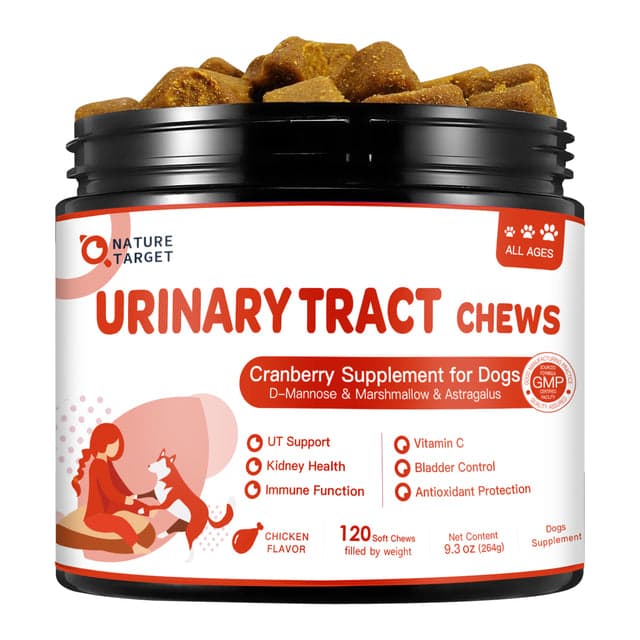 Cranberry Supplement for Dogs, 200mg Cranberry + 100mg D-Mannose, Chicken Flavor, 120 Soft ChewsNature Target · $19.99
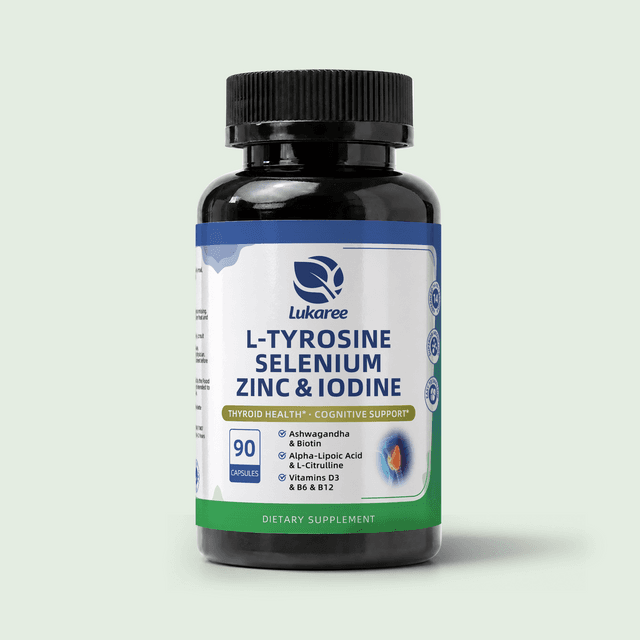 Thyroid Support Capsules • 60 CountLukaree · $26.99
What to Skip: Quality Shortcuts That Save Money
Not every expensive supplement is worth the price, and not every cheap one is a bargain. The real trade-off is between comprehensive testing and basic production. For example, a multivitamin without third-party testing might cost half as much as one that's NSF-certified, but you're gambling on accuracy and contamination. Skip this gamble if budget is tight; instead, choose a single targeted supplement that's been tested rather than a cheaper combination of untested products. Proprietary blends are a cost-cutting measure that hides the actual dose of each ingredient, so you can't verify whether you're getting a therapeutic amount or a trace amount. Skipping exotic, trendy ingredients and sticking to evidence-backed essentials like vitamin D, B vitamins, and omega-3s often saves money without sacrificing results. Brands like Lukaree focus on natural supplements for specific needs like stress and immune health without inflated pricing. You can also safely buy store-brand generics of common supplements if they display a third-party seal; the ingredient is the same regardless of brand name, and generic versions meet the same testing standards. What you should never skip: the third-party certification seal and a consultation with a healthcare provider about interactions with your medications.
Which Brands to Consider Based on Your Needs
Different buyers have different priorities, and the right brand depends on what you're looking for. If you want natural, plant-based supplements, Vitality Cycles offers quality-tested natural and innovative solutions for wellness, positioning itself for shoppers who prefer botanical ingredients over synthetic ones. Those focused on stress management and detox might gravitate toward Lukaree, which specializes in natural supplements designed to support stress balance and gentle detox. UKLG_CHARAVA provides a wide range of vitamins and supplements in various forms, making it suitable for buyers who want variety and multiple product options in one place. For shoppers prioritizing verified quality and standardized dosages, Nature Target offers tablets, softgels, capsules, and powder forms of supplements, giving you flexibility in how you consume them while maintaining consistent formulations. MiGuard LLC serves buyers looking for focused health supplement solutions. If you're shopping for budget-friendly basics, generic brands from major retailers offer many of the same active ingredients as premium brands, provided they carry a third-party certification seal. The key is matching the brand's specialty to your specific health goal rather than assuming one brand works for everyone.
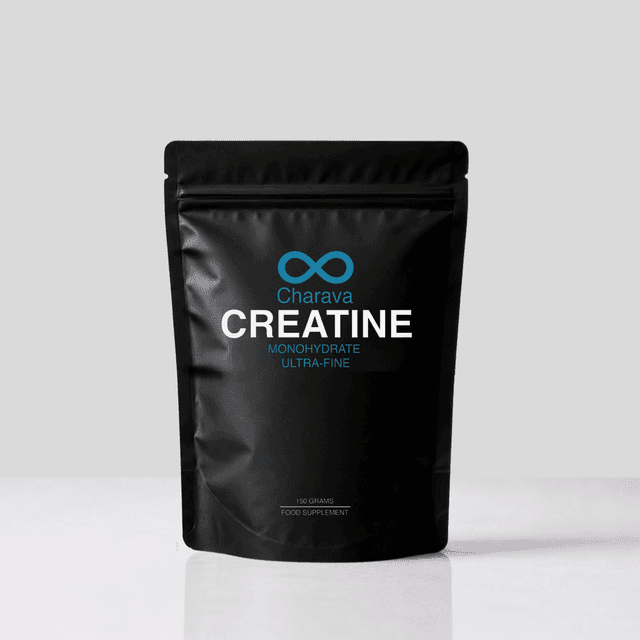 🎁 Charava Creatine - Ultra Fine (FREE)UKLG_CHARAVA · $0.00
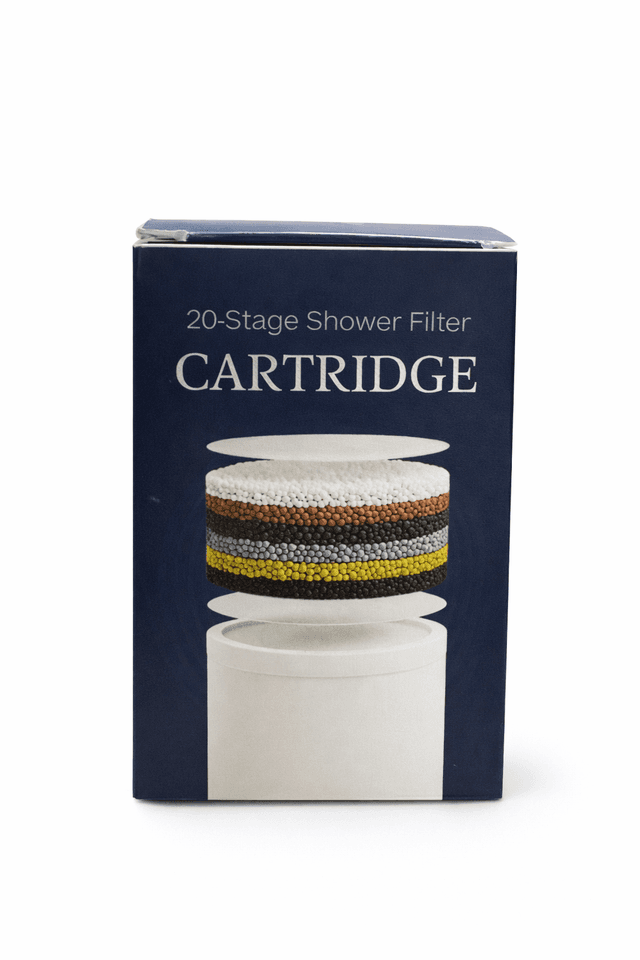 Filter Cartridge ReplacementVitality Cycles · $36.00
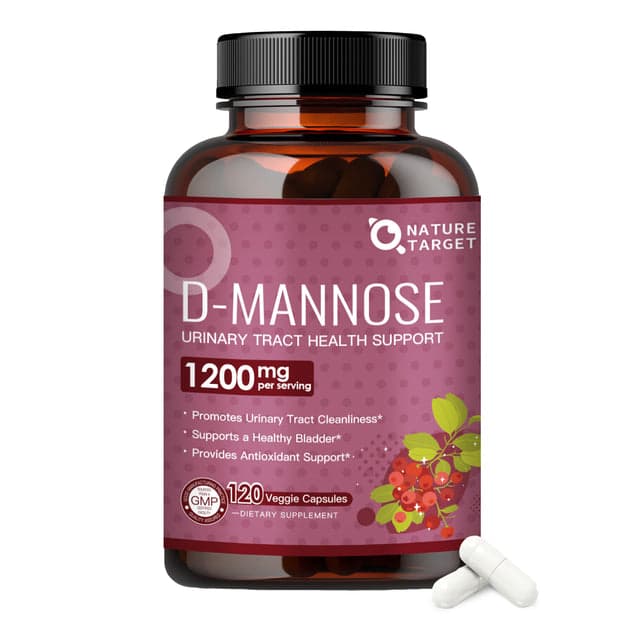 D-Mannose 1200mg + Cranberry Extract 50mg, Vcaps, 120 CountNature Target · $20.99
Separating Premium Quality From Budget Options
Premium supplements cost more for concrete reasons: third-party testing, cGMP-certified manufacturing facilities, higher-quality raw materials, and traceability from source to shelf. Budget options typically skip some or all of these steps. A premium multivitamin from a well-known brand might include NSF or USP certification, ingredient testing for potency and purity, documentation of supplier standards, and batch-specific quality reports. Budget versions often lack this infrastructure. However, price doesn't always reflect quality—sometimes you're paying for marketing. Independent testing websites like ConsumerLab and Labdoor publish side-by-side comparisons of products, including price versus actual ingredient accuracy. You can use these resources to find midrange options that perform like premium brands without the markup. Another quality indicator is manufacturing location: facilities registered with the FDA and following cGMP (current Good Manufacturing Practices) standards have documented quality control procedures and batch-to-batch consistency checks. Reputable retailers also signal quality—major pharmacies and supermarkets vet their suppliers more carefully than unknown online sellers. When comparing Vitality Cycles against cheaper alternatives, for instance, look at whether both products have third-party testing, not just the price tag. A supplement that costs $5 less but lacks verification might be a false economy if it doesn't deliver the stated dose or contains contaminants.
Getting the Dosage Right: Bioavailability and Absorption
A supplement's dose on the label doesn't mean your body absorbs it all—absorption depends on the form, your digestive health, and other factors. This is called bioavailability, and it's why some formulations cost more. Vitamin D3 (cholecalciferol) is absorbed better than D2 (ergocalciferol), so look for D3 on the label if you're buying vitamin D. Mineral supplements paired with other compounds, like magnesium glycinate or calcium citrate, absorb better than standalone minerals like magnesium oxide. Fat-soluble vitamins (A, D, E, K) require dietary fat to absorb properly, so taking them with a meal matters. Water-soluble vitamins (B and C) don't need fat. If you have digestive issues, you might need a different form: capsules dissolve fastest, tablets take longer, and some people tolerate softgels better. Nature Target's offering of tablets, softgels, capsules, and powder forms acknowledges that one form doesn't work for everyone. Powders give you dosage flexibility and often cost less per serving than pills. Check the label for the amount of time the supplement should take to dissolve; reputable brands list this. If you're buying supplements that need to stay stable—like probiotics or omega-3s—check storage instructions. Products requiring refrigeration signal that the manufacturer prioritizes potency over shelf convenience. Finally, take supplements at the optimal time: morning on an empty stomach for some, with food for others. The label should specify. If it doesn't, ask a pharmacist or look it up on independent review sites like ConsumerLab.
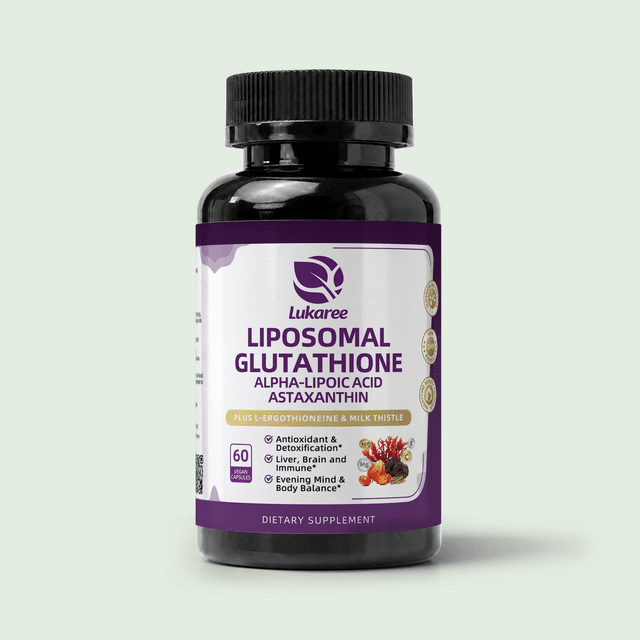 Liposomal Glutathione 500mg Complex • 60 CapsulesLukaree · $27.99
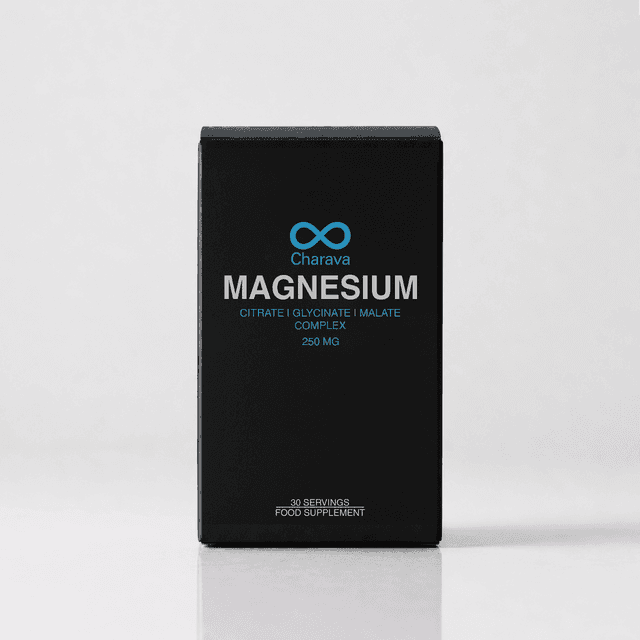 🎁 Magnesium Complex (FREE)UKLG_CHARAVA · $0.00
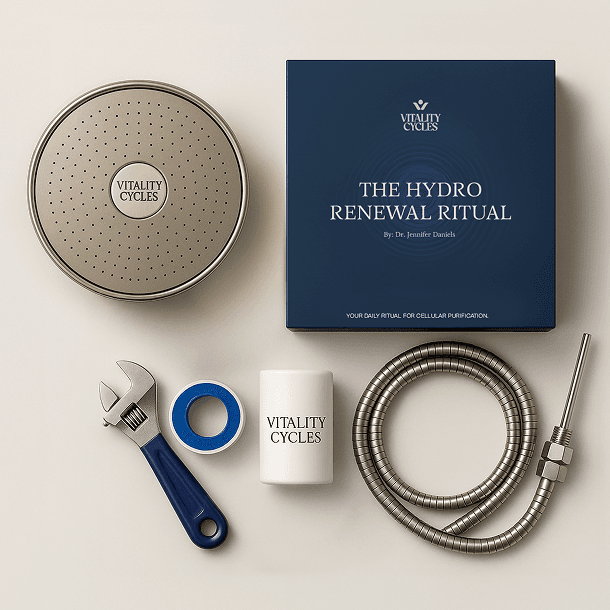 The Hydro Renewal Ritual Shower SystemVitality Cycles · $269.00
When Discounts Drop: How Much You Actually Save
Supplement prices fluctuate based on retail events. Big sales like Black Friday and New Year promotions typically offer 20-40% discounts, and seasonal sales around National Nutrition Month in March or summer wellness periods also cut prices. Subscription and auto-delivery programs from some retailers offer 5-15% savings if you commit to regular purchases. Bulk buying at warehouse stores like Costco can lower per-unit cost by 10-30% compared to single-bottle prices. However, discounts vary by brand and product, and a 20% discount doesn't make a counterfeit or untested supplement a good deal. Coupon codes from legitimate retailers usually cover 5-15% off, not dramatic slashes. Beware of deals that seem too good—a premium supplement at 70% off should raise questions about expiration dates, warehouse clearance, or counterfeit stock. Generic or store-brand supplements, if tested by a third party, often cost 30-50% less than name brands without sacrificing quality. Subscription services like those from major online retailers reward loyal customers but lock you into a specific product and delivery schedule, so only sign up if you're sure you'll use the product regularly. Newsletter signups from supplement brands sometimes unlock early access to sales or exclusive codes worth 10-15%. The realistic expectation is that steady discounts of 15-25% are common, but dramatic discounts warrant investigation. When comparing final prices, factor in shipping costs, which can erase online savings if you're not buying in bulk.
Common Comparison Mistakes Shoppers Make
One major error is comparing supplements by price alone without looking at dosage. A bottle that costs $10 but has half the active ingredient per serving is actually more expensive per dose than a $15 bottle. Read the Supplement Facts carefully and calculate cost per serving. Another trap is trusting meaningless certifications. Labels with generic stamps saying "quality tested" or "approved" without naming the testing organization mean nothing—these are marketing graphics, not real verification. Only NSF, USP, ConsumerLab, BSCG, and Informed Sport certifications carry weight. Many shoppers assume pharmacy staff can advise them, but most lack training on supplement risks and interactions with medications. Don't rely solely on in-store recommendations; research online and consult a pharmacist or doctor privately. Another mistake is buying supplements from unknown websites or social media ads without checking for business registration, reviews, or certifications. Counterfeit supplements exist, and some online sellers source from warehouses with no quality control. Comparing formulations across brands without checking the type of each ingredient leads to disappointment—generic vitamin C is not the same as liposomal vitamin C or vitamin C with bioflavonoids. One form absorbs better, but the label won't make this obvious unless you read the ingredient list closely. Finally, buyers often ignore allergen warnings and inactive ingredients, leading to hidden gluten, soy, or dairy exposure. Always scan the full ingredient list, not just the active ingredients. Taking time to read labels thoroughly prevents most comparison mistakes.
Avoiding Costly Supplement Mistakes
The biggest mistake is buying a supplement for a health problem without talking to a doctor first. Some supplements interact dangerously with medications—for example, St. John's Wort reduces the effectiveness of birth control and some antidepressants. Others can worsen existing conditions or cause toxicity at high doses. Always get medical clearance before starting anything new. A second critical error is believing marketing claims that promise to "cure," "detox," or "reverse" health conditions. Regulatory agencies prohibit these claims for a reason; if a supplement claimed to cure cancer, it would be a drug, not a supplement. Vague language like "supports immune function" is legal marketing, but "boosts immunity by 50%" is a red flag for an overblown claim. Never buy supplements labeled with extreme language like "miracle," "scientific breakthrough," or "guaranteed results"—legitimate products don't use this tone. Another costly mistake is buying more than you'll use. Supplements expire and lose potency over time, especially powders and liquids. Start with a single-month supply to test tolerance before committing to a year's worth. Buying from sellers with no return policy is risky; if a supplement causes side effects or doesn't work for you, you should be able to return unopened bottles. Reputable retailers and brands allow 30-day returns. Neglecting storage instructions wastes money too—vitamins stored in hot, humid bathrooms degrade faster than those kept in cool, dry places. Check expiration dates before buying, even at discount retailers; old stock might be cheaper but loses potency. Finally, avoid the trap of buying multiple supplements targeting the same issue when one quality product would suffice—five different "immune support" supplements don't work five times better than one proven formula. Simplify your routine and invest in tested, transparent products from brands you can verify, rather than a cabinet full of untested options.
Our top picks

Vitality Cycles60% off
Offers natural, quality-tested supplements and capsules for buyers seeking innovative wellness solutions with verified manufacturing standards.
Shop Vitality Cycles →15 Vitality Cycles coupons →
Nature Target65% off
Provides tablets, softgels, capsules, and powder forms, ideal for shoppers who want flexible formats and consistent supplement formulations.
Shop Nature Target →18 Nature Target coupons →
Lukaree60% off
Specializes in natural supplements for stress, detox, and immune health, suited to buyers seeking targeted wellness solutions without inflated pricing.
Shop Lukaree →16 Lukaree coupons →
UKLG_CHARAVA80% off
Offers a wide range of vitamins and supplements in multiple forms, perfect for buyers wanting variety and one-stop shopping for different health needs.
Shop UKLG_CHARAVA →19 UKLG_CHARAVA coupons →Frequently asked questions
Does the FDA approve supplements before they're sold?
No. The FDA does not evaluate supplement safety or quality before they reach consumers. Manufacturers are responsible for ensuring products are safe and accurately labeled. This is why third-party testing from organizations like NSF or USP is so important—it provides independent verification.
What third-party certifications should I look for?
The most reliable certifications are NSF, USP (United States Pharmacopeia), ConsumerLab, BSCG (Banned Substances Control Group), and Informed Sport. These organizations test for ingredient accuracy, potency, and harmful contaminants like heavy metals and bacteria. Generic labels saying "quality tested" without naming a specific certifier are meaningless.
Should I buy the cheapest supplement I can find?
Not necessarily. Ultra-cheap supplements often skip third-party testing and quality control, meaning you're gambling on accuracy and safety. Mid-range products from reputable brands with certifications usually offer better value than budget options. Store-brand generics can be safe if they carry a third-party seal and match the ingredient quality of premium brands.
- https://www.healthline.com/nutrition/how-to-choose-high-quality-vitamins-and-supplements
- https://fullscript.com/blog/third-party-certifications
- https://www.opss.org/article/why-third-party-certification-important-dietary-supplements
- https://www.consumerreports.org/health/supplements/how-to-choose-supplements-wisely-a2238386100/
- https://thedollarstretcher.com/stretch-budget/personal-care/save-on-vitamins/