
Why budget craft hunting matters this season
Craft hobbyists face rising material costs, but smart buying cuts spending by 30–50% without sacrificing the final result. More crafters are working small-batch or seasonal projects, which means buying exactly what you need rather than bulk stock. Online retailers now offer transparent material specifications, making it easier to spot which budget brands hold up and which don't. The shift toward sustainable and reused materials has also lowered entry costs—cardboard, cork, and recycled glass are now recognized as premium materials in their own right, not just cheap fillers. Seasonal sales now cluster around back-to-school (July–August) and holiday prep (September–October), with genuine discounts running 20–40% on staple items like acrylic paint, brushes, and yarn. Understanding these timing patterns and knowing which specifications to read on product labels helps you avoid the false economy of buying cheap items twice.
Specs and materials that actually matter for durability
Three things separate a good budget buy from a waste: material composition, bristle or fiber quality, and weight or thickness. For paint and brushes, synthetic bristles cost less than natural hair but can still deliver clean strokes if the filament count and diameter are right—look for brushes labeled with 'fine point' or 'synthetic blend' rather than single-material descriptions. Yarn quality hinges on ply count (higher ply resists pilling) and fiber content; acrylic yarn is cheaper and durable, but blends that include nylon or wool core are more resilient over time. For resin and epoxy supplies, a 1:1 mixing ratio signals a beginner-friendly formula, but check the pot life and cure time—longer working windows let you fix errors. Cardstock and cork are judged by weight (gsm or thickness) and finish type (matte, gloss, or textured); heavier stock holds folds and cuts without crumpling. Paint formulas matter most: cheaper acrylics have lower pigment density, so they need more coats and fade faster. When shopping, ignore brand prestige and read the back of the package instead. Brands like Nicpro offer detailed specs on their own-label tools, making it easier to compare without guessing. Check whether a product states 'non-toxic' or 'acid-free' if longevity matters—these certifications cost slightly more upfront but prevent deterioration.
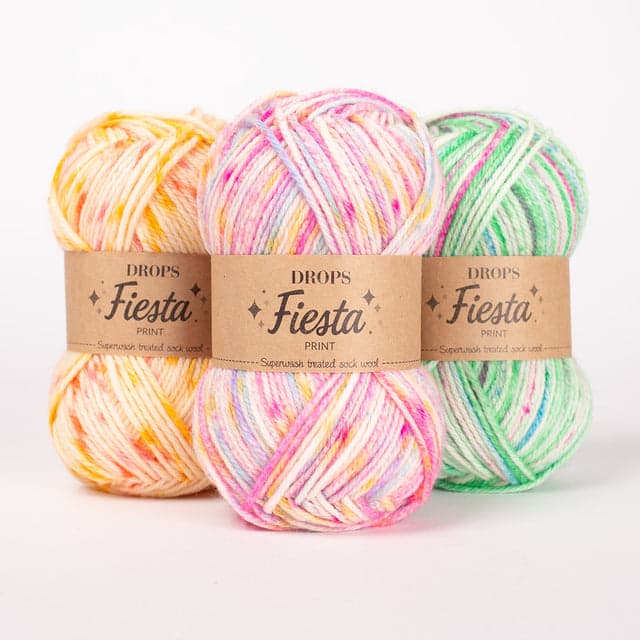 DROPS FiestaVILRITA · $2.90
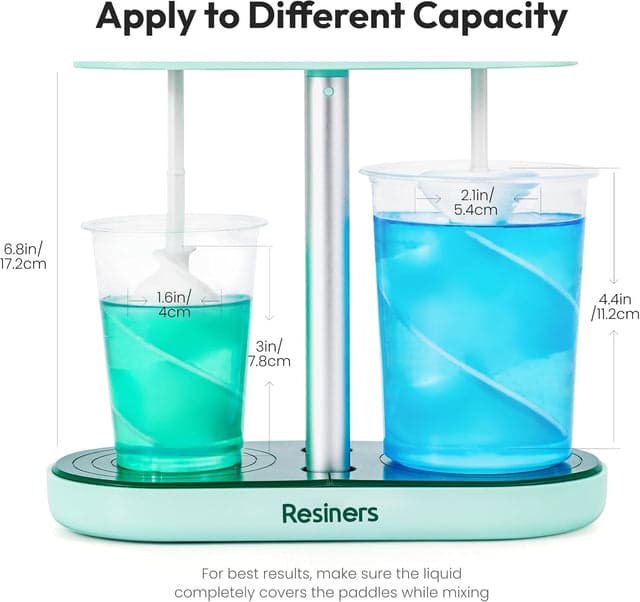 Resiners® Mixer PaddlesRESINERS · $16.99
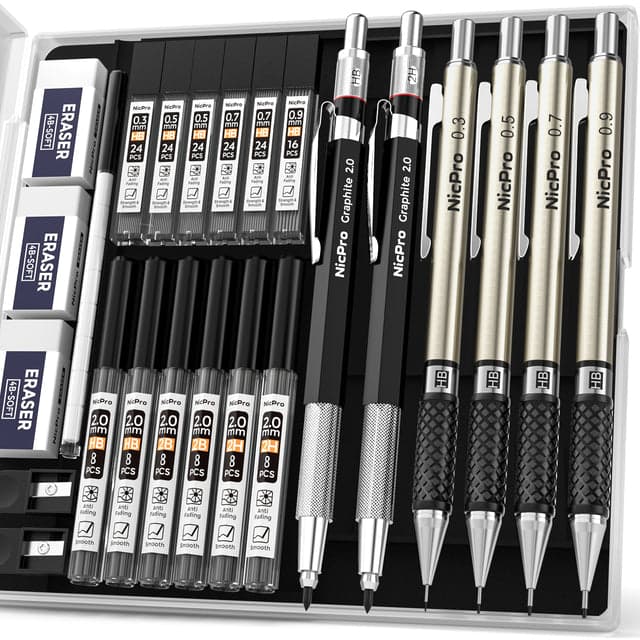 Nicpro 6PCS Art Mechanical Pencil Set, 4 PCS Metal Drafting Pencil 0.3mm & 0.5 mm & 0.7 mm & 0.9 mm & 2 PCS 2mm Lead Holder (2B HB 2H) For Sketching Drawing WitNicpro · $16.99
Where it's safe to save money vs. where to invest
Not all budget cuts are equal. Skip expensive packaging and branding—store-brand cardstock works identically to premium versions. Pass on specialty tool sets with 50+ pieces you'll never use; instead, buy a lean set of core sizes and add later. Synthetic brushes and basic acrylic paints are fine trade-offs; you won't notice the difference until you're an advanced painter. However, invest in quality in three areas: adhesives (cheap glue fails mid-project and wastes other materials), mixing and measuring tools for resin (wrong ratios ruin batches), and scissors or cutting mats (dull scissors shred fabric and card, costing more in wasted material). Elastic, thread, and fasteners should be sturdy—these hidden elements break projects if they snap. Yarn quality also matters more than paint does; tangled, fragile yarn frustrates beginners and teaches bad technique. For resin art, the mold quality and curing tools (like a UV lamp) justify the cost because mistakes cost more in wasted resin. Budget brands like VILRITA sell yarn and accessories at low prices, making them ideal for testing techniques before upgrading. Do buy basic versions of specialty supplies like wicks or fragrance oils from Village Craft & Candle if you're experimenting; their bulk pricing means you're not overpaying to try something new. Skip premium packaging, avoid combo kits with items you don't need, and never buy the 'deluxe' version of a beginner tool.
Which brands fit your craft and budget
Different crafters need different solutions. If you're building miniature dioramas or dollhouses, CUTEBEE sells ready-to-assemble kits that bundle materials you'd spend more buying separately. For modular miniature scenes with themed elements, Lumibricks offers sets in categories from The Old West to Cyberpunk, letting you choose exactly what era suits your project. Resin artists and epoxy beginners should look at RESINERS, which specializes in resin-specific tools and supplies; their curing machines and starter kits are priced for hobbyists, not professionals. For laser-cut and personalized designs, Cuttle Labs provides a design-to-production workflow if you're making ornaments, cake toppers, or keychains without owning a laser cutter. For painters and sketchers, Nicpro bundles mechanical pencils, brushes, pens, and epoxy in starter sets that give you breadth without waste. If your craft is knitting, crochet, or needle work, VILRITA carries yarn and needles at tight price points; their kits and bundles help beginners avoid buying wrong gauges. Yarn crafters on a very tight budget benefit from their EUR 2–11 range, which is genuinely affordable without sacrificing ply or dye quality. For paint-by-numbers enthusiasts, Art of Paint by Numbers offers custom options alongside standard kits, with regular discounts making premium quality accessible. Match your craft type first, then narrow by price range within that brand—don't force a generic bundle to fit your project.
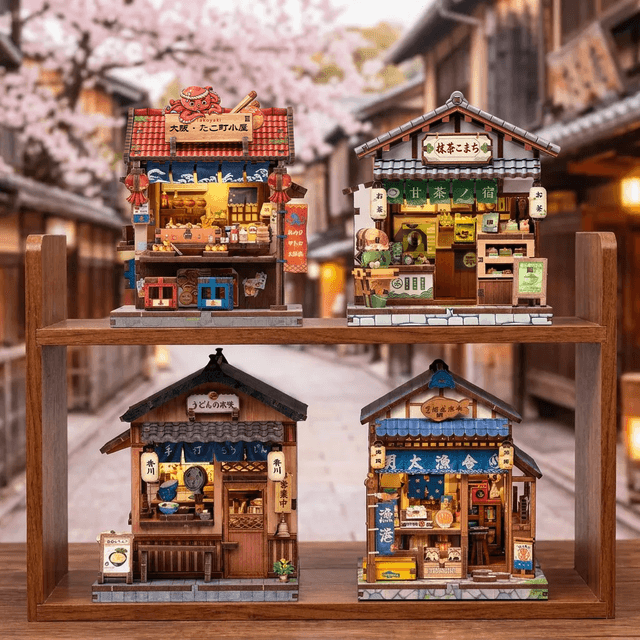 CUTEBEE Mini Store Series | Japanese Mini Store SeriesCUTEBEE · $19.99
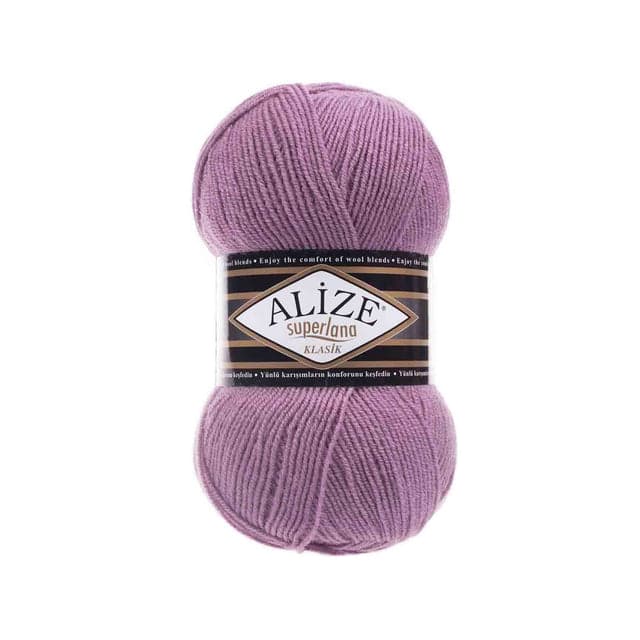 Alize Superlana KlasikVILRITA · $3.65
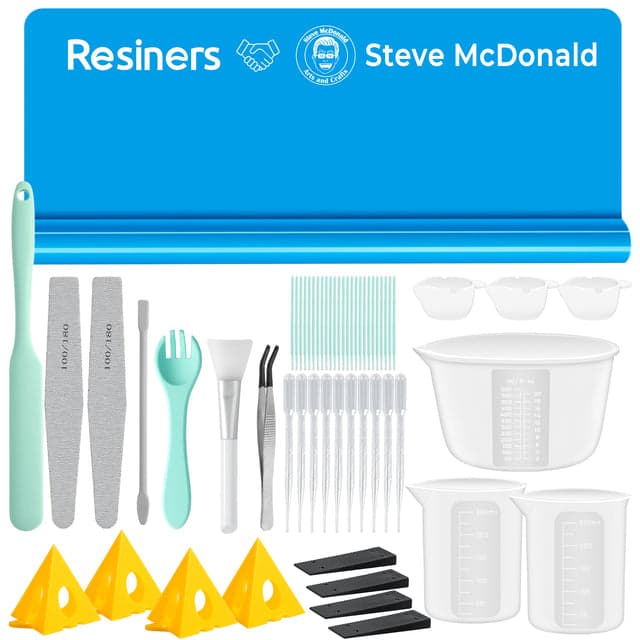 Resiners & Steve Resin Tools SetRESINERS · $29.99
Quality markers: how to spot a genuine bargain
A true bargain has three hallmarks: material transparency, realistic pricing, and positive durability feedback. Brands that list fiber content, bristle count, mixing ratios, or pigment information are taking quality seriously; if the label says nothing, assume the worst. Prices that seem impossibly low usually mean synthetic materials or filler contents—$5 for a 100-piece brush set is a red flag, but $15 for a 14-piece set is reasonable. Read buyer reviews that mention 'holds up after months' or 'survived repeated use,' not just 'looks pretty in the box.' Avoid reviews on manufacturer sites, which filter out harsh feedback; third-party retailer reviews are more honest. Village Craft & Candle items like wicks, wax, and fragrance oils sit in the CAD 5–839 range—the spread is huge, but that's because they serve hobby candle makers (cheap starter wax) and semi-professional operations alike. Honest pricing like that signals real market competition, not artificial budget branding. Lumibricks kits at USD 30–170 reflect genuine model complexity, not mark-up games. If a brand's price range is suspiciously narrow—everything $10–12, regardless of type—suspect quality shortcuts. Good bargains come from matured products (resin kits, basic paint sets) that have been refined through thousands of buyers, not experimental formats. Check whether the brand offers bulk or bundle discounts; Nicpro's combo packs are cheaper per item than singles, showing they understand volume pricing. Lastly, trusted craft retailers like Michaels or Joann often sell branded products cheaper during seasonal sales; shopping there rather than direct often beats the 'budget brand' itself.
Sizing, quantity and format: getting it right the first time
Beginner mistakes often start with scale. Yarn weight matters hugely—don't buy fingering-weight yarn for a chunky blanket, and don't buy bulky yarn for a fine shawl. If you're unsure, buy a small skein (50g is a low-risk trial size) before committing to a full project. VILRITA's smaller packs let you test gauge and color without waste. For paint, acrylic comes in student (high water content, lower pigment) and artist grades; student-grade is a reasonable budget choice for practice, but be honest about whether you're learning or creating finished pieces. Brush size follows the same rule: buy a few core sizes (rounds #6–8, flats #10–12) rather than a full range. Resin quantities are easier because kits specify their yield; a 16oz starter kit from brands like RESINERS makes roughly 10–15 small pendants or coasters, so calculate your project count before buying. Card and paper stock matters by weight and finish; 80gsm card is thin and folds cleanly but creases easily; 250gsm is thick enough for dimensional projects. Buy samples or small packs first if you're unsure. Cork sheets are sold by thickness (3mm, 5mm, 10mm) and area—a single 30×30cm sheet costs £2–5, so measure your project space before ordering five sheets. Miniature kits like those from CUTEBEE or Lumibricks clearly state the final size; don't assume 'small' means desk-sized if you want a shelf display. For fragrance oils and wax from Village Craft & Candle, a 5ml fragrance sample costs around CAD 5–10, while bulk bottles (30–50ml) are CAD 20–40—know your pouring volume before buying. Thread and yarn come in specific yardage; a 50g ball of sport-weight yarn is roughly 180 yards, enough for one pair of socks but not a sweater. Honest product descriptions state yardage, weight, and finished dimensions; if they don't, email the retailer or assume the worst. Buying the wrong quantity wastes money faster than buying premium materials.
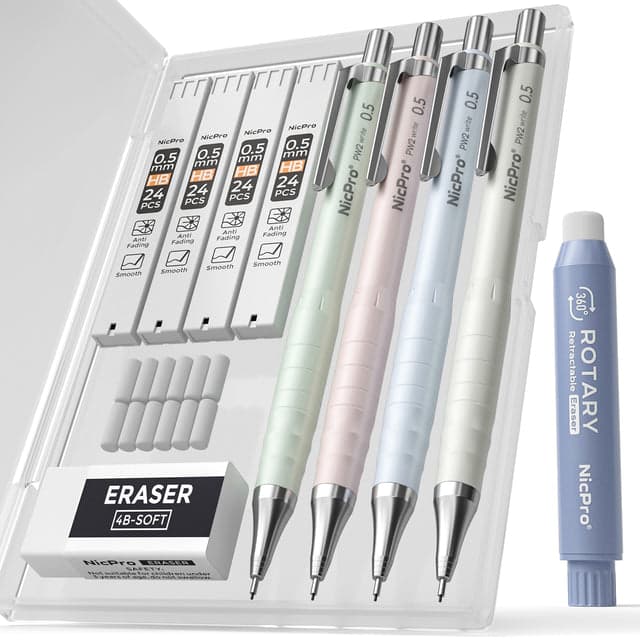 Nicpro Cute Mechanical Pencil Set, 4PCS 0.5mm Pastel Drafting Pencils with 4 Tube HB Lead Refills, 4B Erasers, Rotary Retractable Eraser and Eraser Refill for WNicpro · $12.99
 CUTEBEE X The Little Prince | Promise in the Wheat FieldCUTEBEE · $39.99
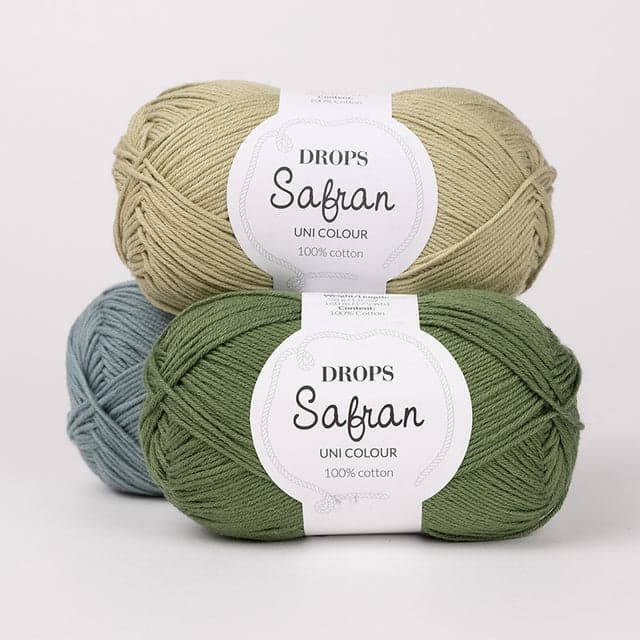 DROPS SafranVILRITA · $1.85
Timing discounts and what coupons realistically save
Craft supply sales follow predictable patterns. Back-to-school season (July–September) brings 20–40% off paint, paper, markers, and brush sets because retailers stock up for students. Holiday prep (September–November) discounts miniatures, beads, and decorative items. January clears winter inventory and marks markdown season for everything. Seasonal brands also hold sales at the end of their relevant season—summer craft items drop in late August, winter crafts in early January. Newsletter subscriptions often unlock an immediate 10% welcome discount and early access to sales; most major craft retailers offer this. Loyalty programs and military discounts run 15–30% year-round at chains like Michaels and Joann. However, coupons rarely cover everything. Most stack restrictions mean you can't combine a 30% off coupon with a bundle discount. Discount codes from brand websites (not coupon sites) are usually genuine and stackable, but they often come with minimum order values (USD 50+) that push you to buy more than you need. Bulk purchases from suppliers like Amazon or craft wholesalers sometimes beat seasonal sales because volume pricing is built in, not promotional. For high-value items like laser cutters or resin kits, waiting for holiday sales (Black Friday in November, Boxing Day sales in Canada) can save 25–35%. For low-price items under $20, seasonal sales rarely shift the savings meaningfully; buy when you need them rather than hoarding. Coupon codes typically cover 10–20% of the stated price, but they exclude sale items, making the discount less impressive than advertised. Set price alerts on items you plan to buy within three months; this is smarter than hoping a random sale lands. Loyalty points from repeat shopping are often worth 2–5% in free products later, making them better than one-time coupons for habitual crafters.
Common comparison mistakes and what to actually look for
The biggest error is comparing price alone. A $10 paint set and a $30 set differ in bristle count, pigment quality, and included colors—dividing the total price by the item count misses these factors entirely. Instead, compare cost per function: if one brush set gives you 3 rounds and one flat, and another gives 2 of each, the second is cheaper per brush size, not per item. Buyers also conflate 'budget' with 'beginner,' assuming cheap materials suit learners. In reality, frustrating tools teach bad technique—dull scissors and weak glue waste more money in failed projects than premium versions cost. Another trap is ignoring material specs because a familiar brand name feels safer. A expensive yarn from a big label might be lower-ply than a cheap VILRITA bundle—check the actual specifications, not the packaging prestige. Resin kits fool comparison shoppers through bundling tricks: one kit might include molds and pigment while another includes tools and curing powder at the same price. Count what you actually need before buying, not what sounds comprehensive. Buyers also trust customer reviews without reading beyond the star rating; a five-star review on a manufacturer site differs wildly from a three-star review on an independent retailer where people report longer-term durability. Always read the lowest-rated reviews first to spot patterns. Geographic sourcing also matters but is often ignored. Items from overseas suppliers sometimes arrive damaged or with unclear instructions; domestic suppliers cost more but offer quicker returns if something fails. For brands serving global markets like CUTEBEE or Lumibricks, check the shipping cost and warranty terms alongside price. Lastly, avoid the 'everything I might need' trap—bundled mega-kits with 100+ pieces waste money on items you'll never use. Start lean, add later as your skills and project scope grow. This approach costs less overall and forces you to choose quality over quantity in each category.
Mistakes to avoid: waste, wrong material choice, and cheap false economies
The costliest craft mistake is buying before learning the basics. Beginners often purchase full paint sets, fine-tip markers, and specialty tools before trying a single project; half the stuff sits unused. Instead, take a free online tutorial first, then buy only what that project needs. The second mistake is believing a bargain applies universally. Cheap yarn is fine for practice blankets, but a cheap yarn for a visible garment shows pilling and wear after one season—false economy because you're replacing it. Cheap resin succeeds for coasters but fails for jewelry where cure clarity matters. Match the material grade to the visibility of your finished project, not your budget. The third mistake is underestimating adhesive and fastener quality. Buying $1 glue to save money on a $20 project is backwards; bad glue fails within weeks and ruins the entire piece. Similarly, cheap thread snaps mid-seam, and fragile yarn unravels during knitting. These hidden elements determine success, so never skimp. A fourth mistake is buying oversized kits when smaller, focused sets exist. The 200-piece craft kit sounds like a deal until you realize half the items are duplicates or wrong formats for your project. Brands like Nicpro, VILRITA, and RESINERS offer focused bundles for specific crafts; start there rather than hunting general mega-kits. Fifth mistake: ignoring storage when calculating true cost. Budget paints and brushes degrade if stored in heat or humidity; buying cheap supplies that dry out in storage wastes more money than paying slightly more for stable, sealed packaging. Sixth mistake is not reading labels for non-toxic or safety certifications. The cheapest craft supplies often skip safety testing; if you're gifting work to children or selling it, cheap materials open you to liability and returns. A seventh mistake is overbuying before testing technique. Buy a small skein of VILRITA yarn before buying five skeins; order a small resin kit from RESINERS before investing in a full production setup. Testing phases save money by eliminating waste on failed projects. Finally, resist the urge to collection-build. Craft supplies are consumables, not collectibles; buying 20 acrylic colors when you use 5 is waste, regardless of sale price. Start minimal, expand only when you've exhausted current stock. This discipline keeps spending tight and forces thoughtful purchasing.
Our top picks

VILRITA50% off
Yarn and knitting supplies at EUR 2–11 price points, ideal for testing techniques and small projects without overcommitting budget on one fiber type or gauge.
Shop VILRITA →18 VILRITA coupons →
RESINERS50% off
Resin art kits and curing machines designed for DIY hobbyists, offering beginner-friendly formulas and clear instructions at realistic hobby-level costs.
Shop RESINERS →18 RESINERS coupons →
Nicpro65% off
Affordable bundles of brushes, pens, mechanical pencils, and epoxy supplies with transparent specs, suited for painters and sketchers starting on a tight budget.
Shop Nicpro →17 Nicpro coupons →
CUTEBEE38% off
DIY miniature kits and dollhouse supplies that bundle materials, reducing waste by providing exactly what one project needs without forced bulk buying.
Shop CUTEBEE →16 CUTEBEE coupons →Frequently asked questions
Is budget acrylic paint really worse than premium brands?
Budget acrylic has lower pigment density, so it needs extra coats and may fade faster over years. For practice or projects hidden indoors, it's fine. For gifts or display pieces, artist-grade paint justifies the cost. Always check the pigment percentage on the label rather than trusting the price.
When should I buy craft supplies to get the best discount?
Back-to-school (July–September) and holiday prep (September–November) offer 20–40% off paint, paper, and brushes. January clears seasonal stock. However, genuine coupons stack caveats; small items rarely save enough to justify waiting. Buy high-value resin kits or miniatures on Black Friday.
How do I know if a budget yarn or fiber will hold up?
Check the ply count—higher ply resists pilling. Read reviews mentioning 'held up after months' rather than 'looked nice in the package.' Fiber content matters too: acrylic is durable and cheap; wool blends cost more but last longer. Test a small skein before committing to a full project's worth.