
What's Changed in Craft Supplies This Season
The craft supply market has shifted toward modular kits and starter bundles that let beginners build skills gradually without buying everything at once. Many suppliers now prioritize beginner-friendly instructions, better component quality in entry-level products, and clearer labeling about skill requirements. Reviews and customer feedback have become more influential in buying decisions, as beginners increasingly check real user experiences rather than relying solely on product descriptions. Online platforms have made specialty materials like resin, precision die-cutting, and miniature crafting more accessible to people starting out. The trend emphasizes learning through doing with forgiving materials rather than investing heavily upfront in tools and supplies you might not use again. Quality mid-tier brands are gaining ground against both budget basement options and expensive professional-grade supplies, because beginners need reliability without the price premium of art-studio equipment.
How to Choose: The Specs That Actually Matter
Start by identifying the specific craft you want to try—paper crafts, painting, sewing, miniatures, yarn work, or resin projects each require different core supplies. Once you know your direction, focus on material type over brand prestige. For paper work, look for acid-free cardstock that won't yellow; for paints, check coverage claims and whether the formula is water-based or oil. Adhesives matter more than many beginners realize: wrong glue will cause projects to fail, so match the glue type to your materials—wood glue for wood, fabric glue for textiles, general-purpose for paper. For cutting tools, a sharp, sturdy pair of scissors beats a cheap multi-tool. Brush quality affects painting outcomes, so bristles should be even and hold their shape when wet. Storage capacity is worth considering from day one; even a small organizer prevents lost supplies and damaged materials. Read product labels carefully for safety certifications, non-toxic markings, and storage instructions. Brands like Nicpro offer a range of tools for different projects, from brushes to pencils, so you can match the tool quality to your chosen craft.
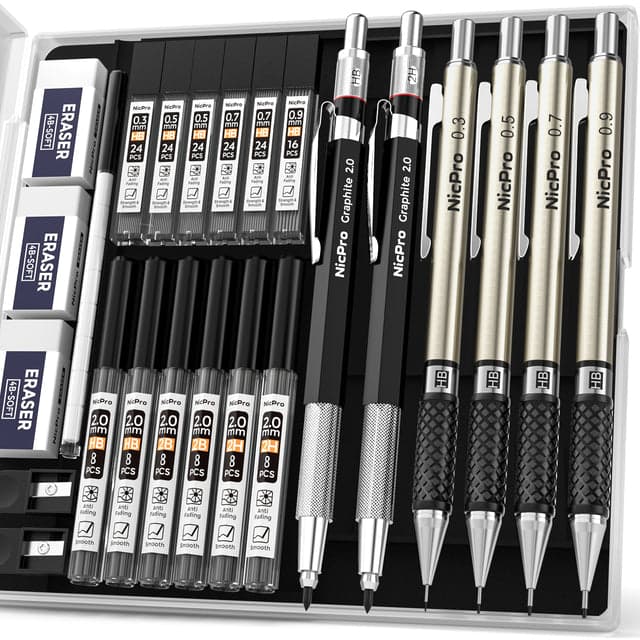 Nicpro 6PCS Art Mechanical Pencil Set, 4 PCS Metal Drafting Pencil 0.3mm & 0.5 mm & 0.7 mm & 0.9 mm & 2 PCS 2mm Lead Holder (2B HB 2H) For Sketching Drawing WitNicpro · $16.99
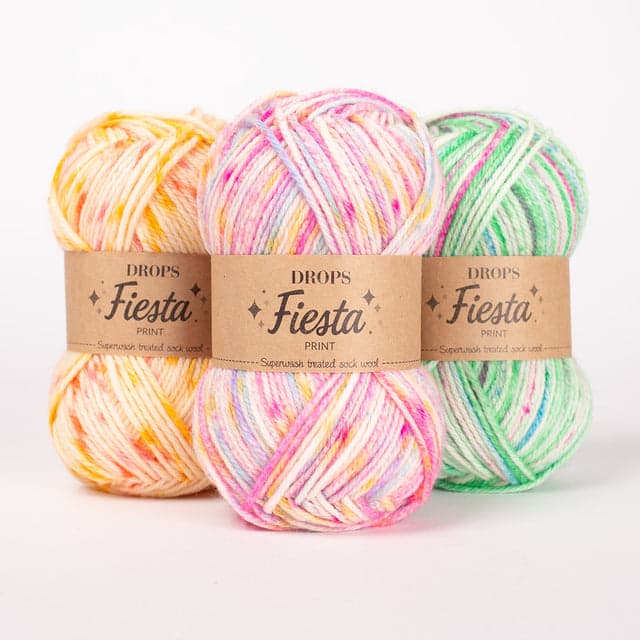 DROPS FiestaVILRITA · $2.90
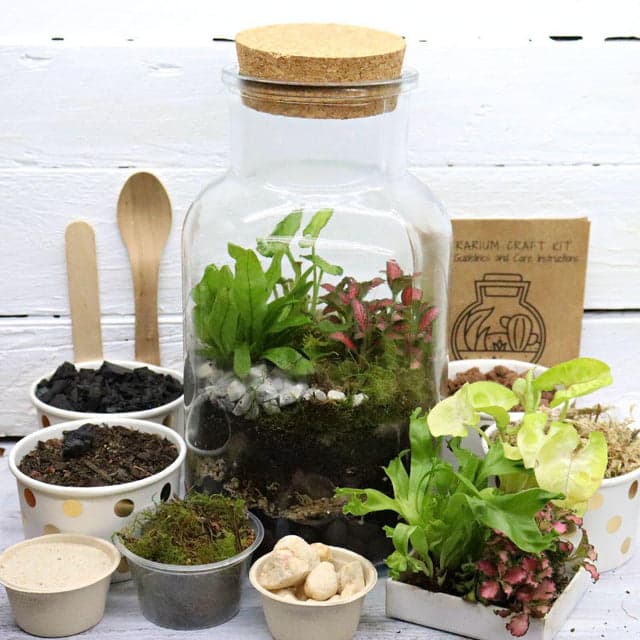 DIY Woodland Cork Terrarium Gift SetFlower and Twig Nursery · $120.00
How to Choose: Trade-Offs and What You Can Skip
You do not need a professional-grade die-cutting machine on day one; a simple hand-held tool or craft knife works perfectly fine while you learn. Premium embellishments like specialty papers or high-end ribbons can wait until you have a clearer sense of your style. You can skip expensive storage solutions initially—shoe boxes and jars work fine until your collection outgrows them. Specialty brushes are not essential at the start; a basic mixed-set gives you enough range to experiment. You do not need every color in a paint or pencil set; a smaller selection forces creative mixing and teaches color theory naturally. Cutting mats are helpful but optional if you protect your work surface with scrap cardboard or old fabric. Multi-tool sets that claim to do everything often do nothing well; single-purpose tools are more reliable. Brand loyalty is a trap for beginners—mid-range supplies deliver good results without premium pricing. Where you should not skimp: scissors (dull blades waste time and frustrate), glue (cheap adhesive causes failure), and organization (a chaotic supply drawer kills motivation). VILRITA offers yarn and accessories at accessible price points, good for crafters exploring fiber arts without major upfront cost. You can always upgrade specific items later as your skills and preferences clarify.
Which Brands Suit Which Kind of Buyer
Beginners drawn to painting, drawing, and mixed-media work should look at Nicpro, which sells brushes, pens, paints, and mechanical pencils in sets tailored to different skill levels and project types. Those interested in DIY miniature projects and dollhouse kits should explore CUTEBEE, which specializes in beginner-friendly miniature dollhouse collections and DIY book nook kits that teach spatial design and assembly skills. Crafters focused on fiber arts and knitting can start with VILRITA, which carries yarns, knitting needles, and accessory kits at entry-level prices, making it easy to try the craft without heavy investment. For resin art enthusiasts, RESINERS offers beginner resin kits and tools; their resin curing machines simplify a craft that typically requires careful timing and temperature control. Crafters interested in laser-cut projects and personalized items can explore Cuttle Labs, which offers web-based design tools for ornaments, cake toppers, and keychains. Those focused on terrariums and plant-based crafts should consider Flower and Twig Nursery, which supplies DIY terrarium kits, plants, and decorative elements for beginners. Candle makers and wax-craft enthusiasts can explore Village Craft & Candle, which sells wax, wicks, containers, fragrance oils, and complete starter kits. The choice depends on which craft appeals to you most; each of these brands focuses on their niche rather than trying to cover everything, which makes their starter kits more coherent and complete.
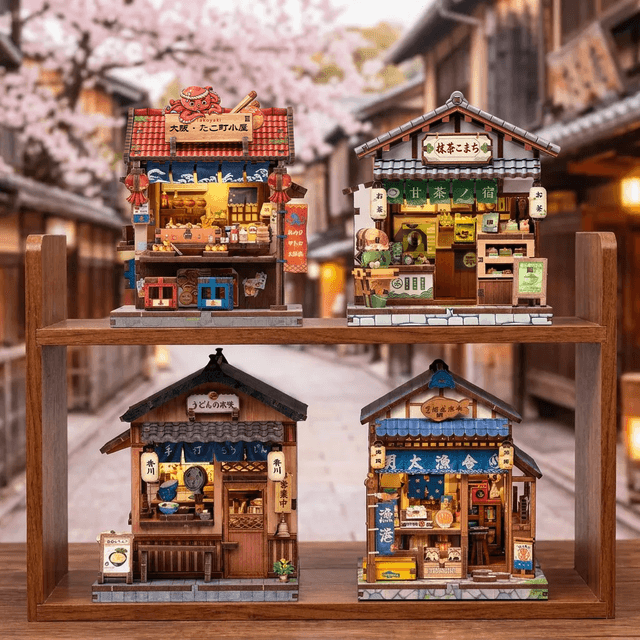 CUTEBEE Mini Store Series | Japanese Mini Store SeriesCUTEBEE · $19.99
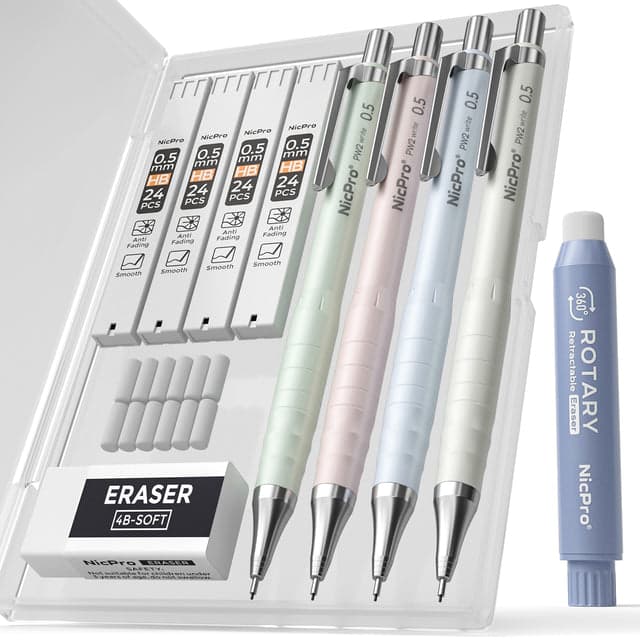 Nicpro Cute Mechanical Pencil Set, 4PCS 0.5mm Pastel Drafting Pencils with 4 Tube HB Lead Refills, 4B Erasers, Rotary Retractable Eraser and Eraser Refill for WNicpro · $12.99
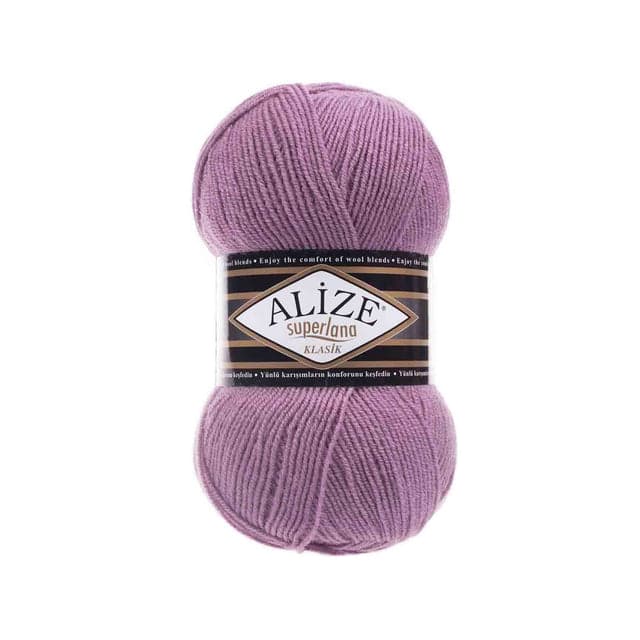 Alize Superlana KlasikVILRITA · $3.65
Quality and Value: What Separates Good from Cheap
A quality starter kit includes complete instructions, all necessary materials, and tools that work reliably on the first attempt. Cheap kits often omit tools, substitute lower-grade materials, or pair complex instructions with poor visuals. Good supplies perform predictably, so you spend less time troubleshooting and more time actually making; when you trust your materials, you're more willing to experiment. Mid-tier brands deliver better results than bargain options for only slightly more money, because they use materials that behave as expected. Acid-free, archival-quality materials cost more but preserve your finished projects; yellowing cardstock or faded paint defeats the purpose of keeping your work. Look for quality markers: "non-toxic" certification, clear labeling of material composition, and honest skill-level recommendations. Premium supplies marketed as "artist-grade" or "professional" carry price premiums that beginners don't need to pay. Many independent reviewers note that Nicpro brush sets offer surprisingly good performance for the price, striking a balance between budget options and expensive art-studio brands. Higher-quality glue, tape, and fasteners prevent projects from falling apart weeks later. Good storage containers protect materials and make the workspace feel organized, which itself boosts motivation. Value is not the lowest price; it's getting reliable materials that produce decent results without requiring expertise or extensive trial-and-error.
Sizing, Fit, or Capacity: Getting It Right
Choose a kit or supply set that matches the space you actually have available. A massive craft organizer looks impressive but takes up precious room in an apartment or small workspace. Starter kits typically include supplies for three to five projects, which is realistic for someone still learning whether they enjoy the craft. Brushes come in various bristle widths; narrow brushes suit detail work and painting fine lines, while broader brushes cover larger areas faster. Paper pads usually contain 24 to 50 sheets; beginners rarely need more without knowing if they'll stick with the craft. Paint sets range from 12 to 100 colors; 24 colors give enough variety for learning while keeping storage manageable. Needle assortments for sewing come in different size ranges; medium-sized needles work for most beginner fabrics, while fine needles suit delicate materials. Yarn weight matters: bulky yarn works up faster and hides mistakes better, while thin yarn produces finer detail but requires more precision and patience. Scissors come in standard adult sizes and smaller versions; your hand size determines comfort and control. Cutting mats are typically 12x18 inches or 18x24 inches; bigger is not always better if you're working at a small table. Lumibricks offers miniature building kits in various themes and scales; check the finished size before buying to ensure it fits your display space. Kit instructions always specify the final project dimensions, so you know in advance whether a finished piece will fit in your space or on display shelves. Container capacity matters: too small and you feel crowded, too large and you waste money on empty space. Match quantities to your predicted output; a beginner rarely needs 500 beads of one color.
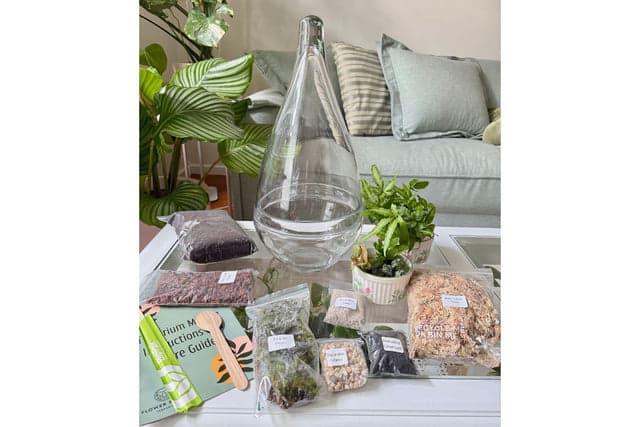 Fern Haven DIY Terrarium KitFlower and Twig Nursery · $160.00
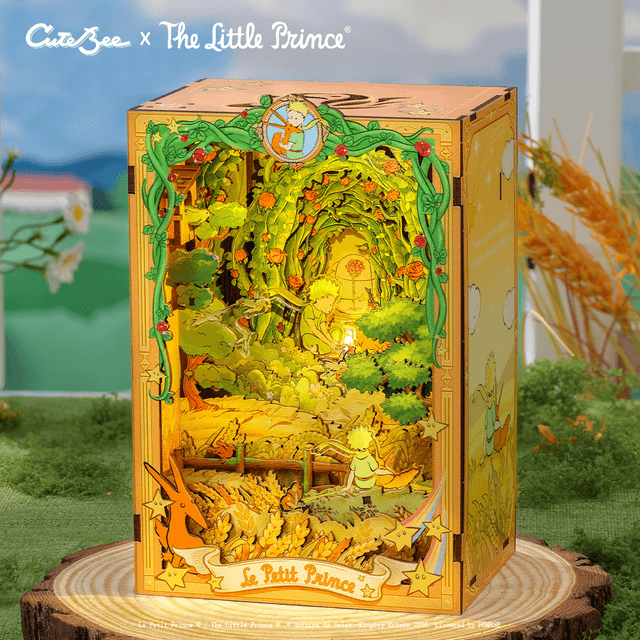 CUTEBEE X The Little Prince | Promise in the Wheat FieldCUTEBEE · $39.99
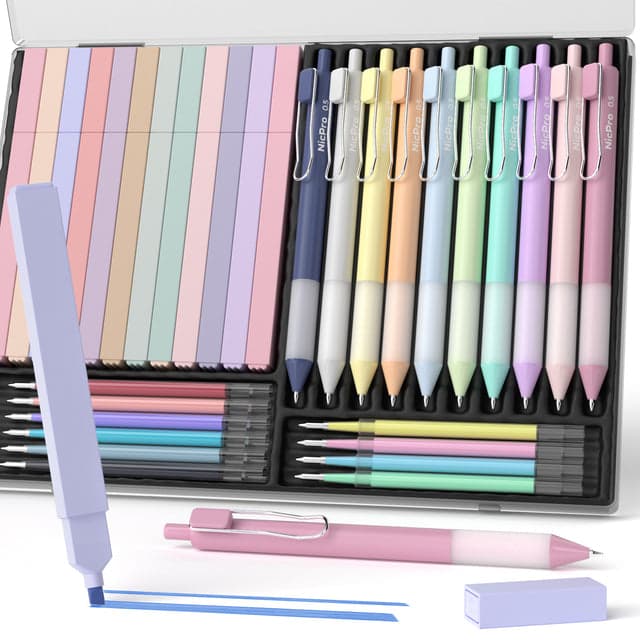 Nicpro 33PCS Aesthetic Highlighter and Gel Pen set with Case, 12 Bible Highlighters & Cute Pens Refills With Soft Ink & Tip, No Bleed Quick Dry for Bible Study Nicpro · $15.99
How to Save Money: When Discounts Apply and What They Cover
Starter kits almost always offer better per-item value than buying supplies individually, because bundling cuts packaging and logistics costs. Seasonal sales occur around major holidays, with spring seeing discounts on garden-themed crafts and autumn featuring deals on textured materials and warm-toned supplies. Bulk purchases of single items—like buying a larger pencil set rather than individual pencils—typically cost less per unit, though beginners should resist this temptation unless certain they'll use everything. Coupons often exclude sale items or apply only to full-price merchandise, so check terms carefully. Loyalty programs with major craft retailers offer points on every purchase; beginners who plan to expand their supplies eventually should join these programs early. Online retailers frequently offer first-time buyer discounts, typically 10-20 percent, so consider starting your craft journey there. Subscription boxes can reduce costs if you commit long-term, but monthly commitments suit only crafters certain about their preferred projects. Thrift and secondhand options work for tools—vintage scissors and storage boxes cost far less than new—but always buy fresh materials like paint, glue, and adhesive tape. Buying in off-season saves money; purchase winter-themed supplies in summer and vice versa. Many discount codes cover starter kits and bundles but exclude individual premium items, so read the fine print before assuming any deal applies to what you want. Realistic discounts range from 10-25 percent for most beginner kits; claims of 50 percent or more usually mean the original price was inflated or the code applies only to select categories.
Where People Go Wrong Comparing Options
The biggest comparison error is focusing on price alone without checking what's included; a cheaper kit might be cheaper because it omits tools or includes fewer materials, not because it's better value. Beginners often compare professional-grade supplies against beginner kits, then feel frustrated when they can't match the product photos, which show experienced crafters' work, not what a first-time maker should expect. Many overlook the skill level required; an "advanced" resin casting kit will cause frustration for someone starting out, even if it costs less than a proper beginner option. Brand reputation is not a reliable guide for beginners; a well-known art-supply brand might not excel in every category, and smaller brands often deliver better value in specific niches. Reading only positive reviews is misleading; detailed criticism about what's missing or what doesn't work reveals practical concerns that marketing copy won't mention. Comparing across different craft types wastes time; the best cardmaking kit is not necessarily the best painting set. Many shoppers ignore instruction quality, assuming all kits explain things clearly; vague steps and poor visuals cause more beginner frustration than material quality. Some compare kits by item count alone, missing that five excellent tools outperform twenty cheap substitutes. Storage and organization are rarely considered until after purchase, when supplies scatter and motivation drops. Beginners often assume beginner kits are simplistic or inferior, when in reality they're specifically engineered for learning; comparing them against professional kits is comparing a learner's bicycle to a racing bike. Checking expiration dates is overlooked; old paint and adhesive perform unpredictably, making comparison specs worthless.
Mistakes Shoppers Make and How to Avoid Them
The most common mistake is buying the most impressive-looking kit without confirming it matches your actual skill level and interests. Solution: read reviews from other beginners and check the skill-level label before clicking buy. Many beginners purchase based on appearance alone, attracted to pretty packaging or trendy aesthetics, only to abandon the craft once they realize it doesn't match their learning style. Solution: research what the craft actually feels like to make before investing. Overlooking component details causes problems mid-project; buyers assume kits include everything mentioned in titles, then discover missing tools or materials. Solution: read the full product description and customer reviews to see what's actually inside. Choosing wrong glue, paint, or adhesive is a classic failure point—cheap glue fails, wrong-type glue damages materials, and expired adhesive won't hold. Solution: verify product compatibility with your chosen materials and check expiration dates at purchase. Leaving tools uncapped, brushes sitting in water, or supplies scattered damages them; organization prevents this waste. Solution: establish a cleaning and storage routine before your first project. Rushing into projects without reading instructions leads to mistakes that good materials can't fix. Solution: read the full guide once before starting, sketch your plan, and make a supply checklist. Many beginners expect professional results immediately, get discouraged by realistic beginner output, and quit. Solution: accept that skill develops over multiple projects and save your early work to track improvement. Buying too many supplies at once paralyzes with choice and wastes money on items never used. Solution: start with one small kit, complete it, then decide what you genuinely want to expand. Ignoring skill-level recommendations causes frustration; advanced kits require knowledge and patience beginners don't yet have. Solution: start with clearly labeled beginner options, which are specifically designed to build confidence and fundamental skills through success. Not setting realistic expectations about learning time means abandoning craft after one failed attempt. Solution: remember that professional craftspeople spent months or years developing their skills; your early work will look different, not worse.
Our top picks

Nicpro65% off
Offers drawing, painting, and mixed-media sets suitable for beginners, with brushes, pens, and paints at accessible prices.
Shop Nicpro →17 Nicpro coupons →
VILRITA50% off
Provides yarn, needles, and knitting kits at entry-level pricing, ideal for beginners exploring fiber arts without heavy upfront cost.
Shop VILRITA →18 VILRITA coupons →
Flower and Twig Nursery40% off
Supplies complete DIY terrarium kits with plants and tools for beginners interested in nature-based or plant crafts.
Shop Flower and Twig Nursery →15 Flower and Twig Nursery coupons →
CUTEBEE38% off
Specializes in beginner-friendly miniature dollhouse and DIY book nook kits that teach spatial design and assembly skills.
Shop CUTEBEE →16 CUTEBEE coupons →Frequently asked questions
How much should I spend on my first craft kit?
A realistic beginner budget ranges from $20 to $75, depending on the craft. Start with a single starter kit in your chosen category rather than assembling supplies piecemeal. This ensures all components work together and you get a complete project experience.
Should I buy a large multi-purpose kit or start with one specific craft?
Start with one specific craft that genuinely interests you. Multi-purpose kits often include supplies you'll never use and dilute quality in each category. Once you're confident in your preferred craft, expand into related materials or new crafts.
How do I know if a kit is actually beginner-friendly?
Check the skill-level label, read recent customer reviews from other beginners, verify that instructions include step-by-step photos, and confirm all required tools are included in the kit itself. Skip any kit with vague instructions or missing components.
- https://www.crafterscompanion.com/blogs/inspiration/essential-craft-supplies-for-beginners
- https://craftyourhappyplace.com/10-crafting-essentials-every-beginner-should-have-2/
- https://www.craftykitcompany.co.uk/blogs/get-crafty-with-us/7-common-mistakes-people-make-when-buying-craft-kits-and-how-to-avoid-them
- https://kennyscards.com/2026/04/27/beginner-cardmaking-supplies-what-you-actually-need-to-get-started-simple-starter-kit/
- https://altenew.com/blogs/paper-crafting-inspiration-and-tips/tips-and-tricks-for-creating-beautiful-projects-without-breaking-the-bank
- https://velkaistudio.com/craft-supplies-for-beginners-what-you-actually-need-to-start/