
What's Changed: 2026 Home Decor Trends on a Budget
The biggest shift in 2026 is away from showroom-perfection toward lived-in spaces that feel personal and meaningful. Homeowners are embracing softer, rounded furniture shapes over sharp angles, and mixing vintage finds with new pieces rather than buying matching sets. Nature-inspired design has taken hold—earthy tones, natural textures, and organic materials are everywhere because they make spaces feel warm without breaking the bank. Textured fabrics like chenille, velvet, and woven cotton are trending because they hide wear better than smooth finishes, making them practical for active households. This season also favors multifunctional pieces and space-saving solutions. The good news: these trends don't require expensive materials. Earthy tones cost the same as any other color, and vintage furniture from thrift stores often costs less than new pieces while feeling more authentic.
How to Choose: What Actually Matters in Home Decor
Start by focusing on three things: color palette, scale, and material durability. A cohesive color scheme matters far more than individual price tags—it's what makes a space feel intentional rather than random. Before you buy anything, measure twice and assess the scale of your rooms. Oversized furniture cramps small spaces; tiny pieces look lost in large rooms. Material quality matters strategically: choose durable, easy-to-maintain materials for high-use areas and visible spaces. For fabrics on sofas and chairs, natural textures that hide dirt are worth the investment. For decorative elements, cheaper materials work fine. When comparing materials, focus on performance specs—thickness, finish durability, hardware quality—rather than brand names. Laminate and composite finishes often deliver the same look as premium materials at 40-60% lower cost. Strategic finish choices make a real difference: matte finishes require less maintenance than high-gloss, while textured surfaces hide fingerprints and scuffs naturally.
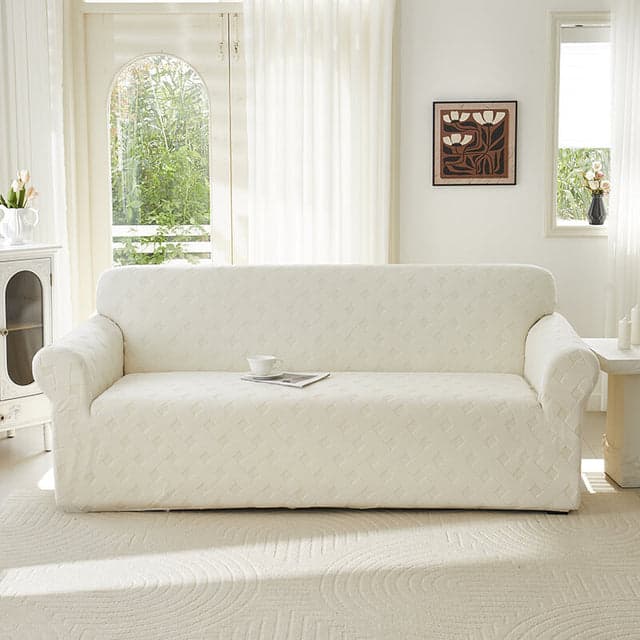 1 Piece Stretch Couch Covers for 3 Cushion Couch, Jacquard Sofa Cover with Non-Slip Elastic Bottom, Thickened Slipcover Furniture Protector for Dogssweaterpicks · $69.00
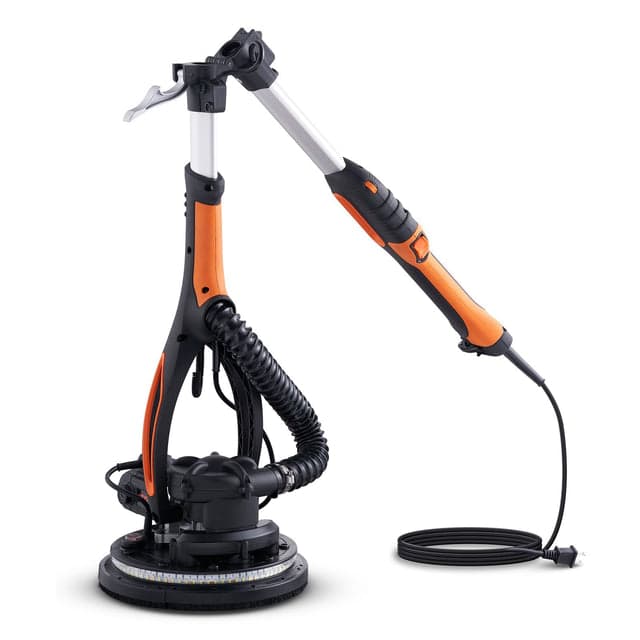 Drywall Sander 900W Brush Motor 800 1800Rpm Variable Speed & Self SuctionRoom & Decor · $229.99
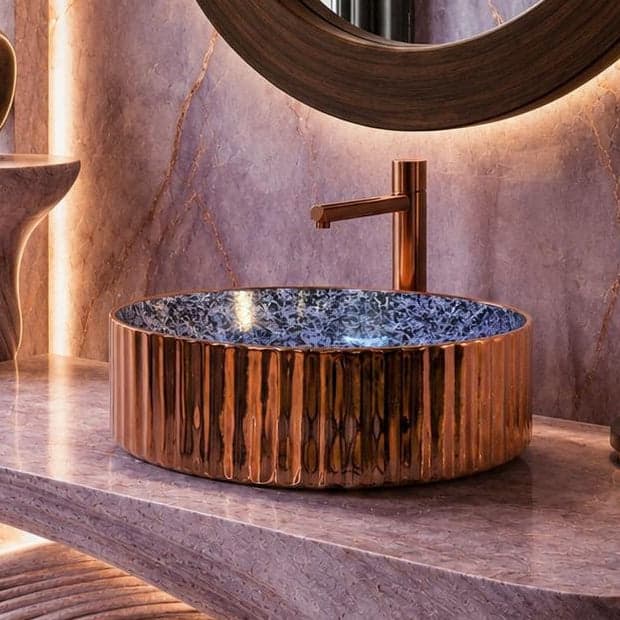 Rossella Fiorillo Ceramic Texture RF Eclisse Line Model Millerighe OSL010 Purple RF Texture Interior Rose Gold-plated Exterior SinkArtZMiami · $5750.00
What to Skip and Where to Save Without Sacrificing Style
Rugs are the perfect category to save money because they take the most wear from daily traffic, pets, and spills. A budget-friendly rug in the right size and color makes far more impact than a tiny expensive one. Lighting is another place where mid-range options work beautifully—you don't need designer fixtures. Hardware like cabinet knobs and door handles costs pennies but dramatically changes a room's feel, and cheap options work fine here. Skip the expensive paint jobs and do it yourself; paint is one of the highest-impact, lowest-cost updates available. Peel-and-stick wallpaper gives drama without permanent commitment and costs far less than traditional wallpaper. Where you should not skimp: furniture structural quality, drawer mechanisms, and hinges directly affect longevity and collective costs over time. Similarly, if you spend significant time in a space (bedroom, workspace), invest in quality fabrics and support rather than buying the cheapest option. Textiles like curtains and throws hide budget pieces and add luxury instantly, so allocate roughly 45-55% toward foundational furniture, 15-20% toward loose furnishings like pillows and throws, and smaller amounts toward decorative accessories.
Which Brands Fit Your Needs and Budget
Your choice depends on what you're decorating and how much you want to spend. Room & Decor offers the broadest selection across furniture, living room pieces, bedroom, and bath at USD 110-1400 price points—good for shoppers who want variety in one place. For textile-based solutions like slipcovers, sofa covers, and rugs that refresh existing furniture, sweaterpicks specializes in these at USD 30-270, making them ideal for renters or anyone wanting temporary changes. If you love textured, handmade elements, KnitFirst sells chunky yarn, sofa covers, blankets, and rugs from USD 40-400, appealing to shoppers who value tactile, artisanal pieces. For wall art and sculptural lighting that makes budget spaces look curated, ArtZMiami offers wall art, vases, chairs, and lighting from USD 59-299000, so you can find pieces at every price point. Archiology carries floor and table lamps, bathroom vanity lights, and dining chairs from USD 77-220, perfect for layered lighting and functional seating. For outdoor spaces, Outdoor-USA® has patio furniture sets and hammocks at USD 24-4975. Match the brand to the category you're prioritizing: foundational furniture from Room & Decor, textiles from sweaterpicks or KnitFirst, and decorative accents from ArtZMiami or Archiology.
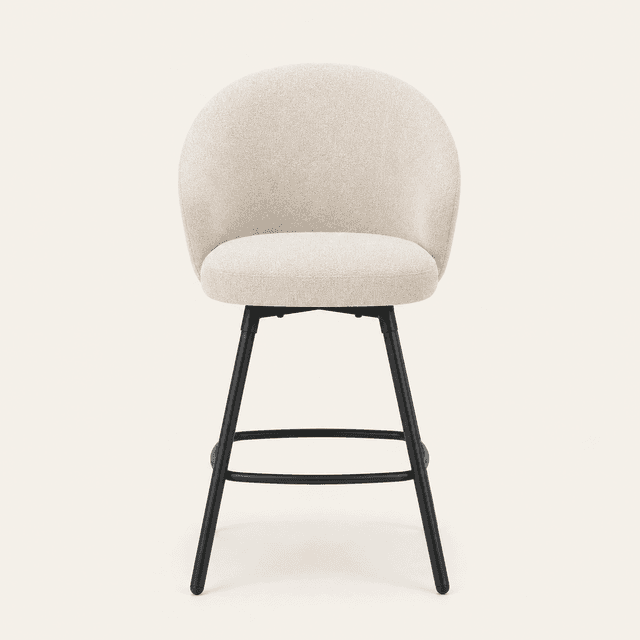 Sebastian Upholstered Swivel Counter Stool | Set of 2Archiology · $226.99
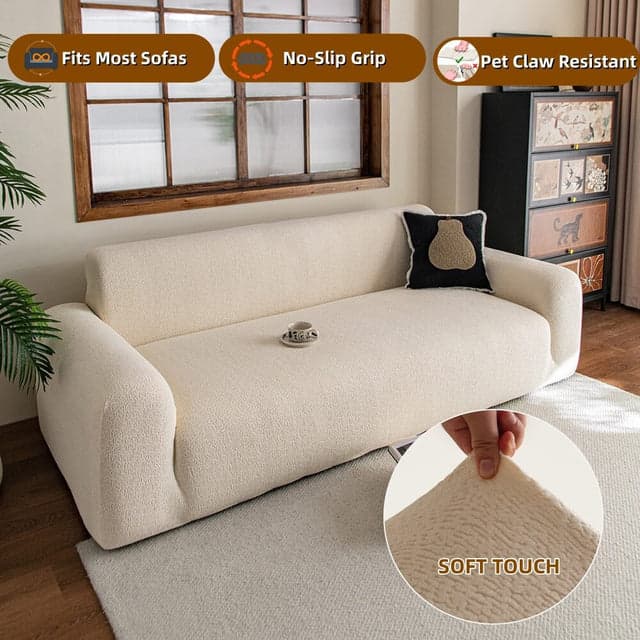 Scratch-Proof, Non-Slip, Machine Washable Sofa Cover — Fits Almost Any Sofasweaterpicks · $59.00
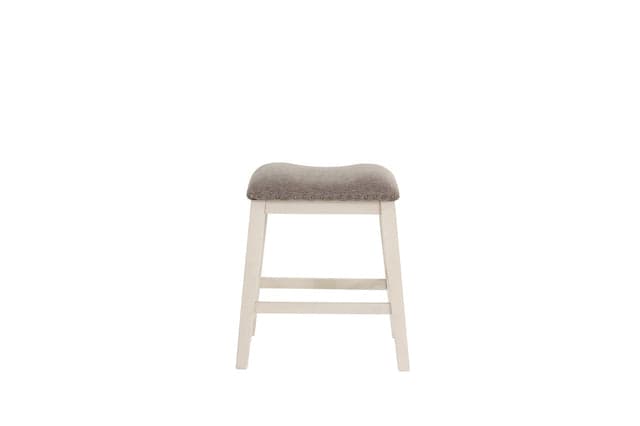 Modern Contemporary Dining Room Furniture Chairs Set Of 2 Counter Height High Stools Light Wooden Cushion SeatRoom & Decor · $349.99
Quality Versus Value: How to Spot a Real Bargain
Good value is not the cheapest price—it's durability for the money. A well-designed space combines high-end investments in heavy-use items with budget finds for decorative pieces. The difference between trash and treasure lies in hardware quality: open drawers and check hinges, slides, and mechanisms; cheap hardware wears out in months while quality hardware lasts years. Check material thickness and finish consistency; thin fabrics pill quickly and thin wood veneers crack easily. Textured materials hide imperfections better than smooth ones, so budget velvet or chenille lasts longer visually than cheap smooth cotton. Compare at least two or three options before buying—you'll often find engineered stone or composite finishes deliver the same look as premium materials at a fraction of the cost. Focus on performance specs, not brand prestige: a laminate tabletop rated for heavy use outperforms an expensive but delicate wood finish. Strategic mixing works: Room & Decor or ArtZMiami pieces anchor a room with quality, while budget finds from sweaterpicks or KnitFirst add personality without risk. A truly valuable purchase feels intentional—you've measured twice, understand why you want it, and can see it fitting into your space for years.
Sizing and Fit: Getting Dimensions Right the First Time
Measure everything before you shop—twice. Measure doorways, hallways, and stairwells for delivery obstacles; measure floor space with painter's tape to see how furniture will actually sit; measure wall height and width to ensure proportions work. Proportion and scale make or break a room: oversized furniture in small spaces feels cramped and claustrophobic, while tiny pieces in large rooms look lonely and lost. Rugs should anchor furniture groupings, so choose size based on your layout, not on price. A correctly-sized budget rug makes far more visual impact than a smaller expensive one. For sofas, measure not just floor dimensions but also doorway width and the path to your room; one inch too wide and you have an expensive problem. Slipcovers like those from sweaterpicks or KnitFirst let you test fit before committing to permanent upholstery changes. Window treatments should frame your windows properly; short curtains make ceilings feel lower. Wall art and sculptures from ArtZMiami or Archiology need appropriate spacing: cluster small pieces or use one large statement piece rather than spreading items too thinly. The most common mistake is guessing—shoppers buy furniture that doesn't fit, hang art at wrong heights, or choose rugs in wrong proportions. Correct sizing costs nothing but your time and prevents expensive returns.
 Rossella Fiorillo Ceramic Texture RF Eclisse Line Model Rombo OSL009 Blue RF Texture Interior Gold-plated Exterior SinkArtZMiami · $5750.00
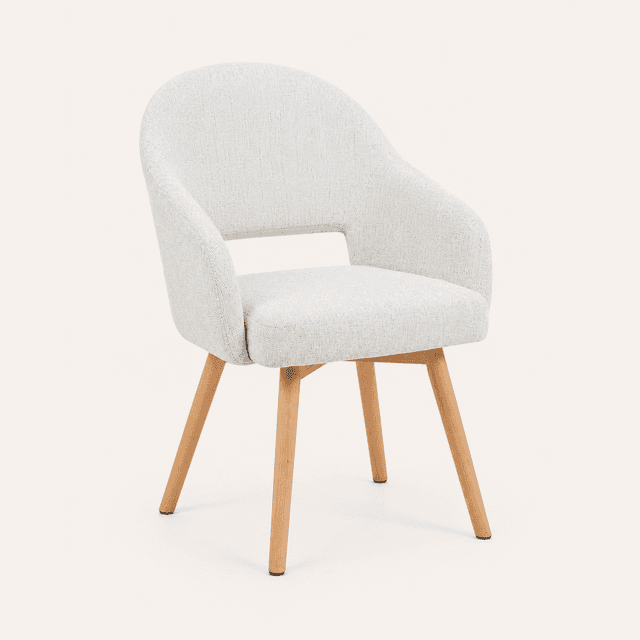 Lirwood Modern Upholstered Dining Chair|Set of 2Archiology · $216.90
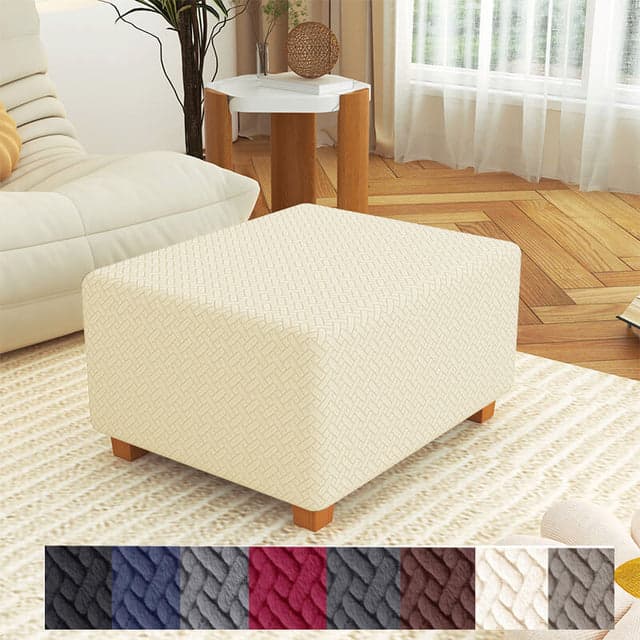 Premium Stretch Jacquard Storage Ottoman Cover, Washable Slipcoversweaterpicks · $49.00
Discount Codes and Seasonal Sales: What Actually Saves Money
Home decor retailers run major sales around holidays: Memorial Day, Labor Day, Black Friday, and New Year's typically offer the deepest discounts. As of September 2026, At Home has Labor Day Clearance Sales with select items up to 75% off, and seasonal outdoor sales often offer 50% off patio furniture, cushions, and garden decor. Discount codes typically range from 10-35% off, though some offer deeper savings on specific categories. Realistic expectations matter: a 10-15% discount code covers the markup but not deep savings; a 35% code is genuine clearance pricing. Stack savings when possible—use a discount code during a holiday sale, or wait for end-of-season clearance. The Home Depot updates deal-of-the-day offerings daily, featuring rotating 40-55% discounts on furniture and home items. Clearance sections online show the steepest cuts—up to 75% off—though selection is limited. Budget shoppers should set alerts for sales near major holidays and avoid impulse purchases outside these windows. Stores offer deeper discounts on items they want to clear (seasonal outdoor pieces in fall, holiday decor in January), so timing purchases strategically multiplies your budget.
Common Mistakes When Comparing Home Decor Options
The biggest mistake is comparing price alone without considering size, quality, or appropriateness for your space. A cheap rug that's too small looks worse than a budget rug in the right size; a cheap lamp that doesn't fit your style wastes money no matter the price. Ignoring scale and proportion is nearly universal—shoppers buy furniture without measuring rooms or checking doorway widths, then face return costs and frustration. Not knowing your existing inventory wastes budget; create a list of everything you're keeping, selling, or donating before you shop. This prevents buying duplicate colors or pieces that clash with what you already own. Compromising too heavily on quality in high-use areas backfires: a cheap sofa deteriorates in two years while a moderately priced one lasts seven, making the expensive option actually cheaper long-term. Mixing styles randomly without a unifying color palette or design direction makes spaces feel cluttered and confused rather than curated. Shopping without knowing your preferred styles, colors, textures, and materials leads to impulse buys that don't work together. Overlapping purchases happen when shoppers don't communicate—one person buys a rug, another buys a throw, a third picks artwork, and nothing coordinates. Planning a cohesive color scheme before you start prevents this. Many shoppers also underestimate shipping and assembly costs, which can add 20-40% to furniture prices, dramatically changing value calculations.
Mistakes Shoppers Make and How to Avoid Them
Buying without a budget is the fastest way to overspend. Set a total budget and allocate it by room or element before shopping, then stick to it religiously. Impulse purchasing happens when you shop without a plan or list; every item that doesn't address a specific need derails your budget. Shop your existing inventory first before buying anything new—repurpose drawer pulls as towel bars, use mason jars as vases, upcycle an old dresser with paint. This costs nothing and adds personality. Not establishing a design direction wastes money; before buying anything, choose a cohesive color palette and stick with it. This single step prevents costly mistakes. Choosing style over function is another trap: beautiful but delicate finishes scratch easily, high-gloss surfaces show every fingerprint, and light colors stain quickly. Budget shoppers need durable, easy-to-maintain materials; matte finishes and textured fabrics work longer between cleanings. Ignoring small details trips many shoppers—replacing cabinet knobs, outlet covers, or light switch plates transforms spaces for pennies, but people skip these because they seem insignificant. They're actually where personality shows. Mixing budget pieces with expensive furniture works beautifully when items complement rather than compete; avoid placing a cheap lamp next to a luxury sofa. Instead, layer lighting and accessories so cheap items contribute to layered effect rather than direct comparison. Finally, skipping the thrift store or flea market is a missed opportunity—vintage furniture is often better-built than new budget options, costs less, and feels more authentic. Organizing swaps with friends finds unique pieces for free and reduces waste.
Our top picks
sweaterpicks65% off
Specializes in slipcovers and sofa covers that refresh existing furniture affordably, from USD 30-270, making it ideal for renters and budget transforms.
Shop sweaterpicks →17 sweaterpicks coupons →
Room & Decor40% off
Offers the broadest selection of furniture, living room pieces, home decor, rugs, and bedroom items from USD 110-1400, perfect for one-stop shopping.
Shop Room & Decor →15 Room & Decor coupons →
ArtZMiami40% off
Provides wall art, sculptures, and decorative lighting from USD 59-299000, allowing budget shoppers to find statement pieces and artistic accents at every price.
Shop ArtZMiami →15 ArtZMiami coupons →
Archiology30% off
Carries affordable lamps, vanity lighting, and dining chairs from USD 77-220, essential for layered lighting and functional seating on tight budgets.
Shop Archiology →15 Archiology coupons →Frequently asked questions
Should I invest in expensive furniture or buy budget pieces?
Mix both strategically. Invest in structural quality and durability for heavy-use furniture like sofas and beds; buy budget-friendly decorative pieces, textiles, and accents. A moderately-priced sofa lasts longer and costs less overall than a cheap one that deteriorates in two years, but budget rugs and throw pillows update the look without major investment.
When should I buy home decor for the best deals?
Shop around major holidays—Memorial Day, Labor Day, Black Friday, and New Year's offer the deepest discounts. End-of-season sales (patio items in fall, indoor furniture in spring) often feature 50-75% off. Set price alerts and avoid impulse purchases outside these windows.
How do I make a small space look bigger without spending much?
Declutter completely, paint walls a light or neutral color, add mirrors to reflect light, use peel-and-stick wallpaper for accent walls, layer lighting, and choose furniture with legs to create visual floor space. These high-impact changes cost little but transform how a space feels.
- https://www.decorilla.com/online-decorating/15-affordable-interior-design-tips-for-stunning-style-on-a-budget
- https://www.homesandgardens.com/interior-design/furniture-trends-2026
- https://www.designcafe.com/blog/home-interiors/interior-material-selection-checklist/
- https://couponfollow.com/site/athome.com
- https://www.decorilla.com/online-decorating/home-decor-mistakes-to-avoid/