
What's New in Rugs This Season
The 2026 rug market reflects a growing emphasis on sustainability and durability over trends. Eco-conscious buyers are shifting toward high-quality wool and natural fibers that last for decades, rather than replacing rugs frequently. Recycled polypropylene offers another sustainable option for high-traffic spaces, combining durability with environmental responsibility. At the same time, performance rugs designed to resist stains and fading have become mainstream, driven by families and pet owners who want rugs that can handle real life. Retailers like Room & Decor now stock wider selections of both traditional and performance-focused options, making it easier to find something that matches both your aesthetic and your household's actual needs. The key shift is away from choosing rugs purely for appearance and toward balancing design, longevity, and practical maintenance.
Key Specs: Material and Fiber Choices
Wool stands as the gold standard for area rugs, offering dense fibers that bounce back after compression and naturally resist soiling. Wool rugs often last decades when properly cared for and are naturally hypoallergenic. For homes with active families or pets, nylon rivals wool in durability, resisting wear and crushing over 10–15 years with proper maintenance. Polypropylene is the most stain- and fade-resistant synthetic available, won't shed, and is easy to clean—ideal for kitchens and dining areas. Natural fiber options like sisal and jute are durable in moderate-traffic areas but are sensitive to moisture, making them better suited to bedrooms and living rooms away from water sources. Performance rugs, engineered from synthetic fibers, specifically resist spills, sun fading, and heavy foot traffic without matting. When you examine a rug's construction, look for higher knot count in handwoven pieces and greater pile density in machine-made rugs, both indicators of longevity.
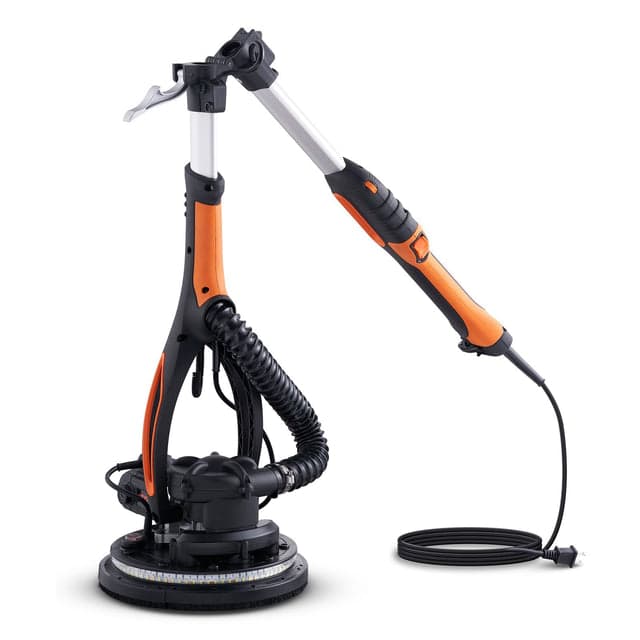 Drywall Sander 900W Brush Motor 800 1800Rpm Variable Speed & Self SuctionRoom & Decor · $229.99
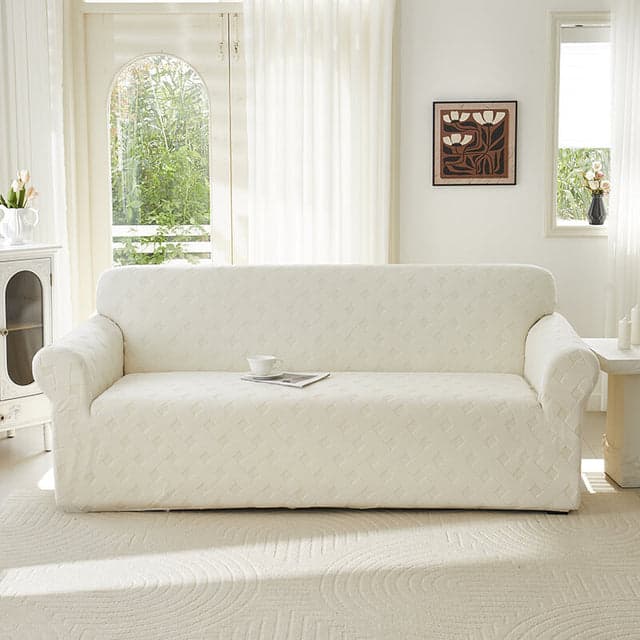 1 Piece Stretch Couch Covers for 3 Cushion Couch, Jacquard Sofa Cover with Non-Slip Elastic Bottom, Thickened Slipcover Furniture Protector for Dogssweaterpicks · $69.00
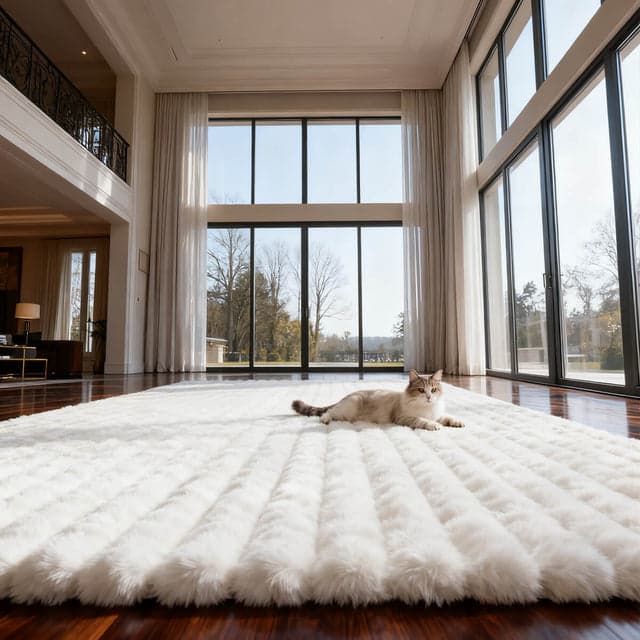 Luxury Faux Sheepskin Shaggy Area Rug – Extra Thick & Plush Cloud-Like Carpet, Non-Slip Soft Fuzzy Mat for Living Room, Bedroom, Nursery, Farmhouse & Modern HomKnitFirst · $69.00
What to Skip and What Truly Matters
Skip the assumption that a higher price automatically means better quality—instead, compare knot count, pile density, and fiber type against price. A moderately priced wool rug with good density will outlast an expensive silk rug in a high-traffic entryway. Skip buying a rug based on color samples viewed on a phone or laptop; the difference in lighting and screen calibration can lead to mismatches at home. Don't skip the underpad: a quality rug pad prevents shifting, reduces noise, and protects both the rug and your flooring. Dyeing technique matters more than you might think; natural dyes and traditional methods in wool rugs provide better colorfastness than synthetic dyes, meaning colors remain truer longer. What you can safely skip is designer branding if you're comparing identical fiber types and construction. Performance features such as stain resistance and fade resistance are worth paying for if your household has pets, children, or high foot traffic; they become less critical in low-traffic bedrooms.
Which Rugs Work for Different Buyers
Families with young children and pets need durable, washable, or stain-resistant options—polypropylene performance rugs or hardwearing nylon fit this profile perfectly. Room & Decor offers a broad range in this category, mixing traditional designs with modern performance rugs. Renters or those buying for temporary spaces should prioritize affordability and style over investment-grade materials; sweaterpicks carries budget-friendly rug options that let you change decor without major expense. Design-focused buyers in low-traffic spaces like bedrooms or formal living rooms can invest in wool or natural fiber rugs, where durability meets aesthetic refinement. Sustainability-conscious shoppers should seek certified wool rugs, recycled-fiber options, or brands clearly stating manufacturing ethics and biodegradability. Pet owners benefit most from machine-washable rugs or those treated for odor and stain resistance. Buyers managing high-traffic hallways and entryways need nylon or polypropylene; these materials withstand constant foot traffic without visible wear. Budget shoppers can find decent synthetic rugs in the $100–300 range that last 5–7 years; mid-range wool around $600–900 offers better longevity for moderate-traffic areas.
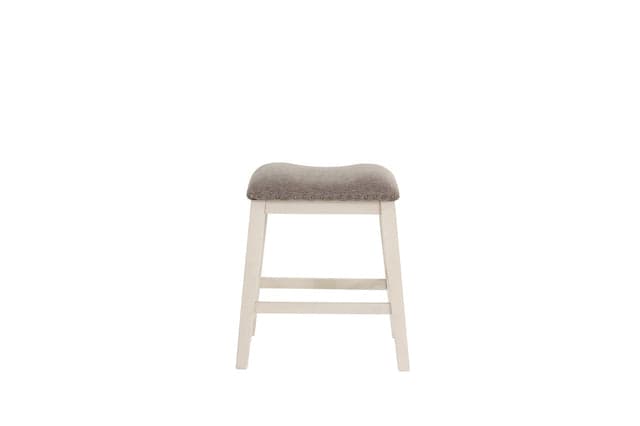 Modern Contemporary Dining Room Furniture Chairs Set Of 2 Counter Height High Stools Light Wooden Cushion SeatRoom & Decor · $349.99
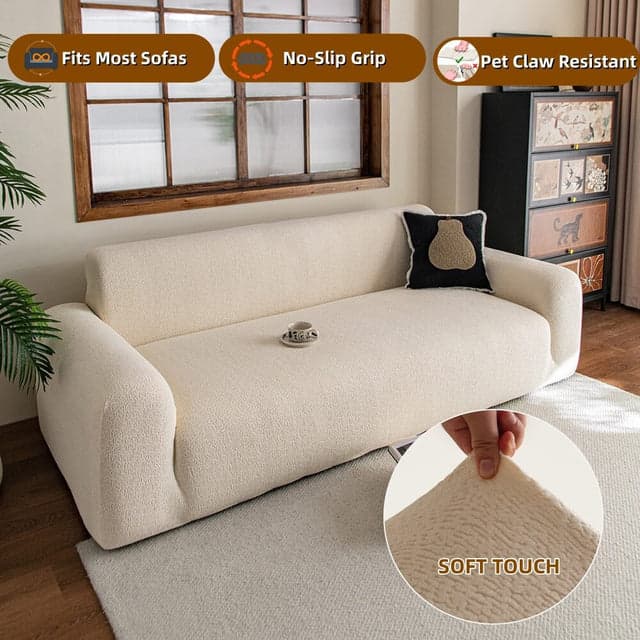 Scratch-Proof, Non-Slip, Machine Washable Sofa Cover — Fits Almost Any Sofasweaterpicks · $59.00
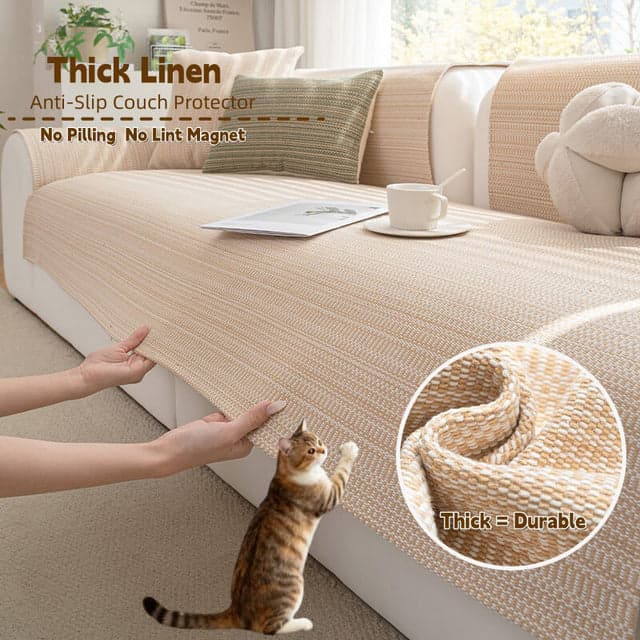 Thick Linen Sofa Slipcover, Stay-in-Place, Lint-Resistant, Machine WashableKnitFirst · $39.00
Quality vs. Value: Where the Cost Goes
A quality area rug typically costs $300–1,200 for standard living-room sizes (6×9 to 8×10), with premium handwoven or imported rugs reaching $2,000+. Budget synthetics start at $50–150 for small sizes but show wear more quickly. Mid-range wool rugs (8×10) usually fall in the $600–900 bracket and offer excellent value, lasting 10–20 years in moderate-traffic rooms. The cost difference between a $200 polypropylene and a $600 wool rug of the same size reflects material durability, colorfastness, and construction density. Knot count in handwoven rugs and pile density in machine-made rugs directly correlate with lifespan; a denser rug resists matting and holds color longer. Natural fiber rugs (sisal, jute) cost less than wool ($200–500) but have shorter lifespans in high-traffic areas. Room & Decor's catalog spans this range, letting you compare quality markers side by side. Hand-dyed and traditional-technique rugs command premiums because production is slower and labor-intensive, but the resulting colorfastness and uniqueness justify the cost if longevity matters. Stain-resistant treatments add $50–150 to the retail price but can prevent costly replacements if a rug is heavily used. The false economy is buying the cheapest option for a high-traffic space; a $250 synthetic rug replaced twice costs more than one $500 wool rug used for 15 years.
Sizing and Fit: Getting the Dimensions Right
The golden rule: leave 12–18 inches of exposed flooring between the rug edge and the wall. A rug that floats in the center of a room looks orphaned; one that extends under key furniture (sofa, bed, dining table) anchors the space. For living rooms, 8×10 feet suits most medium-sized rooms; 9×12 feet works for larger layouts. Dining areas need at least 24 inches of rug beyond the table edge on all sides so chair legs sit on the rug even when pulled back. Bedrooms typically use an 8×10-foot rug, extending 18–24 inches from each side and foot of the bed, or a pair of 3×5-foot runners flanking a queen bed. Hallways and entries use narrower rugs (2.5–4 feet wide) that allow foot traffic without crowding. Measure your room length and width, then subtract 6 inches from each to determine the maximum rug size that preserves floor visibility. Use painter's tape to outline proposed rug placement before purchase; this simple step reveals whether the size reads correctly with your furniture arrangement. Common mistake: buying a rug too small because it's cheaper or feels safer; undersized rugs make rooms feel fragmented. A 5×7-foot rug in a living room sized for 8×10 will look noticeably cramped. Round rugs work in entry halls and under circular dining tables; rectangular rugs suit most other spaces. Runner rugs (2.5–3 feet wide, 6–12 feet long) are ideal for hallways, bedside areas, and narrow kitchen passes.
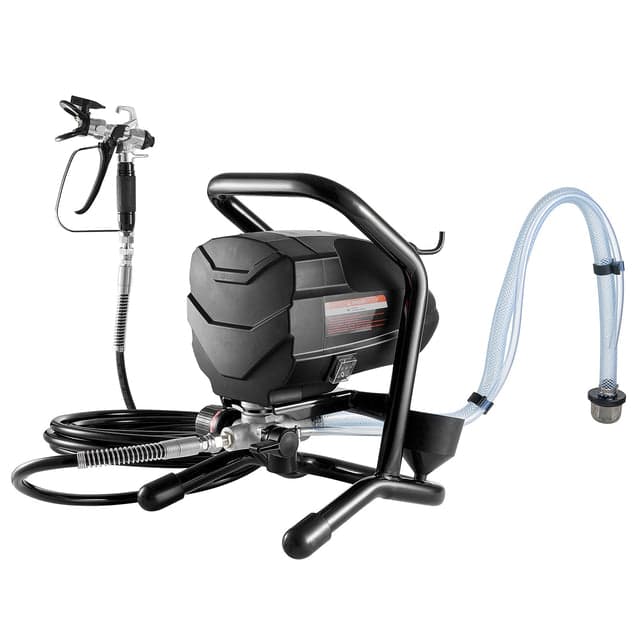 Stand Airless Paint Sprayer Electric Paint Sprayer Machine 650W 3000PsiRoom & Decor · $309.99
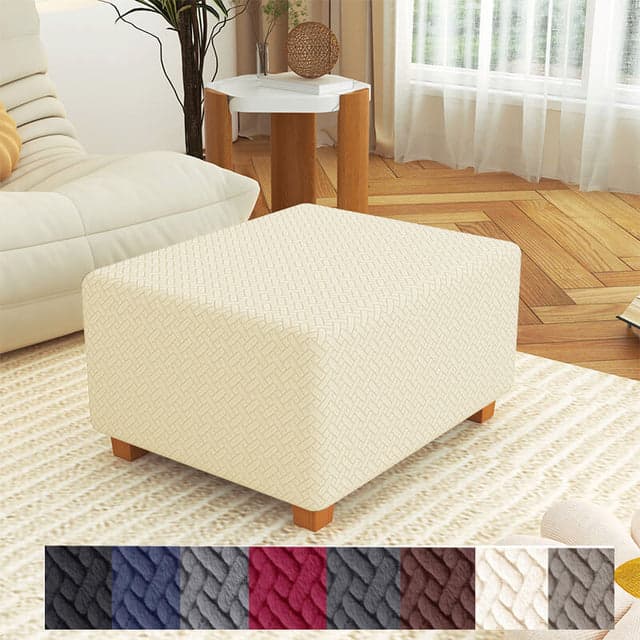 Premium Stretch Jacquard Storage Ottoman Cover, Washable Slipcoversweaterpicks · $49.00
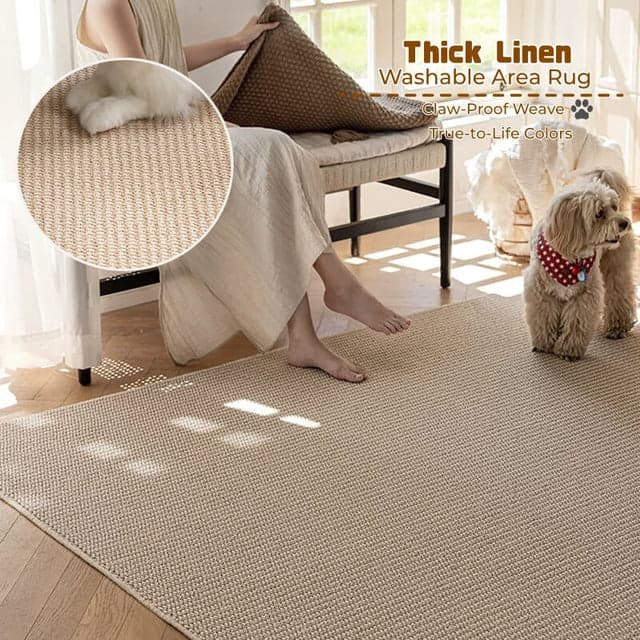 Thick Linen Washable Area Rug Non Slip Woven RugsKnitFirst · $59.00
How to Save on Area Rugs
Most major rug retailers offer 10–15% discounts for first-time email subscribers; sign up for newsletters to access these codes before purchasing. Seasonal sales (Labor Day, Black Friday, end-of-season clearance) typically offer 20–40% off selected styles. Buying multiple rugs in a single order can unlock additional discounts; some retailers offer 10% off when you purchase two or more. Loyalty or rewards programs earn 5% back in store credit on future purchases. Outlet sections of major rug sites sell overstock or discontinued patterns at 30–50% below regular price, and these are full-quality rugs, not seconds. Timing helps: buying rugs in January or August (slow seasons) often triggers deeper markdowns than holiday shopping periods. Bundle deals with complementary items like rug pads or cleaning products can provide savings across your cart. Be cautious with "clearance" claims on very cheap rugs; verify fiber type and density before assuming you've found a bargain. Performance rug sales are common because the category is still newer to many buyers; watching these sections can yield wool-quality durability at synthetic pricing. A discount code might cover 15–25% off; it rarely covers free shipping, which averages $30–60 on larger rugs. Free returns during sale periods add genuine value because you can try the rug at home and return it if the color or size disappoints.
Common Comparison Mistakes
Comparing rugs by price alone ignores fiber, construction, and lifespan. A $300 rug and a $700 rug might look similar online but differ drastically in how they perform after a year of use. Confusing pile height with quality is another trap; a rug with tall, loose pile might feel soft but crushes and mats easily in high-traffic zones, while a dense, lower-pile rug holds up better. Assuming all wool is the same leads to disappointment; Indian wool differs in quality and durability from New Zealand or Persian wool. Judging color solely from photos on a screen is unreliable; screen calibration, lighting, and image compression all distort actual color. Comparing rugs from different material categories (wool vs. polypropylene, for instance) without adjusting expectations is unfair; each material serves different purposes. Looking only at advertised features without checking independent reviews misses real-world durability issues. Some rugs claim stain resistance but lack data on how well the treatment performs over years; reading verified buyer feedback helps separate marketing from substance. Overlooking rug pad quality can lead to slipping, buckling, and accelerated wear on both rug and floor. Not factoring in maintenance requirements when comparing options is shortsighted; a luxury rug requiring professional cleaning every six months costs more to own than one needing vacuuming and spot treatment. Finally, buying based on a single dimension like "most durable" without considering room usage and traffic patterns leads to overspending; a bedroom doesn't need the ruggedness that an entryway demands.
Mistakes Shoppers Make—and How to Avoid Them
The most common mistake is underestimating rug size. Buyers often choose rugs too small because they cost less or feel more manageable, only to find the room looks disjointed. Always measure first and use painter's tape to visualize placement. Rushing to buy without considering traffic patterns leads to choosing inappropriate materials; a wool rug in a muddy entryway is a maintenance nightmare, while polypropylene works perfectly there. Not measuring doorways or checking ceiling height before purchase can result in a rug that looks cramped once delivered. Buying a rug to match a single paint color, artwork, or sofa leaves no flexibility if you later update any of those elements; choose a neutral or complementary tone that works with multiple schemes. Assuming free shipping means genuine savings; compare final prices including shipping and returns across retailers. Forgetting to budget for a rug pad is false economy; a good pad costs $50–150 but prevents damage worth far more. Installing a new rug without professional binding or finishing on cut edges leads to unraveling. Placing a rug on top of hardwood or tile without a non-slip pad creates a tripping hazard and accelerates wear. Not rotating your rug quarterly in medium-traffic areas causes uneven wear and fading in heavy-use zones. Attempting to remove tough stains at home without knowing fiber type risks color bleeding or fiber damage; professional cleaning is worth the cost for valuable rugs. Finally, purchasing a rug online without the option to return it if unsatisfied creates regret if the color, size, or feel doesn't match your expectations once delivered. Always confirm return policies before checkout.
Our top picks

Room & Decor40% off
Wide selection of area rugs across styles and materials, with options ranging from $110 to $1400, serving everything from budget-conscious to premium buyers looking for durable home furnishings.
Shop Room & Decor →15 Room & Decor coupons →sweaterpicks65% off
Offers affordable rugs and sofa covers ideal for renters, temporary spaces, or budget-conscious decorators who want style without major investment, with prices from $30 to $270.
Shop sweaterpicks →17 sweaterpicks coupons →KnitFirst40% off
Provides handcrafted rug options alongside blankets and sofa covers, catering to buyers seeking artisanal, durable home textiles across a range of price points from $40 to $400.
Shop KnitFirst →15 KnitFirst coupons →Frequently asked questions
What size area rug do I need for my living room?
Most medium living rooms work well with an 8×10-foot rug, while larger spaces suit 9×12 feet. Measure your room, then ensure at least 12–18 inches of exposed flooring between the rug edge and walls. Use painter's tape to outline your proposed rug placement before buying.
Is wool or polypropylene better for high-traffic areas?
Polypropylene is most stain-resistant and requires less maintenance, making it ideal for households with pets or children. Nylon rivals wool in durability for heavy traffic. Wool is softer and longer-lasting but requires more care. Choose based on your maintenance willingness and budget.
How much should I spend on a quality area rug?
Budget $300–500 for a durable synthetic rug lasting 5–7 years, or $600–900 for a mid-range wool rug lasting 10–20 years. Premium handwoven rugs start at $1500+. Base your budget on traffic level, material choice, and how long you plan to keep the rug.
- https://carpetexchange.com/flooring-school/area-rug-buying-guide
- https://www.wayfair.com/sca/ideas-and-advice/guides/how-to-choose-the-right-rug-sizes-T456
- https://www.avalonflooring.com/blogs/blog/different-area-rug-materials
- https://www.hgtv.com/shopping/news-and-trends/best-sites-for-cheap-area-rugs
- https://ruggallery.net/blogs/rugs/how-much-to-spend-on-an-area-rug
- https://southernhomeandhospitality.com/best-size-and-placement-for-area-rugs/