
Why Capsule Wardrobes Matter Now
In 2026, the pressure to keep up with fast fashion is colliding with growing demand for thoughtful consumption and sustainable style. A capsule wardrobe solves this by removing the tyranny of constant shopping and outfit paralysis. The key shift for 2026 is away from maximalism toward what stylists call quiet luxury: elevated basics that don't shout but do deliver. This means investing in straight-leg denim, structured white tees, crisp shirts, wool coats, and tailored trousers in neutral tones—pieces that build a coherent wardrobe instead of a chaotic pile. Right now, shoppers are realising that a $400 coat worn 100 times costs less per wear than a $40 fast-fashion piece worn twice. The return to quality fundaments isn't a passing trend; it's a reset. Readers also notice that trends come and go, but a well-fitted white shirt or neutral cardigan never truly exits rotation. Building a capsule forces you to stop buying impulsively and start investing deliberately, which saves money and mental energy both.
Materials and Specs That Actually Matter
Not all basics are created equal, and the difference lies entirely in fibre content and construction. Start by reading the label: look for natural fibres—cotton, linen, wool, silk, and cashmere—which should account for at least 80 per cent of the piece. Synthetic fabrics wear poorly, pill easily, and fade faster than natural alternatives. Linen and organic cotton are ideal for summer basics because they breathe and improve with washing. Wool and cashmere deliver longevity and warmth for layers and outerwear; cashmere is soft but requires gentle care, while merino wool resists odour and can be washed more frequently. Lyocell and TENCEL are sustainable alternatives made from gum trees and biodegradable; they're soft, lightweight, and absorb moisture. Avoid clingy synthetics like cheap polyester, which don't age well. Once you've checked the fibre content, inspect the construction: look for straight seams with tight, finished edges, not loose threads or puckering. Turn the garment inside out and examine how hems and cuffs are sewn. A $15 seam inspection beats regret after the first wash. Brands like OrganoLinen specialise in premium linen tailored to individual needs, which signals investment in durability from the start. Weight and drape matter too: a heavyweight tee holds its shape after 50 washes; a flimsy one doesn't. Buy pieces you'd wear in two years, not just this season.
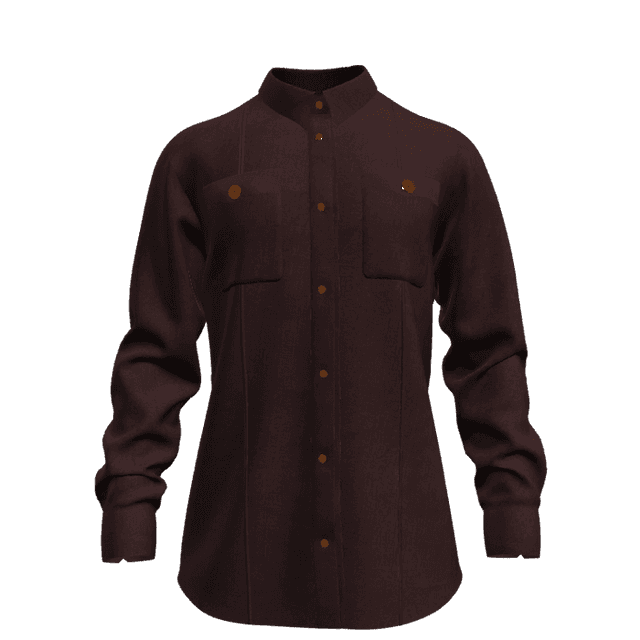 Custom Shirt: 9004584665245OrganoLinen · $89.00
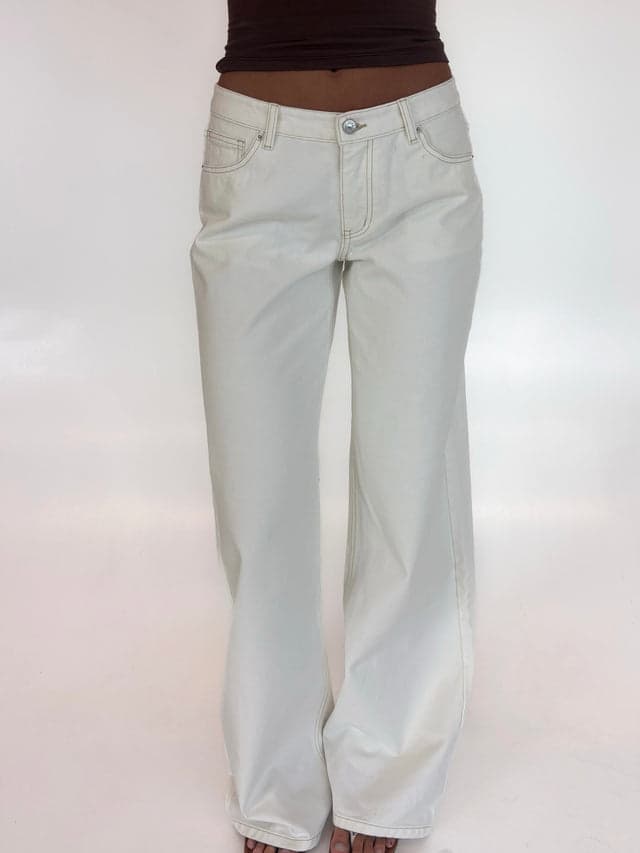 White Low-Mid Rise Jeanssky dolls · $84.99
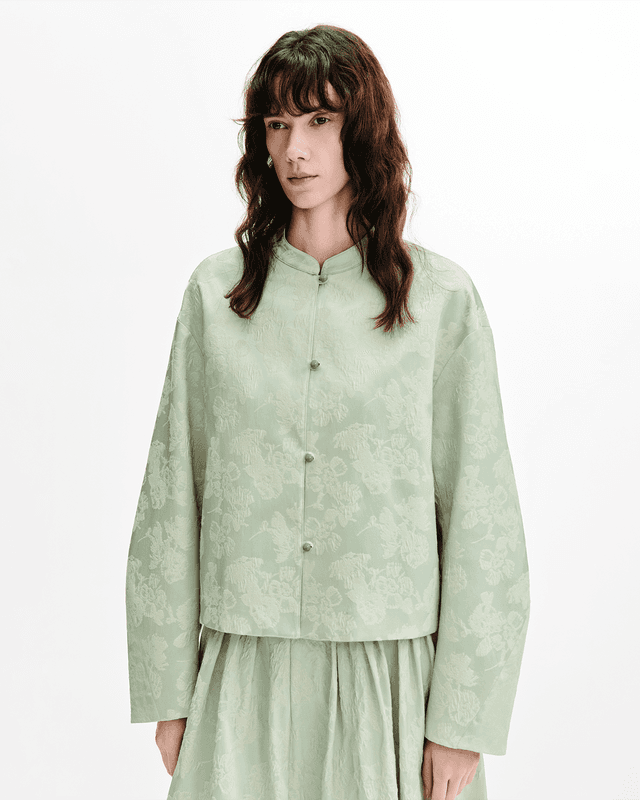 Cocoon-Silhouette Mandarin Jacket with Agate ButtonsSELFWHO · $139.00
What to Skip and What to Prioritise
Building a capsule means ruthless prioritisation. Skip trend pieces—they distract you from the real work, which is nailing versatile basics. Skip heavily embellished items, novelty prints, and statement colours unless they genuinely match your lifestyle and existing pieces. Skip anything that requires special care or dry cleaning unless it's a special-occasion piece. Instead, prioritise neutral foundation colours: black, navy, white, cream, camel, and soft grey. A 60/30/10 ratio works well—roughly 60 per cent neutrals, 30 per cent a coordinating colour family (like navy or camel), and 10 per cent accents. This balance keeps outfits grounded while leaving room for personality. Within neutrals, choose shades that suit your skin tone; one black might wash you out while another makes you look alive. It's safe to skip the latest micro-trend in necklines, sleeve lengths, or hem widths; capsules thrive on classic cuts that last years, not months. Brands like sky dolls and SELFWHO offer work wear and athleisure basics in neutral palettes, providing options without pushing trend. Skip fast fashion entirely; the cost per wear skyrockets because the piece falls apart. Prioritise one really good white button-up, one structured blazer, well-fitting dark jeans, and a neutral knit over six cheap basics that won't last a season. Prioritise layering pieces—cardigans, lightweight sweaters, and structured jackets multiply outfit combinations without adding clutter.
Which Brands Suit Which Buyer
Your capsule's success depends on matching your body, budget, lifestyle, and values to the right starting brands. If you prioritise sustainable materials and ethical production, OrganoLinen delivers premium linen tailored pieces at higher price points, perfect for buyers investing in longevity. If you need work-appropriate basics and athleisure that transitions smoothly, sky dolls specialises in athleisure pants, work wear, and matching sets in a USD 36–120 range, ideal for office workers who also want weekend flexibility. For shoppers seeking elevated basics and versatile pieces in multiple categories—tops, dresses, skirts, coats, and jackets—SELFWHO offers breadth in USD 79–399 range, suiting buyers who want curated options without hours of searching. If you need activewear comfort in everyday basics, CRZ YOGA focuses on high-value experience and comfortable pieces. For buyers on a tighter budget who want quality, wayre offers pants, shorts, tanks, hoodies, dresses, and leggings in USD 69–299, delivering essentials without luxury pricing. Each brand targets different priorities: wayre suits price-conscious buyers; SELFWHO suits variety seekers; sky dolls suits career-focused shoppers; and OrganoLinen suits sustainability-first buyers. Your choice depends on whether fit, price, sustainability, or breadth matters most to you right now.
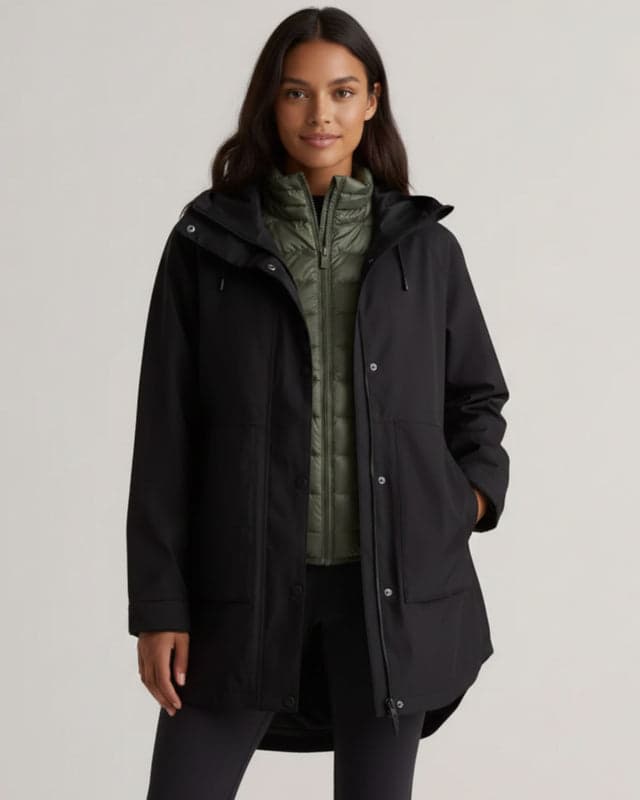 Osaka Oversized Rain Jacketwayre · $189.00
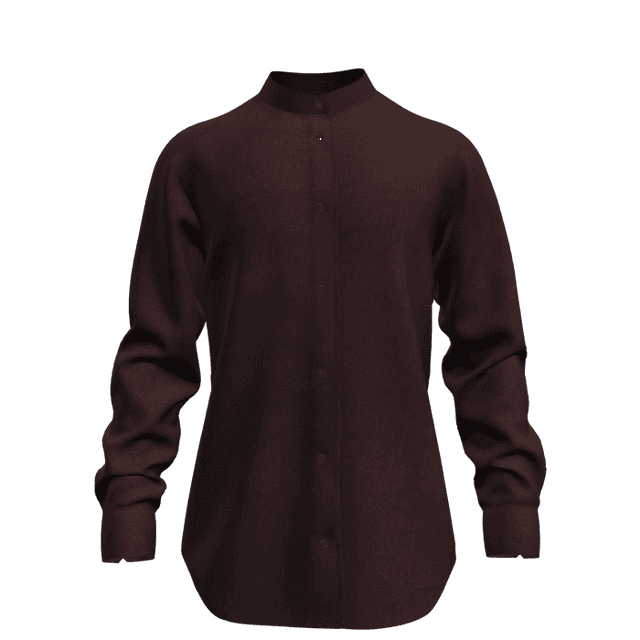 Custom Shirt: 9004489998493OrganoLinen · $79.00
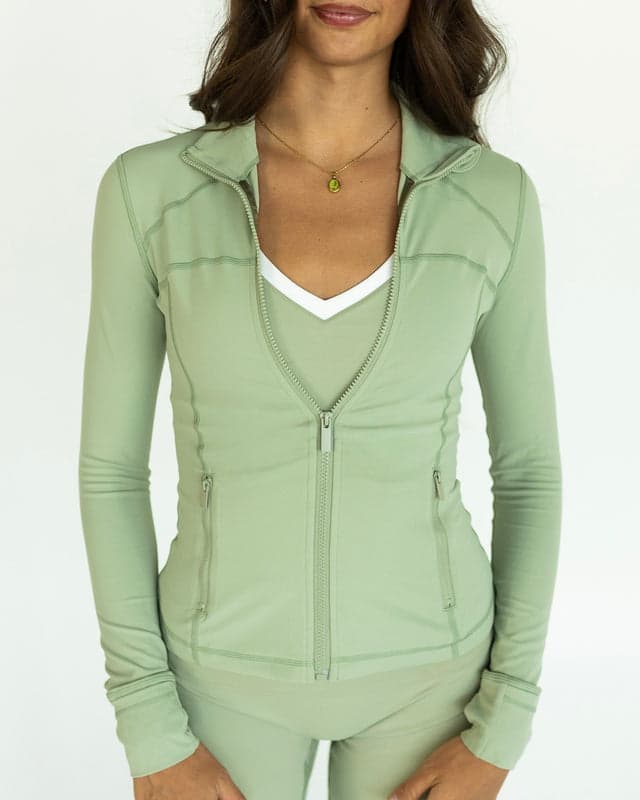 Matcha Zip Up Jacketsky dolls · $49.99
Quality Separates Good Buys from Cheap Ones
The gap between a wardrobe that lasts five years and one that falls apart after two lies in three things: fabric, seaming, and cost-per-wear math. A good basic holds its shape, colour, and structure after 20, 50, or 100 washes. A cheap one pills, fades, and stretches out of shape within months. To spot the difference, check the weight of the fabric—hold a white tee and feel whether it's substantial or gossamer-thin. Run your hand across the surface; good basics feel smooth, not bumpy or textured unevenly. Look at the care label; if it says 'dry clean only' for a basic, skip it unless it's a special piece. Examine the seams inside: are they finished neatly, or do they fray? Do the seams pucker, or are they straight and flat? Loose threads and crooked hems indicate careless construction. Calculate cost-per-wear: a $150 coat worn 200 times costs 75 cents per wear. A $40 tee worn 10 times costs $4 per wear. The expensive piece wins. Brands investing in quality—like those using organic cotton, linen, or cashmere instead of polyester blends—charge more upfront because materials cost more. This is not greed; it's honesty. Budget options sometimes surprise, but they rarely outperform premium pieces on longevity. Thrift stores and secondhand platforms let you buy premium pieces at discounts if budget is tight. A barely worn silk shirt from a luxury brand for $20 at a thrift store is a better buy than a new synthetic one for $30. Quality also means the piece will still be wearable and fashionable in two years; trends die, but a good white shirt or navy blazer endures.
Get Your Sizing and Fit Right First Time
Fit is the single most overlooked killer of capsule wardrobes. A wardrobe full of pieces that almost fit is not a capsule; it's a collection of compromises. Off-the-rack basics fit only roughly 30 per cent of bodies well, so prioritise fit over size labels—if you're a size 10 in one brand and a 12 in another, buy the 12. Try everything on, even if you're buying online and know your usual size. For knits like sweaters and cardigans, decide whether you want a close, fitted silhouette or relaxed, oversized—size accordingly. For tailored pieces like blazers and trousers, size up slightly to allow for layering underneath. Trousers should fit your hips and thighs first; if the waist is loose, have a tailor take it in for $15–25, which transforms a mediocre fit into custom. Small tailoring adjustments make a disproportionate difference; a $20 tailor visit outperforms a $200 new piece every time. Sleeves should hit your wrist bone, not float above or pool at your hands. Shoulder seams should sit at your actual shoulders, not slide down. A hem should reach your ankle or shoe opening without breaking; break refers to how the fabric sits where it meets shoes. Lengths that are even slightly off throw off the whole silhouette. For dresses and tops, move in them—raise your arms, sit down, bend forward. If anything feels tight, rides up, or pulls, the piece won't get worn, no matter how good the colour. Ignore how it looks on the hanger; if it doesn't feel like you're moving in your own body, it's not right. Brands with reliable fit—like Madewell for denim and J.Crew for tailored basics—can reduce guesswork, but every body is different, so fit remains the variable you can't skip.
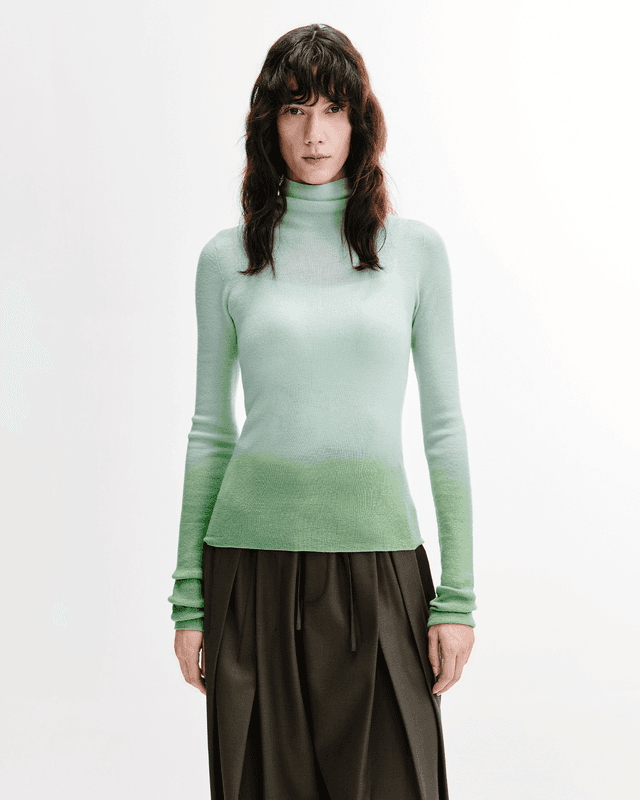 Ombré Seamless Knit Top – Fine MerinoSELFWHO · $79.00
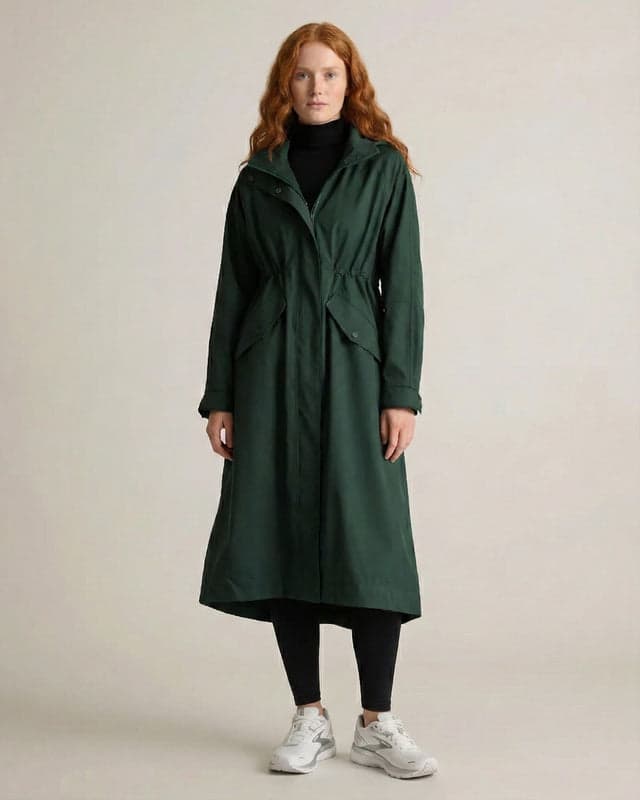 London Trench Coatwayre · $189.00
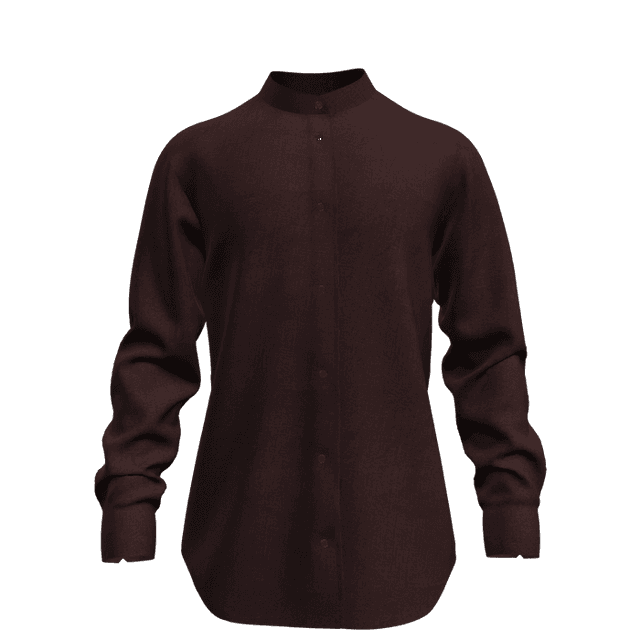 Custom Shirt: 9004489900189OrganoLinen · $79.00
When Prices Drop: Discount Timing and Reality
Capsule shopping is a game of timing. Seasonal sales follow predictable patterns: spring sales kick off as retailers bring new inventory, with discounts on lightweight pieces, denim, trainers, and transitional jackets. By late June and July, winter stock clears, and by February, deep clearance hits as retailers make room for spring. January offers steep discounts on winter outerwear and boots. End-of-season clearance—typically February and August—offers the lowest prices, often 40–70 per cent off, but selection shrinks as sizes sell out. A realistic discount on basics ranges from 20–50 per cent off, covering roughly one season's price drop, not lifetime value. Coupon codes and promotional events rarely stack discounts; a 30 per cent off code applied to already-reduced stock is common, but don't expect 70 per cent off $400 coats. Buy essential, neutral basics during clearance and wait for price drops before purchasing; however, if a specific piece calls to you and it's early in the season at a moderate discount, buy it—popular sizes in trendy styles sell out before reaching clearance. Build your 80 per cent seasonal budget around staples like classic jeans, neutral knits, and solid cardigans, which reliably discount. Before entering the sales, make a list of what you actually need and stick to it; this prevents the trap of buying things simply because they're on sale. Putting 80 per cent of budget toward capsule staples and 20 per cent toward pieces with slightly more personality balances boredom with practicality.
Where Comparisons Go Wrong
When evaluating basics side by side, most shoppers compare price first and never look deeper. Two white tees might both cost $30, but one is 60 per cent polyester with loose seams, and the other is 100 per cent organic cotton with finished hems. The second will outlast the first by years, but the price tag doesn't show this. Comparing by size is another trap: a size 10 in one brand might be significantly looser than a size 10 elsewhere, so size alone tells you nothing. Compare by how they fit your actual body, not the label. Colour is another gotcha: one cream is warm and flattering; another is harsh and cold. Swatches online don't capture how a shade interacts with your skin tone, so seeing pieces in person—or buying from retailers with easy returns—matters. Shoppers often compare based on features that don't exist yet; a 'breathable' cotton blend might be less breathable than 100 per cent linen, but the marketing language obscures this. Read the label, not the blurb. Ignoring care instructions is another frequent error: one 'easy care' tee requires hand washing, while another survives the machine. A piece that's hard to care for gets skipped, negating its value. Another common mistake: comparing trend-heavy pieces with classics. A trendy cut appeals now but looks dated in two years; a classic never does. The price might seem similar, but the longevity differs radically. Finally, shoppers compare without considering lifestyle: a wool coat makes sense for a cold climate but not for mild winters where it sits unused. A piece that doesn't serve your actual life—your commute, your climate, your work dress code—won't earn its cost-per-wear, no matter how good the quality or price.
Mistakes That Derail Capsules—and How to Dodge Them
The biggest capsule mistake is ignoring fit in favour of size or price. Buying five pieces that almost fit is worse than buying two that fit perfectly; unworn clothes are worthless. Before buying, ask: will I wear this in two years, and does it fit my life right now? Second mistake: building a capsule disconnected from your actual lifestyle. If you work in an office but buy mostly athleisure, or if you live somewhere cold but buy mostly summer basics, your capsule becomes a frustration rather than a tool. Define your lifestyle first—commute, climate, dress code, social calendar—then build around it. Third mistake: forcing yourself into colours that don't suit you because a guide said so. If black washes you out, navy and camel do the heavy lifting instead. If cool tones suit you, warm neutrals create friction. Personalise; capsules work when they feel like you, not a template. Fourth mistake: buying too many pieces too fast. A capsule built over three months with intention beats a wardrobe stuffed in three weeks. Each piece should earn its place. Fifth mistake: forgetting that different seasons need different weights and cuts. A heavy wool jumper doesn't transition to summer; a thin linen layer does. Seasonal overlaps matter. Sixth mistake: treating capsules as static. As your life, body, or climate changes, your capsule should shift. Rigidity kills capsule wardrobes. Add pieces as needed; discard pieces that no longer serve. Seventh mistake: skipping tailoring because it feels wasteful. A $20 tailor visit on a $150 piece makes it custom-fit; a $20 tailor visit skipped turns a good piece into unworn baggage. Eighth: buying basics from too many different brands, meaning fits clash and the wardrobe fragments. Choose 2–3 brands you trust and build around them. Ninth: ignoring laundry logistics. If every piece requires hand washing, your capsule suffocates. Pieces that survive the machine wash survive real life. Finally, don't compare your capsule to others' on social media. Your capsule is a tool for your life, not a status symbol. Function over Instagram vibes wins every time.
Start Small, Build Steadily, Wear Everything
A successful capsule works because every piece earns its place through repeated wear. Resist the urge to buy your entire capsule at once; instead, start with five core neutral pieces: white tee, white button-up, dark jeans, neutral cardigan or sweater, and a blazer or structured jacket. Wear these for a week and honestly assess what feels right, what doesn't, and what's missing. This teaches you about your actual needs versus theoretical ones. Once these five feel solid, add layering pieces: a lightweight jumper, a long-sleeve fitted tee, and a structured belt to create silhouette variation. Then add a coat or outerwear suited to your climate. After outerwear, add two pairs of trousers in neutral shades—one for work if applicable, one for casual wear. Then add one or two pieces in a supporting colour—navy if you went camel, camel if you went grey. Finally, add a few pieces with minor personality: a subtle stripe, a slightly interesting texture, or a jewel tone if that's your style. Build to roughly 15–25 pieces over two to three months. As you build, track what you actually wear and what sits unworn. The unworn pieces tell you something: they don't fit, the colour doesn't suit you, or the style doesn't match your life. Learn from this. Donate the unworn pieces and adjust what you buy next. A capsule that's 90 per cent worn is working; a capsule where half sits dormant is a failure. Quality, fit, and honesty compound to create a wardrobe that doesn't waste your time, money, or closet space.
Our top picks

OrganoLinen50% off
Premium linen tailored to individual needs for buyers prioritising sustainable style and durability in classic pieces.
Shop OrganoLinen →21 OrganoLinen coupons →
sky dolls70% off
Athleisure and work wear basics in neutrals at USD 36–120, ideal for career-focused shoppers needing versatile options.
Shop sky dolls →15 sky dolls coupons →
SELFWHO80% off
Breadth of essentials—tops, dresses, sets, coats, jackets—in USD 79–399 for buyers seeking curated variety.
Shop SELFWHO →15 SELFWHO coupons →
wayre60% off
Pants, shorts, tanks, hoodies, dresses, and leggings in USD 69–299 for price-conscious shoppers seeking quality basics.
Shop wayre →16 wayre coupons →Frequently asked questions
How many pieces should a capsule wardrobe have?
Most stylists recommend 15–30 pieces, selected to coordinate and produce multiple outfits. The exact number depends on your lifestyle, climate, and how much you wash. Start with fewer pieces and add as you identify gaps.
Can I build a capsule on a tight budget?
Yes. Prioritise neutral basics in natural fibres and buy during seasonal clearance sales. A secondhand premium piece often outperforms a new cheap one. Calculate cost-per-wear, not upfront price; a $50 piece worn 100 times costs 50 cents per wear.
What's the difference between fast fashion and capsule basics?
Fast fashion prioritises trends and price; capsule basics prioritise longevity and versatility. Fast fashion pieces often fall apart within months; capsule basics survive years of wear. Investment in natural fibres and construction pays off through cost-per-wear.
- https://www.whowhatwear.com/fashion/shopping/2026-capsule-wardrobe
- https://www.stitchfix.com/women/blog/style-guide/what-is-a-capsule-wardrobe/
- https://www.thecapsulist.com/capsule-wardrobe-color-palette/
- https://laumelinen.com/blogs/news/how-to-build-a-capsule-wardrobe-with-eco-friendly-fabrics
- https://www.alisakoz.com/blog/capsule-wardrobe-mistakes
- https://theminimalistwardrobe.com/blogs/posts/a-simple-guide-to-identifying-quality-clothing