
What changed this year and why it matters
Men's t-shirts in 2026 reflect two shifts: a move toward slightly looser, more relaxed fits over tight cuts, and an industry preference for cotton-polyester blends over pure cotton. The blended fabrics (typically 65/35 or 70/30 cotton-to-polyester) now represent nearly half the market because they shrink less (1-2% versus 3-5% for pure cotton), hold their shape longer, and cost less. Relaxed fits appeal to more body types and feel less dated in a few years. For buyers, this means your t-shirt is less likely to fade or shrink unexpectedly after washing, and the slightly roomier cut works for everyday wear rather than just showcasing muscle. Brands like Cubavera have responded by offering quality basics in multiple blend options and fits. The $25–60 price range still delivers the best durability-to-cost ratio, so there is no need to spend beyond that unless you prioritize specific materials.


Who each kind of option suits best
Regular fit t-shirts work for almost everyone because the shoulder seams align with your shoulder bone, the chest has moderate room without excess fabric, and the hem sits at mid-hip—this is the default choice for corporate casual and everyday wear. Slim fit suits lean body types or buyers who want a more tailored look through the chest and sleeves, though shoulder seams sit slightly inward. Oversized fit has become the streetwear standard in 2026, with dropped shoulders, wider chest, and length extending past the hip; it appeals to buyers who prefer a more relaxed, contemporary aesthetic. Athletic fit splits the difference: slightly roomier in the chest than slim fit but tapered at the waist, designed for muscular builds. Most shoppers should start with regular fit and a standard cotton-blend material. If you prioritize durability over premium feel, a 70/30 blend is the practical sweet spot.
- Regular fit: most versatile, suits all body types
- Slim fit: for lean builds and tailored appearance
- Oversized fit: relaxed, contemporary streetwear look
- Athletic fit: shaped for muscular or broader builds
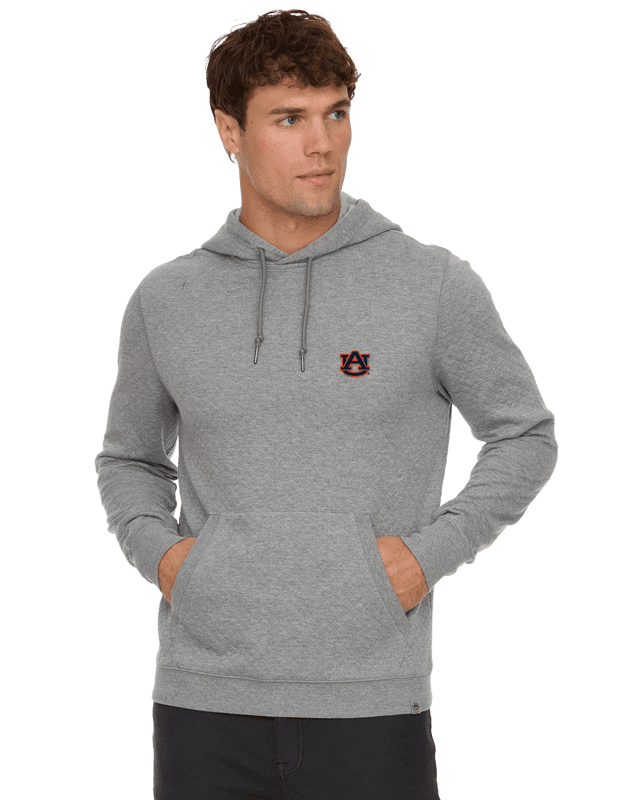 AUBURN BRADNER SUPER SOFT QUILTED HOODIEFlag & Anthem · $69.50
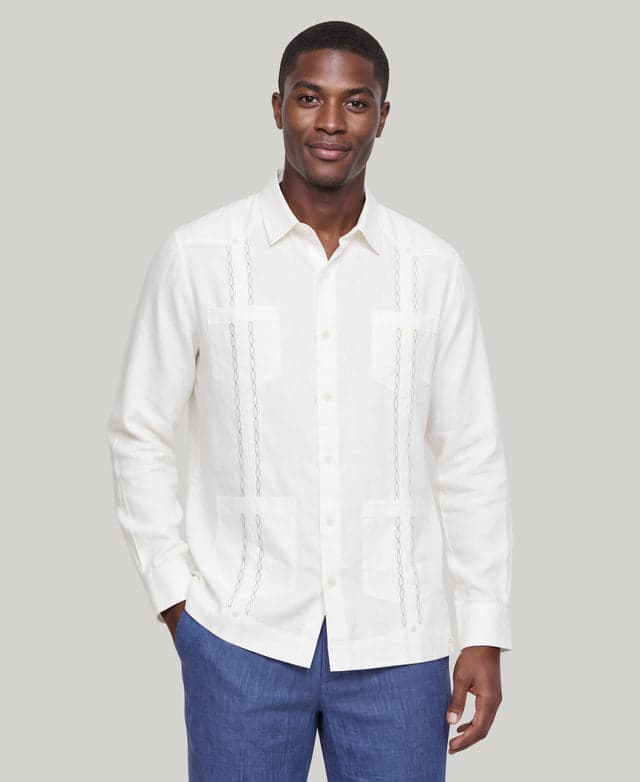 Linen Embroidered Guayabera ShirtCubavera · $97.50
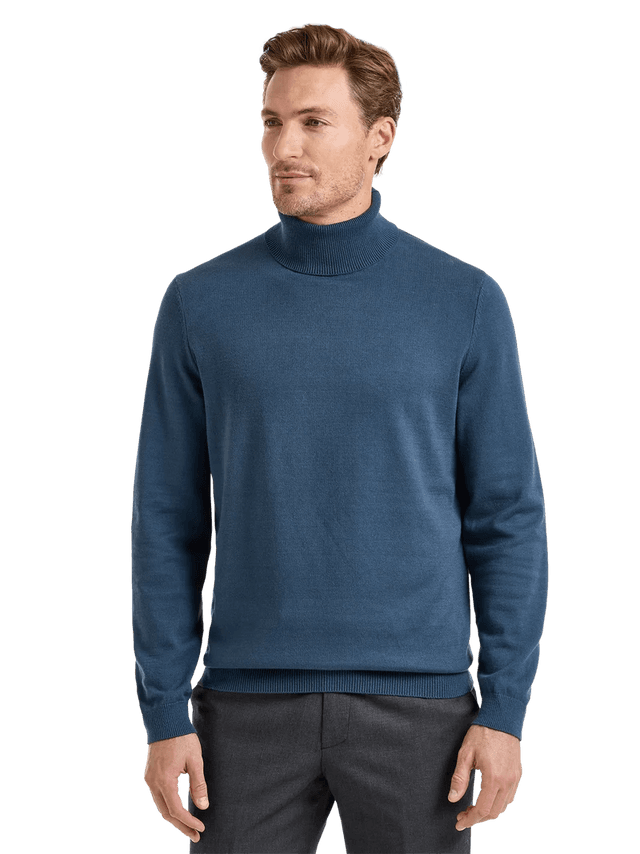 Wool Mock Neck Sweater - NavyPaul Fredrick MenStyle · $249.00
Best pick for most people
Flag & Anthem offers the balance of quality, value, and durability that suits most buyers. Their t-shirts are made from quality cotton or soft cotton-polyester blends with double-stitched seams that withstand regular washing, and the fabric is pre-washed and pre-shrunk so it retains its shape. They come in regular and athletic fits, with sizes from S to XXL, and retail prices fall in the $50–70 range—not the cheapest but not premium. The casual aesthetic fits everyday wear without looking dated, and the construction quality justifies the price. If you want a straightforward t-shirt that lasts without overthinking fit or material, Flag & Anthem is where most shoppers land.
Pick on a tight budget
Cubavera delivers decent quality at lower prices, with tees and casual shirts starting around $15–25. Their fabrics use linen blends or cotton-polyester combinations that feel breathable and soft. The fit tends to run slightly large, so size down by half a size if you prefer a closer fit. Cubavera is a reliable choice when budget is the priority, and the casual aesthetic works for both relaxed everyday wear and slightly dressier summer occasions. The tradeoff is that the fabric may not hold up quite as long as premium brands, but for the price, the value is solid.
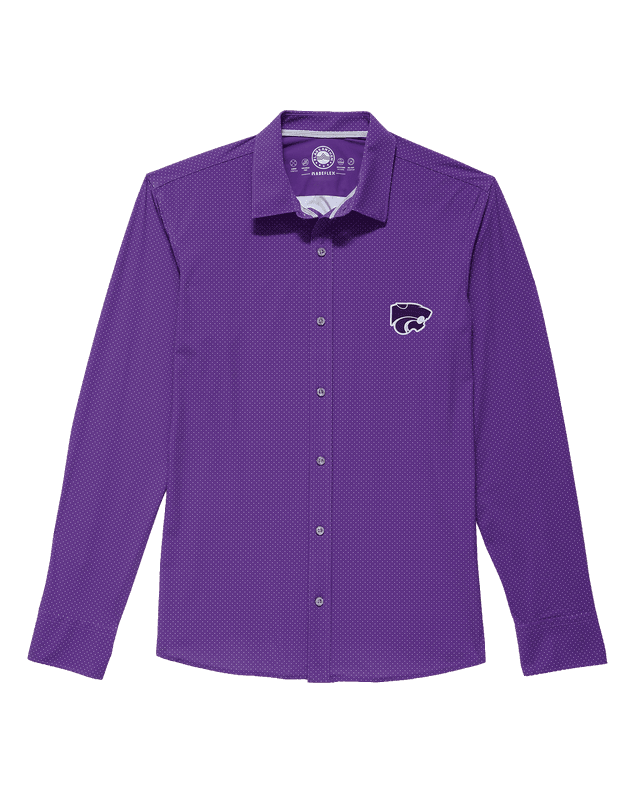 KANSAS STATE JOURNEY STRETCH SHIRTFlag & Anthem · $79.50
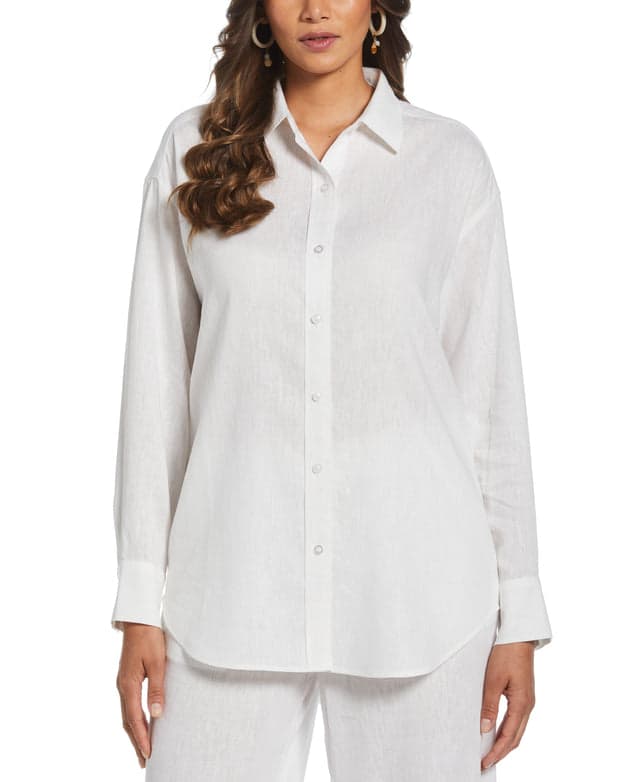 Solid Linen-Blend BlouseCubavera · $29.98
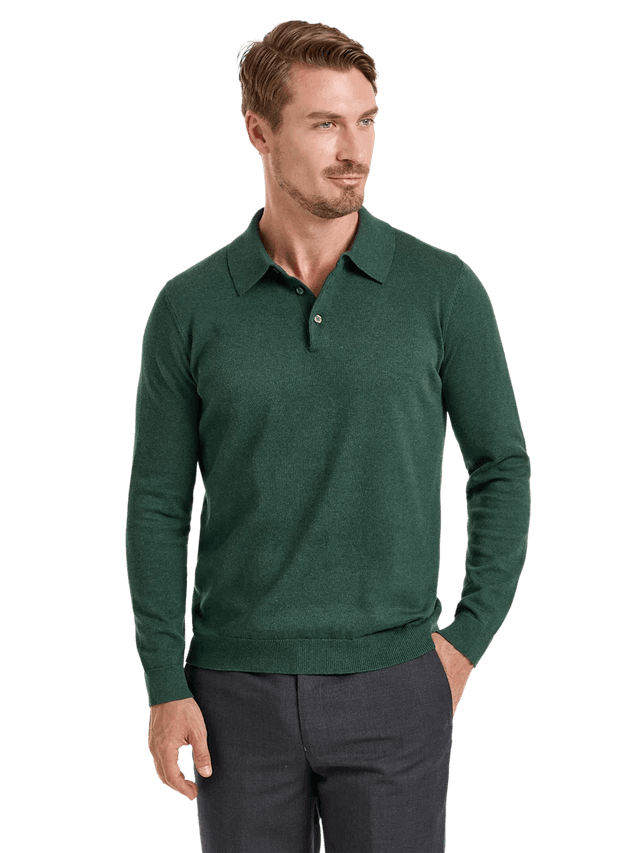 Long Sleeve Cotton Jersey 3-button Solid Polo With Red Plaid Trim - Green MultiPaul Fredrick MenStyle · $169.00
Pick when you want extra features
Paul Fredrick MenStyle caters to buyers who want premium materials and details. Their knitwear and shirts emphasize fabric quality and fit, with price points from $85–120 for tees and casual shirts. They focus on tailored cuts and high-quality cotton or cotton-blend materials designed for longevity. If you want a t-shirt that feels noticeably softer, holds color better, or has more refined details than basics, Paul Fredrick suits that preference. This is where you go when you are willing to spend more and expect to keep the shirt for years. The shortlist also includes Vineyard Vines and Bonobos, which emphasize classic casual wear and accessible premium quality for buyers seeking recognizable styling and durability above average.
The specs and materials that actually separate options
Fabric composition is the biggest separator. Pure cotton feels softer and breathes better but shrinks 3–5% and fades faster; 100% Pima cotton is thicker and holds color longer but costs more. Cotton-polyester blends (70/30 or 65/35) shrink only 1–2%, cost less, and last longer; the polyester adds durability but slightly reduces breathability. Weight matters: fabric measured in gsm (grams per square meter) tells durability—a heavier 155gsm tee is thicker and lasts longer than a flimsy 130gsm option. Stitch quality separates durable tees from disposable ones: single stitching frays in a few years, while double-stitched seams (especially at collar, sleeves, and hem) withstand 50+ washes. Pre-shrinking and pre-washing reduce surprise size changes. Thread count is less important for t-shirts than for dress shirts, but a tightly woven fabric will pill less and feel more substantial. Tagless designs and form-fitted necks are comfort features, not durability features.
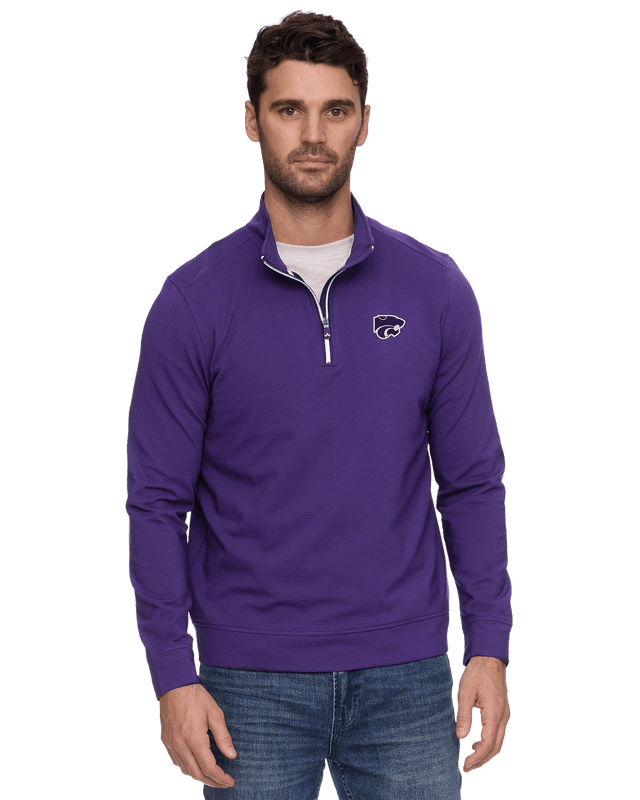 KANSAS STATE RIDGE STRETCH PERFORMANCE 1/4-ZIPFlag & Anthem · $79.50
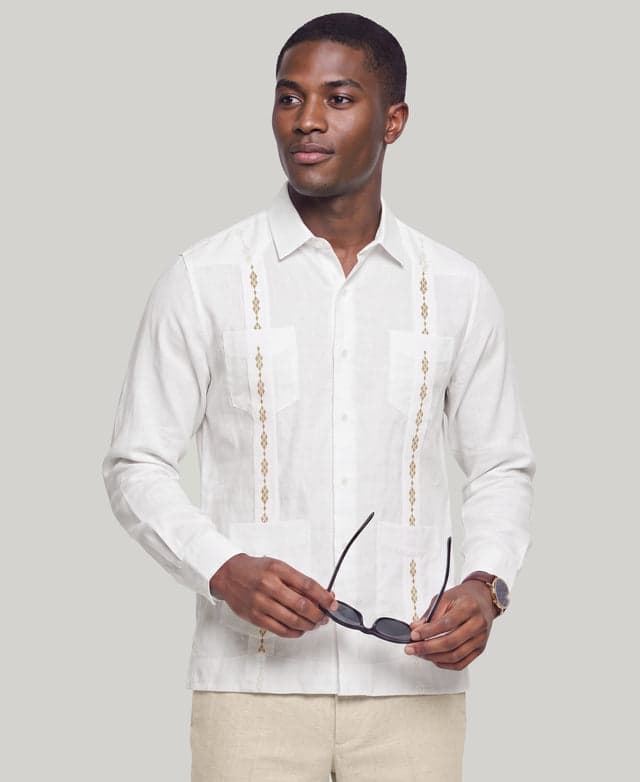 Geo Embroidered GuayaberaCubavera · $97.50
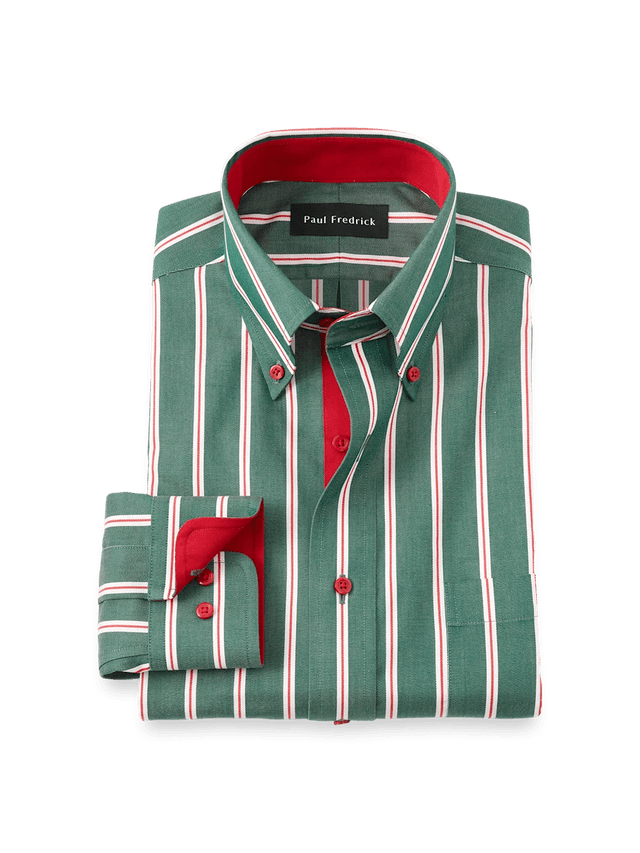 Non-Iron Cotton Novelty Dress Shirt with Contrast Trim - Red/GreenPaul Fredrick MenStyle · $149.00
What is safe to skip and where marketing is thin
Performance claims for casual t-shirts often oversell. Moisture-wicking labels on a basic cotton tee mean little—if you need that, buy actual athletic wear. Organic cotton at twice the price of regular cotton offers marginal benefit unless you have sensitive skin, and blended fabrics are actually harder to recycle than mono-materials, so sustainable claims ring hollow. Heritage branding and made-in claims add perception of value but not practical durability; a well-made tee from Vietnam lasts as long as one from Portugal. Preshrunk labels are standard now, not a feature. Count-up-style pricing (showing how a $90 tee is worth $180) is theater. Stay skeptical of color-retention and fade-resistance claims—wash cold, dry flat, and any tee holds color longer. ShopSimon and other broad-category retailers mix quality levels, so read the specific material composition and stitch description rather than trusting the brand name alone.
When do prices drop and what codes realistically cover?
The four strongest sales windows for men's casual clothing in 2026 are late January (winter clearance), Memorial Day weekend (May), late August (summer clearance), and Black Friday through mid-December. Father's Day (June) brings real discounts, often 15–25% off. Fourth of July weekend is a sneaky-good window because retailers need to clear summer stock before fall arrives. First-purchase discount codes are standard at 10–20% for new customers; sign up for brand newsletters to unlock these. Black Friday and Cyber Monday usually offer 20–30% off, and Boxing Day (December 26) is underrated for deep clearance. Mid-tier brands rarely offer instant discounts on full price; they prefer to run periodic sales rather than show you a fake original price. A realistic code covers the discount amount, not a per-item dollar amount—so 20% off a $50 tee saves $10, not $25.
What mistakes do shoppers make and how to avoid them?
Buying without measuring is the most common mistake. Fit varies wildly across brands—a large at one place is an extra-large at another, and a relaxed-fit shirt is not the same as oversized. Measure your chest at the fullest point and compare it to the product's actual chest measurement in the size chart, not your usual size label. Ignoring care instructions costs durability: turn tees inside out before washing, use cold water, and air-dry flat rather than tumble-dry high, which is why premium tees stay nice longer. Paying too much for your first order is risky—start with a lower-priced brand or take advantage of first-purchase discounts to test the fit before committing to multiple pieces. Chasing the lowest price often means buying thin, flimsy fabric that pills after a few washes; the $25–60 range consistently delivers better value per wear. Assuming all cotton is the same is naive; Pima cotton or Pima blends feel softer and last longer, while cheaper regular cotton fades fast. Finally, buying multiple pieces from the same brand without trying one first is a waste—even within a brand, a slim-fit tee from one season may not match the next.
How long does a quality men's t-shirt last?
A well-made t-shirt with double-stitched seams and quality fabric lasts 50–100+ washes if cared for properly. Pure cotton wears well but fades faster and shrinks more; blended fabrics stay more stable. A $50 shirt from a brand like Flag & Anthem or Paul Fredrick, properly dried and stored, keeps its shape and color for 3–5 years of regular wear. Cheaper tees pill after 15–30 washes and fade visibly after 20 washes. The trick is not the price alone but the fabric weight, stitch quality, and how you care for it. Turning shirts inside out before washing, avoiding the dryer, and keeping them out of direct sunlight add years of life.
Our top picks

Flag & Anthem50% off
Best for everyday wear: double-stitched seams, pre-shrunk cotton-blend fabric, regular and athletic fits, $50–70 range.
Shop Flag & Anthem →20 Flag & Anthem coupons →Cubavera67% off
Best budget option: breathable linen or cotton-blend materials, casual aesthetic, $15–25, good value for price.
Shop Cubavera →21 Cubavera coupons →Paul Fredrick MenStyle40% off
Best for premium quality: high-quality fabrics, tailored fits, long-lasting construction, $85–120 per shirt.
Shop Paul Fredrick MenStyle →20 Paul Fredrick MenStyle coupons →Frequently asked questions
What fabric blend is best for men's t-shirts?
A 70/30 or 65/35 cotton-polyester blend is the practical sweet spot: it shrinks only 1–2%, lasts longer than pure cotton, costs less, and holds its shape through many washes. Pure cotton feels softer but shrinks 3–5% and fades faster. Choose the blend unless you have sensitive skin.
How do I know if a t-shirt fits right?
Measure your chest at the fullest point and compare to the product's size chart. The shoulder seam should align with your shoulder bone, the chest should have moderate room (not tight, not baggy), and the hem should hit at mid-hip. Fit varies by brand, so always check the chart rather than your usual size label.
When should I buy men's t-shirts on sale?
The best sales windows are late January, Memorial Day, late August, and Black Friday through December. First-purchase codes offer 10–20% off. Expect 20–30% off during Black Friday, and watch for Father's Day sales in June. Sign up for newsletters to catch early-bird codes.
- https://www.fashionbeans.com/article/best-t-shirts-for-men
- https://www.rollingstone.com/product-recommendations/lifestyle/best-t-shirt-brands-1003946/
- https://wetried.it/best-mens-t-shirts/
- https://www.realmenrealstyle.com/best-times-buy-mens-clothing/
- https://mr-mag.com/american-brand-flag-anthem-launches-fall/