
The two options, compared
When you buy building bricks, you choose between official LEGO sets and licensed or compatible alternatives. Official LEGO sets, made by the Danish LEGO Group, are the industry standard: every brick adheres to strict tolerances, fits perfectly with decades of other LEGO pieces, and comes with polished instructions and licensed themes. Compatible sets—sold by brands like funwhole and gobrixx—use the same brick dimensions and are fully playable with LEGO, but cost significantly less, often 40–60% of the LEGO price. Both types build the same structures and teach the same skills. The difference lies in cost, long-term investment value, and whether you plan to mix your collection with other sets you own or inherit.




How they differ on quality and durability
LEGO bricks are manufactured to exacting standards in Europe and Asia, with tight tolerances that mean every piece fits snugly and remains usable for decades—often through multiple generations. The plastic is harder and more uniform, and the printing on minifigures and elements is sharper. Compatible brands like funwhole have improved significantly; independent reviews consistently note that their brick quality is now 'nearly indistinguishable' from LEGO for casual play. However, some compatible sets exhibit slightly looser tolerances, meaning pieces may pop off more easily during building or play, and the plastic can feel softer. Decals and printing are generally good but occasionally fade faster. For a child's first set or occasional building, the durability gap is negligible. For a collector's display or a set built and rebuilt hundreds of times, LEGO holds up measurably better.
- Brick fit and clutch power: LEGO snug, compatible slightly looser
- Plastic hardness and uniform color across pieces
- Minifigure printing sharpness and fade resistance
- Long-term durability through multiple play cycles
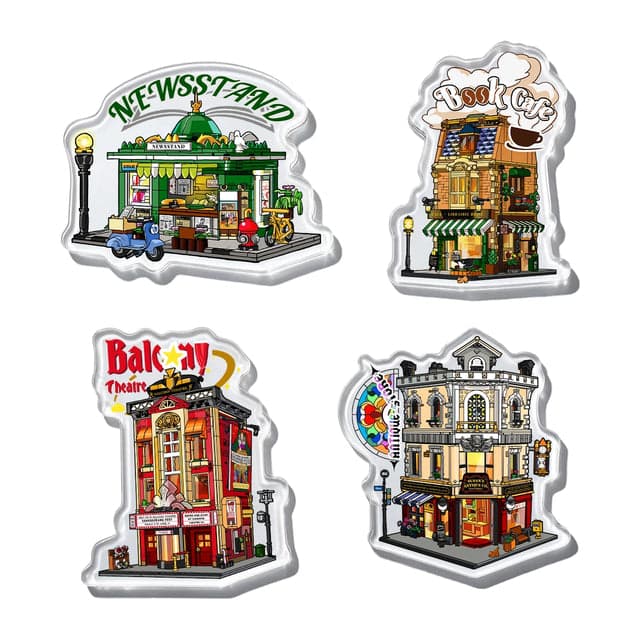 Town Life Fridge Magnet Set - GWP, Not for Salefunwhole · $20.99
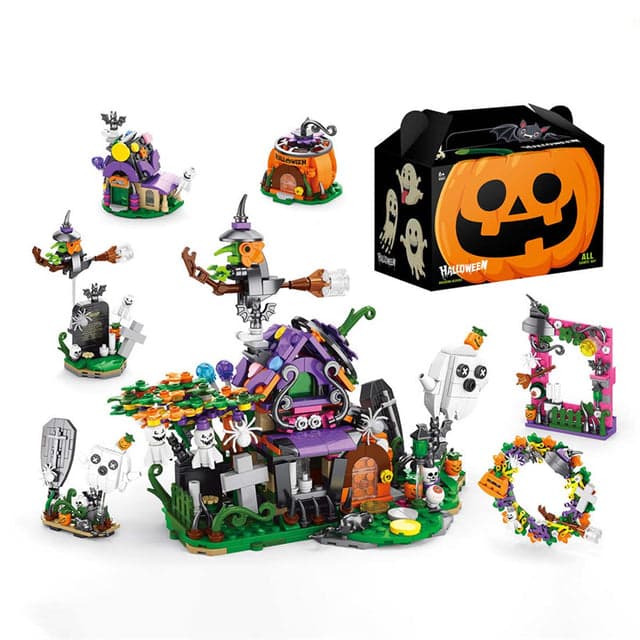 LELE BROTHER 9091 6-IN-1 Halloween Spukhausgobrixx · $19.99
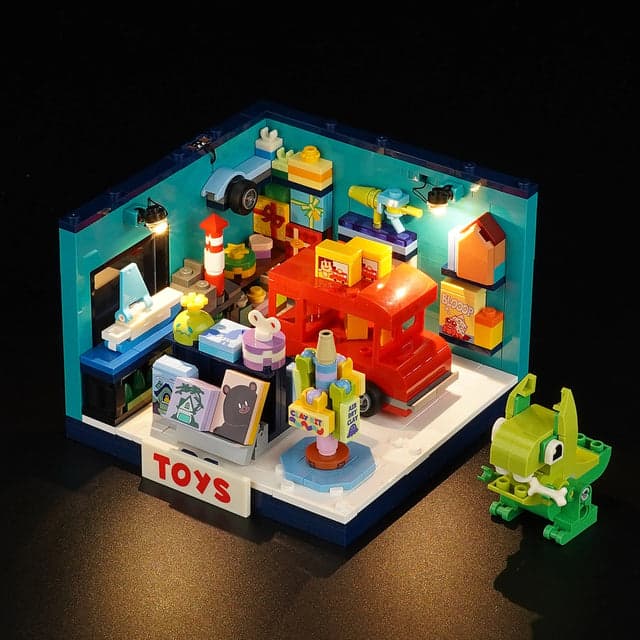 Toy Store Boxfunwhole · $29.99
How they differ on cost and ongoing expenses
LEGO retail prices range from USD 20 for small sets to USD 500+ for large architectural or licensed sets. The average price-per-piece hovers around USD 0.10–0.15. Compatible sets like those from gobrixx and funwhole typically run USD 0.06–0.10 per piece, saving 30–50% on entry. Once you buy either type, ongoing costs are minimal: basic storage containers and occasional replacement pieces for lost or broken bricks. LEGO offers replacement parts through its customer service; compatible brands vary—some honour requests, others do not. If you later sell your collection, LEGO sets retain 50–70% of their retail value on the secondary market, while compatible sets typically fetch 20–40%, making LEGO a better long-term investment if resale matters to you.
How much space do you need to store and display them?
A small LEGO set (200–500 pieces) fits in a shoebox or storage bin roughly 12x8x6 inches. A large modular building set (2,000+ pieces) requires a shelf space of about 15x12 inches when built and displayed. Storage depends on whether you keep sets built or loose: built sets need display shelves or glass cases; loose bricks need clear plastic drawers or bins organized by color or shape. Compatible sets like funwhole's Old West or Street Fusion themes occupy the same footprint as equivalent LEGO sets because they use standard brick dimensions. The real space challenge is not the brand but the scope—collectors of either type eventually need a dedicated bookcase, closet shelf, or dedicated room. Neither official LEGO nor alternatives save you space; neither is harder to store. The choice between them does not change your storage calculus.
- Small set (200–500 pcs): shoebox-sized storage bin
- Large set (2,000+ pcs): shelf space 15×12 inches when built
- Clear plastic drawers organized by color or piece type
- Glass display cases to protect finished builds from dust
- Open shelving with adjustable heights for different set sizes
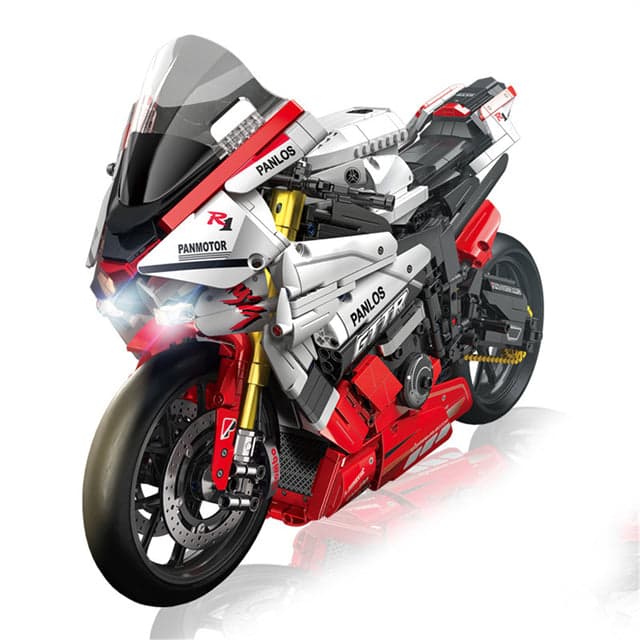 Panlos 672104 R1gobrixx · $99.99
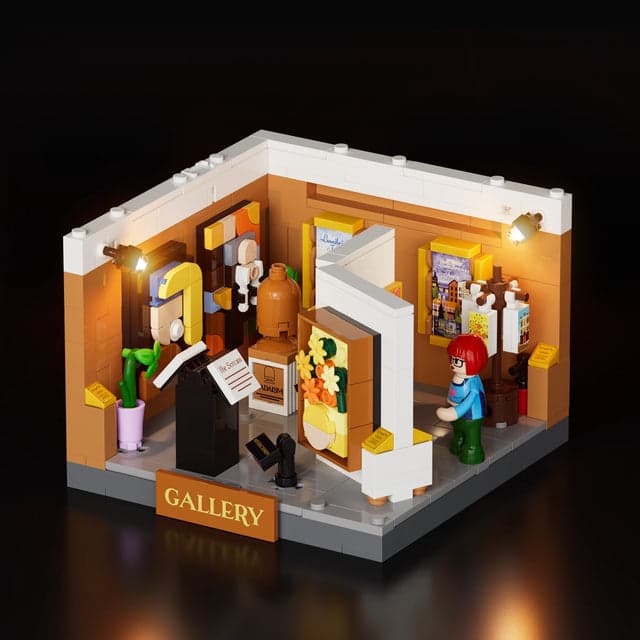 Brick Art Gallery Boxfunwhole · $29.99
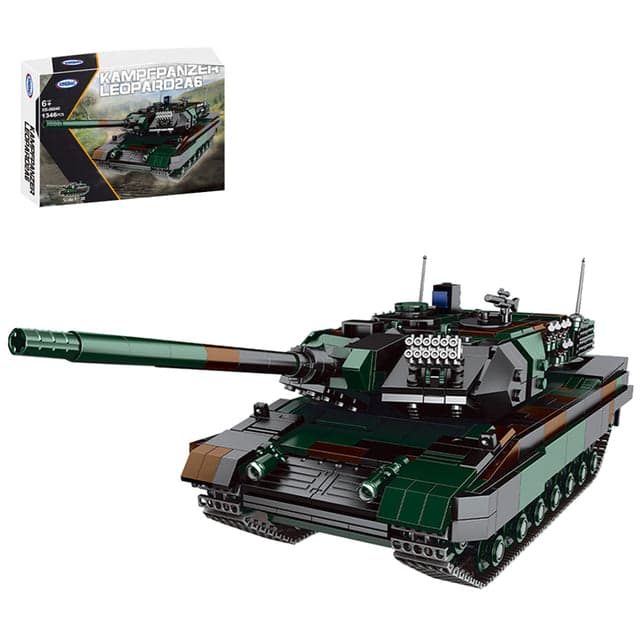 XingBao XB-06040 Kampfpanzer Leopard 2A6gobrixx · $64.99
Choose LEGO if you want universal compatibility and resale value
Buy official LEGO if you plan to mix sets across themes and decades, inherit or acquire second-hand LEGO, or anticipate selling your collection later. LEGO's universal brick standard means a 1980s Classic Space minifigure works seamlessly in a 2026 Creator Expert set. Resale value matters if you treat building sets as an investment or rotate your collection annually. LEGO also excels if you want licensed themes—Star Wars, Marvel, Harry Potter, and popular franchises are LEGO-exclusive. Customer service is stronger: LEGO replaces missing or defective pieces and offers digital building instructions through its app. The brand is also better for gifting to LEGO-owning relatives because expansion is guaranteed. If budget allows and you see building as a multi-decade hobby, LEGO's ecosystem justifies the premium.
Choose compatible alternatives if price and original designs matter most
Pick compatible sets from funwhole and gobrixx if your budget is tight or you want maximum play value per dollar. funwhole excels with themed modular buildings—Old West storefronts, Street Fusion shops, and Town Life scenes—at prices 40–50% below equivalent LEGO Architecture sets. gobrixx offers Klemmbausteine sets including display vitrines and stands, appealing to builders who want to showcase their work without LEGO licensing costs. These alternatives deliver excellent quality for casual builders and first-time buyers. Compatible sets are ideal if you have no existing LEGO collection to expand or if you plan to display and keep sets long-term rather than resell them. They also suit adult collectors who value unique themes over brand prestige—funwhole's Steampunk and Cyberpunk worlds have no LEGO equivalent. You sacrifice future mixing and resale value but gain immediate savings and distinct aesthetic options.
The case for owning both types—and when it is overkill
Many serious builders own both LEGO and compatible sets without conflict. LEGO can form your 'core collection'—investment pieces, licensed themes, and sets you may inherit or sell. Compatible brands like funwhole and gobrixx handle experimental themes and budget builds. This strategy is smart if you budget separately for each category: LEGO for your 'permanent' display, compatible sets for rotation and play. However, it is overkill if you are a casual builder with limited display space or a tight budget. Beginners should pick one brand family, build comfort with it, and only add the other if you find yourself wanting themes the first brand does not offer. Parents buying for children rarely need both; a single compatible set provides 50+ hours of engagement. Collectors and multi-set hobbyists gain from the flexibility of owning both.
When do LEGO prices drop and what discounts cover?
LEGO prices fall during holiday sales (November–December), after-Christmas clearance (January), and seasonal promotional events. Black Friday typically runs the weekend before Thanksgiving through the Monday after, with retailers offering 15–30% discounts on select sets. Retiring sets see deeper markdowns of 30–50% in their final weeks. LEGO's official website offers occasional sales and double VIP points promotions but rarely discounts retail prices below 10–15% off. Compatible sets from funwhole and gobrixx follow different pricing: small sets stay stable, but large modular buildings sometimes see 15–25% reductions around major shopping events. Subscription or loyalty program codes can yield 5–10% savings at specialty brick retailers. Season matters: LEGO raises prices slightly each January, so buying in December before the increase saves money long-term. Watch for bundle deals where retailers pair a set with a storage case or minifigure pack at a discount. Neither LEGO nor compatible brands typically honor external coupon codes; promotional codes from the official retailer are your best source.
What mistakes do buyers make when choosing between these types?
The most common mistake is assuming all compatible bricks are 'fakes' or knockoffs. Authentic compatible brands like funwhole and gobrixx are legally distinct, original manufacturers—not counterfeits—and their bricks meet standard dimensions. Counterfeits exist but are sold through unverified channels; buying from established retailers eliminates this risk. A second error is overestimating resale value: collectors often buy LEGO assuming they will recover 70% of the price, but used sets typically fetch 40–50% retail, and only if condition and completeness are pristine. Third, buyers underestimate storage needs; one large set takes surprising space, and collections grow faster than expected. Fourth, parents buy oversized sets assuming 'more pieces = more fun'; a 1,500-piece set is genuinely harder for a child under 10 to finish than a 500-piece set, and frustration kills enjoyment. Fifth, buyers mix old and new compatible brands without checking: not all 'LEGO-compatible' bricks fit equally well; stick with established brands like funwhole and gobrixx if mixing matters. Finally, dismissing compatible sets as cheap ignores that funwhole's modular buildings rival LEGO Creator Expert in detail and engagement—brand does not equal quality.
- Confusing legitimate compatible brands with counterfeit knockoffs
- Overestimating resale value; 40–50% recovery is typical, not 70%
- Underestimating storage space needed for collections over time
- Buying oversized sets for young children; 500–piece target, not 1,500+
- Mixing brands without checking compatibility; stick with established names
- Assuming lower price means lower play quality or durability
Our top picks

funwhole50% off
Modular building themes including Old West, Street Fusion, and Town Life at 40–50% below LEGO prices. Strong reviews for fit, detail, and clarity.
Shop funwhole →15 funwhole coupons →
gobrixx70% off
Klemmbausteine sets and display vitrines (EUR 10–120) for builders prioritizing showcase quality over brand prestige. Compact, affordable entry.
Shop gobrixx →15 gobrixx coupons →Frequently asked questions
Can I mix LEGO with compatible bricks from funwhole or gobrixx?
Yes. Both brands use standard brick dimensions and are fully compatible with LEGO. You can build structures mixing all three, though some builders report slightly looser tolerances in compatible sets, meaning pieces may pop off during intensive play.
Will a LEGO set be worth money if I sell it later?
LEGO sets typically resell for 40–70% of retail if complete and in good condition. Retired sets and licensed themes (Star Wars, Harry Potter) hold value better. Compatible sets resell for 20–40%, making LEGO a better long-term investment.
Which type is better for a 7-year-old's first building set?
Either works well. LEGO offers more licensed themes and broader compatibility. A compatible set from funwhole or gobrixx is gentler on budget, leaving room to buy more. Start with 300–500 pieces for this age; oversized sets frustrate.