
Why toy safety standards changed in 2026
New toy safety regulations came into effect globally this year, reflecting growing concerns about chemical exposure and physical hazards. The EU published stricter EN 71-1:2026 standards in January, adding tougher requirements for food-imitating toys that could pose choking risks, along with stricter limits on harmful substances like per- and polyfluoroalkyl compounds (PFAS) and allergenic fragrances. China made similar changes mandatory, introducing requirements for formaldehyde, azo dyes, and volatile organic compounds in toys. These updates matter to buyers because they raise the bar for what manufacturers can sell. Products made under older rules may still be in stores, so checking the certification date helps ensure you're buying to the latest safety standards. The 2026 updates reflect that regulators are paying closer attention to chemical migration in toys and the long-term health effects of materials that children mouth, chew, and play with for hours.
What to look for: certifications and test standards
In the United States, the mandatory standard is ASTM F963-23, which became law in April 2024. Any toy sold to children under 12 must carry a Children's Product Certificate backed by third-party testing from a CPSC-accepted lab. The testing covers impact, bite, flexure, torque, and tension across three age groups: under 18 months, 18 to 36 months, and 36 to 96 months. Each group faces different test levels because younger children are more likely to mouth toys and less likely to use them as intended. In Europe, toys must comply with EN 71 standards and carry a CE mark, which signals the product has been tested for mechanical, physical, chemical, and flammability safety. The EN 71-1 standard specifically tests for choking hazards, sharp edges, and small parts. When shopping, look for clear labeling showing ASTM F963, CE marks, or equivalent certifications from recognized testing bodies like Bureau Veritas or Eurofins. These marks tell you the toy passed rigorous testing for the age group it's aimed at, not just that a manufacturer claims it's safe.
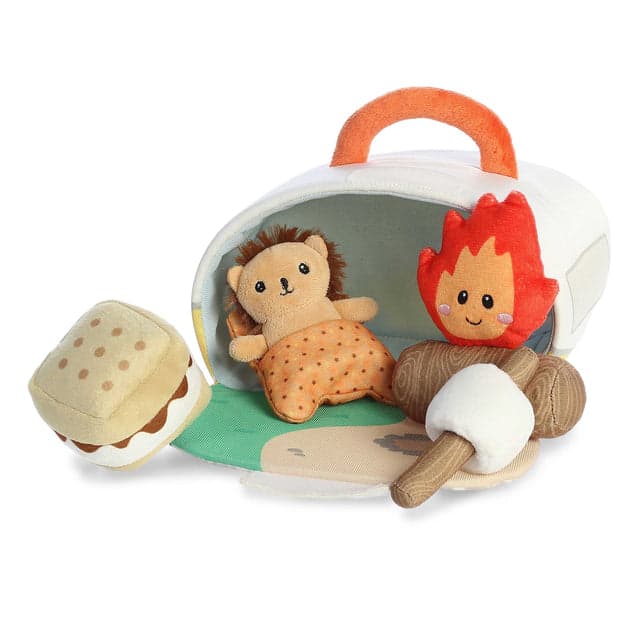 ebba™ - Baby Talk™ - 7" My First Campout™Aurora® · $30.19
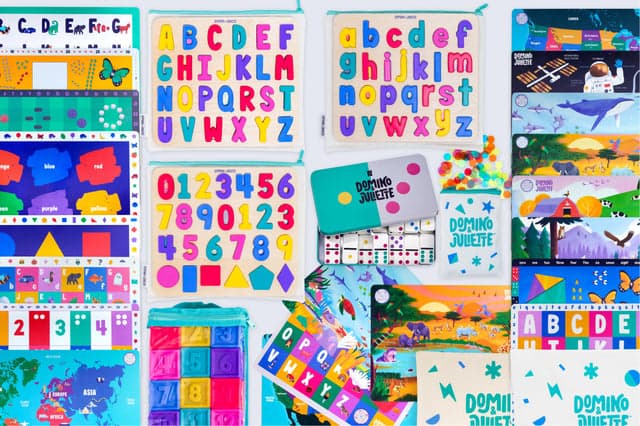 The Everything BundleDomino & Juliette · $239.95
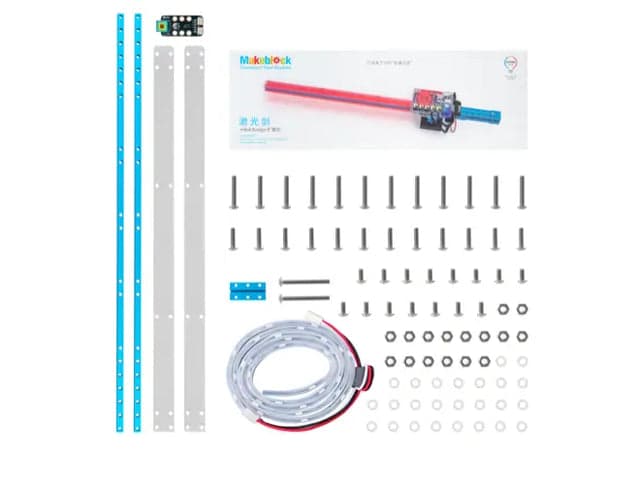 mBot Ranger Laser Sword Add-on PackMakeblock® US Store · $13.99
Which materials are actually risky for children
PVC plastic, often labeled #3 or marked as vinyl, is a major concern because it commonly contains phthalates—chemicals used to soften plastics that can leach into a child's mouth and body. Although several phthalates were banned from children's toys in 2009, some phthalate types remain legal and continue to appear in inflatable toys, bath toys, and rubber duckies. Lead is another heavy metal to avoid; it was used historically as a stabilizer in PVC and as a pigment in paints and ceramics, though its use in children's products has been restricted. Polycarbonate plastic marked #7 may contain bisphenol A (BPA), which disrupts hormones. Polyurethane foam used in toy stuffing often contains flame retardants and other chemical additives that can off-gas. The safest approach is to skip plastic toys entirely for babies under three, since plasticizers can interfere with hormonal development and brain growth. For older children, choose plastics marked #1, #2, #4, or #5—polypropylene and polyethylene are your safest bets. Toys labeled phthalate-free, PVC-free, and BPA-free are a step forward, but reading the label matters more than brand name alone.
Which buyers should choose which types of toys
Parents buying for infants and toddlers under three should prioritize toys made from natural materials: solid wood, organic cotton, wool, or natural rubber. These materials have no phthalates, flame retardants, or off-gassing chemicals. Look at brands like Aurora that specialize in soft toys and plush items for younger age groups, though always check the certification. For children aged three to eight, you have more flexibility. Wooden toys, fabric-based toys, and molded plastics labeled to safe standards all work well. Screen-free educational toys like those from Domino & Juliette appeal to parents wanting to build literacy and motor skills through physical play. For kids aged nine and up, coding kits and construction sets become relevant. Makeblock® US Store offers robot kits and coding toys designed for older children, combining play with STEM learning. If your child prefers outdoor play, brands like JOYSTARBIKE focus on bikes and scooters for different ages. Fun In Motion Toys makes fidget and sensory toys like Shashibo and Spinballs that suit kids who need movement or tactile engagement. Consider your child's age, play style, and what you're trying to achieve—learning, quiet time, or physical activity—before choosing a brand.
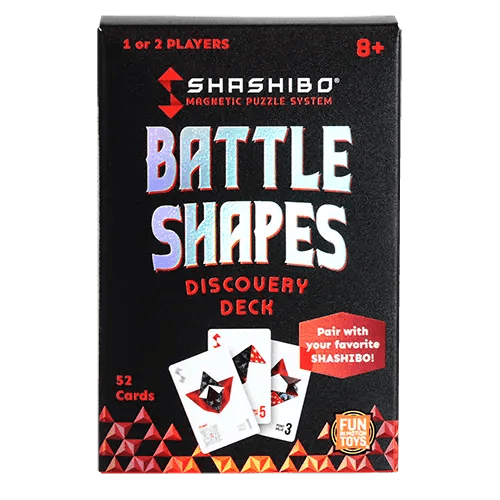 Battle Shapes Discovery DeckFun In Motion Toys · $9.99
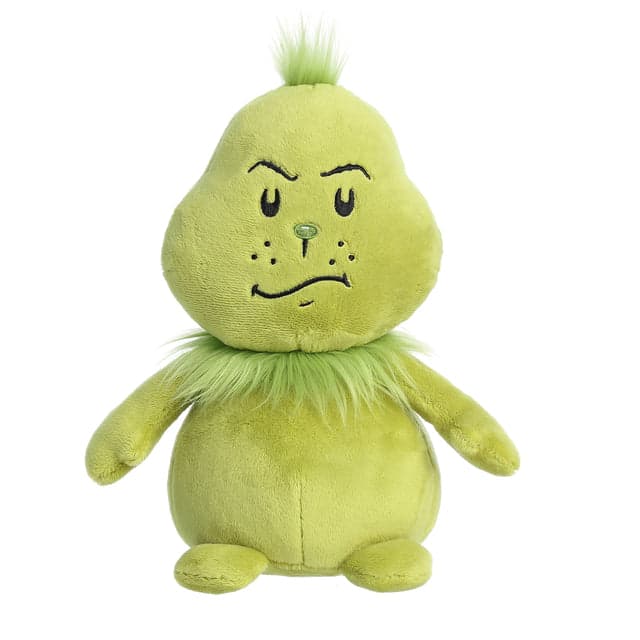 Aurora® - Dr. Seuss™ - 9.5" Pop Art GrinchAurora® · $9.25
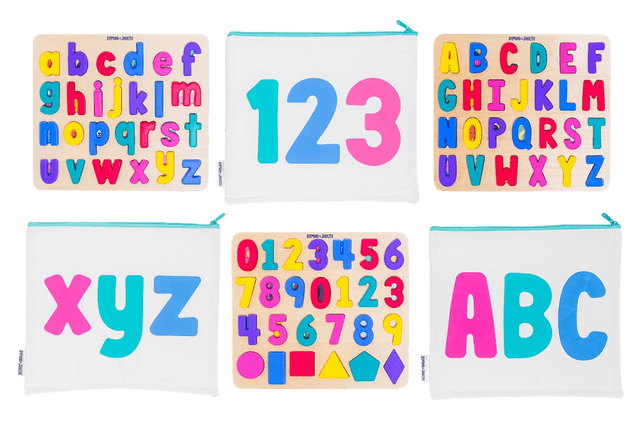 The Find & Fit TrioDomino & Juliette · $107.95
Quality markers: what separates safe from sketchy toys
A high-quality toy meets the standard for its region, shows clear third-party testing certification, and uses materials that don't degrade quickly or release harmful substances. Inspect the physical construction: seams should be tight, stuffing should not come out, plastic should not have sharp edges or cracks, and paint or finishes should not chip or peel. Cheap toys often skip third-party testing and rely only on the manufacturer's claim of safety, which carries no legal backing in the US or EU. Look for toys that list the specific plastic type (LDPE, PP, or HDPE rather than just "plastic"), mention the country of origin, and provide a batch or lot number. Brands that invest in quality, like Aurora with its Palm Pals and WubbaNub products, typically earn trust through years of compliance and reputation rather than price alone. Mid-range toys from established toy companies often represent better value than the cheapest options, because they balance safety compliance with affordability. If a toy is unusually cheap for its type, check whether it actually carries a CPC or CE mark, not just a generic "tested" claim. Vintage or hand-me-down toys, particularly wooden toys with paint, are risky because older manufacturing did not exclude lead-based paints—always avoid chipped vintage toys.
Size and age-appropriate fit: getting it right
The safest toy for a young child is one that matches the child's age and developmental stage. Toys labeled for ages 3 and up contain small parts that pass through a small parts test cylinder (31.7 mm or 1.25 inches), which means they can fit into a child's mouth, trachea, or ear. A child under three should not play with these toys unsupervised. Conversely, a toy designed for babies under 12 months has no small parts and fits the grip size and mouthing behavior of that age group. Always read the age range on the box; it reflects the testing that toy underwent, not just marketing. Button batteries and high-powered magnets are particular hazards for children aged 2 to 7 because they are small, attractive, and can cause serious internal injuries if swallowed. Ensure toys that contain batteries or magnets have secure, child-proof compartments. For ride-on toys like bikes or scooters from JOYSTARBIKE, the frame and seat height matter as much as the age range—a child should be able to touch the ground with their feet for safety. For construction toys and building sets like those from gobrixx, larger blocks are safer for younger children because they eliminate choking risk entirely. When buying online, check the product photos for scale and read reviews from parents of similar-aged children to confirm the size works for your child.
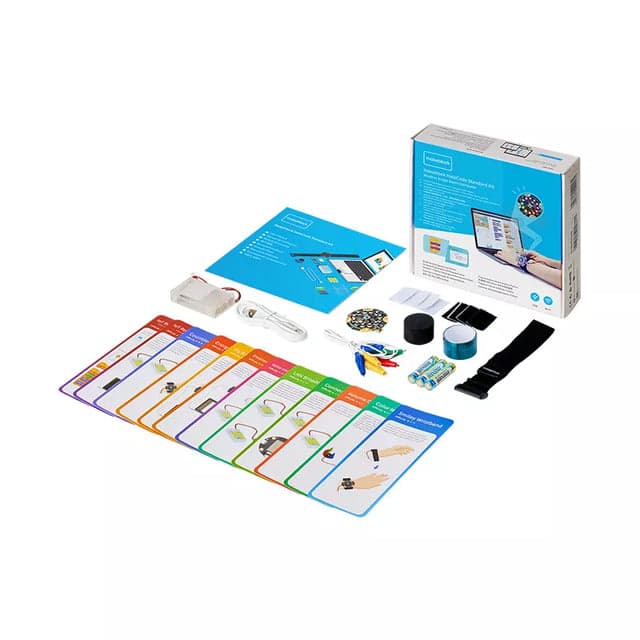 Makeblock HaloCode: Wireless Single Board Computer for Beginners to Learn ProgrammingMakeblock® US Store · $16.99
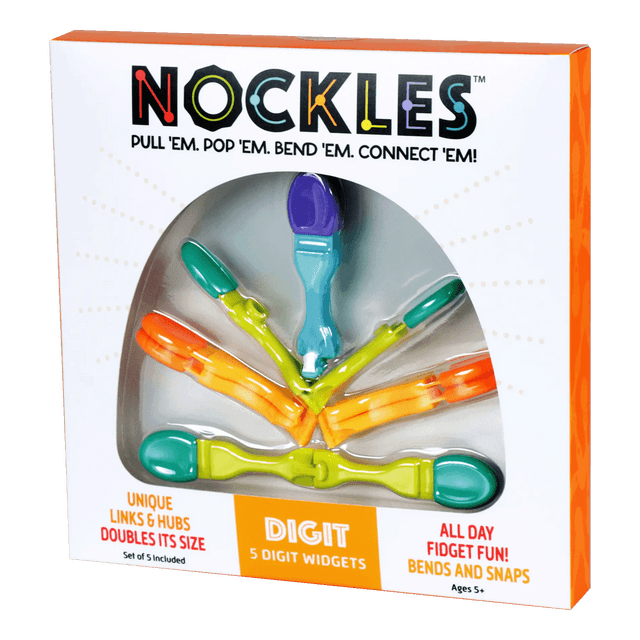 Nockles™Fun In Motion Toys · $5.00
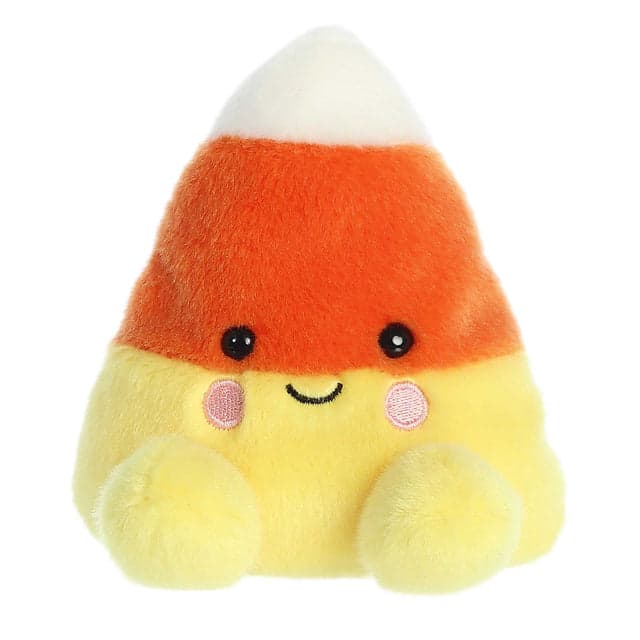 Aurora® - Palm Pals™ - 5" Maisy Candy Corn™Aurora® · $11.69
How to find deals without sacrificing safety
Toy prices drop most sharply at the end of season (after holiday sales in January) and during back-to-school sales in late August and September. During these periods, mid-range and premium brands often discount 20 to 40 percent. However, sales codes and discounts rarely apply to new products fresh off the manufacturing line—they apply to stock from the previous season, which is still safe if it meets the same standard year to year. Check the certification date on the packaging; a toy from 2025 compliance tested to ASTM F963 is just as safe as one from 2026 tested to the same standard. Building sets from gobrixx and plastic toys from JOYSTARBIKE sometimes see deeper discounts on bulk orders, so if you're buying for multiple children or as gifts, ask for volume discounts. Do not buy toys from unauthorized resellers or heavily discounted marketplaces if you cannot verify the certification label and batch number, because counterfeit toys sometimes enter circulation and lack proper testing. Natural material toys from brands like Treasure Map Trails often hold their value and discount less, but a lower discount does not mean they are less safe—wood and cotton toys age well and can be passed on. Wait for seasonal sales rather than buying at random, and use that waiting time to research the specific toy's safety record on CPSC and European market surveillance databases.
Common mistakes when comparing toy safety
The biggest mistake is assuming that high price means high safety. A $50 toy with no certification is less safe than a $15 toy with a valid CE mark or CPC, because the certification guarantees testing happened. Another pitfall is trusting the word "non-toxic" without checking if it's backed by a standard. ASTM D-4236 on art supplies means a toxicologist reviewed it, but a toy labeled just "non-toxic" might mean the manufacturer says so. Avoid comparing toys from different regions; a toy certified for the EU may not meet US ASTM F963 standards, and vice versa. A toy that passed old standards (pre-2024 ASTM F963-16) may have been legal then but doesn't meet 2024 requirements for chemical migration or food-imitation choking hazards. Parents often overlook the age range stamped on the packaging, assuming their gifted child can "use it early" or "grow into it," but each age range reflects specific testing for that developmental stage. Secondhand toys and hand-me-downs are risky if you cannot verify they carry original certification documentation and have no chipped paint or broken parts. Finally, do not assume that a toy sold by a major retailer was checked for compliance; many retailers rely on sellers to provide the CPC, and counterfeits sometimes slip through. Always inspect the physical certification mark and documentation yourself rather than trusting the seller's description alone.
How to avoid buyer's remorse: the safety checklist
Before buying, verify three things: First, check the age range on the box matches your child's age exactly, not "ages 3 and up" if you're buying for a two-year-old. Second, locate the certification mark—ASTM F963-23 for US toys, CE for European toys, or equivalent—clearly printed on the packaging or product label. If it's not there, do not buy. Third, inspect the toy for materials; if it says PVC, vinyl, or polycarbonate, skip it unless the label explicitly states phthalate-free, BPA-free, and uses safe colorants. For fabric and plush toys, confirm the toy is washable and flame-resistant as required by standards. Check the CPSC or European market surveillance databases before purchase using the product name and batch number. Read recent parent reviews on independent retailer sites, not just manufacturer reviews, to see if the toy matches the description or if there have been quality or safety complaints. If buying secondhand, ask the seller for the original packaging and CPC certificate; if they cannot provide it, assume the toy lacks proof of compliance. Finally, set a reminder to check for recalls three months after purchase—safety issues sometimes emerge in the field even if a toy passed testing. Building this habit takes five minutes per purchase but catches unsafe products before they harm your child.
Our top picks

Aurora®50% off
Aurora specializes in plush toys and soft companions for young children, including Palm Pals and WubbaNub products that prioritize gentle materials for babies and toddlers.
Shop Aurora® →15 Aurora® coupons →
Domino & Juliette73% off
Offers screen-free educational toys designed to build early literacy, math, and motor skills through play, ideal for parents seeking development-focused alternatives.
Shop Domino & Juliette →15 Domino & Juliette coupons →
Makeblock® US Store20% off
Provides coding robot kits and educational toys for older children combining STEM learning with play, suited to families prioritizing hands-on technology learning.
Shop Makeblock® US Store →16 Makeblock® US Store coupons →
Fun In Motion Toys70% off
Makes fidget and sensory toys like Shashibo and Spinballs for children needing tactile or kinetic engagement during play and learning.
Shop Fun In Motion Toys →15 Fun In Motion Toys coupons →Frequently asked questions
What does ASTM F963 certification actually mean for safety?
ASTM F963-23 is the mandatory US toy safety standard requiring third-party testing for toys aimed at children under 12. Testing covers choking hazards, sharp edges, small parts, and chemical safety specific to each age group. A toy with this certification has passed rigorous abuse and use tests simulating normal play.
Are wooden toys always safer than plastic toys?
Wooden toys are generally safer if made from solid, untreated wood, but chipped or painted vintage wooden toys may contain lead. Modern plastic toys meeting ASTM F963 or CE standards are safe if they avoid PVC and phthalates. The certification matters more than the material itself.
How do I know if a toy is a counterfeit or uncertified knockoff?
Check for a clear certification mark (ASTM F963, CE) printed on the packaging, not a sticker. Verify the batch or lot number. Compare the product to the official brand's website. Buy from authorized retailers when possible. If you cannot see certification documentation, do not purchase the toy.
- https://www.eurofins.com/toys-hardlines/resources/articles/toy-safety-regulations-2026-key-updates-for-the-eu-uk-us-and-china/
- https://www.astm.org/news/press-releases/safer-children-039-s-toys-astm-f963-toy-safety-standard-required-by-u-s-law
- https://www.healthychildren.org/English/safety-prevention/at-home/Pages/How-to-Buy-Safe-Toys.aspx
- https://toxicfreefuture.org/healthy-choices/how-to-choose-safer-toys/
- https://www.cpsc.gov/Business--Manufacturing/Business-Education/Toy-Safety