
Why This Purchase Goes Wrong for Most First-Time Buyers
The most common mistake is buying based on looks or price alone, without considering how the chair fits your body and desk setup. Many shoppers choose a chair that is too deep, which cuts off circulation to the thighs and creates discomfort after an hour or two of sitting. Others pick chairs with fixed armrests that prevent them from getting close enough to the keyboard, forcing them to reach forward and straining the shoulders. The cheapest options often have foam that flattens within six to nine months, making them uncomfortable long before they wear out physically. Budget buyers frequently overlook adjustability entirely, settling for a single tilt setting and fixed lumbar support, only to realize after a week that the chair does not match their sitting posture. This is why brands like odinlake focus on offering multiple adjustment points: what feels fine for one person's body will feel wrong for another, and there is no way around this without trying the chair or understanding your own measurements first.
Decide This First: The One Question That Narrows Everything
Before looking at any models, answer this: How many hours per day will you sit in this chair? This single question cuts through almost all the noise. If you work at a desk full-time (six to eight hours daily), you need a chair in the $300 to $500 range with adjustable lumbar support, a seat that slides forward and backward, and armrests that move up and down. If you use it only two to three hours a day for email and occasional tasks, a chair under $200 with basic mesh backing will serve you fine. If you sit for more than eight hours or have existing back pain, jump to the $600 to $1,000 tier, where you get premium foam, multi-directional armrests, a headrest, and finer adjustment controls. Your workday length is the master switch that drives everything else: materials, warranty length, and how many adjustable features you actually need. Everyone else's opinion—your colleague's favorite brand, a review you read—becomes secondary once you know how long you will really be sitting.
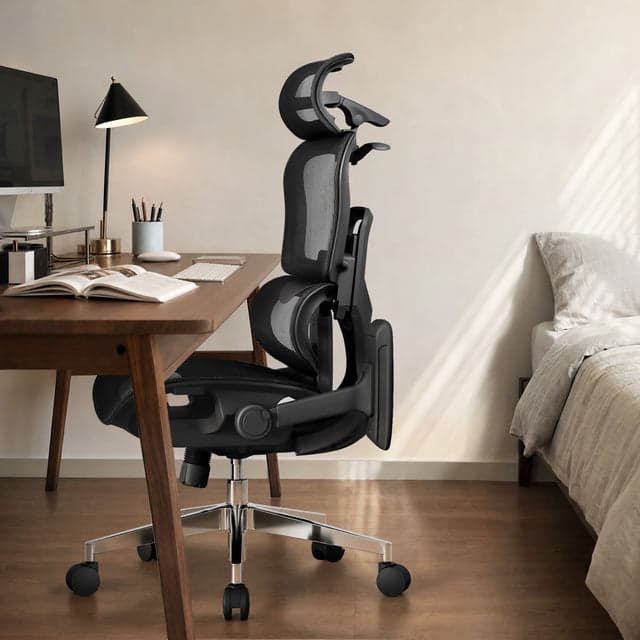 L3 FlexBreath® Ergonomic Chair | Auto-Tracking Lumbar Supportodinlake · $299.00
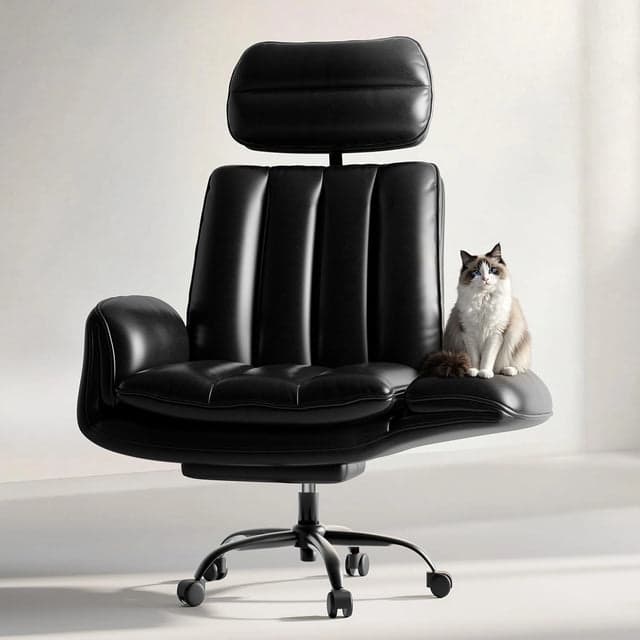 LBGYZ02 Criss Cross Office Chair, Pet-Friendly Wide Seat Reclining Desk Chair,BlackBuyglobal · $249.99
 Reward Gift - LiberNovo Nap BlanketLibernovo · $99.00
The Specs, Materials and Sizes That Actually Matter
Lumbar support is non-negotiable for anyone sitting more than three hours daily. Look for either a fixed lumbar curve that suits most people, or an adjustable lumbar mechanism that lets you move the support up, down, and in and out until it matches your lower spine. Seat height should be adjustable across a range that lets your knees form a 90-degree angle when your feet rest flat on the floor. Seat depth matters more than most shoppers realize: a seat that is too deep cuts off circulation, and one that is too shallow does not support your thighs enough. The best chairs offer a seat-depth adjustment slider, so you can pull the cushion forward to fit your body. Mesh backing breathes better than solid fabric or leather, stays cool during long hours, and does not lose support as foam compresses. Steel and aluminum frames last far longer than plastic, and you should see a stated weight capacity of at least 250 pounds, even if you weigh less—it signals a robustly engineered base. Premium chairs use cold-cured, high-density foam rated for ten years of eight-hour use; budget foam flattens in six to nine months. When you see Buyglobal or odinlake listing office chairs, check the material specs: if it does not mention foam density, lumbar type, or frame material, ask before buying.
The Trade-Offs: What Is Safe to Skip
Headrests are a luxury, not a necessity, and most people never use them once the novelty wears off. A good lumbar support makes a headrest unnecessary for full-time desk workers. Leather is attractive but less breathable and harder to clean than mesh; it also does not add meaningful durability compared to high-quality fabric. Extra-wide seats (more than 20 inches) add cost and may not fit under your desk; if you are an average build, standard width is fine. Tilt-lock (where the backrest does not recline) is a feature you can safely ignore; most workers benefit from at least three recline positions. RGB lighting, designer frames, or heavy marketing do not improve comfort or durability. Foot rests are nice to have but are not essential if your desk and chair height are set correctly. What you should never skip: adjustable lumbar support, seat-height adjustment with a gas cylinder (not a hand crank), and armrests that move up and down. If a chair maker cuts costs on these three, it is cutting into the core support your spine needs.
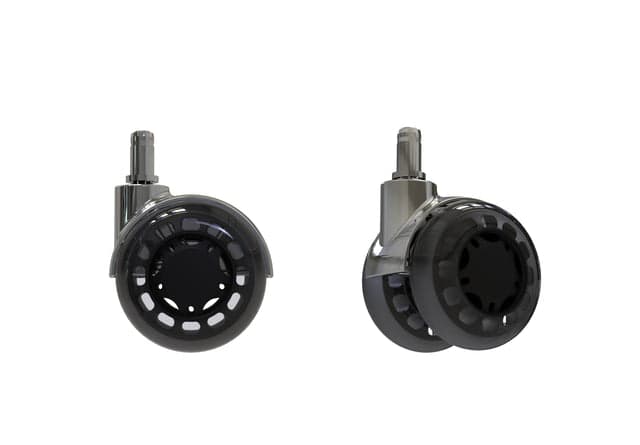 Silent Chair Casters | Replacement Wheels (O1,O2,O3)odinlake · $39.99
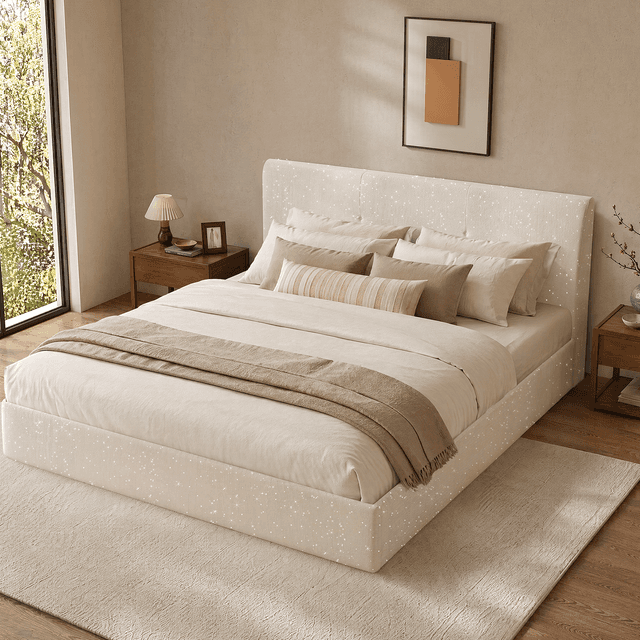 BH01 Cloud Upholstered Platform Bed Frame in Beige Chenille Fabric, Assembly-Free Foam Cushioned Floor Bed Frame with HeadboardBuyglobal · $315.99
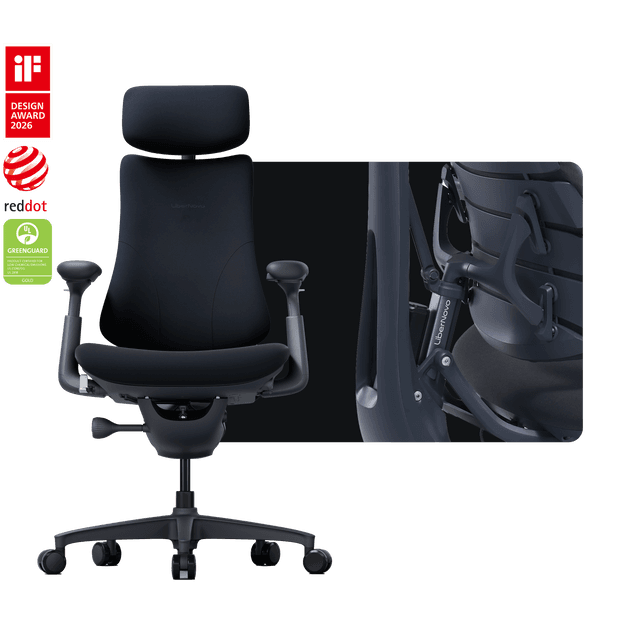 LiberNovo Omni and Omni Gen Dynamic Ergonomic ChairLibernovo · $803.00
Sizing, Fit and Capacity: Getting It Right the First Time
Measure the distance from your knee to your lower back while you sit upright; this tells you the seat depth you need, ideally between 16 and 18 inches for most people. Seat height is critical: when your feet rest flat and your thighs are level with the ground, the seat should be roughly at mid-calf height. If you are very tall or short, check the adjustment range before buying—many chairs adjust from 17 to 21 inches, which does not fit everyone. Armrest height should allow your elbows to rest at a 90-degree angle with your keyboard at elbow height; if the armrests are fixed or too high, your shoulders will hunch after a few hours. Weight capacity is often listed on spec sheets; if you weigh 180 pounds, choose a chair rated for at least 250. Width matters less than depth, but if you have a wider frame, confirm the seat width is at least 19 inches. When shopping at retailers like Buyglobal, look for return windows of at least 30 days so you can test the chair at your desk with your own setup; fit is individual, and what works in a showroom may feel wrong in your home office after an hour of typing.
Who Each Kind of Buyer Should Look At
If you work full-time in an office environment, look at odinlake's ergonomic chair range, which offers multiple lumbar support levels and seat-depth adjustment for $300 to $500, hitting the sweet spot for comfort and durability without premium pricing. For occasional home workers who sit fewer than four hours a day, Buyglobal stocks office chairs in the $60 to $150 range with basic mesh backing and height adjust; these are honest budget chairs that do the job without overpromising. If you have specific fit needs—very tall, very short, or existing back pain—Libernovo's dynamic ergonomic options with customized support adjustment justify the premium price for users who will spend eight or more hours daily in the chair. For shoppers who want a single, trusted source rather than hunting across multiple sites, each of these brands publishes clear specifications for seat depth, height range, foam type, and frame material, so you can match the specs to your body before placing an order.
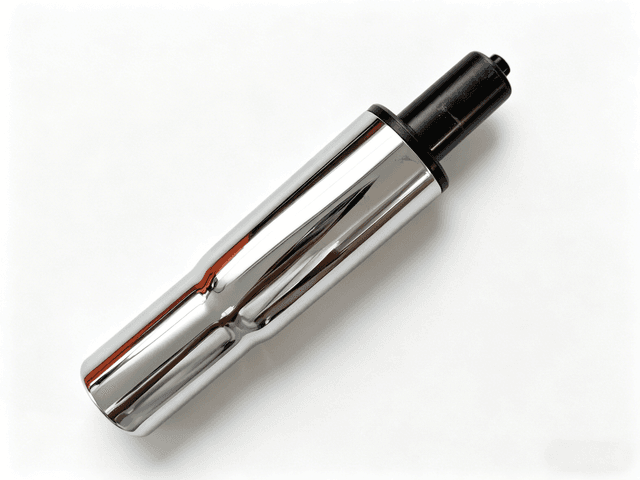 4.7 inch Class 4 Gas Lift Cylinder Replacement for O1,O2,O3 Office Chairodinlake · $39.99
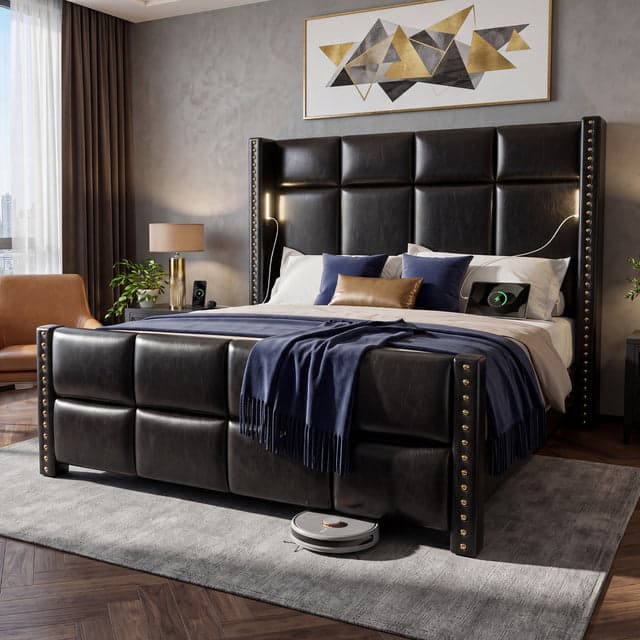 BR18 Upholstered Platform Bed Frame with Reading Lights & 56.7" High Headboard, Modern Luxury Black Leather Bed with Built-in Power OutletBuyglobal · $299.99
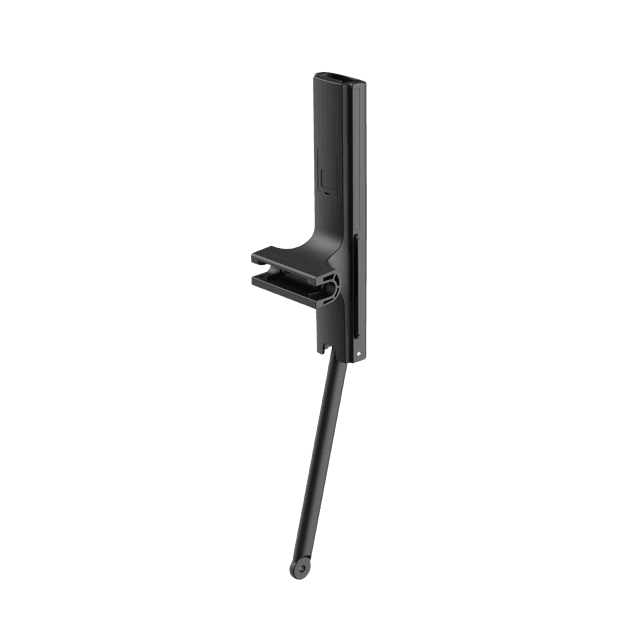 SE-Headrest Sleeve AssemblyLibernovo · $39.00
Quality and Value: What Separates a Good Buy From a Cheap One
A quality chair uses cold-cured, high-density foam that resists flattening over ten years; budget chairs use thin PU foam that compresses in six to nine months and loses lumbar support much faster. The frame and base matter more than most shoppers realize: steel frames outlast plastic bases by a decade, and a metal wheel and gas cylinder perform more smoothly than plastic equivalents. Warranty length signals confidence; look for at least five years on the mechanism and frame. odinlake and similar reputable brands often back their ergonomic chairs with warranties of five to ten years, meaning they expect the mechanism to last. Adjustability is often cut from budget models: a $100 chair may have fixed armrests and a single tilt setting, while a $400 chair in the same brand's lineup offers six points of adjustment. The foam density specification—measured in pounds per cubic foot—is a real differentiator: 2 lb foam is basic, 2.5 to 3 lb is good, and 3.5 lb or higher signals premium support. When comparing prices across brands, ignore the base price and look at the warranty, foam spec, frame material, and number of adjustments; a thoughtful $350 chair is a better purchase than a poorly fitting $900 one.
How to Save Money: When Prices Drop and What a Code Covers
Office chair prices drop in two predictable windows: late summer (August and September, when offices buy for the fall season) and mid-January (post-holiday clearance). Watch for sales in these months, as discounts of 15 to 30 percent are common. Manufacturer coupon codes sometimes cut an additional 10 to 15 percent from the listed price, though these are often one-time use and apply only to full-price items, not items already on sale. Free shipping often saves $30 to $60 on a $400 chair, so factor that into your total cost. Clearance sales on last year's models offer the steepest cuts (up to 40 percent off), and a prior-year ergonomic chair is identical to the current one if nothing else has changed in that line. Bulk discounts apply if you are buying two or more chairs at once; many retailers offer 10 to 15 percent off per unit. Avoid buying used office chairs from unknown sellers, as you cannot verify the foam condition, frame integrity, or how many hours the mechanism has already been used. Pay attention to return windows: a 30-day or 60-day return policy lets you test the fit at your own desk, and this is worth more than a 5 percent discount if the chair does not work out.
Mistakes Shoppers Make and How to Avoid Them
The biggest single mistake is skipping the measurement step and trusting your eye alone. A chair that looks like it will fit often does not, especially if you are taller or shorter than average or have longer or shorter legs relative to your torso. Buying the cheapest option sounds smart until the foam goes soft after three months and you are sitting on a flattened seat. Choosing a chair based on brand name or online reviews from people with different bodies is another pitfall; a five-star review from someone with a narrow frame tells you nothing about fit for a wider person. Ignoring seat depth is common, and it is a major source of discomfort: you sit down and the edge of the cushion presses into your thighs, cutting circulation and causing soreness by mid-afternoon. Assuming fixed armrests will not matter is a mistake that becomes obvious within a week; when your elbows cannot rest comfortably, your neck and shoulders compensate and tighten up. Not checking the height-adjustment range before buying is another frequent error; if the lowest setting is still too high for you, or the highest is too low, the chair is wrong for your body no matter how good the lumbar support is. Finally, do not assume that a higher price guarantees better fit: a $900 chair with the wrong seat depth is worse than a $350 chair from odinlake or Libernovo that matches your measurements exactly.
Our top picks

odinlake33% off
Offers ergonomic chairs with adjustable lumbar support and seat-depth sliders at mid-range prices ($300–$500), ideal for full-time home office workers who want real adjustability without premium costs.
Shop odinlake →35 odinlake coupons →
Buyglobal40% off
Stocks office chairs across budget and mid-range tiers ($60–$500), with clear specifications on materials and adjustment features, making it useful for both occasional users and full-time workers.
Shop Buyglobal →19 Buyglobal coupons →
Libernovo50% off
Specializes in dynamic ergonomic chairs with customized support adjustment, suited for users with specific fit needs or those working eight-plus hours daily who can justify premium pricing.
Shop Libernovo →15 Libernovo coupons →Frequently asked questions
How much should I spend on a desk chair?
For full-time office work, spend $300 to $500 on a chair with true lumbar support and multiple adjustments. Budget chairs under $150 work for occasional use; premium models over $600 are for specialized needs or very long workdays. A thoughtful $350 chair beats a poor-fitting $900 one.
What is the most important feature in an office chair?
Adjustable lumbar support combined with seat-height adjustment is most critical for comfort during long hours. Seat depth matters too, as a seat that is too deep cuts off thigh circulation. Lumbar support keeps your spine aligned and reduces back pain over time.
How long do office chairs last?
A quality chair with a steel frame and high-density foam lasts eight to twelve years with regular use. Budget chairs with thin PU foam may feel flattened in six to nine months. Look for a five-year warranty on the frame and mechanism as a sign of durability.
- https://www.odinlake.com/blogs/ergonomic-chair/office-chair-price-guide
- https://www.tomsguide.com/best-picks/best-office-chairs
- https://hbada.com/blogs/hbada-blogs/how-to-choose-the-best-ergonomic-office-chair-in-the-us-2026-buyer-s-guide
- https://www.flexispot.com/blog/ergonomic-office-chair-features-explained
- https://www.techradar.com/news/5-common-mistakes-most-people-make-when-buying-an-office-chair