
Why this purchase goes wrong for most first-time buyers
Most first-time griddle buyers focus on price and overlook the two things that determine actual lifespan: heat distribution and material quality. A griddle with poor burner spacing leaves cold spots where food cooks unevenly, forcing you to babysit the cooking surface. Equally costly is choosing the wrong surface material—griddles made from thin steel rust quickly and warp under temperature swings, while properly made stainless steel or cast iron holds heat and resists the elements. Another common trap: buying a tabletop model thinking you'll move it between patios, then realizing a 30-pound griddle is inconvenient to lift and the legs don't lock securely. Retailers like Ace Hardware stock both types, but even at the same price, construction quality varies wildly. The griddles that disappoint are usually chosen for color, reviews that don't mention rust or warping, or because they were on sale—not because they were right for the job.



Decide this first: the one question that narrows everything else
Ask yourself: will this griddle stay put in one spot, or move between locations? Stationary griddles (28 to 36 inches, 150+ pounds) anchor to a cart or built-in cabinet and accept permanent plumbing for propane or natural gas. Portable models (usually 20 to 30 inches, under 60 pounds) sit on wheels or legs, hook to a refillable propane bottle, and fit small patios or travel. Once you answer this, size, power, and construction type almost choose themselves. A stationary griddle needs robust frame bracing and high BTU output because you can keep it fed year-round; a portable griddle prioritizes light weight and storage footprint, which means accepting smaller cooking surfaces and lower heat output. Retailers often group them separately—Ace Hardware and other suppliers list them under free-standing or tabletop categories—so deciding first saves you from comparing apples to oranges.
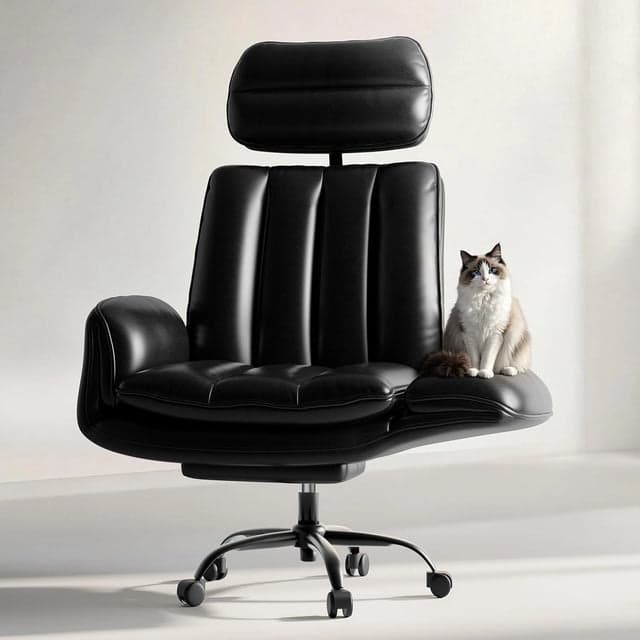 LBGYZ02 Criss Cross Office Chair, Pet-Friendly Wide Seat Reclining Desk Chair,BlackBuyglobal · $249.99
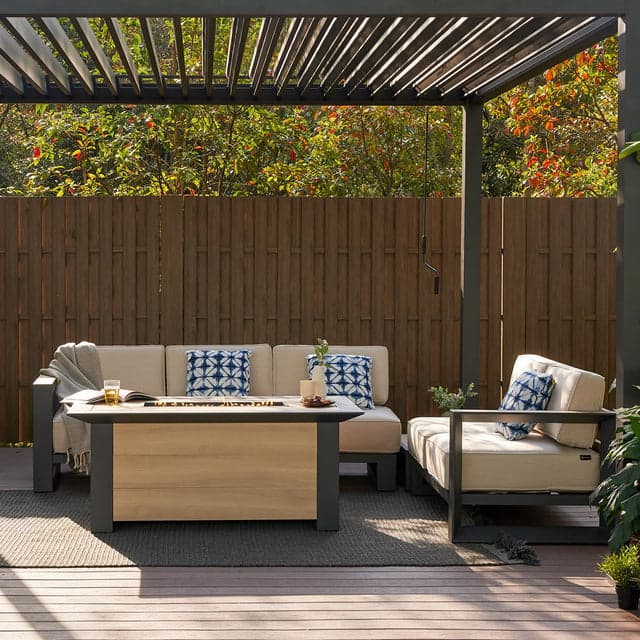 Sanibel Modular Corner Sofa - 5-piece - Mirador Outdoor FurnitureMirador Outdoor Living · $3999.00
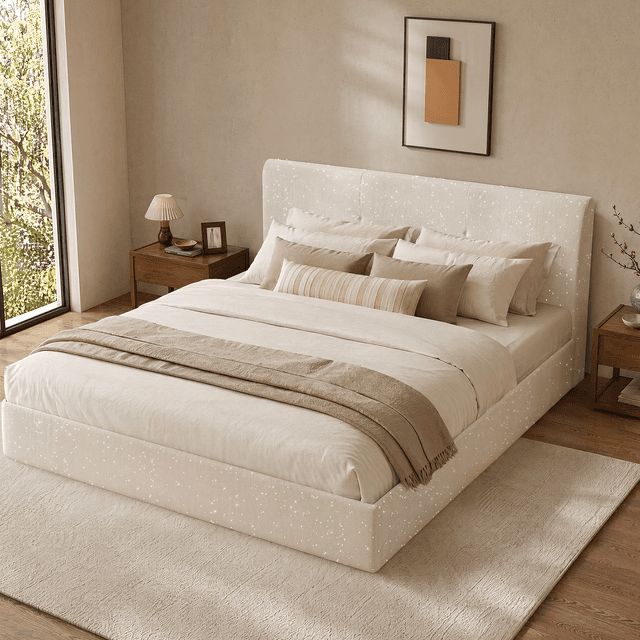 BH01 Cloud Upholstered Platform Bed Frame in Beige Chenille Fabric, Assembly-Free Foam Cushioned Floor Bed Frame with HeadboardBuyglobal · $315.99
The specs, materials or sizes that actually matter
Surface material is non-negotiable. Stainless steel (usually 304-grade, 1/4-inch thick) resists rust and food sticking, handles acid, and lasts 5+ years outdoors with basic care. Cast iron or rolled steel is cheaper, cooks slightly better when seasoned, but needs oiling after every use and rusts faster in humid climates. Cooking surface area: a 36-inch griddle gives roughly 760 square inches, enough for 20 burgers or a large sheet-pan meal; a 28-inch model offers about 530 square inches, suitable for family meals but tight for entertaining. Burners and BTU: look for models with 40,000 to 60,000 total BTU, split into 3 or 4 independent zones so you can run searing heat on one side and warming heat on the other. Cheap griddles cram too much power through one or two burners, leaving dead spots. Grease management matters—troughs running the length of the griddle plus a collection cup below make cleanup quick; rear-grease models or no troughs mean you'll scrape buildup with a spatula every time.
- Surface: 304 stainless steel, 1/4" thick preferred over thin steel
- Cooking area: 500–1000 sq. in. depending on space and guest count
- Burners: 3–4 independent zones, 40,000–60,000 BTU total
- Frame: stainless or powder-coated steel with cross-bracing underneath
- Grease system: dedicated trough and drain cup, not just rear spout
The trade-offs, and what is safe to skip
Larger griddles (36 inches) heat slower and consume more propane than 28-inch models, but cook faster once hot. Portable versions run propane but tie you to refill schedules; natural gas models (installed permanently) never run out, but cost more upfront. Digital temperature displays look modern but fail if the battery dies—analog thermometers are less stylish but always work. Side shelves extend prep space but add weight and take up storage room. Chromium-plated surfaces cook fast but chip easily; stainless steels season slowly but last longer. Premium models from specialty outdoor suppliers include features like folding legs, internal storage, or vented hoods, but none of these prevent rust or improve cooking if the core burner design is weak. Safe to skip: nonstick coatings (they peel), light-up knobs (cosmetic), and fancy materials like titanium (overkill for outdoor use). What you cannot skip: a solid cover, which costs $40 to 80 and doubles the griddle's lifespan by blocking rain and UV damage.
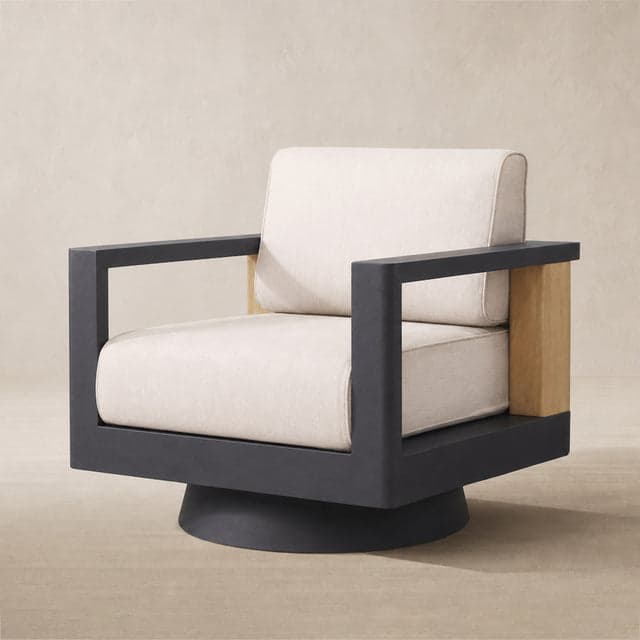 Siena 2-Piece Swivel Chair - Mirador Outdoor FurnitureMirador Outdoor Living · $1299.00
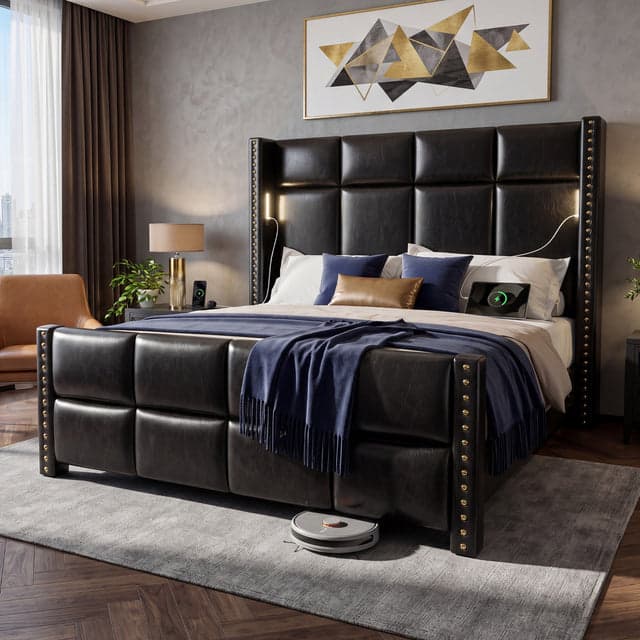 BR18 Upholstered Platform Bed Frame with Reading Lights & 56.7" High Headboard, Modern Luxury Black Leather Bed with Built-in Power OutletBuyglobal · $299.99
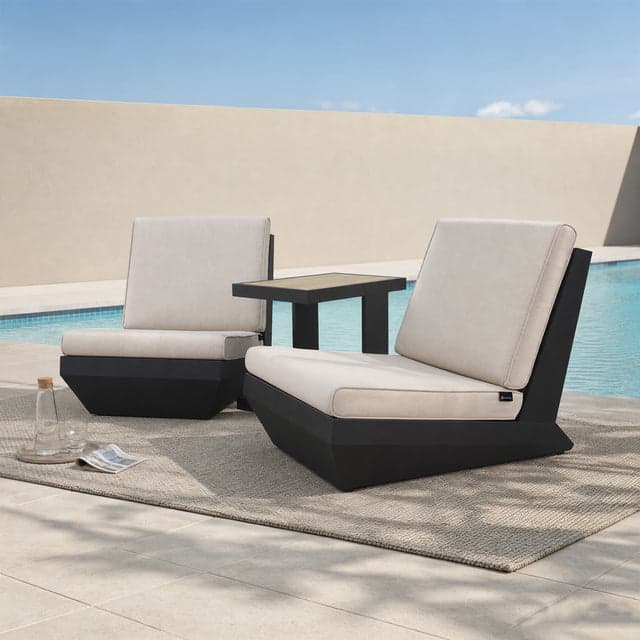 Cliff 3-Piece Conversation Set - Mirador Outdoor FurnitureMirador Outdoor Living · $999.00
How much cooking space do you actually need?
A 20-inch tabletop griddle (about 250 square inches) cooks breakfast for 2–3 people or appetizers for 6. A 28-inch model (530 square inches) handles a family dinner or small gathering without doubling batches. A 36-inch griddle (760 square inches) lets you sear steaks on one side, keep vegetables warm on another, and crisp potatoes on a third without crowding. The test: imagine your busiest cooking day—how many people, and are they eating at the same time or grazing? If you entertain 12+ people regularly, 36 inches is not too large; if you cook for 2–4, anything over 28 inches will sit empty. Weight matters for portable griddles: under 40 pounds fits in most car trunks, 40–80 pounds needs two people or a hand truck, over 100 pounds requires a dedicated patio spot. Stationary griddles are heavier (150–200 pounds) but you install them once; width is the main concern—most patios fit a 28 or 30-inch model easily, but 36 inches needs advance planning for cart placement and clearance from buildings or fences.
Who each kind of buyer should look at
A homeowner buying their first griddle for family meals should focus on portability and ease of cleaning: a 28-inch tabletop model in stainless steel, with 3 burners and a grease trough, hits the value sweet spot at $300–500. Ace Hardware stocks entry-level options in this range. Serious entertainers should invest in a 36-inch stationary griddle with high BTU output and a built-in cart, accepting the $600–1,000 price tag for multi-zone heat and durability—these stay outdoors year-round and outperform tabletop models after two seasons of heavy use. Campers and tailgaters need a compact, lightweight portable griddle, accepting smaller cooking area for portability; these start at $150 and go to $400 depending on build. Renters should avoid bolting anything down and choose a portable or tabletop model they can take when they move. Budget buyers sometimes find adequate griddles in the $200–300 range if they pick stainless steel (to avoid rust rebuilding costs) and prioritize burner placement over fancy extras. None of the major griddle brands are on this magazine's shortlist, so focus on where you shop—Ace Hardware has a range of sizes and price points—rather than brand names.
Quality and value: what separates a good buy from a cheap one
A cheap griddle (under $250) usually has one or two burners crammed into a thin steel plate, leading to warping and rust within 12 months. You will spend $100+ on rust repair kits, replacements, or a new griddle faster than the savings justify. A good griddle ($300–600) uses stainless steel or properly seasoned cast iron, spaces burners evenly, and includes a grease management system. The frame is welded cleanly with internal cross-bracing, preventing flex. Ace Hardware carries mid-range models in this band where the value is highest. Premium griddles ($700+) add features like digital displays, folding shelves, or dual-fuel capacity, but they do not necessarily cook better or last longer than a solid $400 model if the core construction is the same. The key value signal: check if the griddle has independent burner controls (not just one knob for all), a grease trough that runs the full width, and stainless steel or heavy cast iron (not aluminum). If a griddle under $300 lists all three, it is likely solid. Above that, diminishing returns kick in fast—you are paying for aesthetics, not performance.
How to save money: when prices drop and what a code really covers
Outdoor griddles follow seasonal pricing: spring (March–April) sees full-price inventory as retailers stock for summer; summer (May–August) brings occasional 10–15% sales as stores compete for season shoppers; late summer (August–September) is the sweet spot, with 20–30% discounts as retailers clear stock before fall; Black Friday (November) offers aggressive discounts, sometimes 30–40% off, but selection narrows as popular sizes sell out. Natural-gas permanent installation griddles rarely discount because labor is baked into the price. Propane and portable models discount freely. Digital coupon codes at Ace Hardware and other retailers typically cover 10–15% off, not the full purchase; they stack with sale pricing if you apply them at checkout. End-of-summer sales combined with a coupon code can push savings to 35–40%, but you are buying to store over winter. Warranty coverage: most griddles carry 1–2 years on rust-through of the main cooking surface, but cover wear from normal use, not neglect. Rust or rust staining from poor maintenance voids the warranty. Seasoning strips or protective coatings are not warrantied. Buying at end of summer and storing indoors under a cover is cheaper than buying in spring and protecting it through winter.
Mistakes shoppers make, and how to avoid them
Using metal scrapers or abrasive scouring pads on the cooking surface is the fastest way to destroy seasoning or damage stainless steel, leading to sticking and rust. Always use wooden or silicone spatulas and clean with warm soapy water, not harsh detergent. Skipping the seasoning process on a new steel or cast iron griddle (usually 2–3 light oil layers before first use) means food sticks from day one and rust begins immediately. Neglecting the cover during off-season turns a $500 griddle into a rusted shell in two winters. Buying a griddle too large for your patio and feeling pressured to use it for every meal burns propane and food alike; right-sizing your griddle to your actual entertaining frequency saves money and frustration. Placing the griddle in direct wind without a windbreak kills BTU efficiency and fuel economy—a simple privacy screen or fence placement on the upwind side recovers 10–20% of lost heat. Overloading the cooking surface (packing food too densely) lowers temperature and prevents browning. Finally, many shoppers ignore the manual's storage instructions and leave the griddle outside unwashed for weeks, inviting rust. Read the manual, season before use, store with a cover, and clean while warm—these four steps add years to any griddle.
What should you buy, and why?
If you are starting out and value reliability without premium pricing, Ace Hardware's mid-range stainless steel griddles in the 28–30 inch range deliver value. These models have the core features—independent burners, grease troughs, and durable construction—without expensive extras. For renters or occasional users, a compact 20–22 inch portable model works well if you prioritize portability over cooking area. Serious enthusiasts willing to invest should choose a 36-inch stationary griddle in stainless steel with high BTU, accepting the higher cost for multi-zone control and year-round outdoor durability. In all cases, buy in late summer for the best discounts, apply any digital coupon at checkout, and budget $40–80 for a quality cover—this single purchase extends your griddle's life by years and is the cheapest insurance you can buy.
Our top picks

Ace Hardware50% off
Stock stationary and portable griddles across multiple sizes and price points, from budget tabletop models to high-BTU free-standing units, with consistent availability for seasonal discounts.
Shop Ace Hardware →20 Ace Hardware coupons →Whatever Works75% off
Offers practical outdoor solutions for home and garden, suitable for shoppers seeking alternative retailers for outdoor cooking and patio equipment.
Shop Whatever Works →20 Whatever Works coupons →
Buyglobal40% off
Carries outdoor equipment and supports price-conscious buyers with broad inventory in the outdoor living category, including bases and support products.
Shop Buyglobal →19 Buyglobal coupons →
Mirador Outdoor Living30% off
Provides complementary outdoor structures like pergolas and gazebos that pair well with griddles to create complete outdoor cooking spaces.
Shop Mirador Outdoor Living →15 Mirador Outdoor Living coupons →Frequently asked questions
Can a griddle be used as a grill substitute?
A griddle cooks flat foods like pancakes, eggs, and fajitas better than a grill, but cannot replicate grill marks or indirect heat. They serve different purposes. Many serious outdoor cooks own both.
How often should I clean and oil my griddle?
Clean the griddle while it is still warm, using a metal scraper and warm soapy water. Oil it lightly after cooling (once per week for heavy use, or monthly if light). Proper oiling prevents rust and maintains the non-stick seasoning.
What is the difference between stainless steel and cast iron cooking surfaces?
Stainless steel resists rust, needs less maintenance, and lasts longer outdoors. Cast iron cooks slightly hotter and retains heat better but requires oiling after every use and rusts faster in humidity. Choose stainless for low-maintenance use.
- https://www.bobvila.com/reviews/best-outdoor-griddles/
- https://knowledgehub.nexgrill.com/griddle-maintenance-tips-review
- https://tomsguide.com/sales-events/massive-grill-sale-live-from-weber-traeger-and-blackstone-17-deals-id-shop-from-usd99
- https://www.acehardware.com/
- https://cuisineathome.com/review/best-outdoor-griddle
- https://appliancehouse.co.uk/outdoor-cooking-buying-guide