
Why menopause supplement purchases go wrong
The biggest trap is buying products labeled 'menopause' without checking what is inside. Many supplements marketed for menopause are simply standard multivitamins with a higher price tag, sometimes doubling the cost of the same nutrients under a different name. Another common mistake is choosing a blended 'all-in-one' formula hoping it solves every symptom at once. Research shows most of these formulas either skip key ingredients entirely or include them at doses too low to work. Women also often chase the newest supplement without checking if ingredients like black cohosh, red clover, or soy isoflavones actually have clinical support for what they claim. A third error is assuming a supplement will work alone, when hormonal changes during menopause may need a combination of nutrients and lifestyle changes, or in some cases prescription-level care. Finally, many women start with expensive supplements without first understanding whether they need hormone support, symptom relief, or general nutritional balancing—buying the wrong type wastes both money and months of ineffective use.




What is your main symptom: relief or hormone balance?
The first decision splits menopause support into two different needs. If you are struggling with hot flashes, night sweats, and mood swings, you likely want herbal or phytoestrogen-based supplements with ingredients like black cohosh or red clover, which work by mimicking estrogen's effects. If your concerns are broader—brain fog, energy, sleep quality, and overall hormone support—you may need a multivitamin or hormone replacement therapy. Winona specializes in the latter by offering prescription bioidentical hormones through telehealth, for women whose symptoms need prescription-level care rather than supplements alone. Goli and other multivitamin brands support women's general nutritional needs without targeting hot flashes specifically. Mixhers focuses on the first category with supplements designed to reduce hot flashes and support hormone balance using herbs and vitamins together. Your answer to this question narrows every other choice: don't buy a general multivitamin if you need hot flash relief, and don't buy herbal flushes support if what you really need is better sleep and less brain fog. Many women waste months on the wrong category because they did not start here.
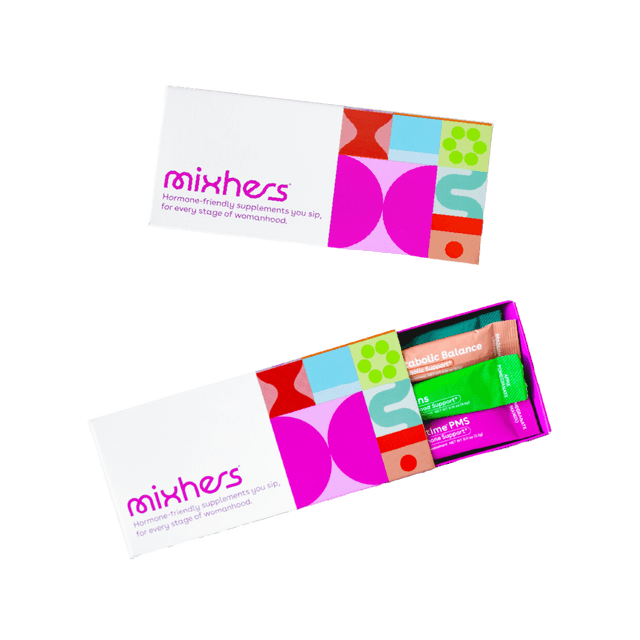 Bestseller Sample PackMixhers · $25.00
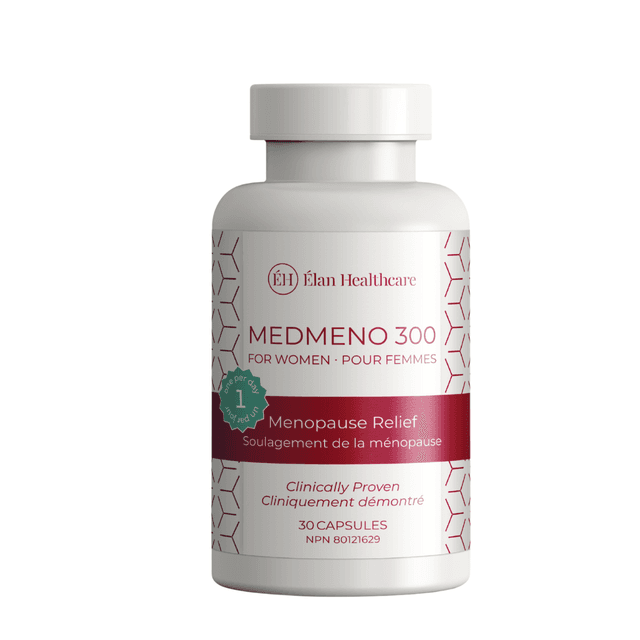 MedMeno: Clincally Proven Menopause ReliefElan Healthcare · $28.99
 Surprise Mystery GiftGoli · $79.98
Which ingredients actually have clinical support?
Black cohosh has the most research of any menopause supplement, with clinical studies showing 26–56% reduction in hot flash frequency at doses of 40–80 mg daily. Red clover contains phytoestrogens that may reduce hot flash frequency and severity, backed by several clinical studies. Soy isoflavones have mild estrogenic effects and support bone health; research found no safety concerns regarding heart health or breast cancer. Vitamin B6 shows an inverse link with hot flash severity—higher intake means less intense flushes. Vitamin D deficiency is associated with worse hot flashes, so supplementing if your levels are low may help. Ashwagandha has clinical evidence for improving mood and, in some studies, libido. Omega-3 supplements may ease depression and anxiety symptoms common in menopause. Less well-supported ingredients include St. John's wort (interaction risks with medications) and many proprietary herbal blends without published dosing studies. When comparing two supplements, check the label for ingredient amounts in milligrams—vague terms like 'herbal blend' or 'nutrient complex' signal low doses or hidden ingredients. Mixhers lists specific ingredients like black cohosh, while generic 'hormone support' blends often hide their actual content.
- Black cohosh: 40–80 mg daily, 26–56% hot flash reduction
- Red clover: isoflavones for hot flash and night sweat relief
- Soy isoflavones: mild estrogenic effects, bone health support
- Vitamin B6: higher intake linked to less severe hot flashes
- Vitamin D: deficiency linked to worse symptoms; supplement if low
- Ashwagandha: clinical evidence for mood and libido support
What trade-offs matter: strength versus simplicity
A single-ingredient supplement like black cohosh alone gives you control and certainty about dose, but it addresses only hot flashes and does not help with energy, mood, or bone health. A multi-ingredient menopause formula tries to cover multiple symptoms in one bottle, but often spreads doses too thin to be effective for any single symptom. A general women's multivitamin avoids 'menopause marketing' and costs less, but lacks the higher concentrations of B vitamins, vitamin D, and minerals that support menopause specifically. Winona offers prescription HRT, which works fastest for moderate to severe symptoms but requires a doctor's consultation and ongoing monitoring, unlike over-the-counter supplements. Elan Healthcare vitamins range from basic multivitamins to targeted formulas, letting you choose your level of specificity. A practical middle ground many experts recommend is buying a solid general multivitamin (checking for at least 1,000 IU vitamin D, 400 mg magnesium, and adequate B6) and adding a single-ingredient black cohosh or red clover supplement if hot flashes are your main concern. This approach costs less than premium 'menopause' blends, lets you adjust each ingredient if one is not working, and removes the risk of overdosing on specific nutrients by stacking too many formulas. The trade-off is you take multiple pills rather than one all-in-one, but most women find this worth the cost savings and flexibility.
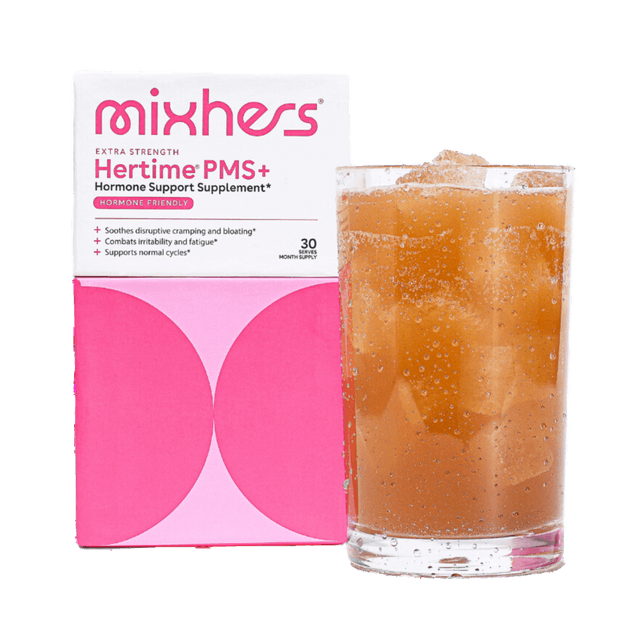 Hertime® PMS+ 15 PackMixhers · $40.00
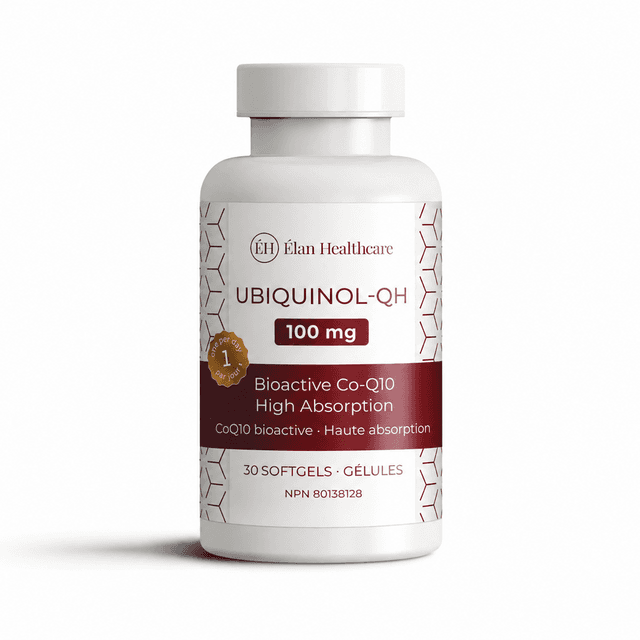 VESIsorb Ubiquinol-QH: Bioactive CoQ10 with High AbsorptionElan Healthcare · $57.99
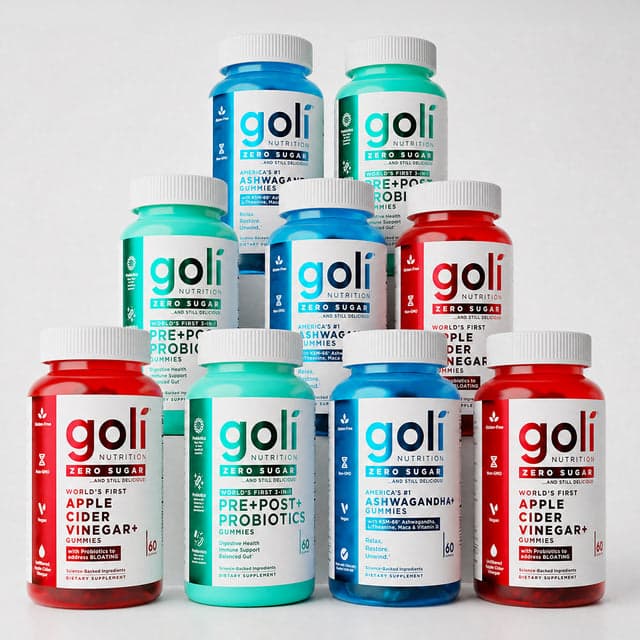 9 Pack Zero Sugar EssentialsGoli · $125.00
How many bottles do you need and for how long?
A single bottle of most menopause supplements contains 30 to 60 daily doses. If you take one dose per day as recommended, a 30-count bottle lasts one month. Starting a supplement and expecting overnight results is a common mistake. Clinical evidence shows black cohosh and red clover typically take 2 to 4 weeks to show any effect, with best results appearing around 8 to 12 weeks. This means you need at least 3 months of consistent use to know if a supplement is actually working for you. Mixhers suggests best results appear after 3 months of use. Winona's prescription HRT approach works faster, with some users reporting improvements in brain fog and night sweats after 90 days, but again requires patience. Many women buy one bottle, try it for a week or two, see no change, and switch to something else, never giving the first product a fair test. Budget for at least a 3-month supply (three 30-count bottles or one 90-count) before deciding whether to continue. If a supplement works, you may stay on it long-term, but the first 12 weeks are purely diagnostic. Buying in bulk or looking for three-month bundles can reduce per-dose costs, making the experiment less expensive.
Which brands work for which kinds of buyers?
Winona suits women whose symptoms are moderate to severe and who want prescription-strength care without traditional doctor visits; it offers telehealth consultations and bioidentical HRT. Mixhers appeals to women seeking herbal, plant-based menopause support with a focus on reducing hot flashes and supporting energy, available in powder or pill form at mid-range prices. Elan Healthcare provides flexibility with a range of vitamin and supplement products, suitable for women building a custom menopause support plan rather than relying on one formula. FLEX primarily sells menstrual products and has a limited supplement line, making it less focused on comprehensive menopause support. Goli specializes in general women's multivitamins in gummy form, best for women who want pleasant-to-take supplements and do not need menopause-specific dosing. Ombre offers vitamins and supplements plus optional testing, appealing to women who want to know their baseline nutrient levels before supplementing. Lifecykel focuses on mushroom extracts and adaptogens, which some women use for energy and stress support during menopause but are not a primary hot flash remedy. drjockers.com provides resources on alternative approaches to menopause support through diet and lifestyle rather than supplements alone. Match your choice to your symptom severity, budget, and whether you prefer pills, powders, gummies, or prescription options.
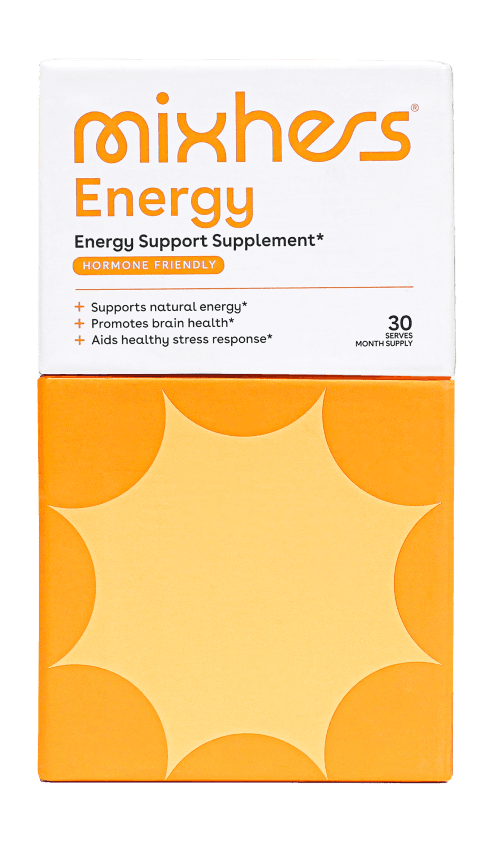 EnergyMixhers · $0.00
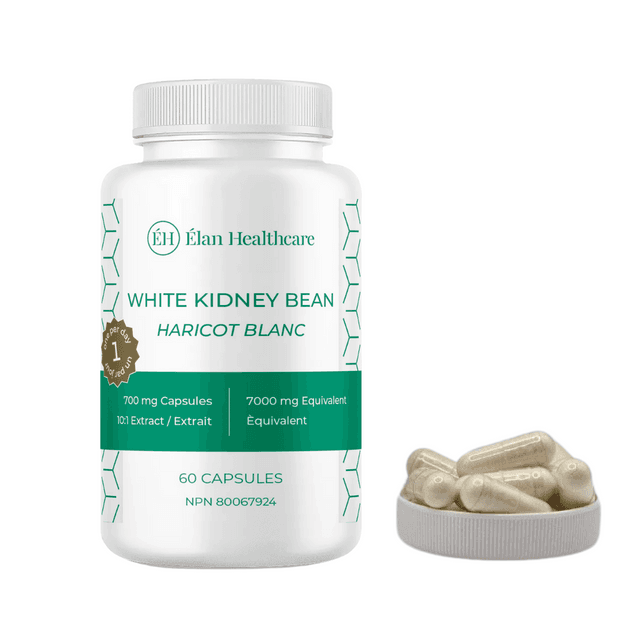 Elan Healthcare White Kidney Bean Extract - 60 Capsules (7000mg Equivalent)Elan Healthcare · $21.99
 Goli Nutrition Probiotic+ Gummies | Unit = Case of 24 FAIREGoli · $252.00
What separates a quality supplement from a cheap one?
Quality starts with third-party testing. Look for 'USP,' 'NSF,' or 'ConsumerLab' seals on the label, indicating that an independent lab has tested the supplement and confirmed the label matches what is inside. Budget brands often skip this step, meaning you have no proof the product contains what it claims. Ingredient specificity matters: a label that lists '500 mg black cohosh extract standardized to 2.5% triterpene glycosides' is more trustworthy than 'herbal menopause blend,' which hides the actual amounts and types of plants used. Dose transparency also signals quality. If a supplement lists each ingredient with its milligram amount, you can verify whether it matches clinical evidence. Mixhers is transparent about its ingredient list. Generic store brands often lump ingredients into a 'proprietary blend' without disclosing individual amounts, making it impossible to judge whether doses are therapeutic or token. Price is not a perfect marker of quality, but supplements costing £1+ per dose often provide no more benefit than 26p–50p options; many 'premium' menopause formulas are standard multivitamins with menopause marketing. Goli and Elan Healthcare both disclose their full ingredient lists. Finally, check the source of information: does the brand cite clinical studies, or just testimonials? Reputable brands back claims with published research. A cheap supplement with full transparency and third-party testing often outperforms an expensive one with hidden blends and marketing claims.
How to save money on menopause supplements
The first saving strategy is rejecting the 'menopause premium.' A basic women's multivitamin from any major retailer often contains the same micronutrients as a supplement marketed as 'menopause support,' at a fraction of the price. If you identify a specific ingredient you need—say, black cohosh for hot flashes—buying a single-ingredient supplement is cheaper than an all-in-one blend because you avoid paying for ingredients you do not need. Buy in bulk when possible; three-month supplies often cost less per dose than single-month bottles, and larger counts (90-count instead of 30-count) reduce per-unit pricing. Store sales and subscription discounts (common on Amazon and supplement retailer sites) can drop prices by 10–20%. Wait for seasonal sales: menopause supplement sales often spike in summer and fall, making spring and winter better times to stock up at discount. Avoid bundle 'kits' marketed as complete systems unless you have confirmed each product targets a symptom you actually have; kits often include unnecessary items. Winona uses a telehealth model to reduce overhead, making prescription HRT competitively priced compared to over-the-counter supplement stacks, so if you need HRT-level support, a prescription plan may ultimately cost less than buying three different supplement bottles. Finally, look for one-time discount codes for first-time purchases, common from Mixhers and other supplement brands. Do not pay more than £0.50–0.80 per dose for a quality supplement; if you are spending £1+ per dose, compare it against a basic multivitamin to confirm you are paying for additional benefit, not just marketing.
What mistakes do most shoppers make?
The first is buying based on one person's review rather than clinical evidence. A friend's success with a supplement does not predict your results; menopause symptoms vary widely, and what worked for one woman may not touch your hot flashes. The second is assuming 'natural' means safe and harmless. Herbal supplements can interact with prescriptions (particularly blood thinners, antidepressants, and heart medications), cause side effects like digestive upset or headaches, and may not be appropriate if you have a history of hormone-sensitive cancers. Always tell your doctor which supplements you are considering. Third, many women buy before ruling out medical causes of their symptoms. Fatigue and brain fog can signal thyroid problems, low iron, or sleep apnea, not just menopause; starting supplements without a baseline blood panel may mask treatable conditions. Fourth, overdosing on one nutrient by stacking multiple supplements. Too much of vitamins A, E, or D can become toxic; taking a multivitamin plus a separate vitamin D plus a menopause blend plus an energy supplement might push you over safe daily limits. Fifth is expecting overnight results. Most supplements take 4 to 12 weeks to show effect, so stopping after one week wastes money and prevents you from finding what actually works. Sixth, buying the most expensive option thinking price equals quality. As discussed, £1+ per dose supplements often provide no more benefit than £0.30–0.50 options. Seventh is ignoring third-party testing labels; you have no confirmation a cheap supplement actually contains its claimed ingredients. Finally, many women start supplements without adjusting lifestyle factors—sleep, exercise, caffeine, alcohol, and stress reduction all affect hot flashes and menopause symptoms. A supplement added to poor sleep habits and high stress may not make any difference, wasting both money and hope.
- Buying based on one friend's review instead of clinical data
- Assuming 'natural' equals safe with no medication interactions
- Starting supplements without ruling out thyroid, iron, or sleep issues
- Stacking multiple formulas and overdosing on single nutrients
- Expecting results after one week instead of waiting 8–12 weeks
- Paying £1+ per dose when £0.30–0.50 options work equally well
Should you try HRT instead of or with supplements?
Hormone replacement therapy (HRT) using prescription bioidentical hormones works faster and more reliably for moderate to severe menopause symptoms than any supplement. Winona offers bioidentical HRT delivered through telehealth consultations, addressing symptoms like hot flashes, night sweats, and brain fog that supplements struggle to touch. The trade-off is HRT requires a doctor's assessment, ongoing monitoring, and a prescription; it is not available over-the-counter. For mild symptoms or women hesitant about HRT, supplements are a lower-barrier entry point with fewer side effects and no medical supervision required. For moderate symptoms, some women combine supplements with short-term HRT—using prescription hormones to manage hot flashes while also supporting overall health with a multivitamin and magnesium. For severe symptoms affecting sleep, work, or quality of life, skipping supplements and going straight to HRT often saves time and frustration. The key is not treating them as competing choices but as tools for different severity levels. Supplements suit mild symptoms and women preferring natural approaches; HRT suits moderate to severe symptoms and women who can manage medical appointments. Many doctors suggest starting with lifestyle changes (sleep, exercise, stress reduction, less alcohol and caffeine), adding supplements if those are not enough, and considering HRT if symptoms still interfere with daily life after 8 to 12 weeks of supplementation. Do not feel obligated to exhaust every supplement before trying HRT if your symptoms are severe; your time and quality of life matter.
Our top picks

Winona40% off
For women with moderate to severe hot flashes, brain fog, and night sweats who want prescription-strength bioidentical HRT without traditional doctor visits. Telehealth consultations and ongoing physician support.
Shop Winona →15 Winona coupons →
Mixhers40% off
For women seeking herbal menopause support with black cohosh, red clover alternatives, and vitamins targeting hot flashes and mood. Plant-based, transparent dosing, and results typically visible after 3 months.
Shop Mixhers →15 Mixhers coupons →
Elan Healthcare35% off
For women building a custom menopause plan with flexibility. Offers vitamins and supplements across a range of price points, letting you choose single-ingredient or multi-ingredient formulas.
Shop Elan Healthcare →15 Elan Healthcare coupons →
Goli30% off
For women preferring gummy vitamins as part of general menopause nutritional support. Women's Multi Gummies include biotin, vitamins D and B12, and minerals without menopause-specific marketing.
Shop Goli →21 Goli coupons →Frequently asked questions
How long before a menopause supplement actually works?
Most menopause supplements take 2 to 4 weeks to show initial effects, with strongest results appearing around 8 to 12 weeks of consistent daily use. Black cohosh and red clover typically follow this timeline. You need at least a 3-month supply to fairly test whether a supplement is working for your symptoms.
Is an expensive menopause supplement better than a cheap one?
No. Menopause supplements costing £1+ per dose often provide no more benefit than 26p–50p options. Many premium-priced formulas are standard multivitamins with menopause marketing. Quality depends on third-party testing (USP, NSF labels), transparent ingredient lists with milligram amounts, and clinical backing—not price. Compare per-dose costs and label transparency instead.
Can I take menopause supplements with my other medications?
Herbal menopause supplements can interact with blood thinners, antidepressants, heart medications, and other drugs. Always tell your doctor which supplements you are considering before starting them. Some ingredients like St. John's wort carry significant interaction risks. Your doctor can confirm whether a supplement is safe for your specific medications.
- https://www.goodrx.com/conditions/menopause/black-cohosh-for-menopause
- https://www.cochrane.org/CD007244/MENSTR_black-cohosh-menopausal-symptoms
- https://gearuptofit.com/nutrition/ranking-the-best-black-cohosh/
- https://www.which.co.uk/news/article/the-menopause-marketing-tricks-not-to-fall-for-ak7i94L56XLC
- https://femtechinsider.com/winona-everything-you-need-know-2025/