
How this list was put together and who it is for
This guide draws on independent consumer reviews, product specification research and buying advice from women's health publications. We looked at absorbency ratings, material quality, washability, sizing and price to identify standout options across different flow levels and budgets. Period underwear suits anyone wanting a reusable alternative to single-use menstrual products, particularly people with light to moderate flows who spend most of their day at home or in an office. The guide covers everyday styles, heavy-flow designs and budget picks, so you can match your purchase to your period pattern and lifestyle.




What separates a place on this list from an also-ran
Top-tier period underwear manages three things: reliable absorbency without leaking, comfortable wear that doesn't feel thick or damp against skin, and durability through repeated washing. Many mid-range brands claim leak-proof protection but use stiff, plastic-like fabrics that trap moisture and odor. The best options use moisture-wicking layers that pull fluid away from skin into absorbent cores, then dry quickly so bacteria cannot multiply. Materials matter: microfiber polyester, nylon blends and Tencel Modal feel soft while staying functional. Fit is equally important—gussets should extend fully from front to rear, and elastic should hold snugly without cutting into thighs. Finally, a strong brand publishes independent testing or third-party certification, washes easily in a standard machine, and prices fairly for the lifespan you get.
- Moisture-wicking layers that pull fluid away from skin
- Extended gusset coverage from front to back
- Soft, breathable fabrics like Tencel Modal or cotton blends
- Machine-washable with secure elastic that survives many cycles
- Independently tested or certified for absorbency claims
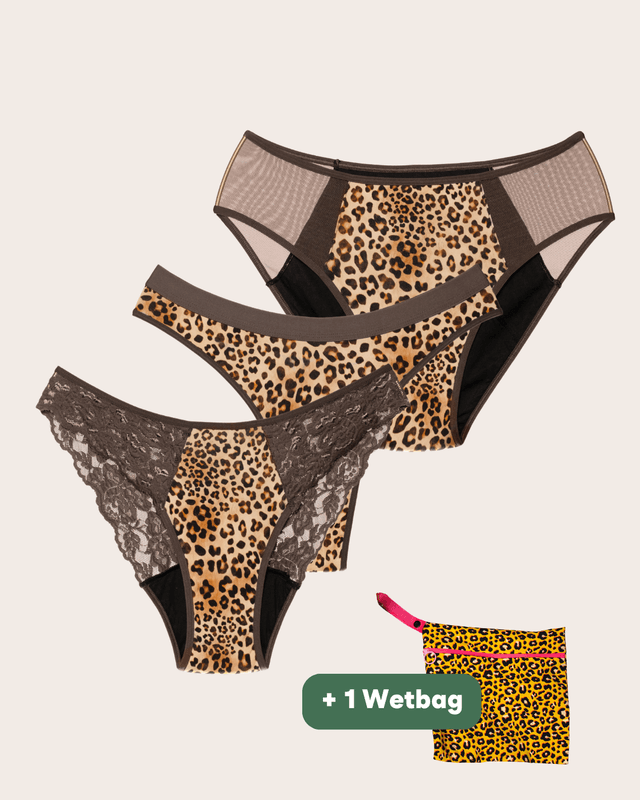 3er Set: Period Panty Leo + gratis WetbagJunaperiod · $119.00
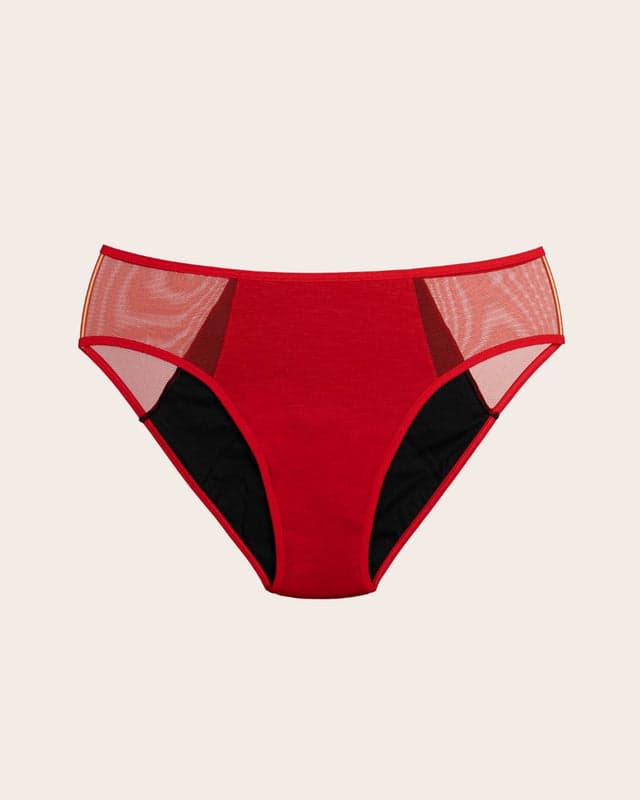 Period Panty – Hipster mit Mesh (Heavy Flow)Junaperiod · $39.50
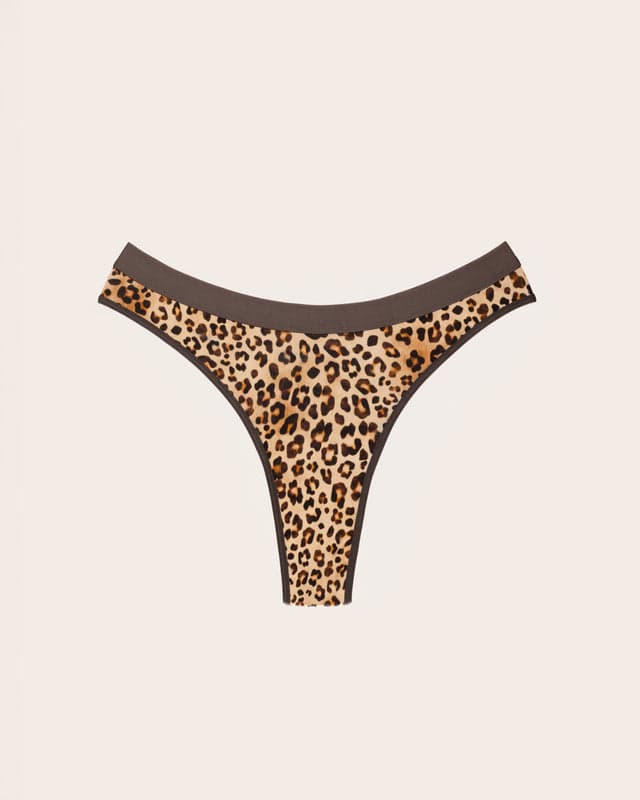 Period Panty – Tanga (Light Flow)Junaperiod · $39.50
The all-round pick most people should start with
Junaperiod offers period underwear designed for everyday use across light to moderate flow days. Their styles combine soft, moisture-wicking fabrics with reliable absorbency without the bulk or stiffness of cheaper alternatives. The range starts at CHF 35 per pair, placing them in the mid-market segment where quality and price balance well. Junaperiod also sells a coordinating wetbag for easy transport when traveling, which is handy if you need to pack a spare pair or rinse a worn pair at work. For someone new to period underwear, starting with one or two pairs in your regular underwear size and washing them by hand or on a gentle machine cycle will help you learn what absorbency level matches your flow without overcommitting budget to multiple pairs.
The budget pick, and what you give up to get the price
Budget period underwear typically costs between USD 12 and USD 20 per pair, compared to USD 30–40 for premium brands. At lower price points, you often encounter thinner absorbency layers that work fine for very light spotting or backup wear but may feel damp on moderate-flow days. Fabrics tend toward basic polyester blends without the softness of Tencel Modal or bamboo, meaning they feel less luxurious against skin and may retain odor slightly more after washing. Elastic and seams also wear faster with budget brands, so a pair lasts perhaps one to two years instead of three to five. If you menstruate lightly, have a short period or want a backup pair for overnight use, a budget option makes financial sense. If you plan to wear period underwear daily during your period, investing in mid-range quality like Junaperiod will feel more comfortable and last longer per dollar spent over time.
The pick for small spaces or light use
Light-absorbency period underwear, equivalent to 1–2 tampons, suits people with minimal bleeding, those on the first or last days of their period, or anyone using them as backup alongside a menstrual cup. These designs use thinner gussets and less absorbent material, making them feel and look like regular underwear—important if you have limited closet space or prefer not to maintain a large rotation of specialty items. Light styles from mid-market brands like Junaperiod are often as affordable as moderate options while taking up less drawer space. They also dry faster after washing, making them practical for people who don't own a dryer or prefer to air-dry intimates. A single pair of light-absorbency underwear can substitute for a panty liner on discharge days or between periods, adding value beyond menstruation itself.
The pick for heavy or daily use
Heavy-absorbency period underwear holds the equivalent of 5 or more tampons (25+ millilitres) and includes extended gussets that cover from front to rear, preventing leaks across the entire surface. These designs feature thicker absorbent cores, often with moisture-activated technology that pools fluid in one place rather than spreading it across the fabric. If you menstruate heavily or plan to wear the same pair for 8–12 hours at work or school, heavy absorbency is essential to feel dry and avoid embarrassment. Brands like Junaperiod offer heavy-flow designs within their range, and pricing typically sits at the higher end (around CHF 80–119) due to additional material and engineering. For daily wear during your period, buying at least three to four pairs gives you enough rotation for laundry cycles; with regular washing and air-drying, heavy-absorbency pairs last three to five years, spreading the cost over hundreds of wears.
What specs are worth paying more for?
Pay extra for moisture-wicking technology and soft fabrics like Tencel Modal, cotton blends or bamboo—these feel pleasant against skin and manage odor better than basic polyester. Extended gussets and reinforced seams justify higher prices because they prevent leaks and survive more wash cycles without degrading. Machine-washable construction is worth verifying; hand-wash-only products are inconvenient and more likely to be abandoned. Independent testing or third-party certification for PFAS-free materials (forever chemicals) is increasingly important and typically costs slightly more but protects your health. Breathable designs that allow airflow reduce bacterial growth and odor compared to plastic-lined alternatives. Specs that are often marketing fluff: claims of 'all-day freshness' or 'invisible protection'—all period underwear offers these if absorbency and fabric quality are solid. Brands that sell matching bras, shapewear or other fashion items may price period underwear high based on brand name rather than performance.
How to save money on any pick here?
Period underwear goes on sale seasonally: watch for discounts around January (New Year resolutions), March–April (spring refresh) and August–September (back-to-school). Starting with one or two pairs instead of a full rotation of seven lets you test fit and absorbency before bulk buying; many people later wish they'd tried styles before committing budget. Second-hand marketplaces like Vinted or Depop occasionally list period underwear at 30–50 percent off retail, though hygiene concerns make this less popular than for other clothing. Buying directly from the brand website rather than through retail partners sometimes offers email signup discounts (typically 10–15 percent off first order). Manufacturer websites also often list bundle deals: buying three pairs together costs less per pair than buying one. Some insurance plans or employer healthcare benefits cover menstrual products, occasionally including period underwear—check your plan's list of covered items. Patience pays: if you see a style you like, add it to a wishlist and wait for the next promotion rather than paying full price.
Who should skip period underwear entirely?
Period underwear is not waterproof, so swimmers should stick with tampons, menstrual cups or period-proof swimwear instead. People with very heavy flows (soaking through in under 4 hours) may find even heavy-absorbency designs insufficient without backup protection. Anyone uncomfortable with hand-rinsing underwear before machine washing should skip this category—the blood-staining step bothers some people enough to abandon the product. Those with severe skin sensitivities to polyester blends, nylon or spandex may not tolerate the materials used in most period underwear; natural-fiber-only options are rare and expensive. If you have limited access to washing machines or prefer single-use products for convenience, traditional pads or tampons remain more practical. Finally, people who rarely menstruate (due to hormonal contraception, age or medical reasons) may find the upfront cost per use too high compared to keeping one backup box of pads at home for occasional emergencies.
Our top picks

Junaperiod35% off
Period underwear in light to heavy absorbency with soft, moisture-wicking fabrics and extended gussets. Pricing from CHF 35–119 per pair. Includes matching wetbag for travel.
Shop Junaperiod →15 Junaperiod coupons →Frequently asked questions
How long does period underwear last before you need to replace it?
Well-made period underwear lasts three to five years with regular washing and air-drying. Budget options may last one to two years before elastic degrades or seams fray. Washing in cool water, avoiding the dryer and rinsing by hand before machine washing extends lifespan significantly.
Can you wear period underwear overnight or during heavy flow days?
Heavy-absorbency designs hold 25+ millilitres and are engineered for 8–12 hour wear, making them suitable for overnight use or full workdays during heavy flow. Pairing heavy-absorbency period underwear with a menstrual cup or tampon offers added security on your heaviest days if you prefer extra protection.
Do you need different absorbency levels or just one pair?
Most people benefit from owning both light and moderate absorbency pairs to match flow variation throughout their period. Light pairs work for the first and last days plus spotting, while moderate pairs handle typical flow days. Heavy absorbency is optional unless you menstruate very heavily; a rotation of three to four moderate pairs is typical.