
What's Different This Season in the Flower Market
Flower prices and availability shift dramatically with the seasons. September through November and June through August offer the best value and peak freshness for most blooms, while Valentine's Day and Mother's Day weeks see prices spike sharply. Weather, imports, and freight costs influence pricing even when demand feels steady. Peonies, for example, are expensive in winter but affordable in late spring during their natural growing season. Subscription services have also changed how people buy flowers, offering savings of up to 30% off standard prices and free shipping to regular customers. Understanding seasonal peaks helps buyers time purchases to get better quality flowers at lower costs, whether buying for a special occasion or regular home arrangements.
The Essential Specs: What Actually Matters When Choosing
Fresh flowers have four key markers that signal quality. First, check the petals: slide your fingers gently from stem to tip and feel for firmness, not softness. Fresh petals should feel crisp, and you may notice a faint rustling sound indicating good hydration. Second, inspect the stems: they must be sturdy, clean, and green with no soft or discolored spots that suggest bacterial contamination or age. Third, examine the leaves: healthy foliage should be vibrant green, firm, and unblemished. Speckled or yellowing leaves mean bacteria has already started to compromise the bunch. Fourth, choose buds over full blooms: flowers in early bud stage with just the first layer of petals showing will open gradually in your vase and last much longer than fully open flowers that are already past their prime. These four checks take seconds and are reliable across all flower types, from roses to lisianthus to ranunculus.
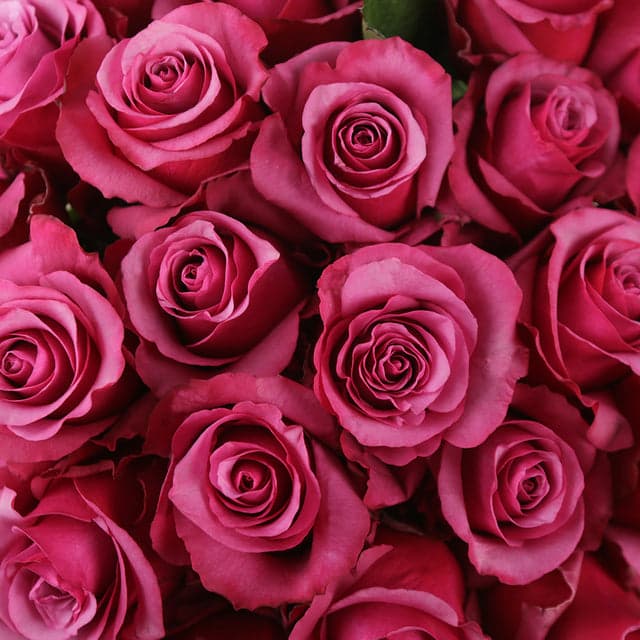 SENSE OF GRACERosaholics · $69.00
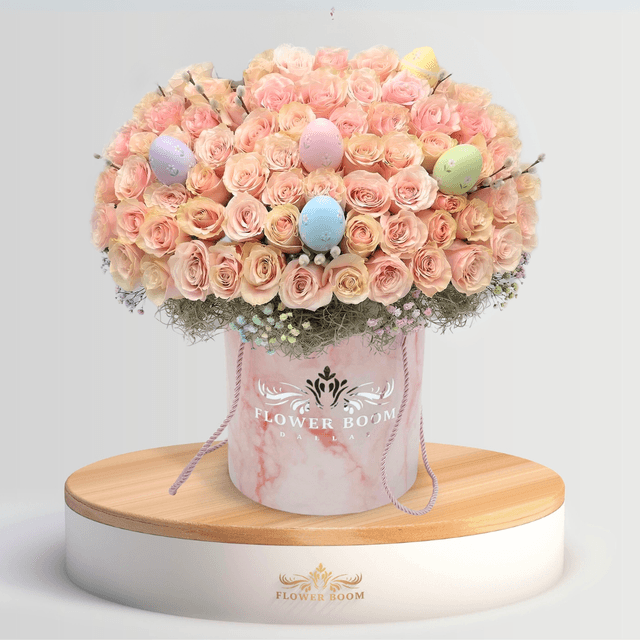 Pink Easter RosesFlower Boom Dallas · $370.00
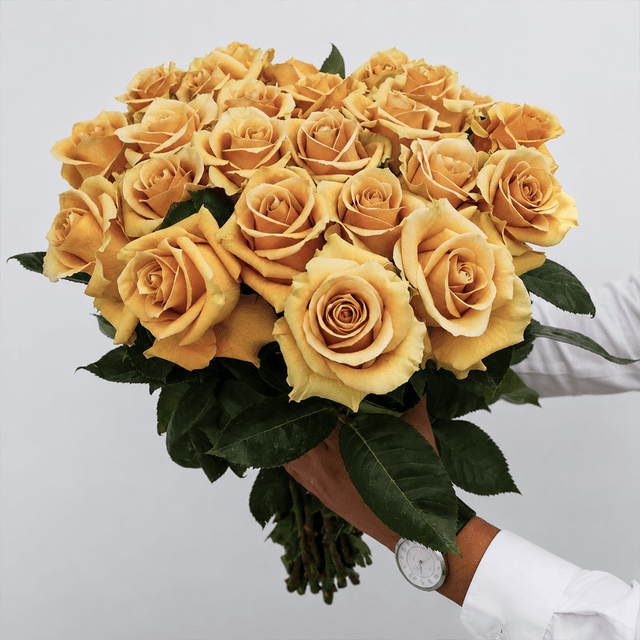 SAKURA DREAMRosaholics · $74.00
Trade-Offs: When to Pay More and When to Skip
Not every price tag reflects actual value. Budget bouquets often contain fewer stems, generic varieties, or flowers harvested days earlier than premium options. However, paying top dollar does not guarantee longevity if you ignore the care that follows. Conversely, some flowers simply do not last as long as others, no matter how fresh. Tulips and dahlias look stunning but fade within five to seven days, while lisianthus and eucalyptus can stay vibrant for two to three weeks. The smart trade-off is to choose hardy, long-lasting varieties when you want lasting impact, and accept shorter-lived blooms only if you do not mind replacing them weekly. Stem length and arrangement complexity also drive prices; wrapped bouquets cost less than florist-designed arrangements, but both can be fresh if sourced from quality growers. Another safe skip: avoid flowers with fully loose pollen or fallen petals already visible in the store, as they are past their peak and will drop quickly at home. Size matters less than freshness—a smaller bunch of fresh flowers beats a large bunch of tired stems.
Which Buyers Should Shop Where: Your Best Options
Different buyers need different sources. For convenience and next-day delivery, online services like Flower Boom Dallas offer a wide range of fresh cut flowers and bouquets with options ranging from simple arrangements to elaborate designs. Flower Boom Dallas provides a broad selection at prices from USD 200 to 1300, catering to larger orders, events, or premium arrangements. For consistent, premium farm-to-door delivery, Rosaholics specializes in farm-fresh roses delivered directly to your door on every special occasion, eliminating the warehouse middleman that causes quality loss in traditional florist chains. Budget-conscious buyers should look for subscription services, which offer 30% savings and free shipping but require commitment to regular deliveries. Gift buyers on tight timelines should verify next-day or same-day options before ordering. Bulk or event buyers (weddings, corporate arrangements) benefit from wholesale suppliers that let you order by the stem. Local florists remain valuable for same-day urgent orders and personalized design, though prices run higher.
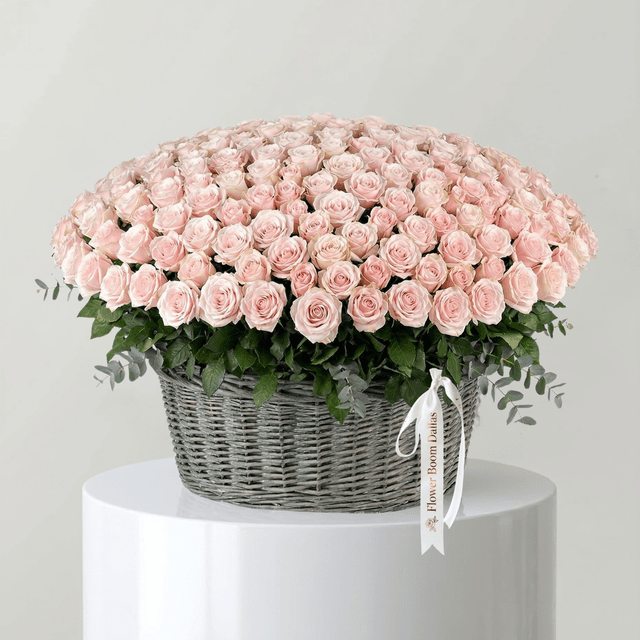 Luxury Light Pink Roses In A Basket - Large BouquetFlower Boom Dallas · $1700.00
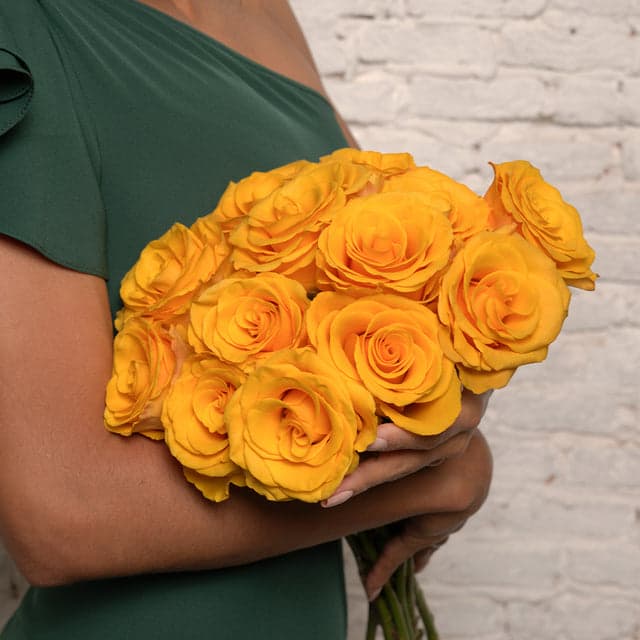 HONEYLIGHTRosaholics · $84.00
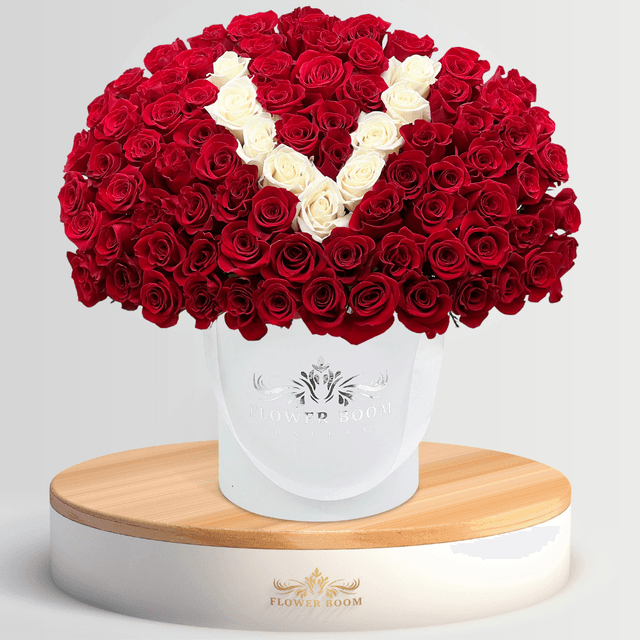 Signature Initial Rose BouquetFlower Boom Dallas · $500.00
Quality vs. Value: How Good Flowers Stand Out
Good-quality fresh flowers share visible markers that separate them from cheap options. Premium bunches arrive with flowers still in early bud stage, allowing them to open naturally over five to ten days. Budget bunches often contain blooms already halfway open, meaning they have only a few days of visual peak left. Quality growers clean and condition stems within hours of cutting; cheap suppliers may let flowers sit in trucks for days. You can spot this difference by checking how much water the stems soak up in your vase—fresh stems absorb visibly within the first hour, while aged stems sit sluggish. Rosaholics focuses on freshness by cutting flowers on the day of shipment, giving buyers flowers at their absolute peak. Better sources also use proper cutting techniques: sharp knives instead of scissors that crush water channels, and immediate placement in floral preservative. The price difference is real but modest—expect to pay 20 to 40 percent more for premium farm-fresh flowers than grocery store bouquets. That extra cost buys you three to five extra days of vase life and visibly more vibrant color. Value is highest when you buy in-season flowers from farms rather than imports; seasonal roses in June cost half the price of imported winter roses, and they last longer.
Getting the Size and Quantity Right
Flower amounts depend entirely on your vase size and the effect you want. A standard ceramic or glass vase (8 to 12 inches tall) holds 10 to 15 stems comfortably. Wider vases allow more stems; narrow vases require fewer to avoid crowding. Crowded stems restrict water flow and rot faster, so do not overstuff. For gift bouquets, 15 to 20 stems create an impressive visual impact without being unmanageable. Smaller arrangements of 7 to 10 stems work well for desks, shelves, or small spaces. Wedding or event centerpieces range much higher—50 to 100 stems per arrangement—but these require professional preparation to ensure proper hydration and structure. When ordering online, retailers list stem counts clearly. Rosaholics and Flower Boom Dallas both specify bouquet sizes and arrangements, so you can match quantity to your space before purchasing. If you own a small vase, choose a 12-stem bouquet instead of 20; too many stems jammed into the vase will wilt faster and block water circulation. Conversely, a large vase with too few stems looks sparse. The rule of thumb: roughly one stem per inch of vase diameter. Check your vase before ordering, or request a bouquet size that matches a standard coffee table vase (usually 12 to 18 stems fits well).
Saving Money: When Prices Drop and What Discounts Actually Cover
Flower prices are most competitive in summer and early autumn (June through November), when blooms are abundant and imports are minimal. Expect to find 20 to 30 percent discounts during these months compared to winter or holiday peaks. Subscription services offer the most reliable savings: many cut 30 percent off one-time bouquet prices and add free shipping, which usually costs USD 10 to 20 separately. Discount codes circulate constantly through email and social media—most retailers run promotions that cover USD 10 to 20 off orders over USD 50, or percentage discounts like 15 percent off. However, discounts rarely apply to premium or pre-ordered arrangements, and some exclude add-ons like vases or greeting cards. The best value play is to buy seasonal, in-stock bouquets rather than exotic or out-of-season flowers; a spring peony arrangement costs half as much as a winter peony order. Weekday ordering sometimes offers savings compared to Friday and Saturday orders, which compete for weekend events. Subscription plans spread costs evenly and are worth considering if you enjoy fresh flowers regularly—they eliminate the psychological pressure of buying expensive bouquets for regular occasions.
Common Comparison Mistakes: How Buyers Get It Wrong
Many buyers compare flowers based on appearance alone, ignoring the fundamental question: how fresh are these stems really? A beautiful arrangement with open, velvety blooms looks perfect in photos but may be two days from wilting. Harder to spot is bacterial slime on stems, which means the flower was cut five or more days ago and is well past peak. Another mistake is assuming all USD 50 bouquets are equal. A USD 50 grocery store bunch contains fewer stems and lower-quality varieties; a USD 50 online farm-to-door bouquet from a quality grower contains fresher, hardier flowers that last twice as long. Buyers also confuse vase quality with flower quality: a fancy vase does not save old flowers, but a clean, simple vase keeps fresh flowers alive longer. Comparing prices between local florists and online services is misleading too, since online typically cuts out the middle distributor, cutting costs even as quality improves. Many also assume rushed orders guarantee same-day delivery—check the deadline cutoff time, often 2 PM or noon, and verify that your area qualifies. Seasonal flowers also trip up shoppers: winter ranunculus costs 50 percent more than spring ranunculus and lasts slightly shorter because it's imported and stored. Shopping within the growing season, not against it, saves money and improves freshness.
Mistakes Shoppers Make: Avoiding the Top Pitfalls
The most common error is buying flowers in fully open bloom, attracted by their instant visual impact. These flowers have already peaked and will drop petals and wilt within three to five days. Buy early-stage buds instead, even if they look underwhelming in the shop; they will open progressively at home and last nearly twice as long. Second mistake: ignoring leaf and stem condition in favor of focus on the blooms. Yellowing, speckled, or spotted leaves indicate bacterial damage already in progress; once home, that contamination spreads to the water and kills the entire bunch. Check the entire stem from bottom to top, not just the flower. Third error: leaving flowers in their original packaging or in a vase with old water. Change water daily, trim the stem base by half an inch every two days, and remove any submerged leaves—these simple steps triple vase life from three days to nine days. Fourth: buying from retailers with no freshness guarantee or unclear farm origins. Rosaholics and reputable online growers publish their sourcing; unknown vendors may hold stock for weeks. Fifth mistake: ordering for occasions without confirming delivery dates and cutoff times; many last-minute orders arrive a day late. Sixth: forgetting that some common flowers like lilies are toxic to pets; if the recipient has cats or dogs, request pet-safe alternatives before ordering. Seventh: skipping the message card and leaving the recipient guessing who sent the flowers and why. Finally, do not chase the lowest price at the expense of freshness or reputation—a USD 30 bouquet that wilts in two days wastes money, while a USD 45 fresh bunch lasts ten days and feels like better value.
Our top picks

Rosaholics20% off
Farm-to-door fresh roses cut on the day of shipment, specializing in peak-freshness delivery for special occasions without middleman warehouses.
Shop Rosaholics →16 Rosaholics coupons →
Flower Boom Dallas74% off
Wide selection of fresh cut flowers, bouquets, and arrangements ranging USD 200–1300, with flexible options from simple designs to premium event displays.
Shop Flower Boom Dallas →24 Flower Boom Dallas coupons →Frequently asked questions
How do I know if cut flowers are actually fresh?
Press the petals gently—they should feel firm and crisp, not soft. Check the stems for a clean, green appearance with no soft spots. Inspect leaves to ensure they are vibrant green, not yellow or speckled. Avoid flowers with loose pollen or visible wilting.
Which flowers last the longest in a vase?
Lisianthus, eucalyptus, and Italian ruscus last two to three weeks with regular trimming and fresh water. Roses and ranunculus last seven to ten days. Tulips and dahlias fade faster, within five to seven days. Buying hardy varieties and maintaining daily water changes extends all blooms.
When is the cheapest time to buy fresh flowers?
June through November offers the lowest prices and peak freshness for most blooms. Avoid Valentine's Day and Mother's Day weeks, when prices spike 30 to 50 percent. Subscription services offer 30 percent savings year-round with free shipping compared to one-time orders.
- https://www.sprouts.com/healthy-living/fresh-flowers/
- https://www.albuquerqueflorist.com/about-us/blog/how-to-choose-fresh-cut-flowers/
- https://violafloral.com/blogs/blog/top-10-longest-lasting-cut-flowers-for-your-home-or-office
- https://www.hanafloristpos.com/blog/floral-prices-affected-by-latest-market-trends/
- https://www.janesflowers.com/blog/flower-guide/mistakes-people-make-when-buying-flowers/4799
- https://www.aceflowershouston.com/aceflowersblog/06-23-2025/7-Mistakes-to-Avoid-When-Ordering-Flowers-Online-And-How-to-Get-It-Right-with-ACE-Flowers