
Why flower longevity matters right now
Shoppers increasingly value fresh flowers not just for their beauty but for their lasting power. With flowers costing $30 to $100+ per arrangement, longevity directly affects value. A bouquet that wilts in three days feels wasteful; one that thrives for three weeks feels like a genuine investment. Consumer interest in sustainable, longer-lasting options has grown sharply, with dried flowers and premium cut varieties gaining traction alongside traditional fresh blooms. Understanding which types stay fresh longest helps you make smarter purchasing decisions and avoid disappointment. Whether buying for your own home or sending a gift, knowing the difference between a three-day rose and a three-week chrysanthemum changes how you shop. This guide focuses on varieties proven to outlast typical supermarket flowers and the science behind making them last.
The key specs that determine how long flowers last
The best predictor of vase life is the type of flower itself—some species are simply tougher than others. Chrysanthemums routinely last 21 days or longer, while ranunculus fade after 7 to 10 days. Stem thickness and petal structure matter: thicker stems carry water more efficiently, and tightly packed petals (as in carnations) protect the bloom longer than delicate, layered ones (as in garden roses). Water uptake capability is equally critical; some flowers absorb water quickly and sustain blooms well, while others struggle. Freshness at purchase is non-negotiable—flowers cut within the last 24 to 48 hours outperform older stock significantly. Growing conditions also play a role: flowers raised in cool climates and harvested at peak ripeness (not too early, not too late) hold up longer indoors. When comparing options, ask retailers how recently the flowers arrived and which varieties they stock. Rosaholics, an online store for fresh flowers delivered farm to door, prioritizes this freshness factor by handling the supply chain directly from grower to customer.
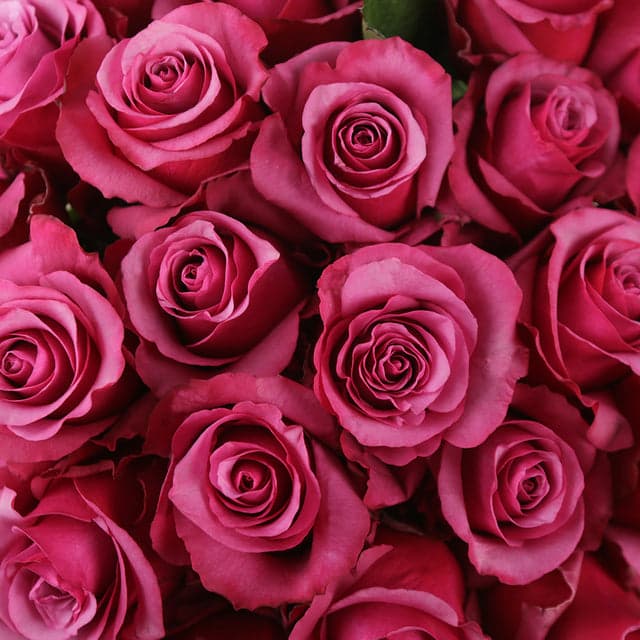 SENSE OF GRACERosaholics · $69.00
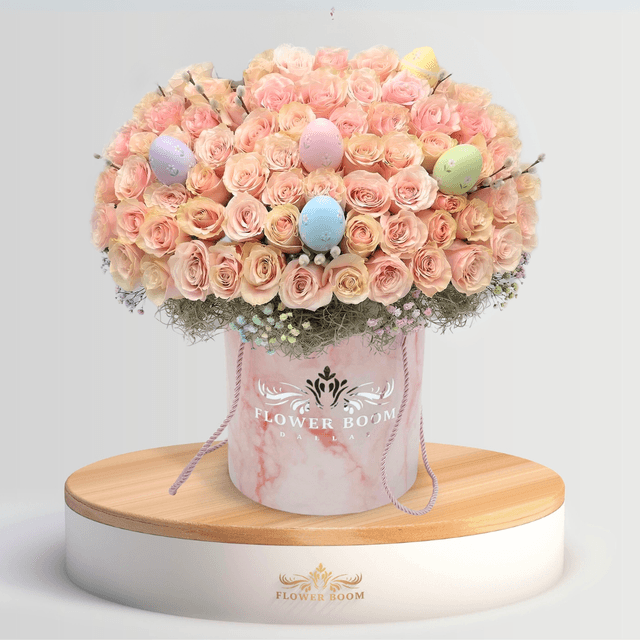 Pink Easter RosesFlower Boom Dallas · $370.00
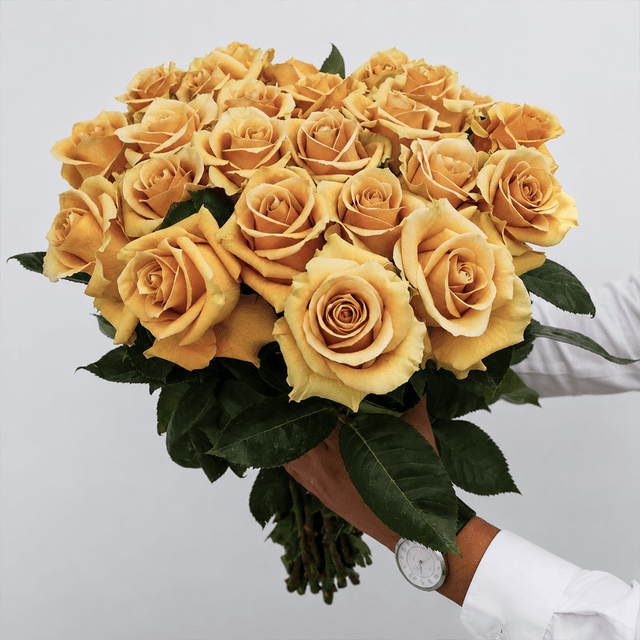 SAKURA DREAMRosaholics · $74.00
What to skip and where compromise is safe
You do not need premium florist pricing for long-lasting flowers. Supermarket bouquets and online retailers often stock the same hardy varieties (carnations, chrysanthemums, alstroemeria) as luxury shops, sometimes at half the cost. Skip impulse buys of tropicals or specialty flowers unless you specifically want them; they are usually short-lived and expensive. You can safely skip elaborate vases or fancy containers—a clean, simple glass vase works as well as anything ornamental. Pre-made arrangements look polished but often hide damaged stems or flowers nearing the end of their life; building your own from loose flowers gives you full control. Scented varieties (gardenias, tuberose) are beautiful but fade faster than scentless types—prioritize longevity over fragrance if you want a three-week arrangement. You also do not need to buy the largest arrangement available; smaller, tightly packed bouquets often last longer than sprawling displays because the flowers support each other. Lastly, skip the decorative oasis foam if possible; loose water and proper stem cuts work better and are easier to maintain. Flower Boom Dallas sells fresh cut flowers and bouquets at a range of price points, making it easy to choose based on budget rather than forced premium tiers.
Buying options based on what matters to you
If you prioritize maximum longevity, choose chrysanthemums, carnations, or alstroemeria as your base. These consistently reach 18 to 21+ days in clean water. Orchids are the luxury option: Phalaenopsis orchids last weeks to months, but cost significantly more upfront. If you want vibrant color and reasonable durability, gerberas hold up for 21 days and come in bold shades. For budget-conscious buyers, carnations deliver the best value: they last nearly as long as premium flowers but cost 40–60% less. If you prefer fresh flowers with environmental responsibility, seek out local growers or direct-from-farm retailers; shorter supply chains mean fresher stock and less waste. Rosaholics specializes in farm-to-door delivery, eliminating retail markup while guaranteeing freshness. If you like mixed arrangements, combine long-lasting blooms (the framework) with shorter-lived accent flowers (the visual punch)—your arrangement lasts as long as the longest-lasting flowers in it. For gifting, online retailers like Flower Boom Dallas offer bouquets designed for durability and convenience, with next-day or same-day delivery in many markets.
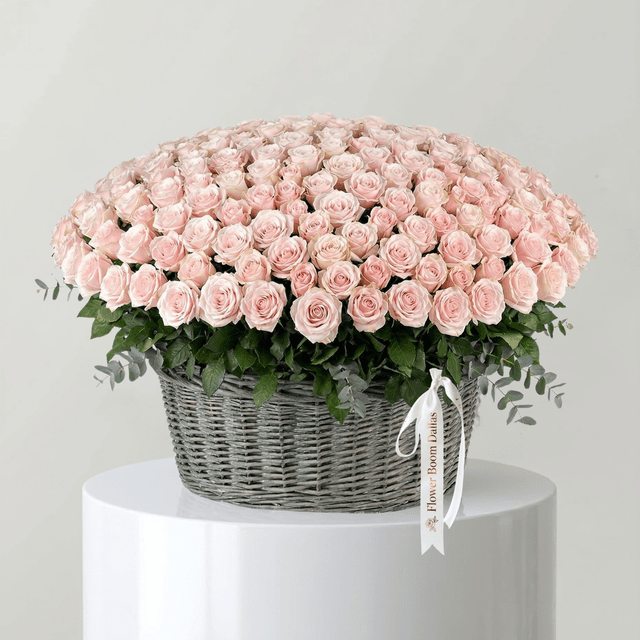 Luxury Light Pink Roses In A Basket - Large BouquetFlower Boom Dallas · $1700.00
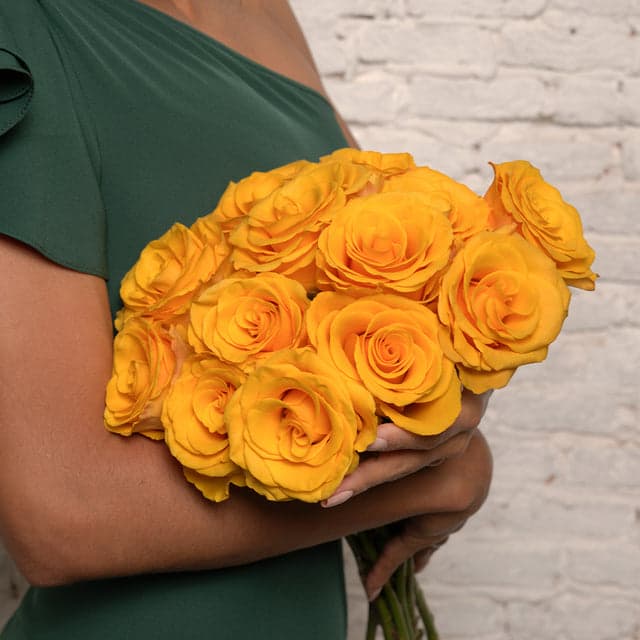 HONEYLIGHTRosaholics · $84.00
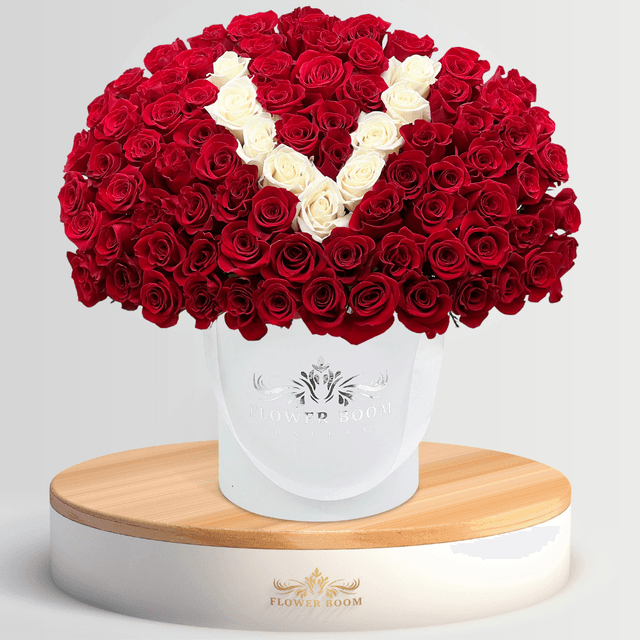 Signature Initial Rose BouquetFlower Boom Dallas · $500.00
Quality signals: what separates good flowers from poor ones
The strongest quality indicator is the state of the petals and sepals (the green parts at the base). High-quality flowers have tight, fresh-looking sepals; poor-quality ones have papery, browning, or damaged sepals. Stem firmness matters too—press gently near the base; if it feels soft or mushy, the flower has begun to decay. Color saturation is a subtle but reliable marker; vibrant, deep color usually indicates fresher flowers than pale, washed-out tones. Leaves should be green and turgid (full of water), not yellow or wilted. Fragrance (if the variety has one) should be pleasant and strong; weak or off-putting scents suggest age or disease. The water in the arrangement should be clean and clear, not cloudy or discolored—cloudiness signals bacterial buildup. Established retailers and online stores with reputation invest in cold chain logistics to preserve quality; they remove flowers immediately upon arrival, hydrate them, and maintain cool storage. Rosaholics and Flower Boom Dallas both maintain quality standards by cutting and shipping flowers at peak ripeness and using protective handling. Avoid flowers from displays left in warm rooms, under hot lights, or near store entrances with temperature fluctuations.
Sizing and selection: getting quantities right
For a home arrangement, count stems, not bunches. A typical grocery bouquet contains 15 to 25 stems; for a single vase, 10 to 15 stems creates a full, balanced look without waste. Vase height and width matter: a 6-inch vase suits 8 to 10 stems; an 8-inch vase holds 12 to 18 stems comfortably. Stem length should be one-and-a-half times your vase height for proportion; if your vase is 8 inches tall, aim for 12-inch stems before cutting. For gifting or events, consider bloom time: all flowers in a mixed arrangement will not open on the same day, so stagger your selection if you need everything full on day one. If you want maximum lifespan, avoid mixing very short-lived flowers (ranunculus, 7 days) with very long-lived ones (chrysanthemums, 21 days); the arrangement looks sad once half the flowers die. Instead, group flowers by lifespan: either go for an all-long-lasting arrangement or plan to replace accent flowers midway through. Online retailers specify stem count and estimated dimensions, making it easier to compare arrangements across vendors. Flower Boom Dallas lists flower counts and includes sizing information for each arrangement type, helping you choose quantities that match your space and needs.
When and how to save money on fresh flowers
Prices typically drop mid-week (Tuesday to Thursday), when demand is lowest. The best discounts—20% to 40% off—appear after major gifting holidays (Valentine's Day, Mother's Day) when retailers clear excess stock. Seasonal flowers cost 30–50% less than out-of-season imports: buy sunflowers and dahlias in summer, chrysanthemums and celosia in fall, carnations year-round. Wholesale or farmers markets often undercut retail by 40% or more, though selection and longevity guarantees vary. Subscription services offer modest discounts (10–15%) but lock you into regular deliveries; useful only if you want flowers every week. Coupons and discount codes typically cover 10–20% off, applying only to full-priced arrangements; they rarely stack or combine with other offers. Some retailers offer loyalty programs that accrue credits on repeat purchases, reaching meaningful discounts after three or four orders. Free delivery codes often have higher minimum order thresholds ($50+), so calculate the actual savings carefully. Buying a large arrangement once costs less per stem than buying small bouquets weekly. Rosaholics offers direct farm pricing, which eliminates the retail and florist markup typical of traditional channels. Avoid ultra-cheap arrangements from discount chains; the flowers are often already stressed and may not meet the promised lifespan.
Common mistakes when comparing flower options
The biggest error is comparing price alone without considering lifespan. A $50 bouquet of roses that lasts 5 days is worse value than a $40 bouquet of chrysanthemums lasting 21 days. Another trap is trusting retailer photos over written guarantees; images are often retouched and do not reflect post-delivery appearance. Confusing 'arrange at home' with 'pre-arranged' leads to frustration: uncut flowers arrive much fresher but require 30 minutes of work; pre-arranged bouquets are convenient but flowers lose days of life during transport. Some shoppers assume tropical or rare flowers last longest—false. Orchids and protea are exceptions, but most tropicals (bird of paradise, heliconia) fade quickly. Ignoring bloom stage is costly: flowers still in tight bud open over several days but die sooner once fully open, while fully mature flowers give immediate impact but shorten lifespan. Expecting identical results from different seasons is unrealistic; winter roses are weaker than summer roses due to light limitations in greenhouses. Overlooking water quality is surprisingly common; many people use tap water without realizing hard tap water or chlorine reduces lifespan. Finally, comparing online orders to fresh-bought retail arrangements is unfair; online flowers ship closed and take 24 to 48 hours to fully hydrate and open, appearing initially less impressive than retail bouquets that have already been arranged and displayed.
How to extend life once you bring flowers home
The first rule is cutting stems: re-cut two inches off the base at a 45-degree angle with sharp scissors within two hours of receiving flowers. This removes the seal that forms during shipping and maximizes water absorption. Remove all leaves below the waterline immediately—they trap bacteria and accelerate decay. Fill a clean vase with room-temperature water mixed with the flower food packet included in most arrangements; food contains a biocide to prevent bacterial growth and a nutrient to feed the blooms. Change the water entirely every two to three days and re-cut stems each time. Place the arrangement in a cool location (65–72°F) away from direct sunlight, heat sources, and ripening fruit (which releases ethylene gas that accelerates aging). Mist the blooms with water daily to maintain humidity, especially in dry or heated rooms. Remove any dead or fading flowers immediately; they produce ethylene and speed the decline of surrounding blooms. Avoid placing arrangements near air conditioning vents, heaters, or cold drafts, which stress the flowers. Some flowers benefit from specific treatments: keep tulips tightly misted because they absorb water primarily through the stem; remove lower thorns from roses to improve water flow. Recut stems every three days and rotate the arrangement to ensure even light exposure. With these steps, most long-lasting varieties will reach or exceed their predicted lifespan, often adding an extra week to the arrangement's beauty.
Our top picks

Rosaholics20% off
Delivers fresh flowers directly from farms to your door, eliminating retail markup and guaranteeing maximum freshness for longer vase life.
Shop Rosaholics →16 Rosaholics coupons →
Flower Boom Dallas74% off
Offers fresh cut flowers and bouquets at multiple price points with clear sizing information, ideal for buyers comparing durability and value.
Shop Flower Boom Dallas →24 Flower Boom Dallas coupons →Frequently asked questions
Which cut flowers truly last the longest?
Chrysanthemums and carnations lead the pack, lasting 21+ days in ideal conditions. Orchids outlast everything else (weeks to months) but cost more. Alstroemeria and celosia also exceed three weeks, while roses and ranunculus fade in 5 to 10 days.
Do I need expensive florist flowers or premium vases?
No. Supermarket flowers and online retailers stock the same hardy, long-lasting varieties at lower prices. A clean glass vase works as well as ornamental containers. Focus on flower type and freshness rather than branding or packaging.
How can I make flowers last longer at home?
Cut two inches off stems at a 45-degree angle, remove leaves below the waterline, use flower food, change water every two to three days, and keep arrangements cool and away from direct sunlight and heat sources. These steps often add one to two weeks of life.
- https://home.howstuffworks.com/longest-lasting-flowers.htm
- https://www.appleyardflowers.com/flowerdiaries/long-lasting-flowers/
- https://thursd.com/articles/which-flowers-last-longest
- https://www.almanac.com/how-keep-cut-flowers-fresh-and-alive-longer
- https://www.epicgardening.com/long-lasting-cut-flowers/
- https://luxebloomia.com/blogs/news/preserved-flowers-vs-fresh-flowers-guide