
Two recovery approaches, different methods
Percussion massage guns deliver 40 or more pulses per second using handheld devices that reach deep into muscle tissue with rapid, concentrated pressure. Manual massage tools—foam rollers, massage sticks, balls, and hand-operated massagers—rely on your own body weight or arm strength to release tension. Massage guns excel at targeting trigger points in hard-to-reach areas like shoulders and calves, while manual tools cost less upfront and require no battery. Both increase blood flow and help recover from delayed-onset muscle soreness (DOMS). The core difference is speed versus simplicity: massage guns automate the work; manual tools ask you to be your own therapist. Research suggests percussion massage may provide slightly faster flexibility gains, but both reduce muscle tension and improve mobility when used consistently.
Effectiveness: depth and speed matter
Percussion therapy extends roughly 60% deeper into muscle tissue than vibration-only massagers, reaching the dense muscle fibers where lactic acid and adhesions build up after hard workouts. Massage gun pulses stimulate mechanoreceptors (responding to pressure) and proprioceptors (sensing body position), which together reduce pain perception and restore mobility. Manual tools also increase blood flow and break up trigger points, but they work at your pace—you control the pressure and speed by leaning harder or rolling slower. Studies show percussion massage delivers faster flexibility gains immediately before activity, making it a stronger choice for pre-workout prep. Manual tools shine for daily maintenance: a foam roller costs nothing to run and can last years. If you have chronic tight spots or limited time, percussion massage wins on efficiency. If you prefer gradual, controllable pressure and don't mind spending extra minutes, manual tools work just as well for soreness relief, albeit more slowly.
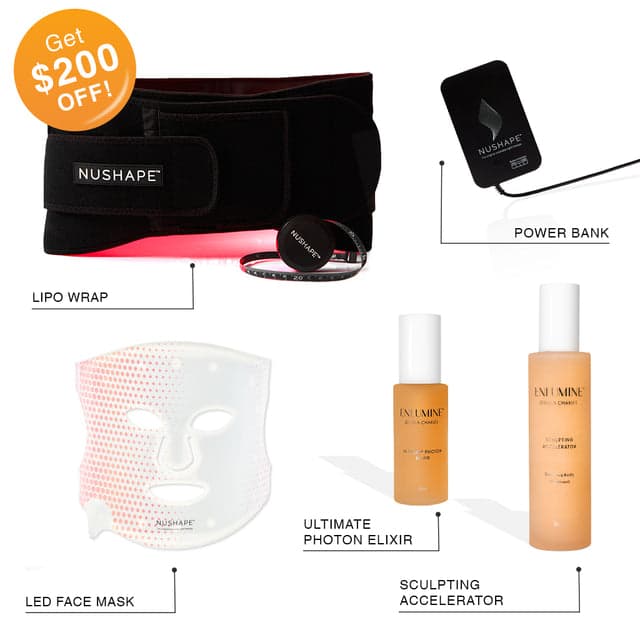 Glow-Up BundleNushape · $1027.97
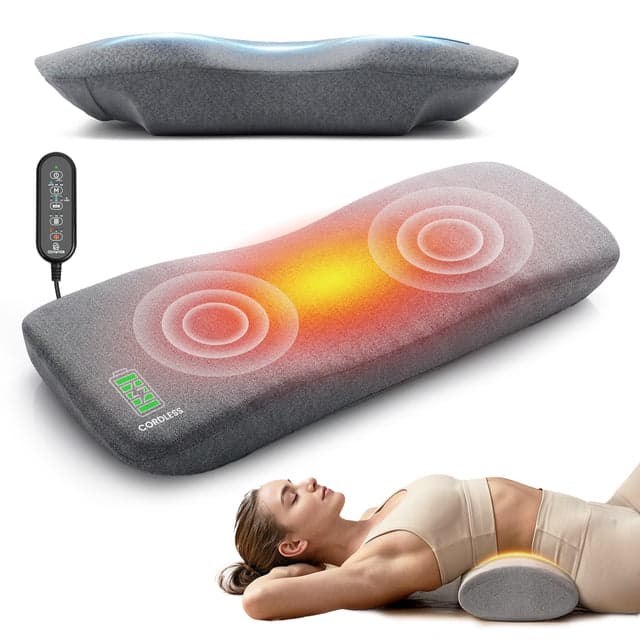 Portable 3-in-1 Back Massager with 3 Heat Levels for Office Chair - 1513Comfier · $129.99
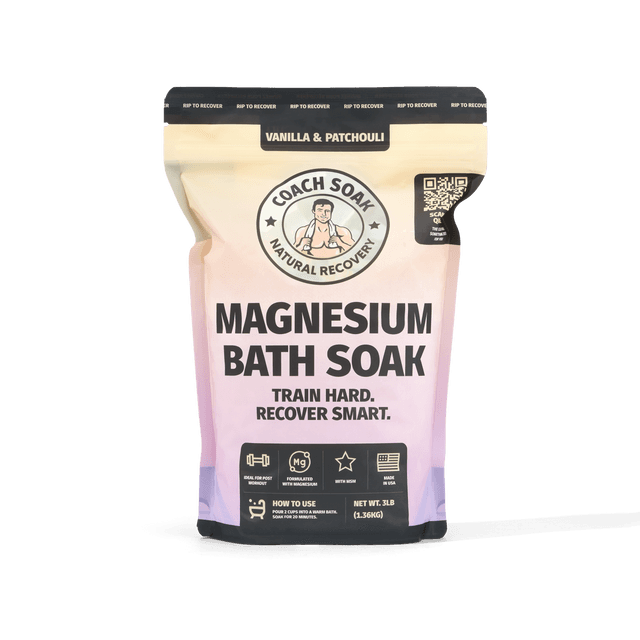 Coach Soak Magnesium Bath Soak – Vanilla & Patchouli with Vitamin C + MSMCoach Soak · $27.95
Running costs: electricity vs. wear
Massage gun electricity costs are negligible—a few cents per month—so ongoing expenses come from battery replacement and eventual device replacement. A quality massage gun lasts 2 to 5 years with proper care; replacement rechargeable batteries cost $50 or more when the original wears out after 2 years of regular use. Storing the battery at 50% charge and unplugging at 100% can double functional lifespan. Manual tools have near-zero running costs: a foam roller, massage stick, or lacrosse ball lasts years without power and requires only occasional cleaning. However, manual massage requires your physical effort every time, which adds up as invisible fatigue. Cost per use tells a clearer story: a $300 massage gun used 4 times weekly for 3 years averages $0.48 per session. A $20 foam roller used the same way costs about $0.03 per session, but your arm and back muscles will feel the effort. Professional massage therapy, by contrast, costs $60 to $150 per session, making either home tool far cheaper than outsourcing recovery.
Space and setup: portability and storage
Massage guns are compact handheld devices, typically 8 to 10 inches long and weighing 1 to 3 pounds, so they fit in a gym bag, nightstand drawer, or luggage for travel. They need 1 to 2 hours of charging time and should be stored in a cool, dry place to preserve battery life. Manual tools like foam rollers are bulkier—a 36-inch roller needs floor space or wall mounting—but some models are collapsible to save room. Massage sticks fold down, and lacrosse balls are pocketable. Setup for percussion is instant: grab and use. Manual tools need space to use effectively; you can't use a full-size foam roller on a small sofa. For apartment dwellers or travelers, a massage gun wins on footprint. For home gyms with dedicated space, a foam roller offers more total surface area for full-body coverage and costs nothing to store. Comfier sells back massagers and foot massagers that sit permanently in one spot, useful for targeted daily use but not portable. If you move frequently or travel for work, percussion gives you flexibility. If you have room to set up gear, manual tools eliminate the need to remember charging.
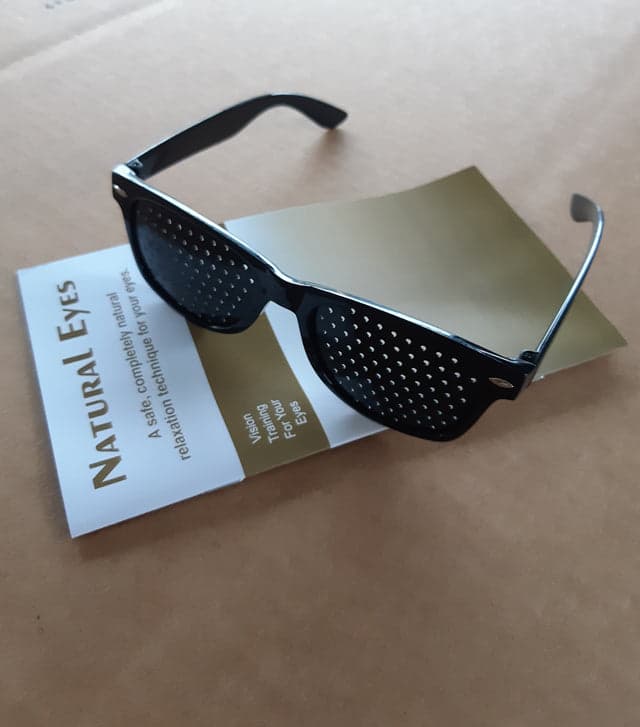 Natural Eyes Pinhole Glasses ADULT in Black Round FrameMomentum98 Natural Health Store · $24.95
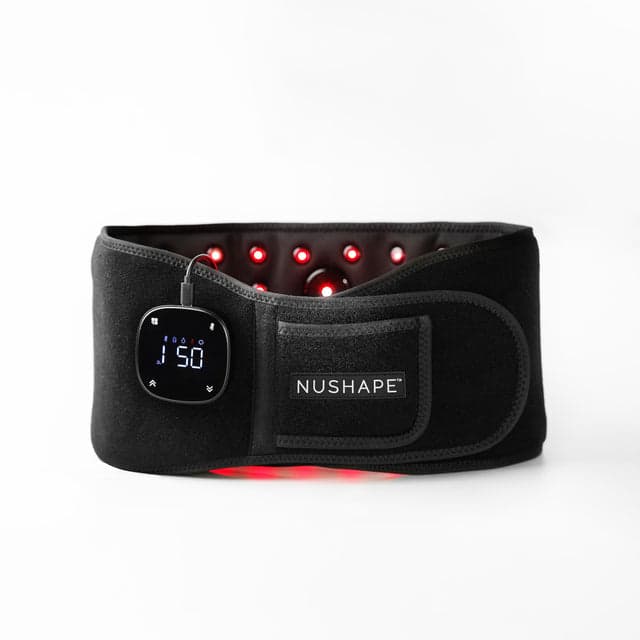 The Therapy Wrap PulseNushape · $749.99
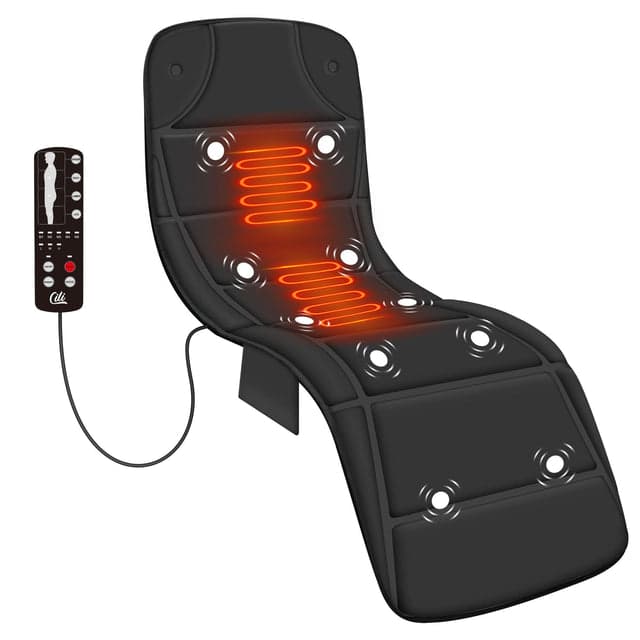 CILI Full Body Massage Mat 10 Vibration Massage Motors with Heating for Back, Shoulder, Leg, Gifts for Men Women, Mom Dad, Black CL-3701Comfier · $100.99
Choose percussion if you prioritize speed and reach
Pick a massage gun if you want targeted relief in 2-minute sessions and struggle to reach your own shoulders, upper back, or deep glutes. Athletes and gym-goers often prefer percussion for post-workout recovery because the rapid pulses work quickly and you don't tire your arms. Nushape sells a muscle massage gun suited to this rapid-relief model. If you have tight spots that need aggressive attention—especially after strength training—percussion's depth and speed justify the higher cost. Massage guns work best for people with active lifestyles, enough counter or shelf space, and the discipline to charge the battery regularly. You'll value the multiple attachment heads that let you customize the massage type (broad, pointed, or cushioned) for different body parts. If you've tried manual tools and found them effective but time-consuming, percussion cuts your recovery routine in half.
Choose manual if you prefer simplicity and durability
Pick manual massage tools if you want something that never breaks, needs no charging, and costs under $30. Foam rollers, massage sticks, and balls suit people who prefer a meditative, self-directed recovery ritual and have time to spend 5 to 10 minutes working each muscle group. They excel for stretching, mobility work, and daily maintenance. Comfier's foot massagers and back massagers bring some electric convenience to targeted areas without needing a handheld device. Manual tools are ideal if you prefer to feel exactly how much pressure you apply—important if you have sensitive areas or nerve concerns. They work offline anywhere: at work, outdoors, or in a power outage. If your recovery routine centers on flexibility rather than speed, or if you already own dumbbells and barbells you're confident using, manual tools fit your mindset. They also suit people on very tight budgets or those wary of electronic devices failing.
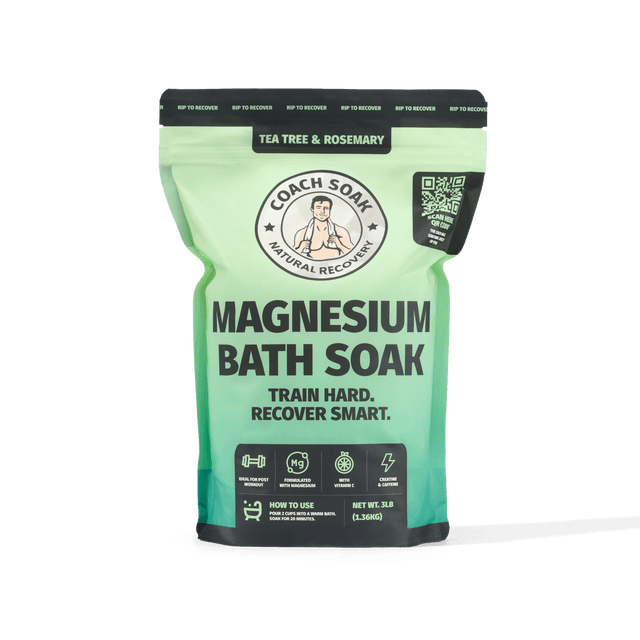 Coach Soak Magnesium Bath Soak – Tea Tree & Rosemary with Caffeine + CreatineCoach Soak · $27.95
 Super Adaptogen 100 Vegetarian Capsules - Dragon HerbsMomentum98 Natural Health Store · $27.95
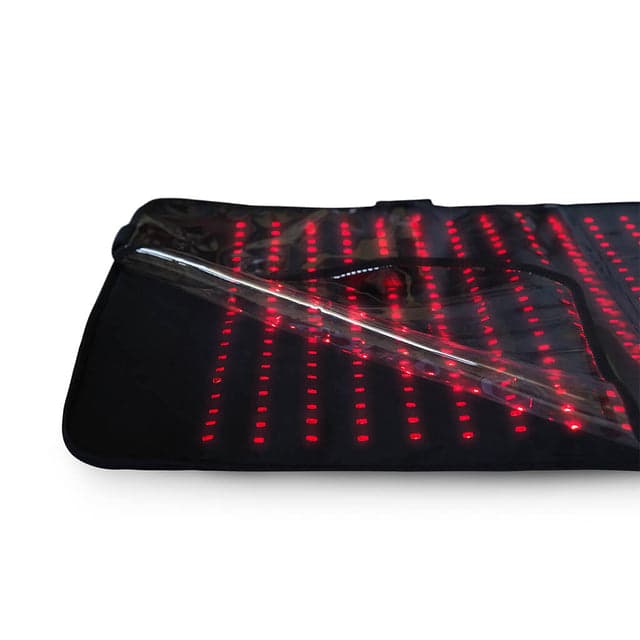 Mat Cover KitNushape · $59.00
The case for owning both—and when to stop
Many serious athletes own both: a massage gun for rapid post-workout relief and a foam roller for mobility work before sleep or on easy days. The combination costs $150 to $400 total and covers all recovery angles without redundancy. Owning both becomes overkill if you use only one regularly, leave the other in a closet, or have limited storage. If you already own a foam roller and use it 3+ times weekly, adding a percussion gun makes sense only if your current routine fails to address a specific issue (like tight calves or sore shoulders). Conversely, if a massage gun sits unused because you find percussion uncomfortable or the battery dies and you forget to recharge, a simple foam roller might actually suit you better and cost less long-term. The sweet spot is buying one tool you'll genuinely use consistently; a second tool adds value only if it serves a genuinely different purpose in your routine. Coach Soak sells massage tools alongside bath soaks and body oils, reflecting how full recovery routines often layer multiple modalities together.
Timing and prices: when to buy
Massage gun prices drop significantly during Black Friday (late November), Cyber Monday, and Amazon Prime Day, with discounts ranging from 20% to 50% off retail. Budget models start around $50 to $100; mid-range percussion guns cost $150 to $300; premium brands like Theragun run $400 to $600. Manual tools like foam rollers and massage sticks are less seasonal because they're already cheap ($15 to $50), though occasional sales can knock another 10% to 20% off. For the best value, watch prices on major retailers starting in early November rather than waiting for Black Friday itself, as inventory-clearing sales often begin weeks earlier. If you're not in a rush, a $150 percussion gun in January costs less than a $200 gun in September. Manual tools have minimal price variation, so buying whenever you're ready makes sense; there's no strategic advantage to waiting. Use price-tracking tools on retailer sites to set alerts for your chosen model rather than checking daily.
Mistakes buyers make: wrong choice, wrong use
The biggest mistake is buying a high-powered massage gun thinking it will solve chronic pain without addressing underlying form issues or consulting a physical therapist. Percussion works best for muscle soreness and mobility, not for joint pain or nerve issues. Another common error: starting at maximum intensity. Most users benefit from lower settings and gradually increasing power; high speeds on sensitive areas can bruise or aggravate inflammation. Buyers also overestimate battery life in reviews—a gun rated for 240 minutes of runtime assumes consistent low-to-medium intensity; high power drains it much faster. Manual tool mistakes include rolling directly over bones (apply pressure beside, not on, your shinbone) and rolling too quickly to feel trigger points (slow rolling, 1 inch per second, lets you find and pause on tender spots). Lastly, expecting either tool to replace sleep, nutrition, or stretching will disappoint. Recovery tools augment these fundamentals; they don't replace them. Many buyers also buy tools targeted at the wrong area: foot massagers don't help a sore neck, and hand-held percussion guns struggle with large muscle groups like quadriceps (foam rollers work better there). Match your tool to your actual problem, not to marketing hype or generic 'recovery' claims.
Our top picks

Nushape15% off
Nushape sells muscle massage guns designed for rapid post-workout percussion therapy and targeted deep-tissue relief.
Shop Nushape →19 Nushape coupons →
Comfier60% off
Comfier offers back massagers, foot massagers, and full-body massagers for stationary recovery, complementing portable percussion tools.
Shop Comfier →24 Comfier coupons →
Coach Soak35% off
Coach Soak sells massage tools alongside recovery oils and bath products, supporting layered whole-body recovery routines.
Shop Coach Soak →15 Coach Soak coupons →Momentum98 Natural Health Store40% off
Momentum98 stocks massage tools and natural recovery supplements for buyers seeking integrated wellness approaches.
Shop Momentum98 Natural Health Store →15 Momentum98 Natural Health Store coupons →Frequently asked questions
Which is better for sore muscles after a workout?
Massage guns work faster, delivering relief in 1–2 minutes per muscle group through deep percussion. Manual tools like foam rollers take longer but offer equal soreness reduction; choose percussion if time is limited, manual tools if you prefer a slower ritual and already own them.
Do I need to replace batteries in a massage gun?
Yes. Most massage guns use rechargeable batteries lasting 2 to 5 years with daily use. Replacement batteries cost $50 or more. Proper storage (charge at 30%, unplug at 100%, store at 50%) can double battery lifespan and reduce replacement frequency.
Can I use a massage gun on my face or neck?
Most percussion guns aren't designed for face use; they're too powerful for delicate facial skin. Neck use is safe on the back and sides but not the front (near the throat). Always start at the lowest setting and consult instructions for your specific device.
- https://f45training.com/article/massage-gun-benefits/
- https://www.uclahealth.org/news/article/considering-a-massage-gun-heres-what-you-need-to-know-about-percussive-therapy
- https://health.clevelandclinic.org/are-massage-guns-for-percussive-therapy-worth-it
- https://thebodyblueprint.com/massage-gun-maintenance-cleaning-guide/
- https://www.powerplate.com/blogs/news/foam-rollers-vs-massage-guns
- https://www.garagegymreviews.com/foam-roller-vs-massage-gun