
Why first-time buyers pick the wrong steamer
Most people choose shower steamers based on scent name alone, then find them dissolving in seconds under direct water flow, wasting money and delivering a burst of fragrance instead of lasting aromatherapy. Others assume higher price means better quality, or buy sets without checking ingredient lists, risking irritation if they have sensitive skin or respiratory sensitivity. Bath bomb shoppers often mistake the two products entirely—bath bombs include moisturizing oils that make showers slippery and unsafe, while true steamers are formulated without these oils. A key mistake is ignoring placement guidance: putting the steamer where water pours directly onto it rather than on a ledge or away from the main stream. Beginners also overlook storage; steamers absorb moisture and lose potency in humid bathrooms without proper sealing. Finally, many shoppers compare cost per item without factoring in how many uses you get—a larger steamer with stronger essential oil concentration may cost more upfront but deliver three showers of fragrance versus one.




What's your primary benefit before picking a scent?
Before filtering by brand, price, or scent profile, decide whether you're buying for aromatherapy (mood boost, mental clarity, relaxation) or practical benefits (sinus relief, invigorating wake-up, stress relief during wind-down). Lavender and chamomile steamers work best for calming; eucalyptus and menthol for congestion relief and mental clarity; citrus and peppermint for energy and mood lift. This decision narrows your choices significantly and prevents impulse buys that smell lovely but don't match your actual shower routine. If you shower in the morning, invigorating scents like citrus or peppermint align better with your use case. If you shower before bed, relaxing lavender or vanilla suits your purpose. Once you know your primary benefit, the scent becomes a secondary choice within that category. Temperature preference also matters here: steamers release aroma most effectively in steam from hot showers, so if you prefer cool showers, the essential oils may not activate fully, making steamer benefits less noticeable. Writing down your top three desired benefits helps you evaluate product descriptions accurately instead of buying based on packaging design.
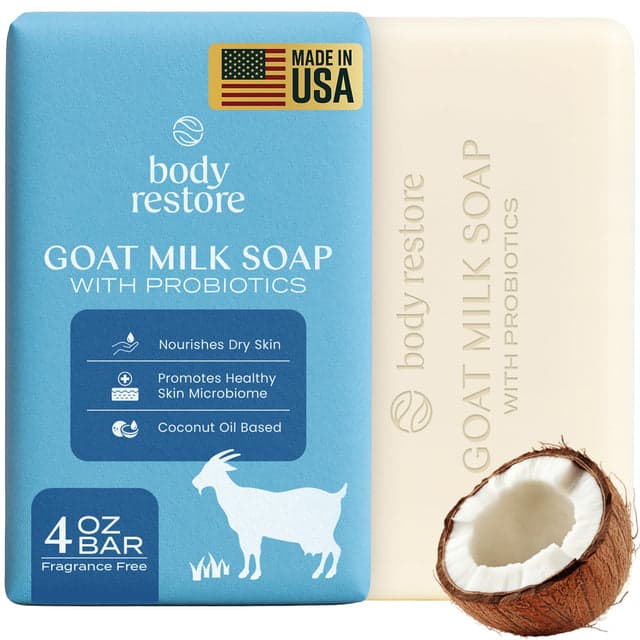 Goat Milk Soap Bar (4 oz)Body Restore · $5.99
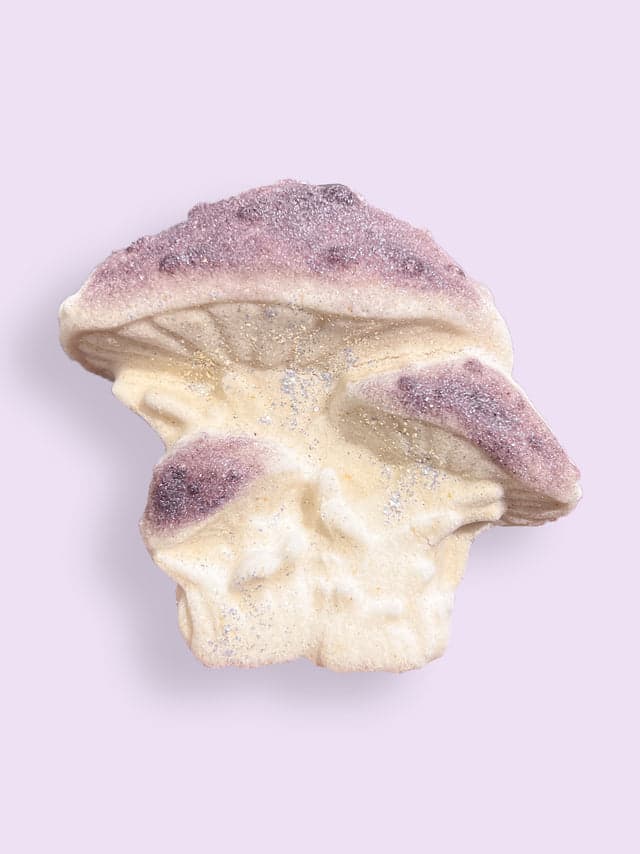 MEGA-MUSHROOM RELIEFCrystal Bar Soap · $12.00
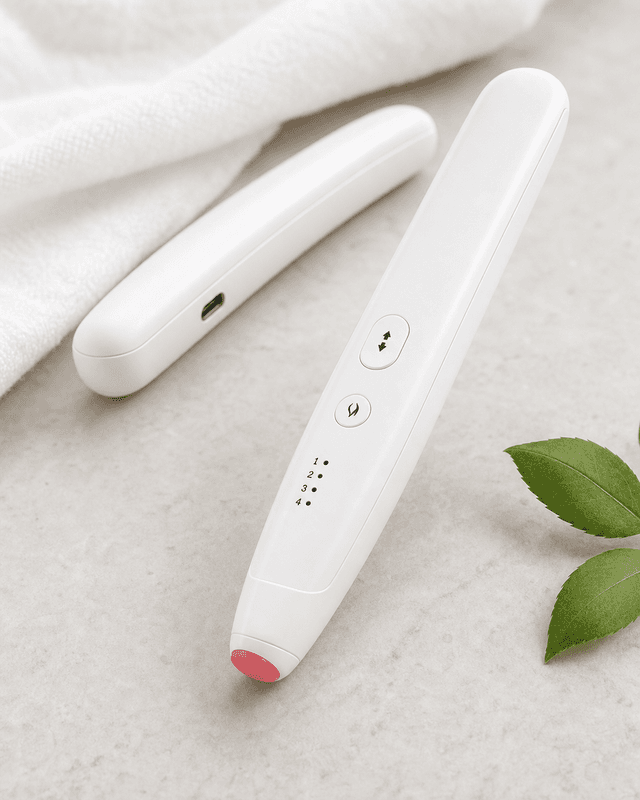 The Bite FixerSelf-Care Shower · $59.95
Which specs and materials actually make a difference?
Essential oil concentration is the single most important spec: steamers with higher concentrations deliver stronger, longer-lasting fragrance. Check the ingredient list for pure essential oils rather than synthetic fragrance oils, as pure oils provide subtle, authentic scent while synthetic fragrances can be overpowering or contain phthalates harmful to respiratory health. The base ingredients matter too—high-quality steamers use baking soda and citric acid, often with cornstarch for binding, while cheaper products may substitute fillers that diminish scent release. Size directly impacts duration: a standard steamer is roughly 1 inch diameter and lasts 5–10 minutes; larger tablets can extend to 15 minutes or even provide multiple uses. Weight per steamer is a practical spec—heavier tablets usually contain more essential oils and deliver stronger fragrance. Look for products that list ingredients transparently, avoiding vague terms like "fragrance" or "aroma compound," which often signal synthetic ingredients. Biodegradable formulations are an environmental plus if you care about water impact. Body Restore and Cosset Inc. provide straightforward ingredient information that helps you spot quality indicators. Color is misleading—natural essential oils produce muted or no color, so vibrant artificial-looking steamers likely use synthetic dyes, not natural pigmentation.
- Pure essential oils over synthetic fragrance or "fragrance oil"
- Baking soda, citric acid, cornstarch as primary ingredients
- Heavier tablets usually mean higher oil concentration
- Transparent ingredient lists without vague terms
- Muted or no color (synthetic dyes signal lower quality)
Trade-offs and what you can safely skip
Higher price does not guarantee better quality—middle-range steamers from reputable brands often outperform expensive luxury products that prioritize packaging over essential oil quality. Skip premium sets if you are testing preferences for the first time; buy single steamers in two or three scents to identify what works for you before committing to a multi-pack. Carrier oils like coconut or jojoba oil are completely unnecessary in shower steamers, unlike bath bombs, because you are not soaking in the product; if an ingredient list includes "oils," they are filler reducing the essential oil percentage. Elaborate gift packaging is purely cosmetic and raises the price without improving efficacy—a sealed tin is as functional as a decorated box. Quantity over quality rarely pays off: five cheap steamers that dissolve in three minutes and lack potent scent provide less value than three quality steamers with strong essential oil concentration. Hypoallergenic claims are marketing language; what matters is reading the actual ingredients. You can skip organic certification unless you have strong environmental values, as non-certified products using pure essential oils perform identically to certified ones. Natural color or lack thereof is not a quality guarantee—colorless steamers can be high-quality or cheap depending on oil concentration, so always cross-reference with ingredient transparency.
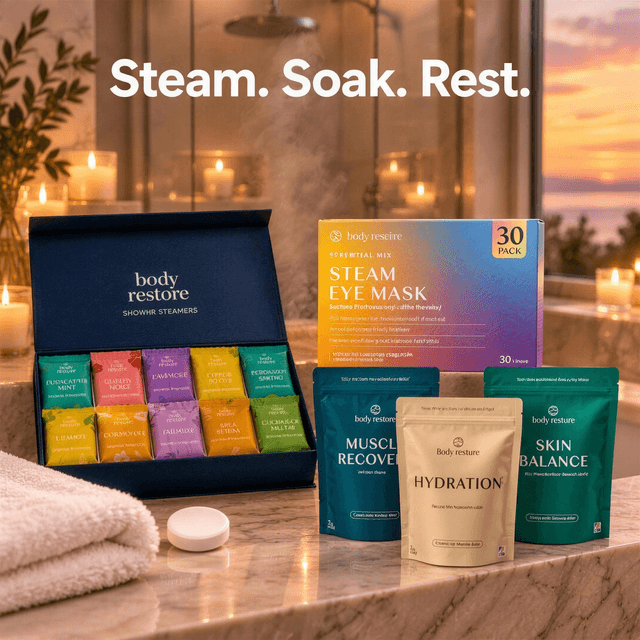 The Complete Self-Care BundleBody Restore · $84.99
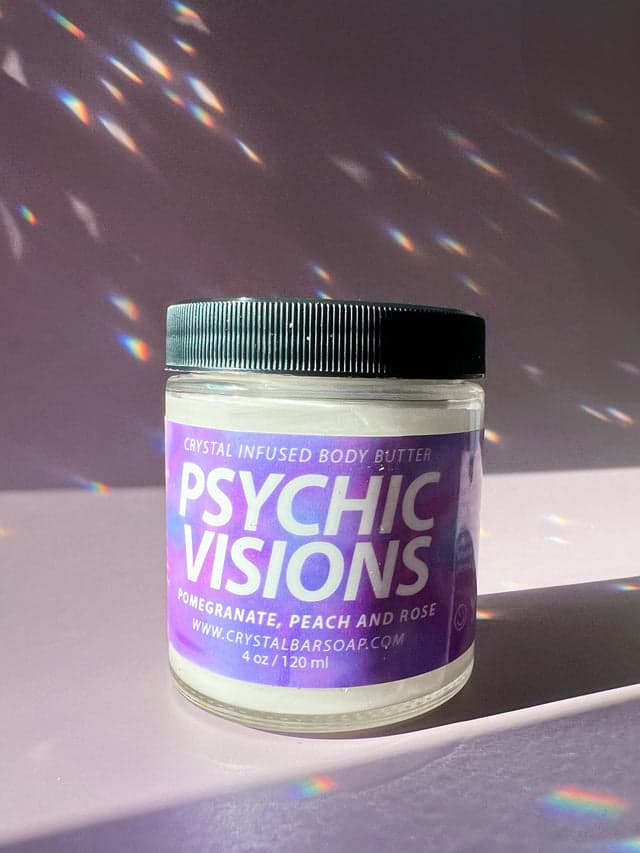 PSYCHIC VISIONSCrystal Bar Soap · $8.00
 Red Scabiosa Pre-Sale | August FlowerSelf-Care Shower · $51.99
How do you size a steamer to your shower layout?
Shower steamer size is measured in diameter and weight, not volume. Standard steamers range from 0.8 to 1.2 inches in diameter and weigh between 10 and 20 grams each; larger tablets are 1.5 to 2 inches wide and 25–40 grams. Your shower size dictates which works best: in a small bathroom where steam is contained, even a standard steamer releases sufficient aroma, while larger or open showers benefit from bigger tablets or multiple steamers. Check your shower floor layout before ordering—steamers need placement away from the direct water stream, so you need either a corner ledge, a drain-area spot, or a small dish to hold them. Some shower ledges are too narrow for standard tablets; measure your shelf width in advance. If your shower has no ledge, budget for a small silicone steamer holder or nonslip mat that keeps the tablet off the direct spray. The steamer height does not matter because they sit on horizontal surfaces. Test one steamer before buying bulk sets to confirm the size feels right in your space and the scent intensity suits your shower steam level. A steamer that is too large may dissolve too slowly, leaving visible residue; too small may vanish in a single minute. Most people find standard 1-inch steamers ideal, but trying one first prevents wasting money on sets that do not fit your shower logistics.
Which brands suit different shower preferences
For budget-conscious shoppers seeking variety, Body Restore offers affordable 6- and 15-packs priced under $20, with multiple scents per set so you can trial different aromatherapy profiles without major investment. Crystal Bar Soap serves buyers who want artisanal steamers; their smaller product range reflects intentional curation, emphasizing natural ingredient sourcing for sensitive-skin audiences. Cosset Inc. caters to buyers seeking premium sets and gift packaging, with 24 documented shower steamer products ranging from standard singles to elaborate multi-scent collections, ideal if you are buying for self-care or gifting. Self-Care Shower targets wellness-focused shoppers who value holistic routines, pairing steamers with complementary products like essential oils and affirmation cards for a coordinated at-home spa setup. If you have sensitive skin or respiratory sensitivity, start with single steamers from Crystal Bar Soap or Self-Care Shower. Frequent shoppers who test multiple scents benefit from Body Restore bulk packs, where cost per steamer drops significantly on 15-packs. Gifters should lean toward Cosset Inc., whose presentation and variety make strong visual impact unopened. For everyday shower users who simply want reliable aromatherapy without fuss, any of these brands work; the difference is packaging, set size, and scent range rather than core product quality.
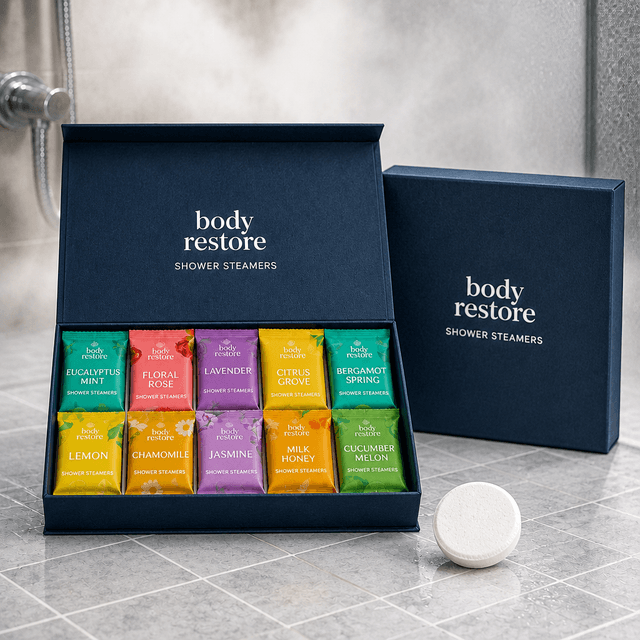 Shower Steamers Gift Box – 2 BoxesBody Restore · $79.99
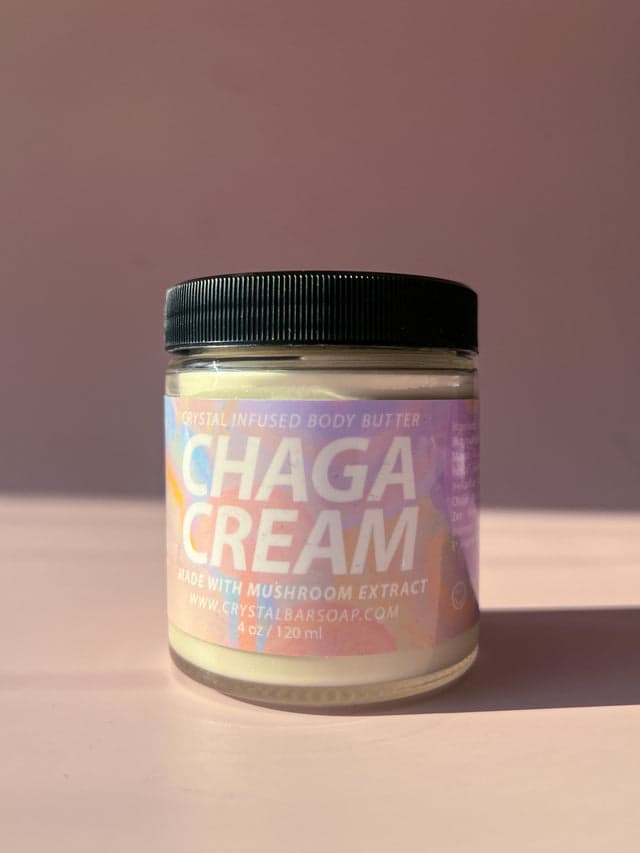 CHAGA CREAMCrystal Bar Soap · $8.00
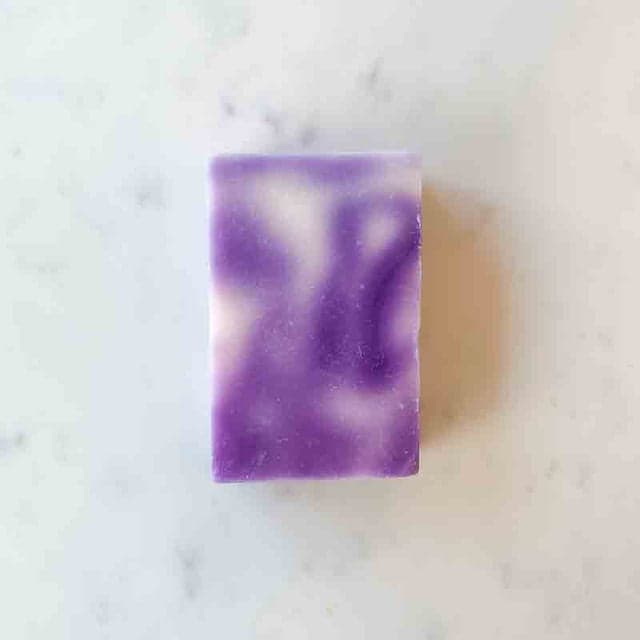 Cold Pressed Lavender Soap | Organic Shea ButterSelf-Care Shower · $9.99
What separates a quality steamer from a cheap one?
Quality steamers release noticeable, complex fragrance that develops over the first minute and sustains for 8–12 minutes of shower time; cheap steamers provide a quick burst that fades within 3–5 minutes. You can assess quality before buying by reading independent reviews that mention duration and scent strength, not manufacturer claims. Ingredient lists reveal the truth: quality products list pure essential oils first, while budget options list baking soda, citric acid, and then fillers or vague "fragrance." The price-per-steamer breakdown shows value—Body Restore's 15-pack drops cost to roughly $1.19 per steamer, while single-steamer premium sets exceed $3 per unit; the difference is often packaging, not formulation. Brands like Cosset Inc. command higher prices partly for curated scent blends and presentation; this is legitimate if you value gift quality, but the steamer itself may not outperform budget alternatives. Density matters: a steamer that feels light and crumbly probably lacks oil concentration, while one that feels slightly dense and compact usually contains more essential oils. Check return policies—quality brands allow returns if you are not satisfied with performance, because they trust their products. Cheap steamers often have no-return policies, signaling low confidence. Shelf life is a hidden quality marker: steamers stored and sold by brands with fast turnover stay fresh longer. Retailers and brands like Body Restore that explicitly note seasonal or limited releases often have fresher inventory than year-round stockists moving old product. Reading reviews mentioning "longer-lasting" and "strong scent" outweighs marketing copy claiming "luxury" or "premium."
When do shower steamer prices drop most?
Shower steamers see price drops around major gifting seasons: Mother's Day, Father's Day, holiday shopping (October–December), and New Year wellness promotions (January). Off-season summer sales also occur as retailers clear spring inventory. Subscription and bulk discounts are the most reliable savings—Body Restore 6-packs drop further with Subscribe & Save options, and buying 15-packs instead of multiple smaller sets reduces per-unit cost by up to 50%. First-purchase coupons from email signup usually save $3–5 on your first order from most brands. Seasonal gift sets occasionally discount at end-of-holiday clearance; if you find a set you like, waiting until December 26 or January 15 often yields 20–30% off remaining stock. Loyalty programs or repeat-customer discounts are rare in this category, but checking a brand's website directly sometimes reveals loyalty codes that retailers do not advertise. Bundle deals that pair steamers with complementary products like bath salts or scrubs occasionally offer perceived value, though calculating per-steamer cost reveals you often pay full price for the steamer and discount only on secondary items. Avoid flash-sale pressure; steamers are not seasonal essentials, so waiting for the next promotional window rarely costs you much. Retail price inflation is minimal in this category, so a sale of $2–3 off is normal and not a sign of stock clearance or quality issues. Direct-to-consumer brands sometimes undercut major retailers; checking Crystal Bar Soap and Self-Care Shower websites directly may reveal better pricing than third-party marketplaces. Realistic savings expectations: bulk buying, seasonal timing, and email-signup discounts typically save 15–25%, not 50%, so do not hold out for unrealistic markdowns.
What are the most common steamer mistakes to avoid?
Assuming shower steamers are identical to bath bombs is the most frequent error—bath bombs contain oils that create slipping hazards and skin irritation in showers, while steamers are formulated for dry placement away from direct water contact. Placing the steamer directly under the showerhead causes rapid dissolution and a strong, short scent burst instead of sustained aromatherapy; moving it to a ledge or corner extends duration significantly. Buying multi-packs of one scent without testing leads to spending $15–20 on a fragrance you end up disliking; trying singles first prevents this. Ignoring ingredient lists and assuming "natural" labels mean pure essential oils is misleading; many products labeled "natural" still contain synthetic fragrance. Storing steamers in the bathroom without airtight containers guarantees loss of potency within weeks as humidity degrades essential oils; keeping them in a bedroom closet or sealed tin preserves freshness for months. Overspending on premium brands expecting superior quality is pointless when mid-range brands like Body Restore perform identically at half the cost. Buying steamers with artificial dyes expecting longer color retention fails because the color is cosmetic and unrelated to performance—muted or natural-colored steamers often outlast vibrant ones. Not measuring shower ledges before ordering results in steamers too large to fit on your shelf or too small to notice placement. Expecting one steamer to last an entire week guarantees disappointment; most provide 1–3 uses depending on size and water flow. Finally, treating steamers as aromatherapy substitutes for medical sinus relief or anxiety treatment sets unrealistic expectations—they enhance shower relaxation but should not replace medical care for respiratory or mental health issues.
- Confusing bath bombs with steamers (bath bombs contain oils and are slippery)
- Placing steamers directly under the water stream
- Buying multi-packs of one scent without testing first
- Assuming "natural" label means pure essential oils
- Storing steamers in the bathroom without airtight containers
Our top picks

Body Restore30% off
Affordable bulk packs (6–15 count) with varied scent sets under $20, ideal for buyers testing multiple aromas and seeking best cost-per-steamer value.
Shop Body Restore →15 Body Restore coupons →
Crystal Bar Soap90% off
Artisanal small-batch steamers emphasizing natural ingredients and transparency; best for those valuing handcrafted quality and testing scents before committing to bulk.
Shop Crystal Bar Soap →15 Crystal Bar Soap coupons →
Self-Care Shower51% off
Wellness-focused brand pairing steamers with essential oils and self-care accessories; suits routine builders seeking a coordinated spa experience at home.
Shop Self-Care Shower →15 Self-Care Shower coupons →Frequently asked questions
How long do shower steamers actually last per use?
Most standard steamers provide 8–12 minutes of noticeable scent in a typical hot shower. Duration depends on essential oil concentration, steamer size, and placement—steamers away from direct water flow last longer than those directly under the spray. Larger or premium formulations may extend to 15 minutes; budget options may fade within 5 minutes.
Are shower steamers safe for sensitive skin and asthma?
Shower steamers do not contact your skin directly, but inhaling steam releases essential oils into the air. If you have asthma or respiratory sensitivity, test with low concentrations or single-scent trials before bulk buying. Look for transparent ingredient lists and avoid synthetic fragrance; consult a doctor if you experience breathing difficulty.
Can you use a bath bomb as a shower steamer?
No. Bath bombs contain moisturizing oils that make showers dangerously slippery and can irritate skin with concentrated oil contact. Shower steamers are specifically formulated without oils for safe placement on shower floors. Using a bath bomb in a shower risks slipping and skin reactions.
- https://monitorbp.ne.gov/post/how-long-do-shower-steamers-last
- https://siegfriedt-survey.umb.edu/pti/are-shower-steamers-safe-what-you-didn-t-know-until-now
- https://www.naplessoap.com/blogs/blog/shower-bomb-vs-bath-bomb
- https://checklist.atameken.kz/?p=26724
- https://www.vitacost.com/products/artnaturals-shower-steamers-6-pack-1-4-oz-40-g-143551