
Which casual sneaker type fits you best?
Leather men's casual sneakers are built for longer wear, a smarter finish and regular care. Canvas men's casual sneakers are built for light weight, easy washing and a relaxed everyday look. Neither is right for every buyer. Leather costs more up front and asks for conditioning, but it tends to last longer and can often be polished or repaired. Canvas costs less and is simpler to clean, yet it stains more easily, absorbs water and can wear out faster with rough use. One estimate puts a men's canvas sneaker at about 300 grams and a leather shoe at more than 500 grams, so canvas feels far lighter. The sections below cover durability, upkeep, space, and the brands that fit each choice.




Durability and comfort: where the two types split
Durability is where leather usually wins. Retailer guides describe quality leather lasting over a decade with proper care, though these figures are not from independent wear tests. Canvas wears down faster with rough use and absorbs moisture, so it suits lighter daily wear better. Water and stains split the two types. Leather resists water and abrasion, and conditioning improves that resistance. Canvas can take a wash, but when it stays damp it can stain, smell and lose shape. Comfort depends on the fit, footbed and sole as much as the upper, so try pairs on when you can. Armos, which sells handcrafted leather shoes, loafers and sneakers, sits on the leather side of this choice. SANS MATIN sells trainers and sneakers in a USD 37 to 280 range, so its listings can be compared across both materials. Check each product page for the upper material before you assume.
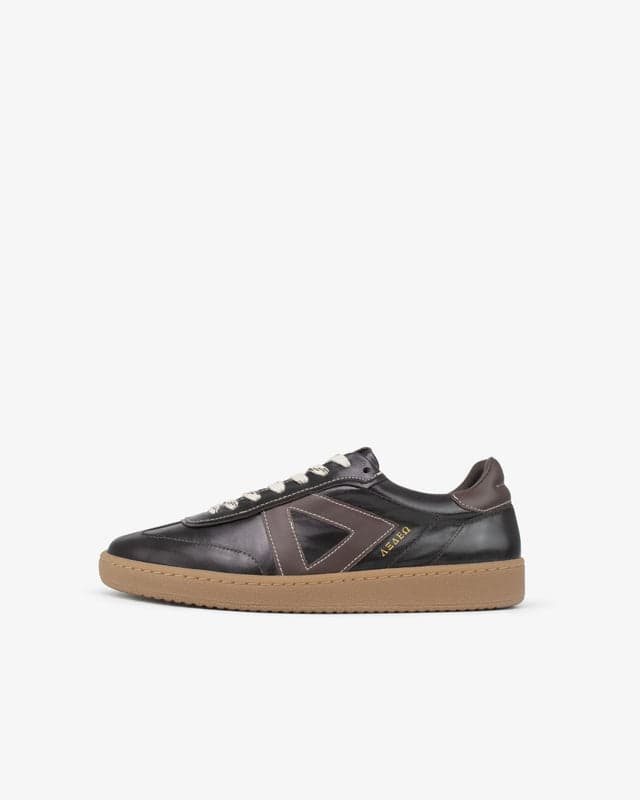 Hera Low Top Sneakers - Patent Chocolate Brown LeatherSANS MATIN · $240.00
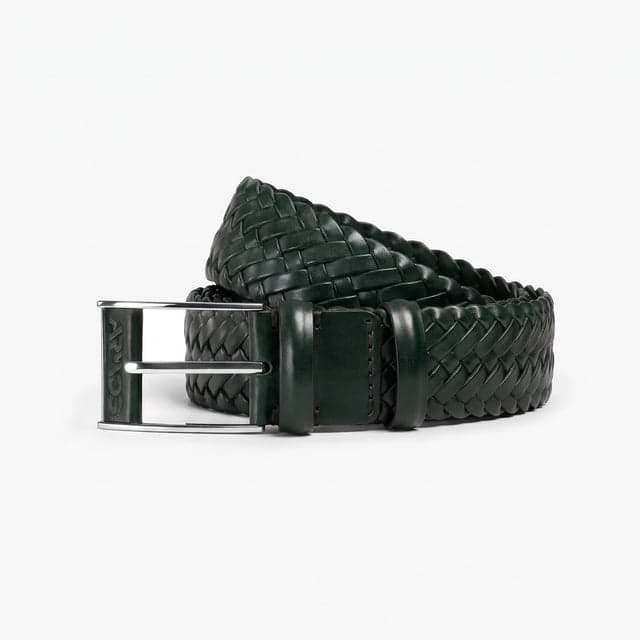 Men’s Green Braided Leather BeltArmos · $285.00
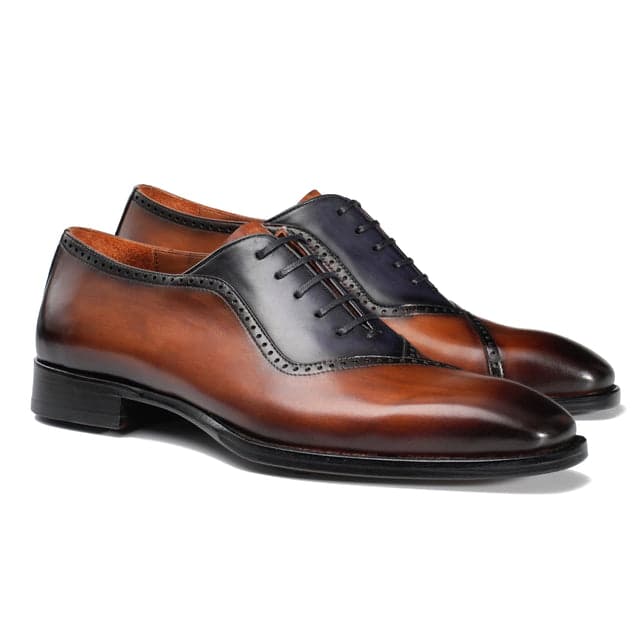 Hand-Dyed Two-tone stitching Oxford-Sale(Ships to the US only)GIFENNSE · $280.00
How much upkeep does each type need?
Running cost is the clearest gap. Canvas costs less to buy. One market estimate cited in a footwear guide puts canvas shoes at about USD 20 to 100 and leather at USD 100 to 500 or more. Another estimate says canvas averages roughly 30 percent less than leather. The difference continues after purchase. Leather needs regular conditioning and polishing to keep its luster and avoid cracking, and it can often be repolished or repaired when worn. Canvas can usually be machine washed and dries fairly quickly, but stains and water can still leave marks. Sources also disagree on lifespan: one puts daily-worn canvas at about six months, another at one to three years, so budget for replacement. SANS MATIN sells eco cleaning kits in its range, so care products can come from the same shop as the sneakers.
- Leather: regular conditioning to keep it from cracking
- Leather: polish to keep the finish
- Canvas: machine wash only when the label allows
- Canvas: act quickly on stains and water marks
How much space and setup do they need?
Space needs are small for either type, since one pair of sneakers takes up similar shelf room whatever the material. The real difference is what keeps the shoe in shape. Leather benefits from a shoe tree, a dry place and a soft cloth, because it can crease and crack if it dries out or bends repeatedly. Canvas needs less kit, but it should dry fully before it goes back in a box, so air circulation matters. Canvas is also the lighter option for travel, which matters if you pack one pair for a trip. Setup effort is mostly about buying a few care tools once. A small kit with a brush, a soft cloth and a conditioner covers most leather needs, while canvas owners mainly need a stain remover and a cool, dry place to store the pair. Plan storage around the material you choose, not the other way round.
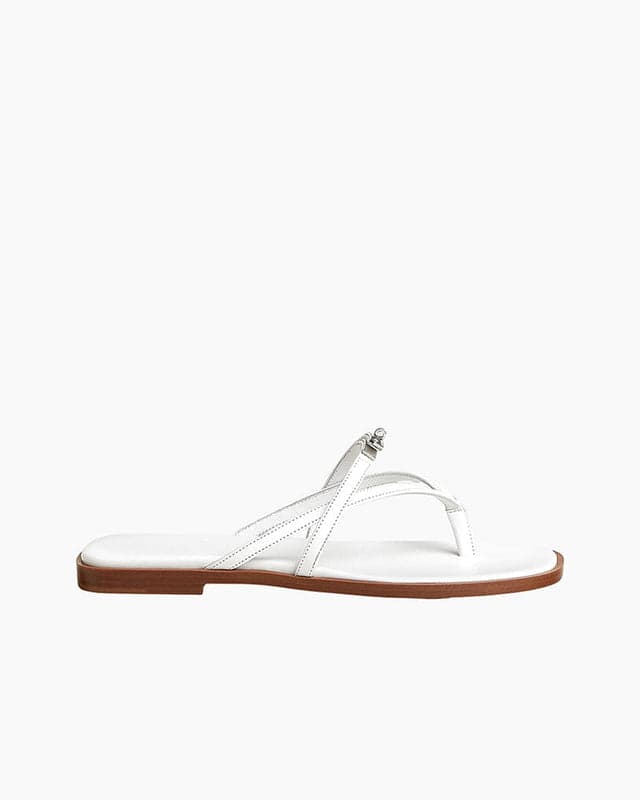 Women's Island Vacation Minimalist Lock Leather Flip-FlopsEasecoo · $100.00
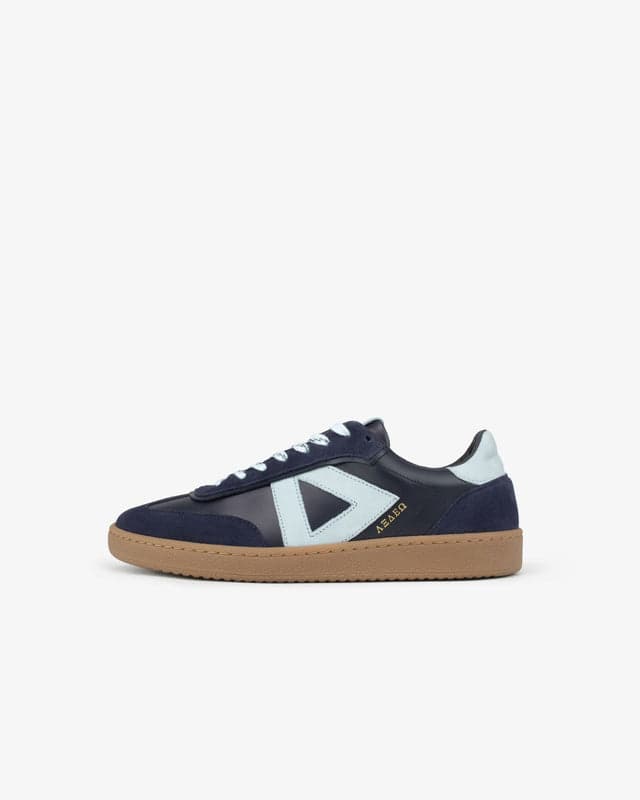 Hera Low Top Sneakers - Navy Blue Leather, Suede & Sky Blue Nubuck LeatherSANS MATIN · $210.00
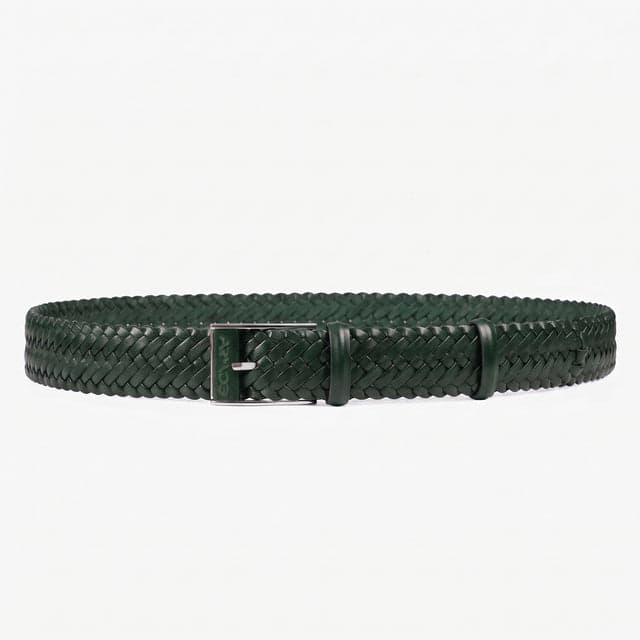 Men’s Green Braided Leather BeltArmos · $365.00
Choose leather if you want wear and polish
Pick leather if you want one sneaker that lasts longer and looks smarter on dressier days. Leather suits buyers who will condition the pair and accept a higher price. It is the stronger choice if you expect the pair to handle wet weather and years of use, since leather resists water better than fabric. Armos is the most direct name on the shortlist for leather-first buyers, since it sells handcrafted leather shoes, loafers and sneakers. GIFENNSE lists sneakers among its products and shows a USD 280 to 350 range, which places it at the top of this guide's budget. Before you pay, check the leather type, sole and stitching on the product page, because the price should match the build you are getting. If you dislike maintenance, do not choose this path.
Choose canvas if you want light, low-fuss pairs
Pick canvas if you want a lighter sneaker for weekends, travel and warm days, and you do not want to fuss over conditioner. Canvas suits buyers who want casual looks, lower upfront cost and simple washing. It is also the more informal choice, generally seen as too casual for formal dress. SANS MATIN sells trainers and sneakers in a USD 37 to 280 range, so canvas-leaning shoppers can compare several price points. Check each listing for its upper material, since not every sneaker is fabric. Easecoo sells shoes, loafers and boots in a USD 85 to 195 range, which is a useful reference if you want a non-sneaker alternative for smarter days. Avoid canvas if your shoes will face heavy rain or long hours in wet conditions, because fabric absorbs water and wears faster in rough use.
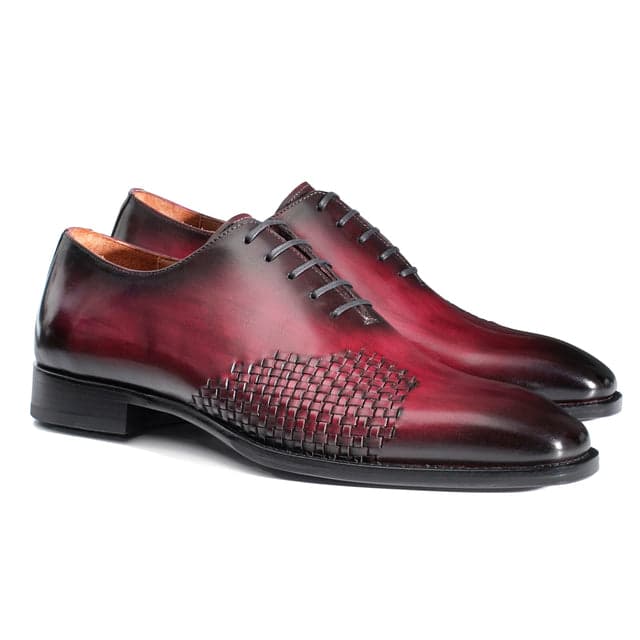 Hand-Dyed Whole Cut Woven Oxford -Sale(Ships to the US only)GIFENNSE · $280.00
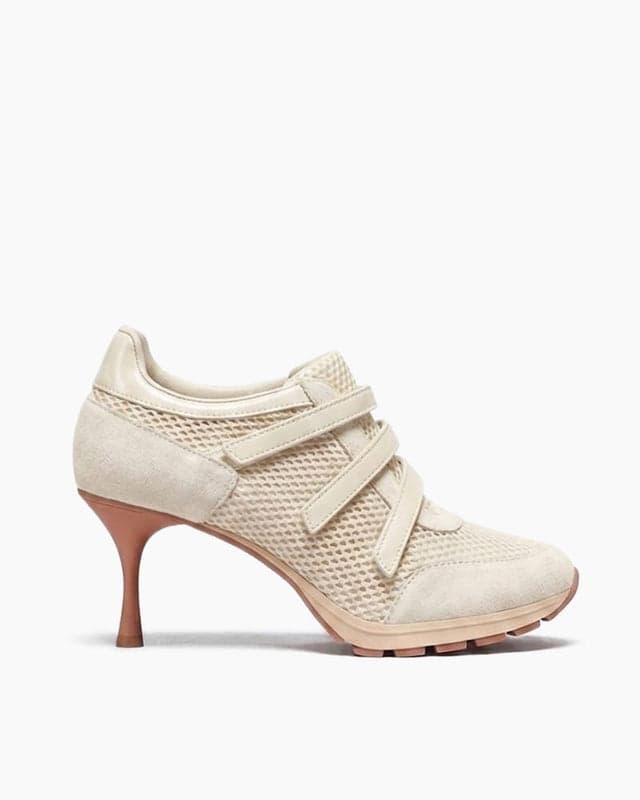 (Pre-sale) Triple-Strap Breathable Mesh High Heel SneakersEasecoo · $150.00
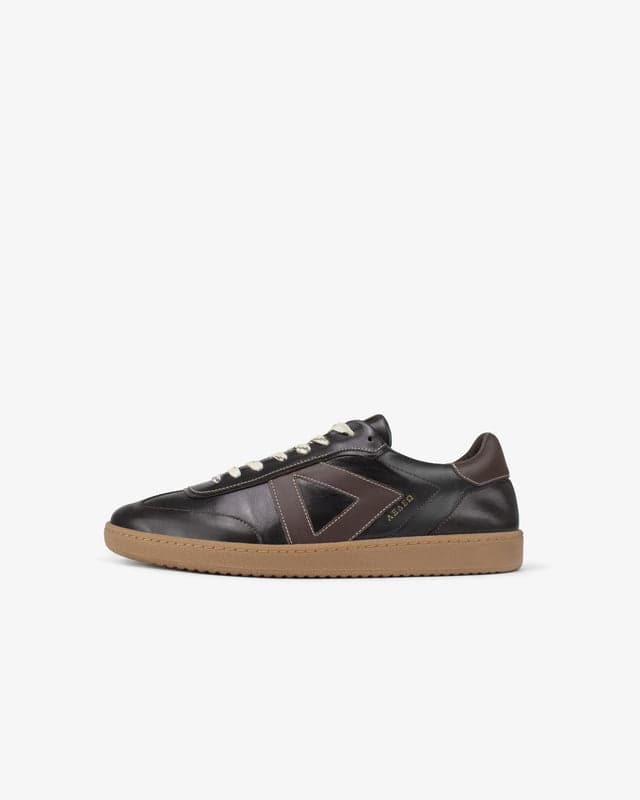 Hera Low Top Sneakers - Patent Chocolate Brown LeatherSANS MATIN · $240.00
When owning both makes sense, and when it does not
Owning both makes sense when you dress in two clear modes. A leather pair can cover smarter days, while a canvas pair handles wet weather, travel or casual weekends, so each does a different job. It is overkill if you wear sneakers for one purpose, have little storage or do not want to maintain leather. Buying two pairs also doubles your care costs and storage needs. A practical route is to buy the type you wear most first, then add the second once you know which care routine you will keep. Armos leans leather, while SANS MATIN lists sneakers across a wider price spread, so a buyer could compare one of each. Confirm the material on every listing before you buy, and do not buy a second pair only because a sale looks good.
How to save on either type with timing and codes
Savings come from timing and from reading the offer terms. Seasonal sales and clearances are common across footwear, but each brand sets its own rules, so read what a code covers before applying it. A code may exclude sale items, certain sizes or shipping, and it may have an end date. Compare any price against your target rather than the first banner you see. GIFENNSE lists a USD 280 to 350 range, so a discount there matters more in cash terms than on a cheaper pair. Easecoo's USD 85 to 195 range gives more room to wait for a markdown. Set a target price, follow one or two brands, and buy when a reduction meets that target. Never assume a code applies to every product in the store.
What mistakes should you avoid when choosing?
The most common mistake is buying by look alone. Two sneakers can look alike and still differ in upper material, sole and stitching, so check the listing before you pay. Shoppers also mix up care needs. A leather pair left unconditioned can crack, and a canvas pair left damp can stain or lose shape. Another mistake is trusting a single review. One sponsored review of SANS MATIN is labelled as partnership content and lists no real drawbacks, so cross-check it against other sources. Many buyers also assume lightness means comfort, yet one source notes canvas gives less rigid structure around the foot. Finally, do not pay for a dressier leather look if you only wear sneakers at weekends. Match the type to how you actually dress and clean.
- Buying by photo without checking the upper material
- Leaving leather unconditioned for long periods
- Leaving canvas damp after rain
- Trusting one sponsored review without a second source
Our top picks

SANS MATIN40% off
For buyers who want a broad sneaker range at many price points, from USD 37 to 280, with eco cleaning kits in the same shop.
Shop SANS MATIN →15 SANS MATIN coupons →
Armos35% off
For buyers who want handcrafted leather shoes, loafers and sneakers, suited to a leather-first choice built for longer wear.
Shop Armos →15 Armos coupons →
GIFENNSE40% off
For buyers ready to spend USD 280 to 350 on sneakers, who can time purchases around sales when prices drop.
Shop GIFENNSE →15 GIFENNSE coupons →
Easecoo50% off
For buyers who want a non-sneaker option, such as shoes, loafers or boots, in a USD 85 to 195 range.
Shop Easecoo →15 Easecoo coupons →Frequently asked questions
Are leather casual sneakers worth the extra cost?
Often yes, if you wear them a lot and will condition them. Guides describe quality leather lasting over a decade with proper care, though those figures are not from independent wear tests.
Is canvas a good choice for everyday wear?
Yes for light, casual use. Canvas is lighter and easier to wash, but it stains more easily and absorbs water, so it suits dry weather and relaxed outfits better than rainy commutes or formal settings.
Should I buy leather or canvas first?
Buy the type you wear most. If you want one pair for many occasions and can keep it conditioned, leather is the usual pick. If you want light, low-care shoes for casual days, start with canvas.