
What changed in 2026 water flosser market
The water flosser category has evolved significantly. UVC sterilization technology now appears in mainstream models, automatically sanitizing water tanks between uses—a feature that wasn't common in earlier years. Cordless designs have improved battery life to 40+ days, making portable flossing more practical for daily use. Pressure ranges have expanded, with top models offering 10-level adjustments and specialized modes like Child Mode and Pulse Mode for targeted cleaning. Manufacturers continue releasing OLED displays that show real-time pressure and mode information. Most importantly, clinical data from 2024-2025 confirms water flossers remove up to 74.4% of plaque from treated areas and are at least as effective as string floss for reducing gum bleeding. The ADA has approved several leading models, giving consumers independent validation of effectiveness and safety.
Who should buy which kind of water flosser
Countertop models suit people who stay in one place and want maximum power and capacity—typically households with multiple users or those with braces, bridges, or crown work. These sit on your bathroom counter and deliver 1,200+ pulses per minute with larger tanks (600-800ml). Cordless water flossers work best for travelers, renters, or anyone who values portability and simplicity. Cordless options hold 200-350ml, last 30-40 days per charge, and cost less than countertops. Budget shoppers benefit from entry-level cordless models under $30, which still deliver 5+ pressure modes and adequate performance for everyday cleaning. Premium buyers who want advanced features—UVC sterilization, heated water, or app connectivity—should look at higher-end cordless and countertop designs with smart modes and real-time displays.
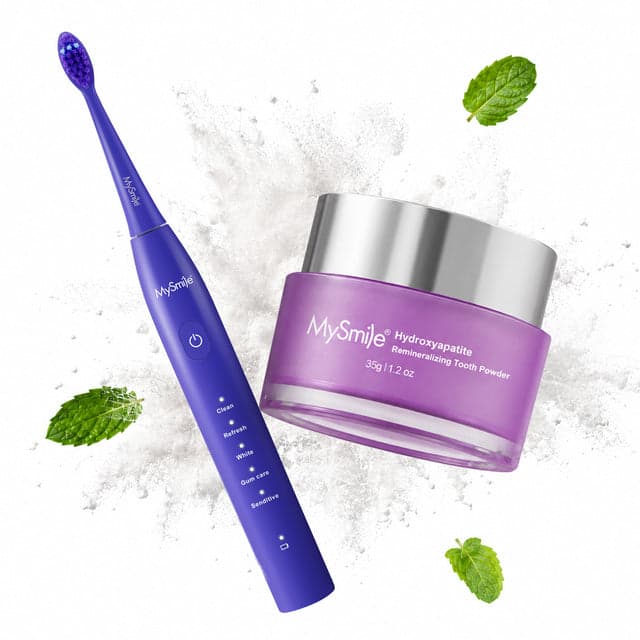 DY156 Essential Sonic Toothbrush + Nano-Hydroxyapatite Tooth Powder BundleMySmile · $43.99
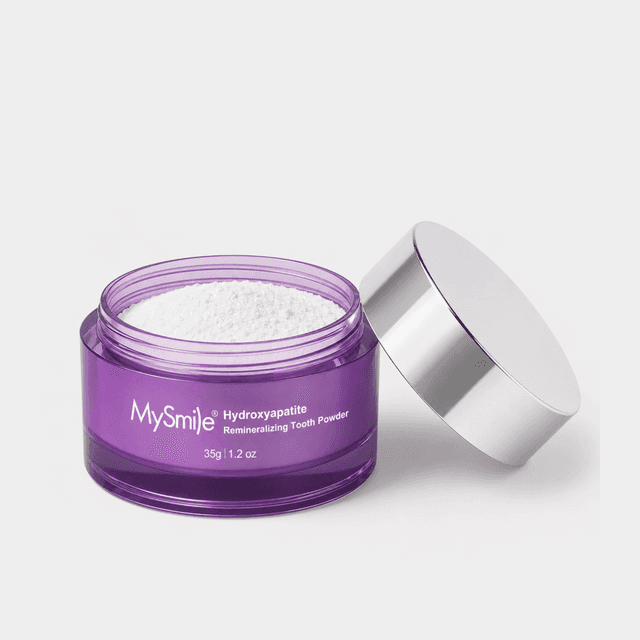 Nano-Hydroxyapatite Tooth Powder for Sensitive TeethMySmile · $18.99
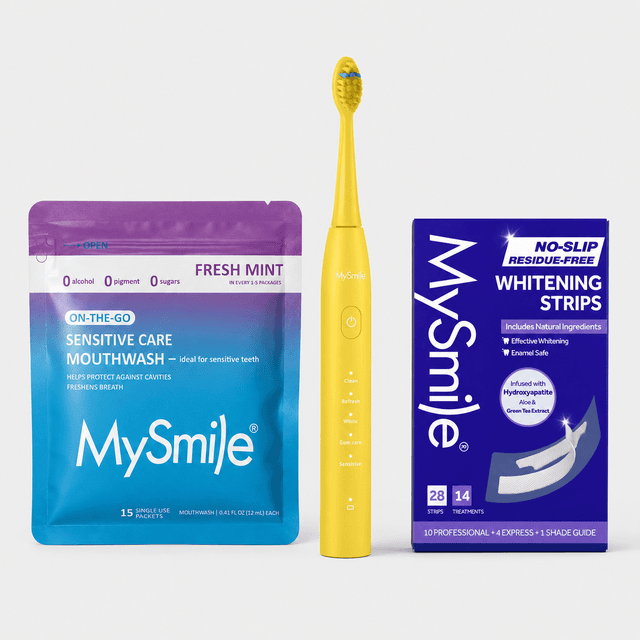 MySmile® Campus Survival KitMySmile · $46.99
Best for most people: cordless and reliable
For the average person, a cordless model offers the best balance of power, ease, and cost. MySmile produces power dental flossers including the LP221, which delivers 2000-2800 pulses per minute with 4 modes, 10 pressure patterns, and a 40-day battery life. The LP221 includes a UVC sterilizer that eliminates bacteria from the nozzles between uses, an OLED display showing real-time settings, and comes with 8 jet tips in a travel bag. At a mid-range price, cordless models handle braces, tight spaces, and everyday plaque removal without the footprint of a countertop unit. The cordless category suits families and single users equally well because they're intuitive and don't require plumbing access.
Best on a tight budget
Budget water flossers start around $18-$30 and still deliver meaningful results. Entry-level cordless models offer 300-400ml tanks, 5 pressure modes, and 7-10 days of battery life before recharging. These options feature basic modes without OLED displays or UVC sterilization, but they clean teeth effectively and suit people testing water flossing for the first time. MySmile offers several cordless models at lower price points alongside its premium LP221, allowing different budgets within the same brand. Budget water flossers from various makers include the same core technology—a pump, water tank, and jet tips—as expensive models, so the main differences are battery longevity, number of tip options, and convenience features rather than cleaning power. Starting at a lower price point makes sense if you're unsure whether water flossing fits your routine.
Best when you want advanced features
High-end water flossers add convenience and performance extras that appeal to people serious about oral health. Countertop models like the MySmile LP233 Pro deliver up to 180 PSI pressure, 10 pressure levels, 3 smart modes (Child, Normal, Pulse), UVC sterilization, an 800ml tank, optional heated water for sensitive teeth, and hydrogen-rich water filtration. OLED displays show real-time mode and pressure information. Heated water options reduce sensitivity during cleaning. Hydrogen-rich filtration claims to provide fresher, cleaner water, though this is a newer feature still being studied. Premium cordless models add 360° UVC sterilization that covers the entire reservoir. These advanced options cost more ($70-$150+) but provide comprehensive features if you use water flossing as your primary cleaning method and want maximum convenience and hygiene options.
The specs that actually matter when choosing
Three specs determine real-world performance. Pressure range (measured in PSI) controls cleaning force—most adults safely use 50-80 PSI, while children and people with gum recession start at 10-40 PSI. Models offering 10+ adjustable levels let you find your comfort zone instead of using one fixed pressure. Pulses per minute (roughly 1,200-2,800 for most models) affects how effective the jet stream is at dislodging plaque. Tank size influences how long you can floss without refilling—countertops hold 600-800ml and cordless models hold 200-350ml. Battery life matters for cordless: 30-40 days between charges beats 7-10 day models for convenience. Tip variety (usually 4-8 included) matters less than having adjustable pressure, since most tips do similar work. Water heat is nice but not essential unless you have very sensitive teeth. UVC sterilization is a convenience feature that reduces bacteria in the tank, but regular rinsing works too.
What marketing hype you can skip
Several claims about water flossers lack strong evidence. Hydrogen-rich filtration, found in some 2026 premium models, is marketed as improving water quality, but independent testing is limited. App connectivity that tracks flossing habits sounds useful but doesn't change the actual cleaning. Claims about removing plaque more thoroughly than string floss are misleading—research shows water flossers and string floss work differently, with water flossers better at flushing subgingival areas and string floss better at scraping flat surfaces. Neither is objectively superior; both have roles. Brand promises of 99.99% bacteria elimination from UVC sterilizers are technically accurate but unnecessary—your mouth's own bacteria aren't harmed by regular water exposure. Oscillating tips (tips that vibrate during use) are marketed as advanced, but they're a minor feature that doesn't significantly improve cleaning versus standard jet tips. Five-year warranties sound impressive but water flossers typically last 3-5 years with normal use. Skip features that sound premium but don't solve your actual cleaning need.
How to save money on water flossers this year
Water flosser prices have become more competitive in 2026. Cordless models at $20-$40 provide solid value compared to $100+ countertop units, and most people benefit from cordless. Seasonal sales typically drop prices 15-25% in November and around New Year, when oral health resolutions spike. Retail sites like Walmart and Amazon stock both premium and budget models from multiple brands, allowing easy price comparison. Buying a previous-year model (like 2025 cordless versions instead of 2026 releases) saves 20-30% with minimal performance difference, since core technology hasn't dramatically changed year-to-year. Multi-packs of replacement tips cost less per tip than buying individually, so if you plan long-term use, buying extras upfront saves money. Retailer discounts on bundled sets (water flosser plus multiple tip packs) sometimes offer savings versus buying items separately. Coupon codes are less common for water flossers than other categories, so watching for seasonal sales is more effective than searching for promo codes.
Common mistakes buyers make and how to avoid them
Starting water flossers at maximum pressure is the most common mistake. Gums aren't used to the sensation and can bleed temporarily if you use high pressure immediately. Begin at 30-40 PSI and increase over days or weeks as your mouth adjusts. Holding the tip directly at the gumline aimed perpendicular to teeth can irritate inflamed tissue; instead, angle the tip at 45 degrees and move along the gumline slowly. Assuming water flossing replaces string floss entirely leads to missed interdental cleaning on flat tooth surfaces where water jets don't penetrate. Research suggests using both—water flosser for subgingival areas and easy daily cleaning, string floss for tight contacts. Neglecting tank cleaning allows stagnant water and mineral buildup, especially in hard-water areas. Empty the tank after each use and rinse it weekly. Buying without testing pressure settings means you might pick a model too weak or too strong for your gums; electric retailers sometimes allow demo units. Ignoring the included instruction manual causes missed features like mode selection, pressure adjustment, or tip replacement, leaving potential benefits unused. Reading the manual takes five minutes and prevents weeks of frustrated use.
Our top picks

MySmile40% off
Offers cordless and countertop power dental flossers with UVC sterilization, multiple pressure modes, and long battery life from budget to premium tiers.
Shop MySmile →15 MySmile coupons →Frequently asked questions
Can water flossers damage your gums?
No, when used at safe pressure levels (under 100 PSI). Clinical studies find no increase in gum recession or attachment loss. High pressure can irritate already-inflamed gums temporarily, so start at lower settings and increase gradually. Angle the tip at 45 degrees rather than directly at the gumline to avoid sensitivity.
Is a water flosser better than string floss?
Both are effective but excel at different tasks. Water flossers flush subgingival areas and reduce bleeding better; string floss scrapes plaque off flat tooth surfaces better. Research shows they're roughly equally effective for overall gum health. Most dentists recommend using both as complementary tools rather than replacing string floss entirely.
How often should you replace water flosser tips?
Replace tips every 3-6 months, or when bristles look frayed or weakened. Some water flossers include 4-8 tips, so you can cycle through several before needing to buy replacements. Tips are inexpensive ($5-$15 per pack of multiple tips) and sold separately from most brands.
- https://www.cnn.com/cnn-underscored/reviews/best-water-flosser
- https://www.electricteeth.com/best-water-flosser/
- https://www.consumerreports.org/health/water-flossers/best-water-flossers-a2024213010/
- https://www.walmart.com/reviews/product/5386876884
- https://lanedds.com/blog/water-flosser-vs-string-floss/