
The two options in one paragraph
A down alternative comforter uses synthetic fill in place of natural down. Real down is the traditional choice. Sleep Foundation says real down insulates better and feels cozier, while down alternatives still provide warmth but are generally less insulating. Sleep Foundation also puts real down at a typical minimum of $150, while alternatives range from under $50 to over $200. Most down alternatives can be machine-washed, which real down often cannot. For a shopper who wants one clear answer, the choice comes down to whether allergies, budget and easy care or maximum warmth and long life matter more. Jersylinen lists cotton comforter sets and Live Comfortably lists comforters, so both are worth checking as a starting point, though the shortlist line does not say which fill either one uses.




Which warms better, and does fill power matter?
Real down gives more warmth for its weight, which is why many shoppers pay more for it. Mattress Clarity notes that a down alternative needs more fill to reach the same warmth, so light and warm alternatives are harder to find. The number to look for on real down is fill power. Sleep Foundation calls fill power below 500 low and above 700 high, with most all-season down comforters falling between 600 and 700. Lower fill power lets more air through, which suits hot sleepers, while higher fill power holds more heat. Sleep Foundation says down alternatives are less likely to make you overheat, so they often suit people who sleep warm but still want a cozy bed. Match the rating to your room and your sleep temperature rather than chasing the highest number.
- Check whether the real down has been washed to remove dirt and dust
- Look for a stated fill power, not only the word warm
- Check the stated fill weight before comparing prices
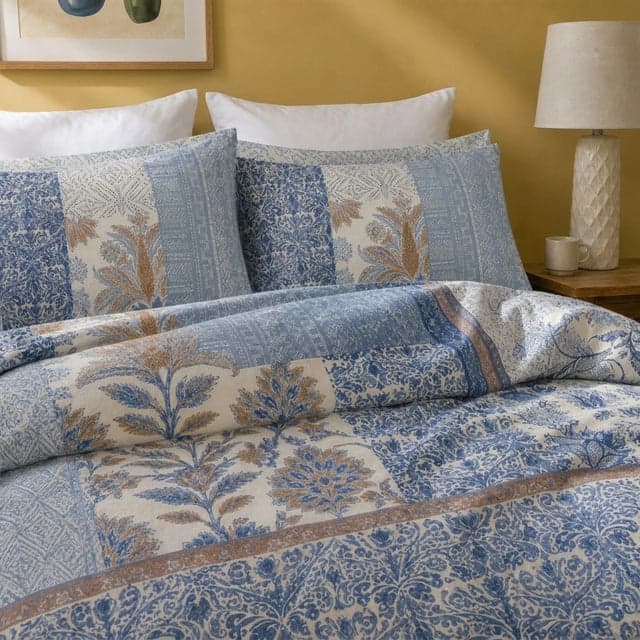 The Mediterranean Patchwork Duvet Cover SetJersylinen · $129.00
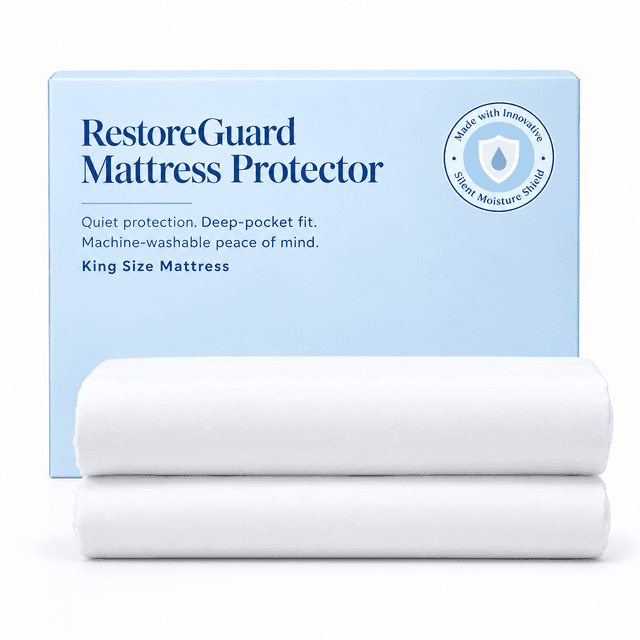 RestoreGuard Mattress ProtectorSutera · $99.00
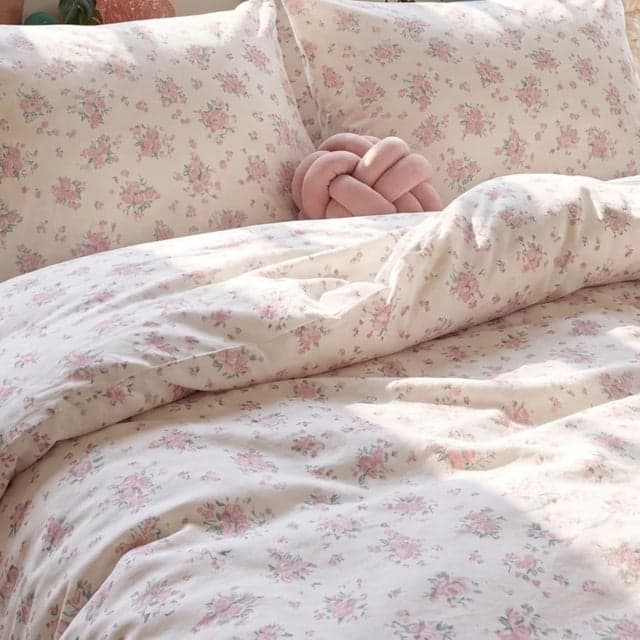 Rosette Ditsy Duvet Cover SetJersylinen · $129.00
Running cost and upkeep: what each one asks of you
Upkeep is where the two types differ most in daily life. Sleep Foundation says most down alternatives are machine-washable, while down often needs professional cleaning. Mattress Clarity agrees that alternatives can usually be washed at home, but warns that home washing can fray the outer shell and break down the fill over time. Real down is the more durable option, and Sleep Foundation describes it as among the most durable bedding materials, while down alternatives tend not to last as long. That gap matters for running cost. A cheaper comforter that needs replacing sooner can cost more over the years than a dearer one that lasts. Sleep Foundation's washing schedule, written for down, suggests washing a comforter with a duvet cover once or twice a year, washing the cover every one to two weeks, and washing a bare comforter every three to six months.
Does a large dryer change the choice?
Space and setup matter more than most shoppers expect. Sleep Foundation's drying advice, written for down, says to use a large-capacity dryer so the comforter can tumble freely, and to avoid top-loading washers, which can wrap a comforter around the agitator. If your laundry room has only a small machine, a bulky comforter may not fit, and a laundromat may become the practical option. Air drying is slower. Sleep Foundation says line drying on a sunny, breezy, low-humidity day can take most of a day or longer. Storage is the other part of setup. Any comforter that is folded or stored while still damp can clump and grow mildew, so it needs to dry fully first. For a home with a big dryer, a down alternative is easy to handle in-house. Real down still often calls for professional cleaning, even with a good machine. Jersylinen lists cotton duvet cover sets, which can protect either type between washes.
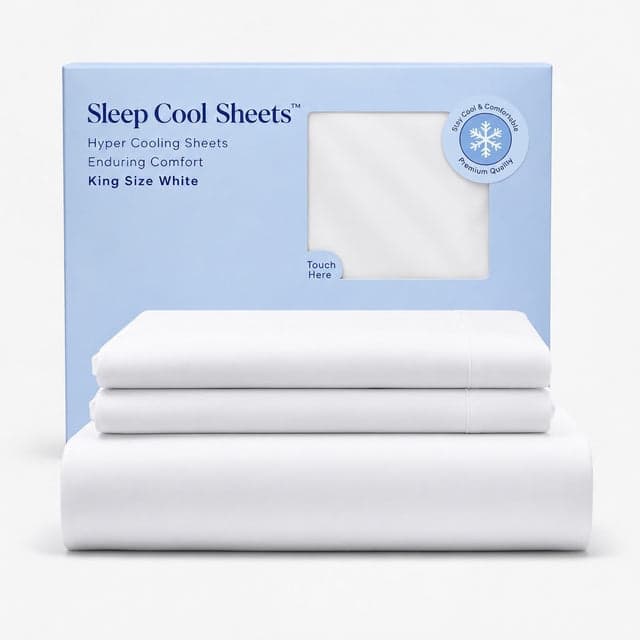 Sleep Cool Sheets™Sutera · $179.00
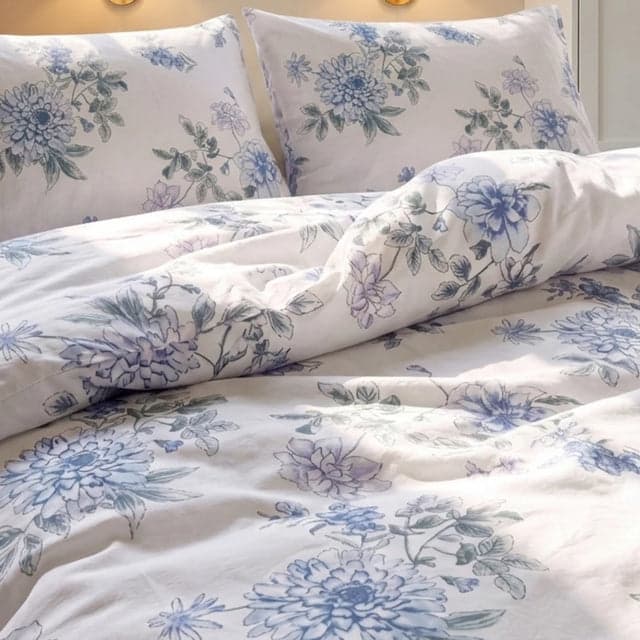 Indigo Bloom Duvet Cover SetJersylinen · $129.00
 Silverthread Bath Towel BundleSutera · $189.00
Choose a down alternative if allergies or budget lead
Pick a down alternative if you have allergies, sleep hot, prefer animal-free bedding or are working to a tight budget. Sleep Foundation says research suggests down is not more allergenic than other materials, but unwashed down can hold dust mites and mold, and many down alternatives resist allergens better. Mattress Clarity describes down alternatives as mainly hypoallergenic and generally the better choice for serious allergies. Easier home washing also makes regular cleaning practical, which matters because unwashed bedding can hold dust mites. On price, Sleep Foundation puts alternatives from under $50 to over $200. Among the shortlist, Sutera lists bedding and pillows, and its price range runs from USD 17 to 189. Jersylinen lists cotton comforter sets, with a range of about USD 45 to 180. Check each product page for the fill before you buy.
Choose real down if warmth and lifespan come first
Pick real down if you do not have allergies, want the most warmth for the least weight and expect the comforter to last for years. Sleep Foundation calls down among the most durable bedding materials and says it feels cozier, with higher fill power holding more heat. It also suits shoppers who want a plush, lofty feel and accept a higher price, since Sleep Foundation says real down typically costs at least $150. The trade-off is upkeep. Down often needs professional cleaning, and Sleep Foundation's home-washing steps for down call for a large front-loading machine, gentle detergent and low heat when drying. Check each product page for the fill type and the stated fill power before you compare prices. None of the shortlist entries says it sells real down, so do not assume a comforter is real down without checking.
Should you own both, and when is that overkill?
Owning both makes sense when a household has different needs. A real down comforter can suit the coldest months, while a down alternative can be the everyday bed that goes through the washer. That split uses each type where its strength shows. For most single beds it is overkill. Two comforters mean two care routines, two storage spaces and two price points to justify. Sleep Foundation says real down typically costs at least $150, so owning both can cost much more than one well-chosen comforter with a washable duvet cover. If one person in the house has allergies, a single comforter can still work with a washable cover and regular washing, so a second comforter is not always needed. For shoppers who want one bedding set that covers most needs, Jersylinen's cotton comforter set is one shortlist option to compare, and Sutera's bedding and pillows add options for a complete bed.
Saving on either type without guessing sale dates
The sources reviewed for this guide did not give reliable dates for sales, so it does not name a best time to buy. What you can do is compare listed ranges and the label. Sutera's price range runs from USD 17 to 189, and Jersylinen's runs from about USD 45 to 180. Check the exact size and fill on each product page. Sleep Foundation's figures, under $50 to over $200 for alternatives and at least $150 for real down, show that the fill type drives much of the price. A code covers only what its terms say, so read the exclusions and minimum spend before you apply one. Check whether it applies to comforter sets, duvet covers or pillowcases, since Jersylinen lists those separately. If a down alternative is your choice, the lower end of the range may be a fair buy. If real down is your choice, a long lifespan can justify paying more up front, because a cheap comforter that is replaced sooner adds cost.
What mistakes do shoppers make when choosing?
The most common error is choosing on price or the word warm alone. A low price can hide a comforter that wears out sooner, and a warm label says little about loft. Buying real down for allergies without asking whether it is washed is another trap, because unwashed down can hold dust mites and mold. Shoppers also skip the care steps after purchase, which is where both types lose loft and life. Another slip is ignoring size. A comforter that is too large bunches on the bed, and one that is too small leaves cold gaps at the edges. Sleep Foundation's schedule for washing a comforter with a duvet cover means the comforter itself can be washed less often. Use the list below as a quick check before you pay, and read each product page for the fill and the care label, not only the headline claim.
- Washing in a top-loader or on hot water
- Using chlorine bleach, fabric softener or dryer sheets
- Wringing the comforter out instead of pressing out water
- Drying on high heat or stopping before it is fully dry
- Washing too often, which can reduce loft and lifespan
Our top picks

Jersylinen40% off
Suits buyers who want cotton comforter sets or duvet covers in a listed range of about USD 45 to 180 and plan to check the fill on each page.
Shop Jersylinen →15 Jersylinen coupons →
Sutera50% off
Suits shoppers comparing bedding and pillows across a listed price range of USD 17 to 189, with budget options worth a look.
Shop Sutera →15 Sutera coupons →
Live Comfortably35% off
Suits shoppers who want comforters from a brand listed for pillows, comforters and mattresses, and who will confirm the fill before buying.
Shop Live Comfortably →15 Live Comfortably coupons →Frequently asked questions
Are down alternative comforters machine washable?
Most are, but check the care label first. Dry on low heat, shake it during the cycle and make sure it is fully dry before using it again, since dampness can cause mildew.
Is real down better or worse for allergies?
Neither is automatically safer. Sleep Foundation says research suggests down is not more allergenic than other materials, but unwashed down can hold dust mites and mold.
Does a down alternative last as long as real down?
Sleep Foundation says down is among the most durable bedding materials and that down alternatives tend not to last as long. Washing habits affect both types, so care matters as much as the fill.