
Road vs trail: The essential difference
Road running shoes feature smooth, flat outsoles designed for paved surfaces, with lightweight mesh uppers and generous cushioning in the midsole to absorb impact from repeated footsteps on hard pavement. Trail running shoes are engineered for uneven, off-road terrain with aggressive lugged outsoles for traction, reinforced toe bumpers to protect against rocks and roots, and rock plates embedded in the midsole to prevent sharp objects from piercing your foot. The core trade-off is simple: road shoes prioritize speed and comfort on predictable surfaces, while trail shoes prioritize protection and control on unpredictable ground. If you run exclusively on roads or treadmills, road shoes are your only tool. If you tackle rocky, rooted, or muddy trails, you need trail-specific protection. Many runners find themselves naturally gravitating to one or the other based on their local terrain.



What do runners care about most when choosing?
The primary concern for road runners is cushioning and energy return—how the shoe absorbs and redirects the impact of each step on unforgiving asphalt. Road shoes use soft foam midsoles, often with heel-to-toe drops of 8–12mm to reduce strain on the Achilles and calf muscles. Trail runners prioritize traction and ground feel. A trail shoe's lugged outsole must grip loose surfaces like gravel and mud, while firmer foam and lower stack heights keep your foot responsive to terrain changes. Brands like Altra Running emphasize responsive foam and natural foot positioning, while Hoka UK focuses on cushioning technology for softer rides. Secondary concerns diverge too: road runners want breathability and lightweight construction for speed, while trail runners want durability and water resistance in the upper material. Gait analysis at a specialist running shop can reveal your pronation pattern, which affects shoe selection for both types.
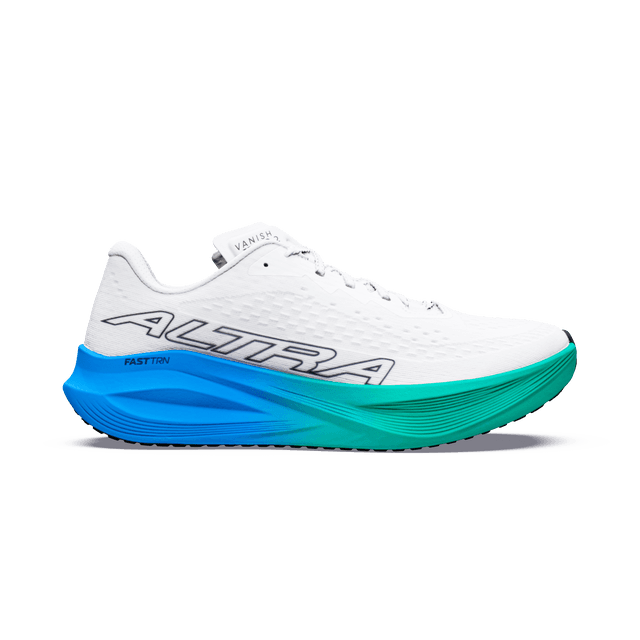 Women's Vanish Tempo 2Altra Running · $200.00
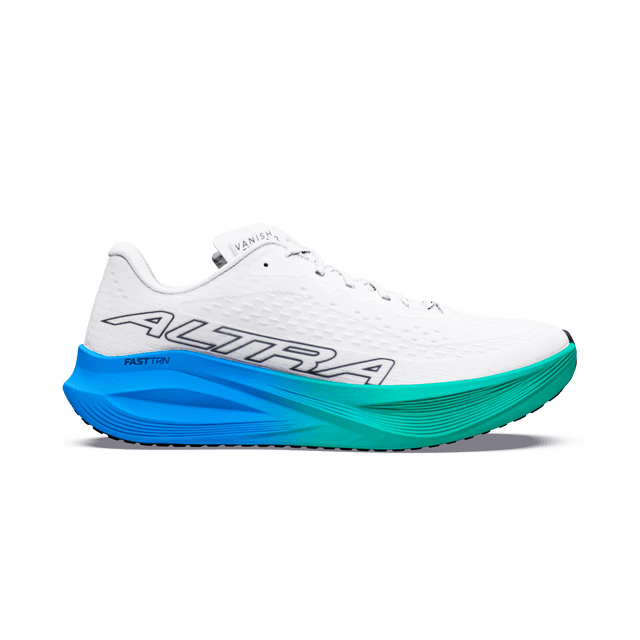 Men's Vanish Tempo 2Altra Running · $200.00
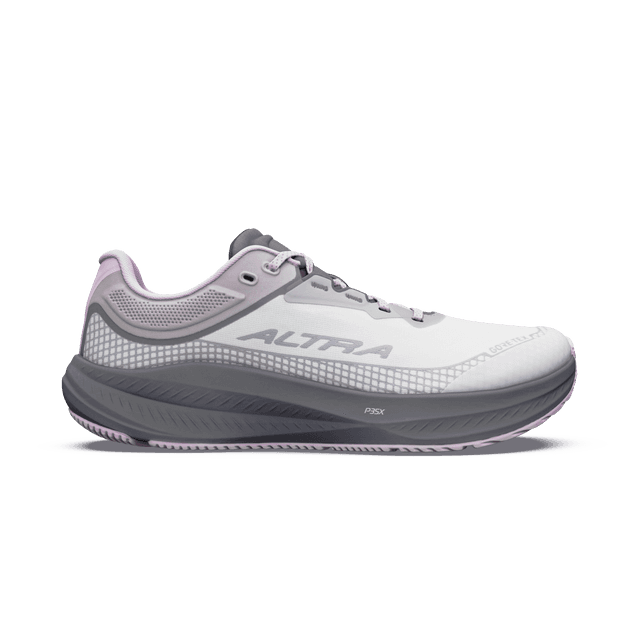 Women's Torin 9 GTXAltra Running · $180.00
How do running costs and maintenance differ?
Both road and trail shoes typically last 300–500 miles before the midsole begins to lose its protective properties, though quality pairs may extend to 450–800km with proper care. Trail shoes often carry a premium price (AUD 120–240) due to reinforced materials and technical outsoles, while road shoes range broadly across budget levels. The real cost-saving insight applies equally: rotating two pairs of shoes and allowing 24 hours rest between runs can extend midsole life by 100–200 miles, translating to 25–40% longer lifespan. Both types require the same maintenance: store in a cool, dry place away from direct sun and heat, use newspaper or shoe trees to absorb moisture and maintain shape, and avoid the washing machine. Trail shoes need more frequent cleaning to remove mud and debris, which can degrade the outsole if left to harden. The average runner needs roughly two pairs per year, making rotation a smarter investment than replacement cycles.
Space, weight and setup: Do road shoes pack lighter?
Road shoes are noticeably lighter, typically weighing under 200g per shoe compared to trail shoes at 250–350g. For speed-focused runners and those training for road races or marathons, this weight difference matters over long distances. Road shoes take up minimal luggage space and transition easily between running and casual wear in some models. Trail shoes are heavier by necessity: reinforced uppers, rock plates, and aggressive outsoles add protective bulk. However, weight alone should not drive your choice—a heavy shoe on the right terrain beats a light shoe on the wrong surface. Trail shoes may also take slightly longer to break in due to stiffer materials, though brands like Tarkine design their shoes with comfort in mind from day one. Road shoes typically require no setup beyond trying them on, while trail shoes benefit from a short break-in period to let the upper materials flex naturally. Neither type requires ongoing assembly or special equipment; the setup difference is minimal and purely about comfort adaptation rather than actual effort.
Choose road shoes if you run here
Road running shoes are the right choice if you run on pavement, tarmac, or dedicated running tracks most of the time. They suit marathon training, speed work, and recovery runs on consistent surfaces. Runners targeting personal records on road races benefit from road shoes' lightweight design and smooth energy return. Altra Running offers zero-drop road models for runners seeking a more natural foot strike, while Hoka UK's cushioned platforms suit those prioritizing impact protection on high-mileage weeks. Road shoes also work for gym treadmills and urban running where surfaces are predictable. If your area lacks significant trail access or you simply prefer the road, one quality pair of road shoes is often sufficient. They are also more versatile for casual wear and cross-training, making them practical for runners who want a single shoe for multiple purposes.
Choose trail shoes if you run here
Trail running shoes are essential if your local terrain includes rocky, rooted, muddy, or loose ground—anywhere a smooth outsole would slip. Technical mountain trails, forest paths, and uneven park terrain all demand trail-specific protection. Tarkine makes trail shoes designed for Australian off-road conditions, with durable uppers and aggressive treads. Trail shoes excel for fell running, fell racing, and multi-sport events mixing road and trail sections. If you live near hills, moorland, or wooded areas, trail shoes keep your feet safe and give you confidence on uneven ground. They also suit runners with ankle instability or those recovering from foot injuries, since the stiffer heel counter and protective upper material provide more structural support than road shoes. Trail shoes may feel heavy and stiff on pure road surfaces, so they are less ideal for speed work on pavement, but they are absolutely necessary if trail running is more than an occasional activity.
Should you own both, and when is one pair enough?
Many serious runners own both road and trail shoes, rotating them based on planned workouts and terrain. This strategy extends the lifespan of each pair because no single shoe bears all your mileage, and you get the performance benefit of specialized footwear for each environment. However, one pair is enough if your running is dominated by one terrain. Urban road runners logging 30–50 miles per week on pavement will never need a trail shoe. Similarly, trail-focused runners who rarely touch pavement might skip road shoes entirely. The case for both grows stronger if you run 50+ miles weekly across mixed terrain, train for both road and trail races, or have access to varied terrain within your regular running loop. Budget is the deciding factor: quality shoes cost AUD 120–240, so owning both represents a significant investment. Start with one pair matched to your primary terrain, then add the second type only if your running expands or circumstances change. Many runners find that rotating two pairs of the same type is wiser than owning one road and one trail shoe if budget is tight.
When do running shoe prices drop and what do codes cover?
December is the strongest discount month for running shoes, with 48.4% of promotional codes offering 25% off or deeper discounts. November follows at 40% participation, making the pre-Christmas period ideal for stocking up. Early January and Presidents' Day weekend see aggressive discounting of 40–70% off retail as brands clear old stock. Summer brings frequent promotions around Independence Day, back-to-school (mid-August), and Labor Day, with 75% of brands participating. Spring sales around Easter and Memorial Day typically offer 25–40% off. April is the weakest month for discounts at only 26.9% participation, so avoid buying then. Discount codes usually cover the full shoe price rather than specific categories, meaning you get the same percentage off whether buying road or trail models. Retailers and brand websites like Hoka UK and Altra Running run seasonal sales, though timing varies. Sign up for brand newsletters to catch flash sales and new-model releases, which often trigger clearance codes on previous seasons. Rotating shoes means buying twice yearly, so timing your purchases around December or summer sales can save 20–40% annually.
What mistakes do men make when picking running shoes?
The biggest mistake is prioritizing looks over fit. A shoe that looks great but pinches your heel or squeezes your toes will cause blisters and black toenails, turning training into frustration. Buy for feel first. Another common error is choosing shoes that are too small—many runners misjudge their size, especially when trying shoes in the morning when feet are fresh. Measure your feet at the end of the day when slightly swollen, and leave about half a centimetre of space in front of your longest toe. Ignoring your foot strike is a costly oversight: pronation (rolling inward), supination (rolling outward), or neutral strike patterns require different support levels. The wrong type leads to knee pain, ankle strain, or shin splints. A gait analysis at a specialist running shop clarifies this quickly. Many runners also ignore persistent pain, assuming their feet will adapt to a poor fit. Your shoes should adapt to your feet, not the reverse—discomfort is a signal, not a phase. Finally, runners often ignore their actual running surface when choosing shoes. Buying road shoes for trail running or vice versa guarantees regret. Be honest about where you run 80% of the time and match your shoe to that environment.
- Prioritize fit over appearance; a tight shoe causes blisters
- Measure feet at end of day when slightly swollen
- Know your foot strike pattern (neutral, pronation, supination)
- Never ignore persistent pain—poor fit won't improve with time
- Match shoe type to your primary running surface, not secondaries
Our top picks

Altra Running90% off
Offers zero-drop and low-drop road shoes with responsive foam, ideal for runners seeking natural foot positioning and efficient energy return on pavement.
Shop Altra Running →23 Altra Running coupons →Hoka UK50% off
Delivers highly cushioned road and trail models using advanced foam technology, suited to runners prioritizing impact protection on long-distance runs.
Shop Hoka UK →16 Hoka UK coupons →Frequently asked questions
How do I know if I overpronate when choosing shoes?
Overpronation (rolling inward) shows up as excessive inner-sole wear on used shoes or a visible inward lean when you run. Visit a specialist running shop for gait analysis, which uses video slow-motion to show your foot strike. This 10-minute assessment guides you toward shoes with the right medial support.
Can I wear road shoes on light trail running?
On well-maintained trails with minimal obstacles, road shoes work temporarily, but they lack the grip and protection needed for rocky or loose terrain. Slipping on wet roots or catching your toe on hidden rocks is more likely. Invest in trail shoes if off-road running becomes regular.
How often should I rotate between multiple pairs?
Alternate pairs every 1–2 runs, giving each shoe at least 24 hours rest. This lets the midsole foam recover from compression and extend overall lifespan by 100–200 miles per pair. If you run 5 times weekly, two pairs get 2–3 days between uses, maximizing their durability.
- https://www.therunningcompany.com.au/the-difference-between-trail-and-road-running-shoes-explained/
- https://fitandwell.com/news/trail-shoes-vs-running-shoes-whats-the-difference-and-do-you-need-both
- https://www.fleetfeet.com/blog/trail-running-shoes-vs-road-running-shoes
- https://runrepeat.com/uk/guides/data-analysis-when-is-the-best-time-to-buy-running-shoes
- https://www.t3.com/features/3-running-shoe-mistakes-everyone-makes
- https://atoms.com/articles/how-long-do-running-shoes-last