
What each product does
Weighted blankets are therapeutic blankets filled with materials like glass beads or sand, typically weighing between 15 and 25 pounds, that distribute pressure evenly across your body. The deep pressure stimulation they provide activates your parasympathetic nervous system, which lowers stress hormones like cortisol and encourages serotonin release. Sleep masks, also called blackout masks or eye masks, are soft coverings that block ambient light from your eyes while you sleep. They work by preventing light from suppressing melatonin production and interrupting your sleep cycle. Both are portable, non-invasive solutions that fit into an existing bedtime routine. Weighted blankets are particularly useful if you struggle with anxiety or racing thoughts at bedtime. Sleep masks are most effective if you live in a bright environment, sleep during the day, or travel frequently to places with inconsistent lighting. The choice between them depends on what disrupts your sleep most: racing thoughts and tension, or unwanted light.



How pressure and light-blocking address different sleep barriers
The primary difference between these products lies in what they address in your sleep environment. Weighted blankets create a sensation similar to being hugged or swaddled, which research suggests can reduce anxiety and promote relaxation. A 2024 study on adults with clinical insomnia found that weighted blanket users were 26 times more likely to see significant improvements in insomnia severity. This makes weighted blankets particularly valuable if your sleep problem stems from an overactive mind or physical restlessness. Sleep masks solve a completely different problem: light infiltration. Even dim light from streetlamps, alarm clocks, or dawn can suppress melatonin production and prevent deep sleep. Studies show that complete darkness increases melatonin levels and supports REM sleep, which is critical for memory consolidation and emotional regulation. If your bedroom is bright or your sleep schedule is irregular, blocking light will make a bigger difference than pressure therapy. Some people find that a weighted sleep mask—which combines both features—offers synergistic benefits, but for most sleepers, the primary sleep disruptor determines which tool matters more.
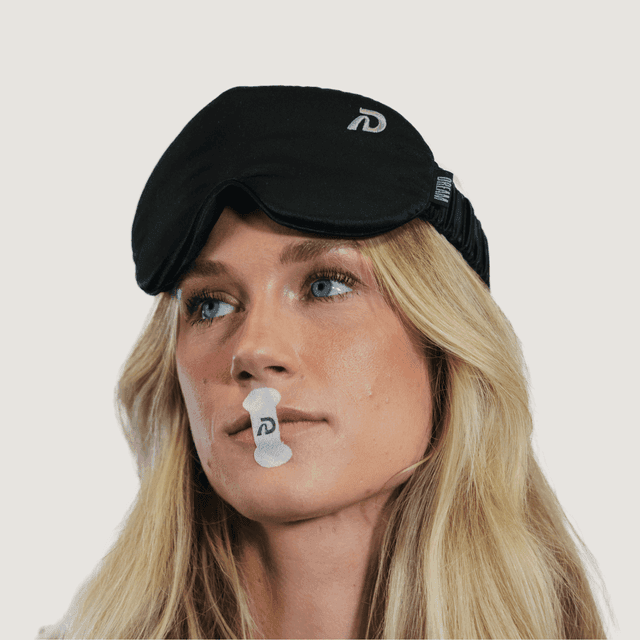 Dream Mouth TapeDream Recovery · $97.00
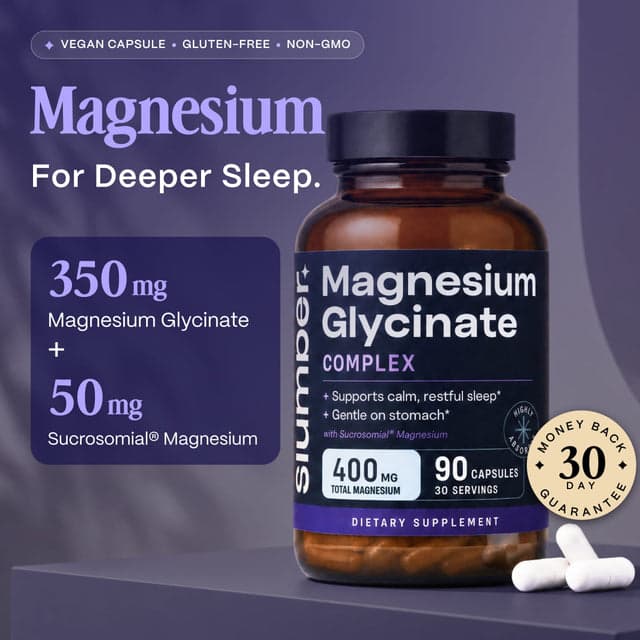 Magnesium Glycinate CapsulesSlumber · $29.00
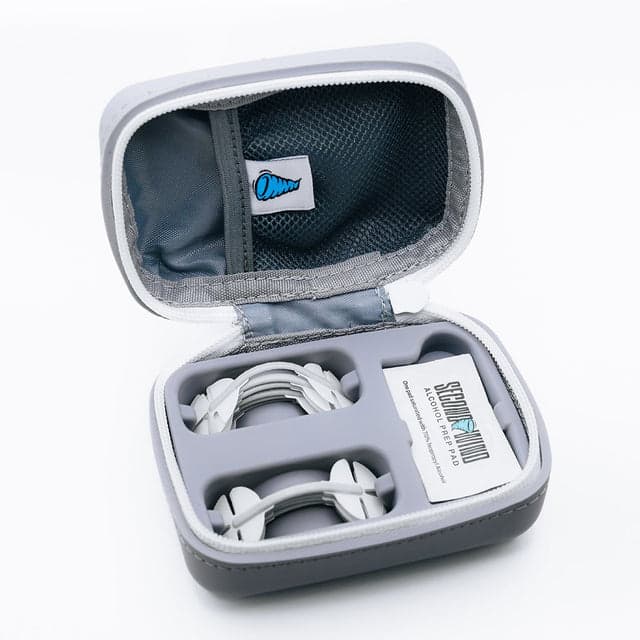 Second Wind Storage PouchDream Recovery · $20.00
Cost and maintenance differences
Weighted blankets are a significant upfront investment, typically ranging from $120 to $400 depending on weight and material quality. Once purchased, they require ongoing maintenance: most can be machine washed, but larger or heavier models may need professional dry cleaning, which costs $30 to $60 per cleaning. Some owners prefer to air their blanket regularly and spot-clean stains rather than wash it frequently. Sleep masks, by contrast, are inexpensive initial purchases, usually under $50 for quality options. Basic maintenance is minimal—most masks can be hand-washed with mild soap and water or spot-cleaned with a damp cloth. A sleep mask typically lasts six months to a year depending on material and daily use, after which you can replace it for the same initial cost. If you factor in dry cleaning costs, a weighted blanket's annual maintenance might approach $60 to $100, while a sleep mask's replacement cost stays low. Dream Recovery offers sleep masks at various price points, and Slumber provides wellness products that support sleep routines. For budget-conscious shoppers, a sleep mask is a lower-commitment entry point into sleep improvement tools. If you prefer investing upfront in a durable product that requires occasional professional care, a weighted blanket makes sense over the long term.
How much space does each require in your bedroom?
A weighted blanket occupies the same footprint as a standard blanket—it covers your bed from head to toe and takes up the full width of your sleeping surface. However, the extra weight means it sits lower and may feel restrictive if you share a bed with a partner who tosses and turns or prefers a lightweight cover. Some couples choose separate blankets to avoid this conflict. Storage is straightforward if you have a linen closet, though a 25-pound blanket is bulkier to fold than a standard quilt. If you live in a small space, studio apartment, or frequently move, the physical bulk and weight can be inconvenient. Sleep masks take up virtually no space. You can store one in a nightstand drawer, travel toiletry bag, or even a jacket pocket. They don't interfere with your bed setup or your partner's comfort, and a single mask weighs just a few ounces. If you sleep hot or in a warm climate, a weighted blanket's additional layer creates extra heat retention, which can be uncomfortable. A sleep mask adds no warmth at all. For anyone living in tight quarters, traveling regularly, or sleeping in shared spaces, a sleep mask is the obvious choice. For a dedicated bedroom where you sleep alone or with a partner who wants the same blanket, weight and bulk are less of a barrier.
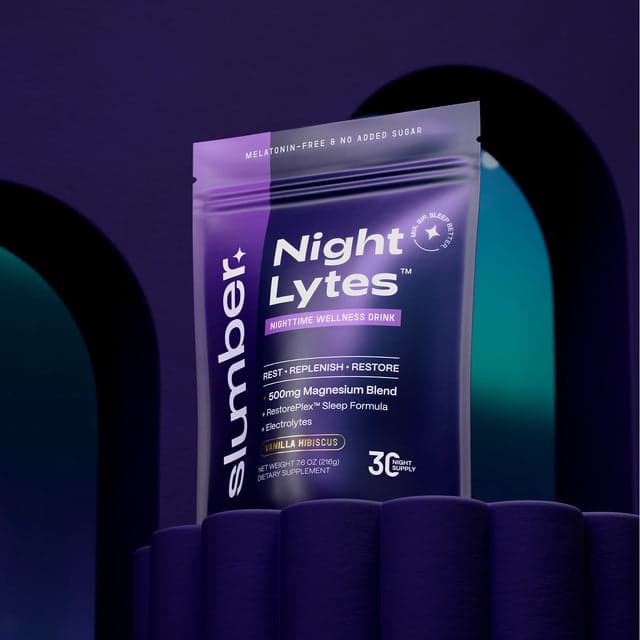 Night Lytes™ Magnesium Powder for SleepSlumber · $60.00
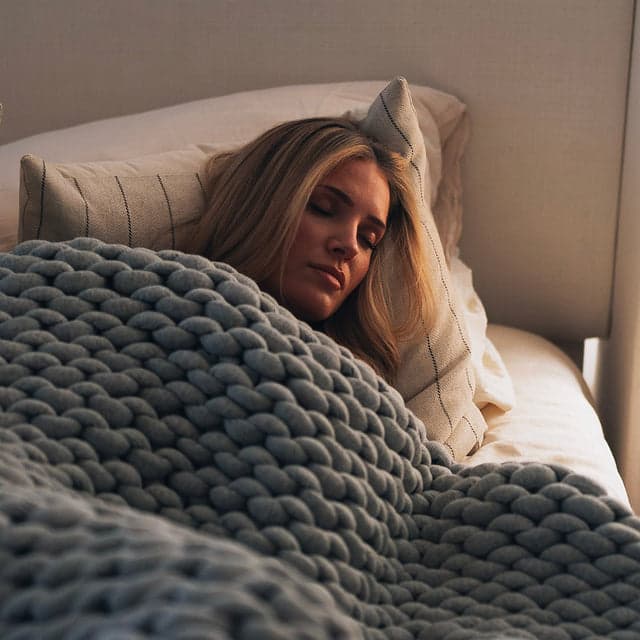 Weighted Recovery BlanketDream Recovery · $449.00
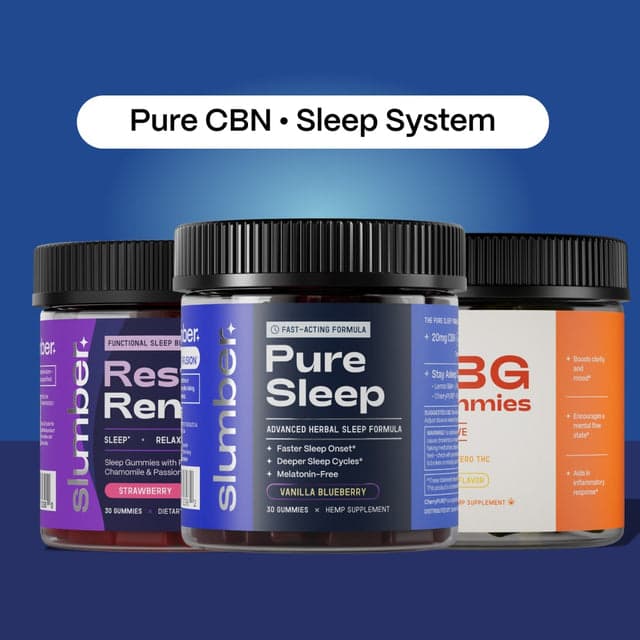 Pure CBN Sleep BundleSlumber · $126.75
Choose a weighted blanket if you need pressure and calming touch
Weighted blankets suit sleepers whose main challenge is anxiety, racing thoughts, or physical restlessness. If you find yourself lying awake with your mind spinning, or if you feel tense and unable to relax your body at bedtime, the deep pressure stimulation of a weighted blanket directly addresses these issues. They're also helpful for people with ADHD, autism, or PTSD-related sleep disruption, as studies suggest they improve sleep initiation and reduce nighttime waking. Dream Recovery offers sleep masks and wellness tools designed to support calm bedtimes. If your sleep problem is primarily emotional or tension-based rather than environmental, a weighted blanket gives you a tangible, tactile intervention. Consider this option if you're willing to invest in a higher-cost product that requires occasional maintenance and dedicated bedroom space. A weighted blanket won't help if your bedroom is very bright or if you need flexibility in your sleep setup, but it can be transformative if pressure and ritual matter to your sleep routine.
Choose a sleep mask if light is your main sleep disruptor
Sleep masks are the right tool if your biggest sleep barrier is ambient light. If you sleep during the day, work night shifts, live near streetlights, or wake up too early because of dawn, a mask makes an immediate difference. Complete darkness boosts melatonin production and helps your body recognize when it's time for deep sleep. Sleep masks are also ideal if you travel frequently, share a bed with someone on a different schedule, or use your bedroom for daytime rest. Getbia focuses on neurofeedback and sleep optimization, while Dream Recovery offers sleep masks alongside other sleep solutions. A mask is easy to try: purchase one for $20 to $50 and use it every night for a week to see results. Unlike a weighted blanket, which requires adjustment and might not suit every sleeper, most people notice improved sleep immediately once they're used to wearing a mask. If your mind is calm but your environment is bright, a sleep mask solves your problem without expense or maintenance. This is the low-risk option for anyone unsure whether specialized sleep tools will help.
The case for owning both, and when that is overkill
Some sleepers benefit from both a weighted blanket and a sleep mask because they address different sleep barriers. If your room is bright and your mind is anxious, combining deep pressure with complete darkness creates ideal conditions for sleep. A weighted sleep mask—which combines both features—is an option, though these are newer and more specialized than standalone products. However, owning both a full weighted blanket and a separate sleep mask is overkill for most people. If light blocking is your only need, a mask alone is sufficient. If pressure and calming are your only needs, a blanket alone is sufficient. The combination makes sense only if you've identified two distinct sleep problems: light disruption plus anxiety or tension. If you're new to sleep tools, start with whichever addresses your most obvious sleep barrier. Many people find that solving one problem (like light or anxiety) improves overall sleep quality enough that they don't need the second intervention. Before investing in both, try one for two weeks and observe whether your sleep improves. This approach saves money and helps you understand what you actually need.
When and how to save money on weighted blankets and sleep masks
Weighted blankets rarely go on sale compared to other home goods, but prices typically drop during seasonal transitions—late September into October and late January into February. Some retailers offer discounts around Black Friday and Cyber Monday. Sleep masks, being inexpensive, see more frequent price reductions and bulk-buy discounts. Watch for sales codes that cover individual products rather than store-wide promotions, which often have exclusions. If you purchase through certain wellness retailers or sign up for their email lists, codes might cover a percentage off your order or free shipping on orders over a minimum amount. Some retailers offer gift cards at discounts during off-peak seasons, which you can use toward a future purchase. For branded products like those from Slumber, check their official sites for seasonal promotions and clearance sections. No coupon codes typically cover weighted blankets unless the retailer is running a storewide promotion, so your best strategy is timing your purchase during natural sales windows rather than searching for specific discount codes. Return policies matter: if a weighted blanket doesn't work for you after two weeks, confirm whether you can return it. This reduces the financial risk of a $200+ purchase.
What mistakes do shoppers make when choosing between them?
The most common mistake is buying a weighted blanket without checking the weight. Therapists recommend choosing a blanket weighing no more than 10% of your body weight. A 200-pound person should use a 15 to 20-pound blanket; using a 25 or 30-pound blanket causes discomfort and can worsen sleep instead of improving it. Another mistake is expecting a weighted blanket to work immediately. Most people need three to seven nights to adjust to the sensation before they notice sleep improvement; giving up too soon because you felt awkward the first night means missing real benefits. Many shoppers also ignore their sleeping environment when choosing between these products. If your bedroom is bright, buying a weighted blanket won't solve light-related waking even if the blanket itself is perfect. Conversely, if your main struggle is nighttime anxiety, a sleep mask won't address the root cause. A related error is confusing a weighted sleep mask (which is rare and specialized) with either a regular sleep mask or a weighted blanket, then buying the wrong product. Before purchasing, honestly identify whether your sleep problem is primarily environmental (light, temperature, noise) or physiological (anxiety, restlessness, insomnia). This clarification alone prevents most purchasing mistakes and increases the chances that whichever tool you choose will actually improve your sleep.
- Choose blanket weight as no more than 10% of body weight—oversized blankets worsen sleep
- Expect three to seven nights of adjustment before noticing sleep improvements
- Identify your main sleep barrier (light vs. anxiety) before purchasing either product
- Check return policies for weighted blankets, which are expensive one-time purchases
- Don't confuse weighted sleep masks with regular masks or standalone blankets
Our top picks

Dream Recovery35% off
Dream Recovery offers sleep masks and wellness products including custom sleep solutions, suited for light-blocking and sleep optimization across different needs.
Shop Dream Recovery →15 Dream Recovery coupons →
Slumber50% off
Slumber specializes in safe, effective wellness products including options that support sleep quality through multiple approaches.
Shop Slumber →15 Slumber coupons →
Getbia75% off
Getbia uses neurofeedback technology to help users fall asleep, stay asleep, and wake refreshed—a complementary approach to physical sleep tools.
Shop Getbia →15 Getbia coupons →Frequently asked questions
Will a weighted blanket help if my room is bright?
A weighted blanket won't solve light-related sleep disruption. It addresses anxiety and physical restlessness through pressure, not light-blocking. If brightness is your main sleep barrier, add a sleep mask alongside the blanket or choose a mask as your primary tool.
How long does a sleep mask last before replacement?
A quality sleep mask typically lasts six to twelve months depending on daily use and material. Once the elastic loosens, the foam deteriorates, or the fabric loses its light-blocking properties, replace it. Replacement costs are low, usually $20 to $50.
Can I use both a weighted blanket and sleep mask together?
Yes. Combining them works well if you struggle with both anxiety and light disruption. Start with whichever addresses your most obvious sleep problem, then add the second tool if needed. Most sleepers find solving one issue is enough.
- https://health.clevelandclinic.org/weighted-blanket-benefits
- https://health.clevelandclinic.org/the-case-for-wearing-a-sleep-mask
- https://sleepfoundation.org/best-weighted-blankets/weighted-blanket-benefits
- https://drowsysleepco.com/blogs/news/explore-major-benefits-using-sleep-masks-better-sleep-quality
- https://latestcost.com/dry-clean-weighted-blanket-cost/