
Why this purchase goes wrong for most first-time buyers
The two biggest mistakes are buying too much scooter for your actual needs and trusting manufacturer range claims at face value. A buyer planning a 3-mile commute might purchase a 60-pound dual-motor machine rated for 40 miles, then struggle to carry it up stairs daily. Meanwhile, the 40-mile claim? Expect 60–70 percent of that in real-world conditions with a heavier rider, any hills, cold weather, or faster speeds. New buyers also often chase top speed when most cities cap legal e-scooter speeds at 15–20 mph anyway. Instead of asking "which is fastest," ask "which will handle my real route without dying halfway." Overlooking maintenance, water resistance, and local regulations creates secondary problems: a scooter that fails after a year, one that dies in light rain, or one you cannot legally ride where you live. The sweet spot for most urban commuters is a scooter in the 300–500W power range, weighing under 35 pounds, with at least 15 miles of real range.



Decide this first: the one question that narrows everything else
Before comparing specs, write down your answer to this single question: How far do I actually need to ride on a typical day, and do I need to carry the scooter at any point? This one fact eliminates half the market instantly. If your commute is 2–3 miles and you fold the scooter into a backpack or carry it up one flight of stairs, weight is critical. If you're riding 15 miles each way on a flat city street and never lifting it, weight matters far less. If hills are part of your route, motor power becomes the priority over range. If you live somewhere that rains frequently, water resistance trumps a slightly longer range. Once you know your actual use case, every other decision follows logically. A commute distance determines minimum battery size. The need to carry determines maximum weight. Terrain determines minimum motor power. Local laws determine legal top speed. Treating this decision tree first saves hours of confused spec-shopping.
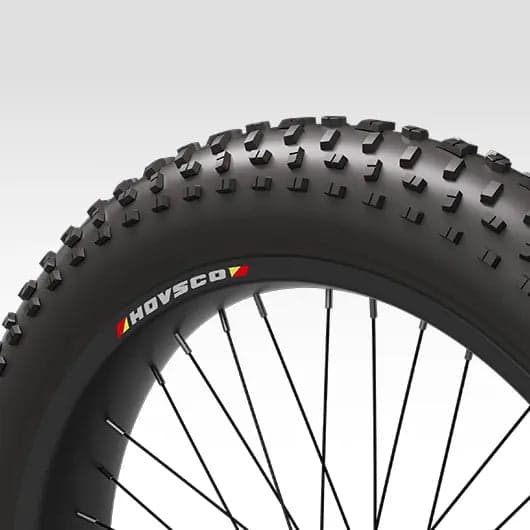 tireHOVSCO · $89.00
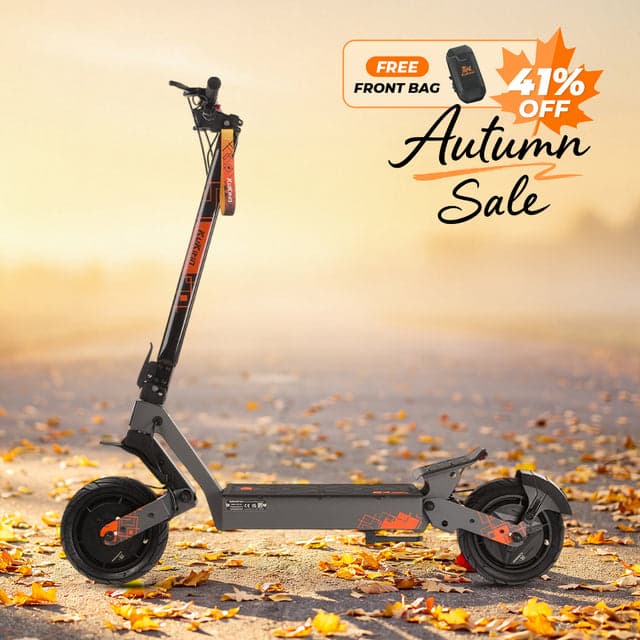 Rear Wheel for KUGOO S3KugooEU Scooter · $19.99
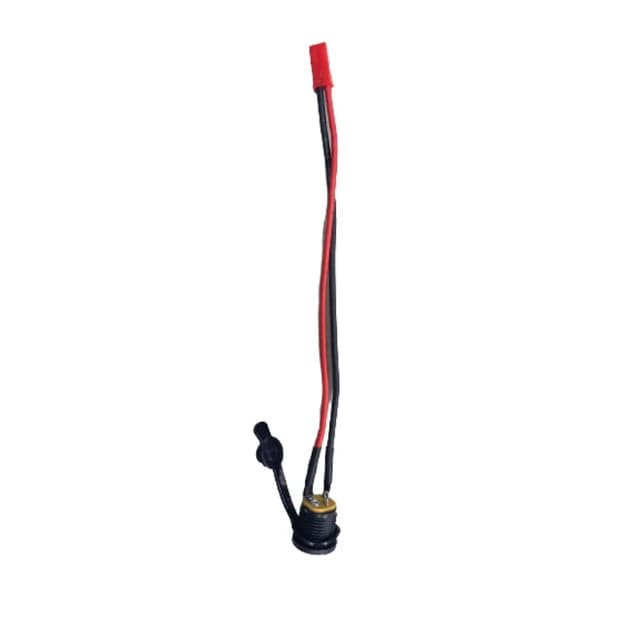 S9 Series Scooter Universal Charging PortiSinwheel.co.uk · $19.99
The specs, materials or sizes that actually matter
Focus on five specifications that translate directly to real-world usability: motor power in watts, battery capacity in watt-hours (Wh), effective range under your weight and terrain, tire type, and braking system. A 250W motor is barely adequate for adults; 300–500W handles most urban commuting with modest hills. Battery capacity from 400–700Wh gives realistic 20–40 mile range; anything higher adds weight faster than it adds range. Divide the claimed range by 1.5 to get a working estimate for your actual conditions. Pneumatic (air-filled) tires deliver a smoother ride than solid rubber, but require occasional maintenance. For safety, dual braking systems beat a single electronic brake: a mechanical disc or drum brake paired with an electric regenerative brake means you can stop even if one system fails. Tire diameter also affects ride quality—8-inch tires suit flat city streets, while 10-inch tires handle debris and small bumps better. Weight should stay under 40 pounds for regular carrying; lighter is not always better if it means thinner materials that wear out faster. An IP rating of IPX4 or higher protects against splashes and light rain; IPX5+ is necessary for wet-weather commuting.
The trade-offs, and what is safe to skip
The most expensive scooters add features that matter only in specific scenarios. Dual motors increase acceleration and hill-climbing but also add 15+ pounds and often require stronger brakes—worth the cost only if you have steep grades. A scooter with 60+ mile range is designed for weekend riders or touring, not daily commuters who charge overnight. Suspension systems feel luxurious but add cost and weight; they matter most if your route has broken pavement or cobblestones, not for smooth city streets. Full smartphone integration, GPS, and apps are nice but not essential—they do not improve your commute, though they may help you find a lost scooter. What is safe to skip: excessive top speed beyond local legal limits, suspension if you ride on smooth pavement, ultra-lightweight materials if they compromise durability, and premium brand names that charge for aesthetics rather than engineering. What is not safe to skip: a working braking system with redundancy, adequate lighting for night riding, and an honest warranty from the seller. A reputable maker offers at least a 1-year warranty on the frame and drivetrain; batteries are often covered only 6 months. Cheap no-name brands without warranty support are a false economy—they often last a year or less with daily use.
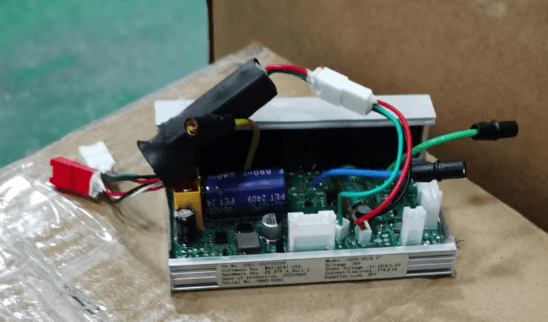 Controller with isinwheel Club APP, Speed Levels: 6-12-20MPH For S-NovaIsinwheel.com · $59.99
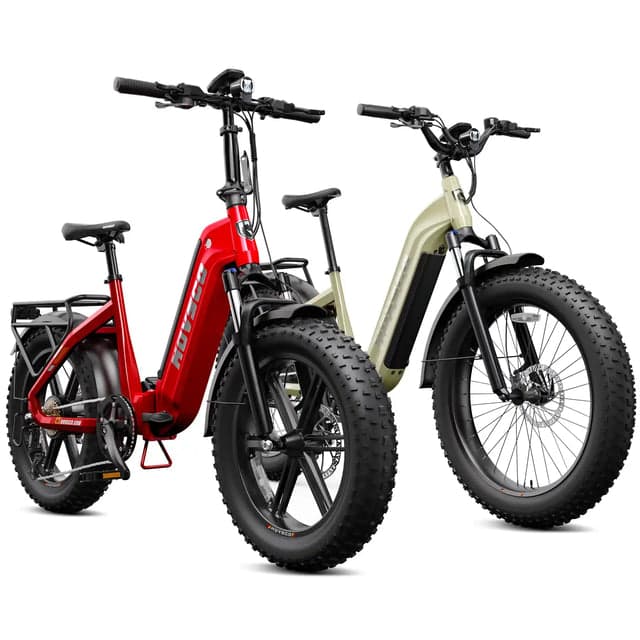 Hovbeta & HovAlpha Bundle SaleHOVSCO · $2399.00KuKirin G4 Ultra Electric ScooterKugooEU Scooter · $969.00
Sizing, fit or capacity: how to get it right the first time
An e-scooter is not a one-size-fits-all product. Your weight, strength, and commute distance are the three sizing factors. A rider weighing 150 pounds can safely use almost any adult scooter; riders over 250 pounds need a scooter explicitly rated for that weight, often requiring a more powerful motor and stronger brakes. The weight you can comfortably carry—without back strain or exhaustion—should not exceed 30 percent of your body weight; a 140-pound commuter should not carry a scooter heavier than 42 pounds. If you cannot carry it, ask whether you need to. Not all commuters lift their scooter; some leave it at work, store it in an office closet, or use a backpack mount. Your riding distance also determines sizing. A 5-mile commute requires a different scooter than a 20-mile route, even if both are on flat ground. Most riders need at least 50 percent more battery range than their round-trip distance to account for cold weather (which reduces range by 20–30 percent), battery aging, and speed variation. If your commute is exactly 10 miles round-trip, targeting a scooter with 18–20 miles of realistic range gives you a cushion. Finally, evaluate the deck size and handlebar height. A deck narrower than 6 inches feels unstable for most adults; wider decks are safer but heavier. Handlebars should reach somewhere between your hip and waist when standing.
Who each kind of buyer should look at — name shortlist brands here
The best scooter brand depends entirely on your use case. For urban commuters who value durability and support, HOVSCO offers electric scooters designed for daily riding with accessible pricing and spare parts availability. Commuters in the UK often turn to iSinwheel.co.uk, which stocks multiple models across price points, and iscooterglobalUK, which emphasizes customer service and includes options for foldable designs suited to public transit transitions. KugooEU Scooter serves European buyers with a large spare-parts catalogue and established support, important if your scooter needs repairs later. For riders who prioritize technical specs and warranty coverage, Isinwheel.com offers battery and charger support, critical for long-term ownership. Budget-conscious first-time buyers should start with brands offering extended warranty options and proven customer service rather than unbranded lowest-price options, which often vanish if you need a replacement part. Enthusiasts pushing performance boundaries will outgrow entry-level brands quickly; they need established makers with dual-motor options and premium components. Your geography matters: UK-based shoppers benefit from brands like iSinwheel.co.uk that handle returns easily, while US and EU buyers have different logistics. Community reviews on independent forums often reveal which brands have reliable support versus those that disappear after the sale.
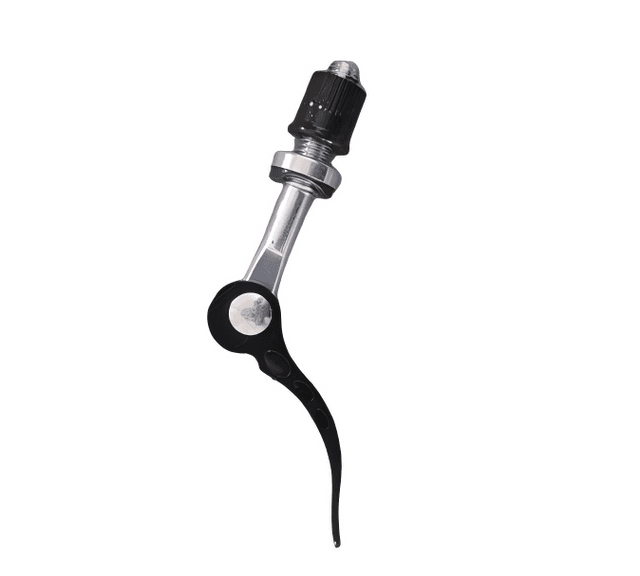 Quick‑Release Handle Assembly for Kids Scooter Steering PoleiSinwheel.co.uk · $19.99
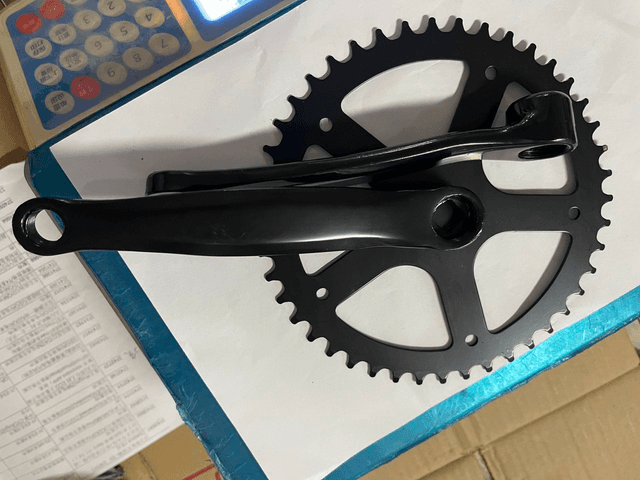 Left and Right Crankset For U2Isinwheel.com · $49.99
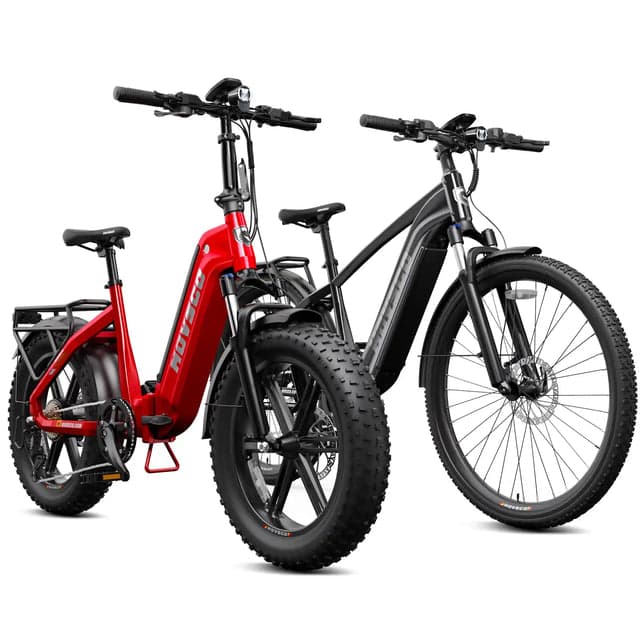 HovRanger & HovBeta Bundle SaleHOVSCO · $2299.00
Quality and value: what separates a good buy from a cheap one — name brands here
A quality e-scooter costs more than a cheap one for measurable reasons: materials, engineering, and after-sales support. Budget scooters ($300–$500) show high variance—some established brands deliver solid performance, but "the build quality varies wildly from brand to brand," especially among no-name Amazon listings with exaggerated specs. Quality scooters from proven makers like KugooEU Scooter, HOVSCO, and Isinwheel.com emphasize solid construction and warranty support. A quality scooter should perform for two to four years of daily commuting with basic care; cheaper models typically last one to two years. The difference often lies in motor reliability, brake materials, battery chemistry, and frame welds—invisible until they fail. Brands offering warranty coverage and readily available replacement parts cost more upfront but save money in the long run. A scooter priced $150 higher but backed by a 2-year warranty and local support is cheaper over time than a bargain model that breaks in month 14 with no recourse. Another marker of quality: reputable brands provide honest specification claims. If a manufacturer claims 30 miles and independent reviewers consistently find 20 miles, that company is honest about voltage, motor efficiency, and battery chemistry rather than optimistic guessing. Battery chemistry matters—Samsung, LG, or Panasonic cells inside cost more but age more gracefully than generic cells that degrade quickly. When comparing price, compare warranty terms, parts availability, and customer service reputation alongside the sticker price.
How to save money: when prices drop and what a code realistically covers
E-scooter prices are most competitive in autumn months (September through November) as retailers clear inventory before holiday returns season. Spring pricing is typically higher. Online scooter brands, including iscooterglobalUK and iSinwheel.co.uk, run occasional sales around major shopping events—watch their websites if you've identified a model you want. Discount codes that appear in email campaigns or seasonal promotions typically cover 10–20 percent of the purchase price; anything higher is rare and often signals a brand trying to clear old stock. Bundles are sometimes offered: a scooter plus a helmet, lock, or carrying bag at a lower combined price than buying separately. These can represent genuine savings if you need the accessories anyway. Cheaper is not the only way to save money. Buying a mid-range scooter with a strong warranty costs the same or less than replacing a cheap scooter twice. Extended battery life—from a scooter that holds charge well for years—also saves money compared to constant rapid charging on a low-quality battery. Rather than hunting for the lowest price, identify the model that fits your needs and track its price over two to three weeks; most online retailers will honor a recent price drop if you ask within days of purchase. Avoid impulse buying based on a limited-time code; most scooters will be available again at similar prices within weeks. Shipping protection or accidental-damage insurance, if offered at reasonable cost, can save repair expenses if your scooter is damaged during delivery or shortly after purchase.
Mistakes shoppers make, and how to avoid them
The most common purchasing error is buying excessive capacity: a 70-pound machine rated for 40 miles and 35 mph when your actual need is a 25-pound scooter for 8 miles and 15 mph. This mistake stems from aspirational thinking—imagining weekend adventures instead of planning for Tuesday's commute. To avoid it, commit to your realistic use case before looking at models. A second mistake is trusting top-speed claims in areas where speed is legally capped. If your city limits e-scooters to 15 mph, a scooter marketed as "35 mph" is irrelevant—the limiting factor is the law, not the machine. Check local regulations before buying. Third: underestimating range needs. New riders often buy a scooter rated for exactly their round-trip distance, then are shocked when headwind, hills, or battery age reduce effective range. Always budget 50 percent additional range beyond your worst-case commute. Fourth: ignoring tire and brake maintenance. Pneumatic tires occasionally go flat and need air; disc brakes eventually wear pads. Scooters with common tire sizes and brake types are cheaper to maintain than exotic models with hard-to-find parts. Fifth: buying without testing. Many online retailers allow returns within 14–30 days—use that window to ride the scooter on your actual route before committing. If you purchase sight-unseen and it does not fit your actual terrain, returning it is frustrating. Finally, do not assume the cheapest listing is the best deal. Unknown sellers with no customer-service reputation may offer rock-bottom prices but provide no support if the scooter arrives damaged or develops a fault. A slightly higher price from a seller with reviews and support is a safer investment.
Our top picks

HOVSCO59% off
Reliable daily commuter scooters with accessible pricing and readily available spare parts for long-term ownership and maintenance.
Shop HOVSCO →16 HOVSCO coupons →
KugooEU Scooter58% off
European riders benefit from extensive spare-parts inventory and established customer support, essential for repair costs and reliability.
Shop KugooEU Scooter →20 KugooEU Scooter coupons →
iSinwheel.co.uk15% off
UK-based scooter seller offering multiple models and easy returns, ideal for buyers who prefer local support and fast shipping.
Shop iSinwheel.co.uk →20 iSinwheel.co.uk coupons →
Isinwheel.com20% off
Stocks batteries and chargers separately, valuable for riders extending scooter life or needing replacement power components.
Shop Isinwheel.com →27 Isinwheel.com coupons →Frequently asked questions
How much range should I actually expect from a new e-scooter?
Expect 60–70 percent of the manufacturer's claimed range in real-world conditions. A scooter rated for 30 miles will likely deliver 18–21 miles under typical riding with hills, weather variation, and a rider of average weight. Cold weather can reduce range by 20–30 percent further.
What weight should I target if I need to carry my scooter daily?
Choose a scooter weighing no more than 30 percent of your body weight. A 140-pound commuter can safely carry up to 42 pounds; anything heavier causes back strain on regular use. Most commuter scooters range from 20–35 pounds.
Is a warranty really necessary when buying a budget e-scooter?
Yes. A 1–2 year warranty on the frame and motor often determines whether a failed scooter is replaced or becomes e-waste. Budget brands without warranty support typically fail after 1–2 years; established brands offering coverage last 3–4 years, making them cheaper over time despite higher upfront cost.
- https://riderguide.com/guides/ultimate-electric-scooter-buying-guide/
- https://eridehero.com/electric-scooter-buying-guide/
- https://thearsenale.com/blogs/garage/electric-scooter-buying-guide
- https://apolloscooters.co/blogs/news/how-to-read-electric-scooter-specs
- https://gotrax.com/blogs/rider-story/five-common-mistakes-first-time-electric-scooter-riders-make
- https://eridehero.com/electric-scooter-motors/